English Ivy
Hedera helix
Overview
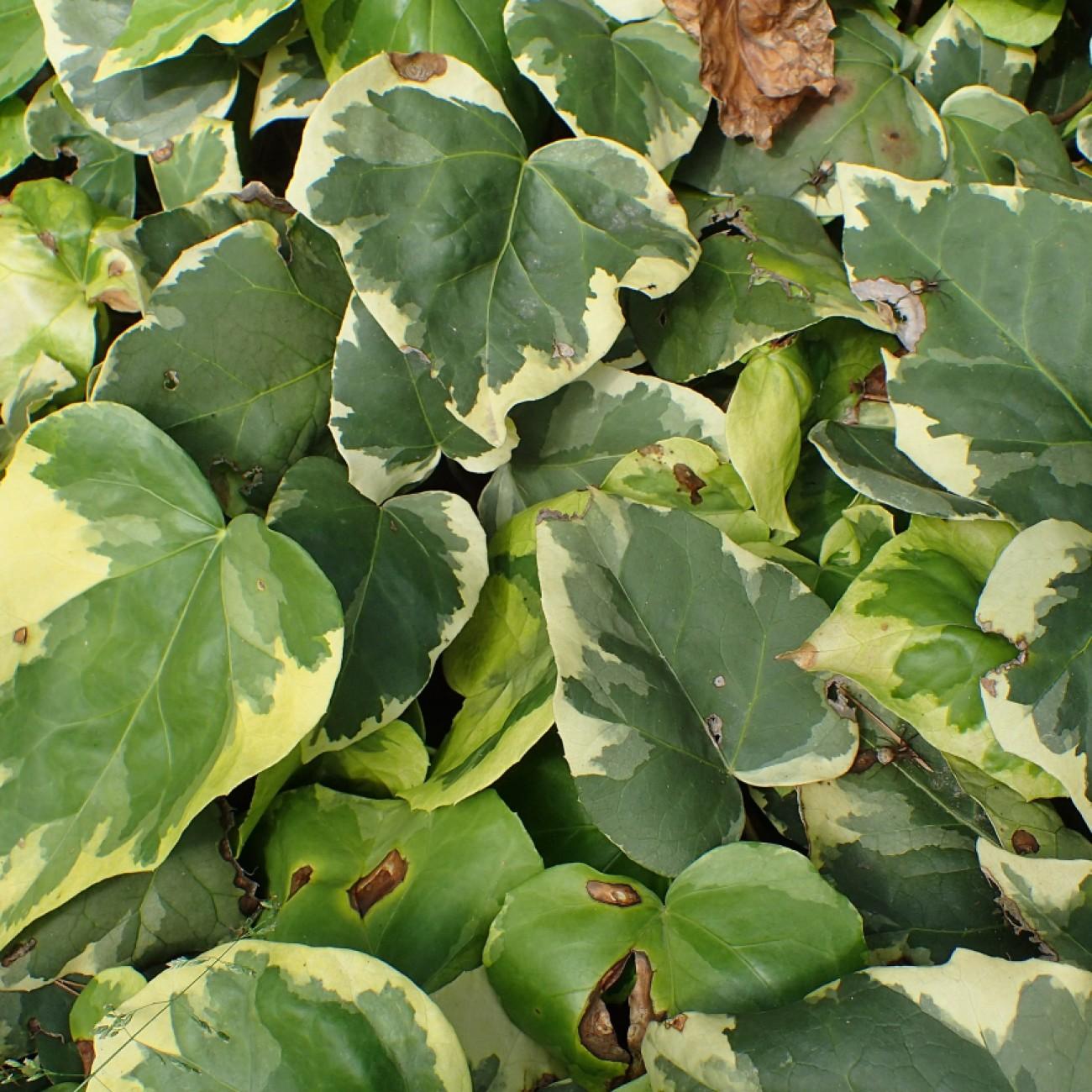
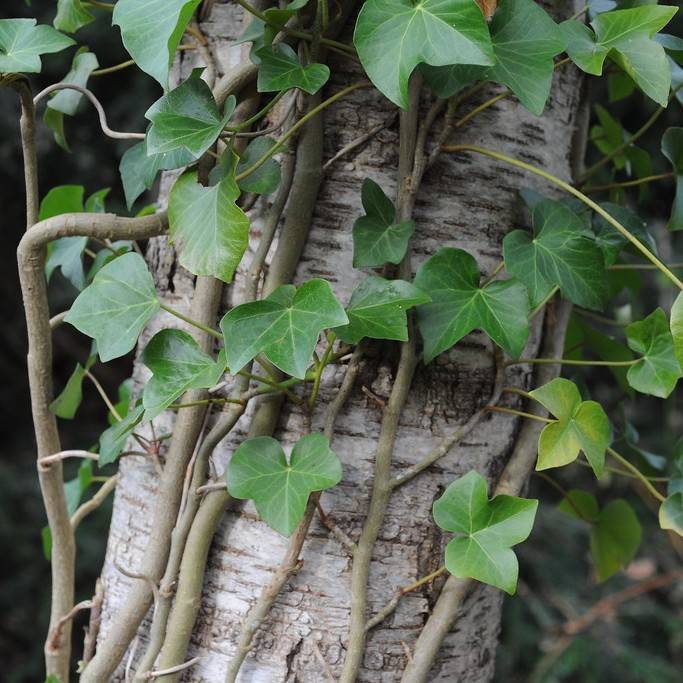
English Ivy is a hardy evergreen vine characterized by its dark green, lobed foliage that can trail from hanging baskets or climb surfaces via aerial rootlets. While it is widely grown as a low-maintenance houseplant, it is considered an invasive species in many temperate regions of North America and Australia where it escapes cultivation and smothers native vegetation. Mature outdoor specimens produce small greenish-yellow flowers in fall followed by black berries that provide food for birds.
Care Guide
Watering
Allow the top 1 to 2 inches of soil to dry out between waterings, reducing frequency in winter when growth slows. Overwatering is the most common issue, leading to root rot, so avoid letting the plant sit in standing water in its saucer.
Light
Thrives in low to bright indirect light, though variegated cultivars require brighter indirect light to retain their leaf patterning. Direct sunlight will scorch its leaves, so keep it away from unfiltered south-facing windows in warm climates.
Soil
Prefers a loose, well-draining potting mix with a slightly acidic to neutral pH between 5.5 and 7.0. A standard indoor potting mix amended with perlite or orchid bark to improve drainage works well, as heavy, compacted soil will hold too much moisture.
Fertilizer
Feed monthly during the spring and summer growing season with a balanced, water-soluble houseplant fertilizer diluted to half strength. Avoid fertilizing in fall and winter when the plant is dormant, as this can cause salt buildup in the soil and damage roots.
Temperature
Grows best in average indoor temperatures between 60 and 75°F (15 to 24°C), and can tolerate short dips down to 30°F (-1°C) if grown outdoors. Avoid placing it near cold drafts from windows or heating vents, as sudden temperature fluctuations can cause leaf drop.
Pruning
Trim back overgrown vines in spring to maintain desired shape and encourage bushier growth, cutting just above a leaf node to stimulate new side shoots. Remove any yellowed, damaged, or dead foliage year-round to improve air circulation and reduce the risk of disease.
Propagation
Easily propagated from stem cuttings taken in spring or summer; cut a 4-6 inch section of healthy vine, remove lower leaves, and root in water or moist potting mix in 2-4 weeks. No rooting hormone is typically needed, as English Ivy roots readily under warm, indirect light conditions.
Humidity
Tolerates average household humidity levels between 30 and 50%, but will grow more vigorously with humidity levels above 40%. If your home is very dry, mist the leaves occasionally, place a tray of pebbles and water under the pot, or use a small humidifier nearby to boost moisture.
Repotting
Repot young plants every 1-2 years in spring, moving to a pot 1-2 inches larger in diameter when roots begin to grow out of the drainage holes. Mature plants only need repotting every 3-4 years, or when the soil becomes compacted and drains poorly.
Uses & Symbolism
Indoors, English Ivy is popular as a trailing plant for hanging baskets, shelves, or trellises, and studies have shown it can help filter common indoor air pollutants like formaldehyde and benzene. Outdoors in non-invasive regions, it is used as a low-maintenance ground cover for shaded areas or to cover walls, fences, and unsightly structures. Historically, it has been used in traditional medicine for its anti-inflammatory properties, though internal consumption is not recommended due to its toxicity.
Diseases & Pests
Common pests include spider mites, aphids, and mealybugs, which can be treated with insecticidal soap or neem oil applied to affected foliage. Overwatering frequently leads to root rot, which presents as yellowing leaves, mushy stems, and a sour odor from the soil, requiring immediate repotting into fresh, dry soil. Bacterial leaf spot and powdery mildew can occur in overly humid, poorly ventilated conditions, so space plants appropriately and avoid wetting the leaves when watering.
Related plants
Other plants you might like if you grow English Ivy.