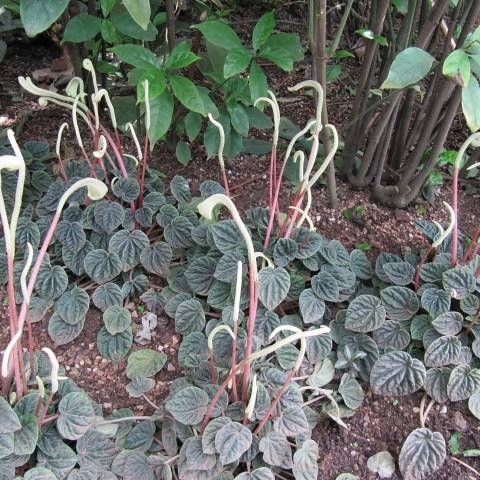
Emerald Ripple Pepper
Peperomia caperata 'Emerald Ripple'
Overview
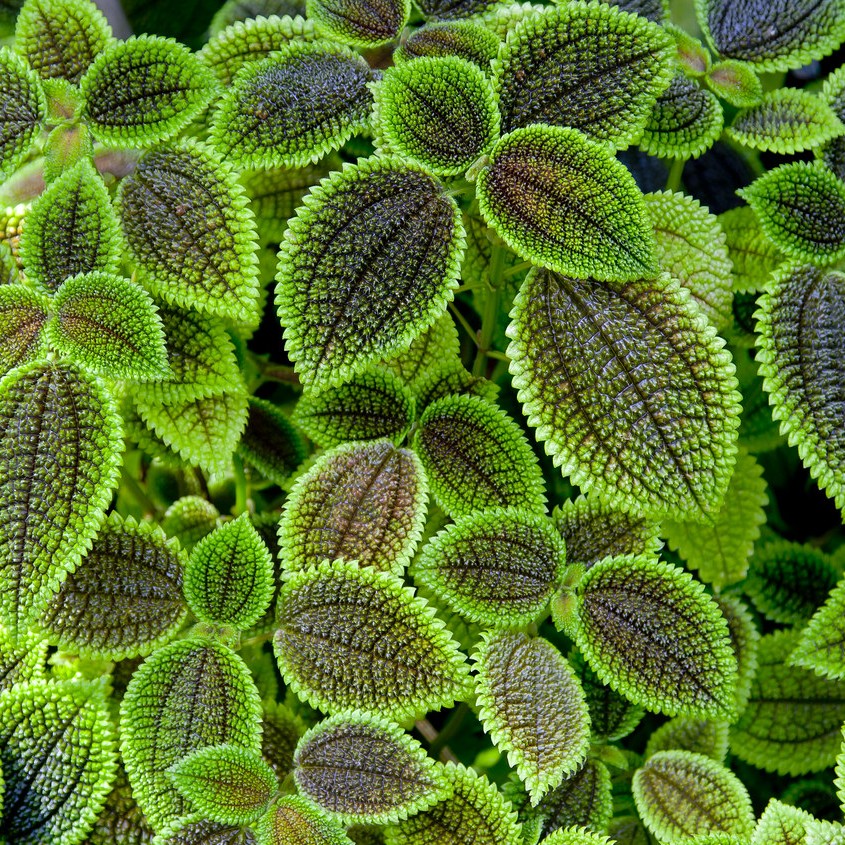
Emerald Ripple Pepper is a beloved cultivar of Peperomia caperata, distinguished by its heavily corrugated, heart-shaped emerald green leaves that form a dense, mounding rosette. It produces slender, upright spikes of tiny, unremarkable creamy-white flowers throughout the growing season, though it is grown primarily for its striking foliage. Adapted to the dappled light of tropical rainforest floors, it thrives in indoor conditions with consistent warmth and indirect light, making it ideal for desks, shelves, and shaded windowsills.
Care Guide
Watering
Allow the top 1-2 inches of soil to dry out completely between waterings to avoid root rot, as this peperomia stores moisture in its thick, fleshy leaves and stems. Water thoroughly until excess drains from the bottom of the pot, and reduce watering frequency significantly during the cooler winter months when growth slows. Avoid getting water trapped in the center of the leaf rosette to prevent fungal growth and leaf decay.
Light
Bright, indirect light is optimal for maintaining vibrant leaf color and compact growth; a north or east-facing windowsill works perfectly, or filtered light behind a sheer curtain for south or west exposures. Avoid prolonged direct midday sun, which can scorch the delicate textured leaves and cause unsightly brown spots or faded foliage. It can tolerate low light conditions for short periods, but growth may become leggy and leaf texture may lose its characteristic ripple in very dim locations.
Soil
A light, well-draining, porous potting mix is essential to prevent waterlogging around the shallow, delicate root system; a standard houseplant mix amended with perlite, orchid bark, or pumice to increase aeration works well. The ideal soil pH is slightly acidic to neutral, ranging between 6.0 and 6.6, to support healthy nutrient uptake. Avoid heavy, moisture-retentive garden soils that can compact and hold excess water for extended periods.
Fertilizer
Feed sparingly with a balanced, water-soluble houseplant fertilizer diluted to half the recommended strength once every 4-6 weeks during the active spring and summer growing season. Do not fertilize during the fall and winter months when the plant is dormant, as excess nutrients can build up in the soil and burn the sensitive root system. Over-fertilization may also cause soft, leggy growth and reduce the characteristic corrugation of the leaves.
Temperature
Emerald Ripple Pepper prefers consistent warm temperatures between 65-80°F (18-27°C), which matches typical indoor household conditions perfectly. It is highly sensitive to cold drafts and temperatures below 55°F (13°C), which can cause leaf drop and permanent root damage, so avoid placing it near drafty windows, exterior doors, or air conditioning vents in cooler months. Sudden temperature fluctuations should also be avoided to prevent stress-related foliage loss.
Pruning
Prune sparingly to maintain the plant's compact mounding shape, removing any yellowed, damaged, or leggy stems at the base using clean, sharp scissors or pruning shears. Spent flower spikes can be pinched off once they fade to redirect the plant's energy toward foliage growth and keep the plant looking neat. Avoid removing more than one-third of the plant's foliage at a single time to prevent excessive stress and stunted growth.
Propagation
The easiest method of propagation is through stem cuttings: snip a 2-3 inch healthy stem with a few attached leaves, allow the cut end to callous over for 24 hours, then plant in moist, well-draining potting mix and keep in bright indirect light until roots form in 3-4 weeks. It can also be propagated from leaf cuttings: remove a healthy leaf with a short section of petiole, insert the cut end into moist propagation medium, and keep warm and humid until new plantlets emerge from the base of the leaf. Division of mature, overgrown clumps can be done during repotting in spring by carefully separating the root ball into smaller sections and potting each individually.
Humidity
Average indoor humidity levels of 40-50% are usually sufficient for Emerald Ripple Pepper, though it will benefit from occasional misting or placement on a pebble tray filled with water if the air is particularly dry, such as during winter heating periods. Avoid excessively high humidity above 70% combined with poor air circulation, as this can increase the risk of fungal leaf spots and root rot. It does not require the extremely high humidity levels demanded by many tropical houseplants, making it well-suited to most residential environments.
Repotting
Repot only when the plant becomes severely root-bound, typically every 2-3 years in spring, as its shallow root system prefers to be slightly pot-bound and will suffer in overly large containers. Choose a pot only 1-2 inches larger in diameter than the current one, with adequate drainage holes, to prevent excess soil from retaining unwanted moisture around the roots. Gently loosen the outer edges of the root ball before placing in fresh potting mix, and water lightly after repotting to settle the soil around the roots.
Uses & Symbolism
Primarily grown as an ornamental houseplant, its compact size and attractive foliage make it a popular choice for terrariums, desk displays, shelf decor, and small-space indoor gardens. It is also an effective air-purifying plant, filtering common volatile organic compounds such as formaldehyde from indoor air according to NASA's clean air study. Its non-toxic nature makes it safe for placement in homes with children, cats, and dogs, eliminating the risk of poisoning from accidental ingestion.
Diseases & Pests
The most common issues are root rot and fungal leaf spots, both caused by overwatering, poor drainage, or excessive moisture trapped on the foliage; these can be prevented by allowing the soil to dry between waterings and avoiding watering the leaf rosette directly. Common pests include mealybugs, spider mites, and fungus gnats, which can be treated with insecticidal soap, neem oil, or sticky traps for adult gnats, with infestations typically occurring in overly damp or poorly ventilated conditions. Low light and over-fertilization can cause leggy growth and loss of leaf texture, which can be corrected by moving the plant to a brighter location and reducing feeding frequency.
Related plants
Other plants you might like if you grow Emerald Ripple Pepper.
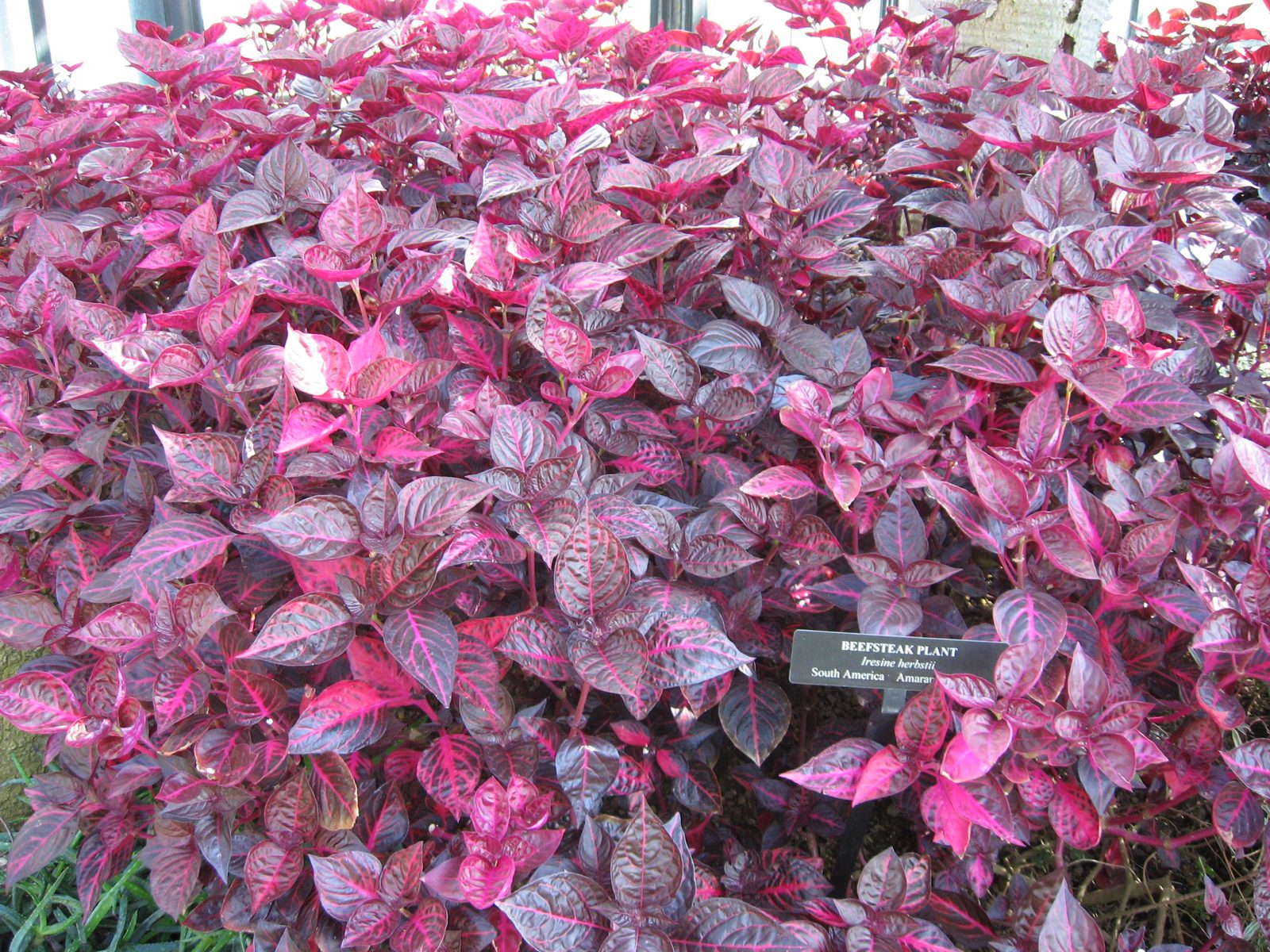
Bloodleaf
Iresine herbstii
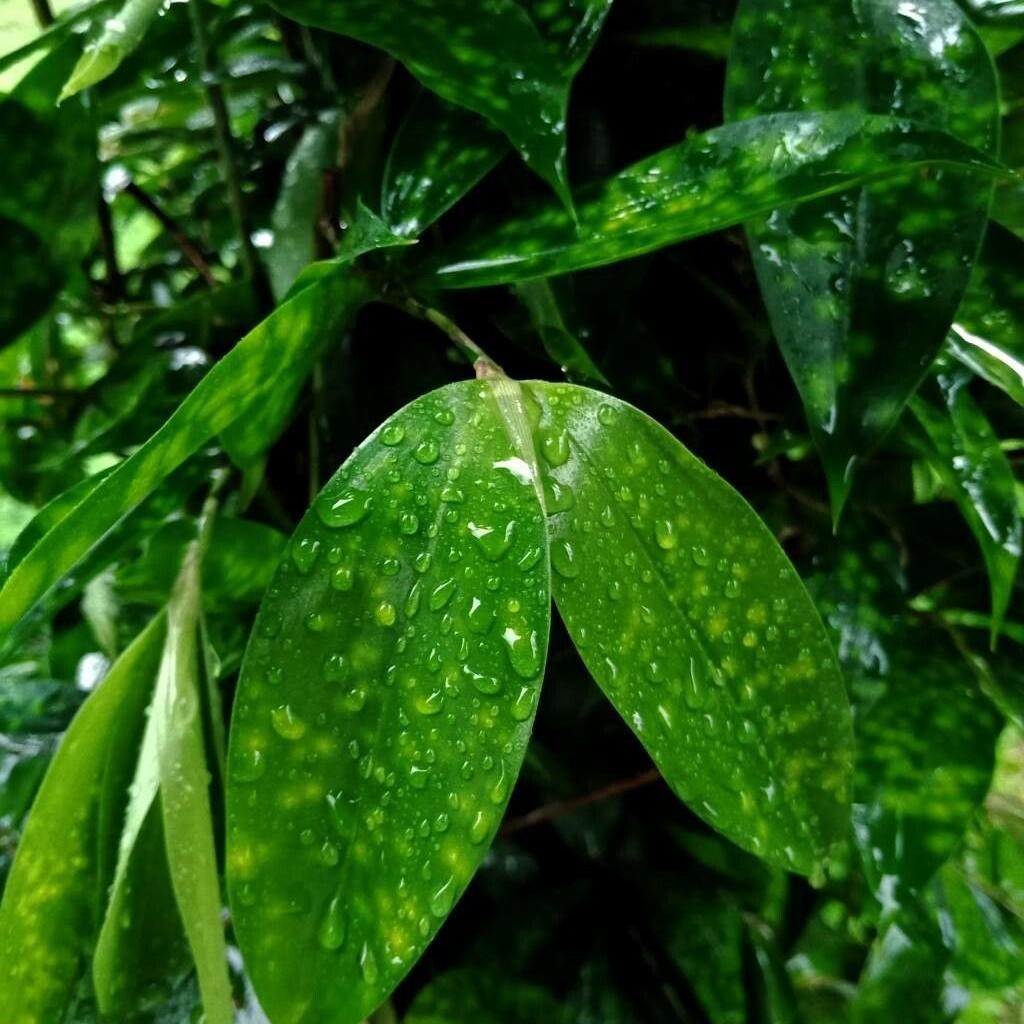
Gold Dust Dracaena
Dracaena surculosa 'Florida Beauty'
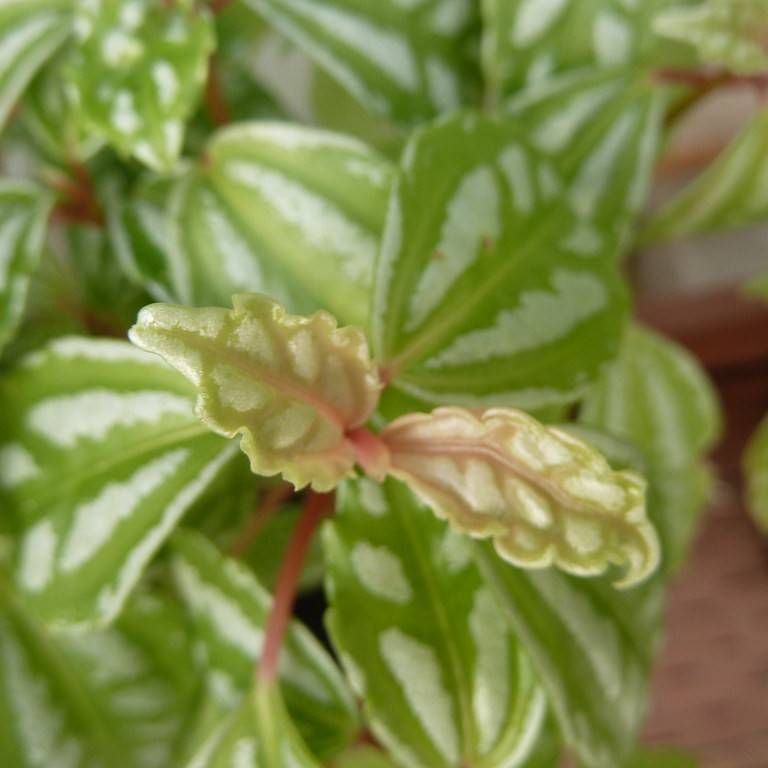
Aluminum Plant
Pilea cadierei
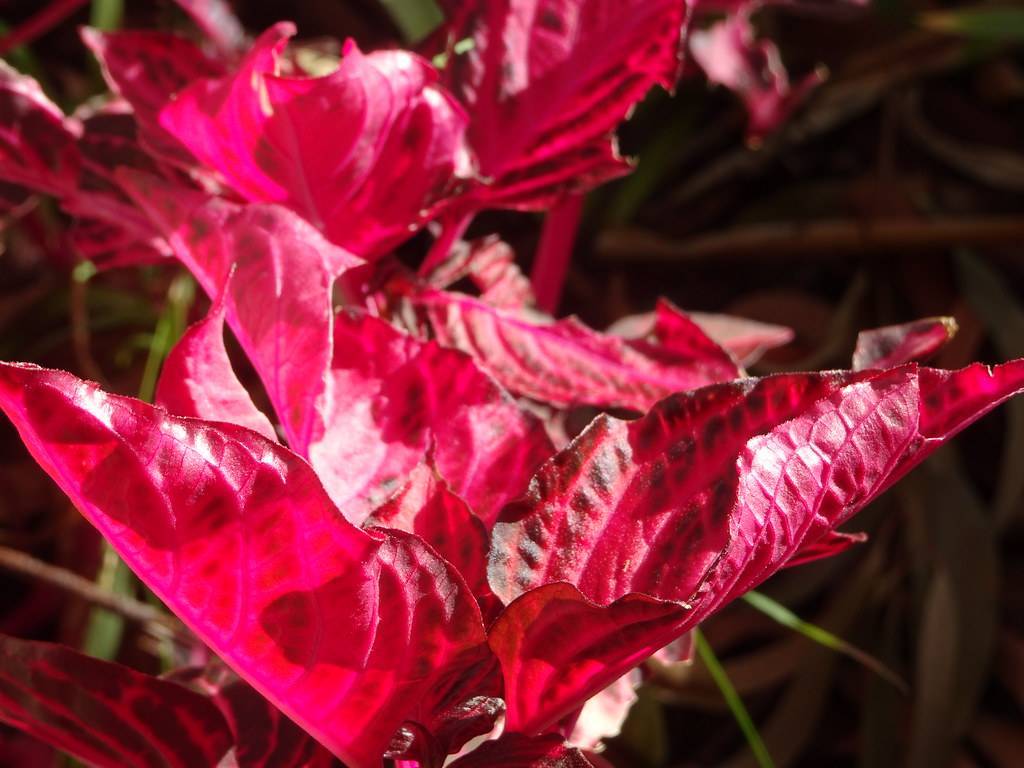
Herbst's Bloodleaf
Iresine herbstii
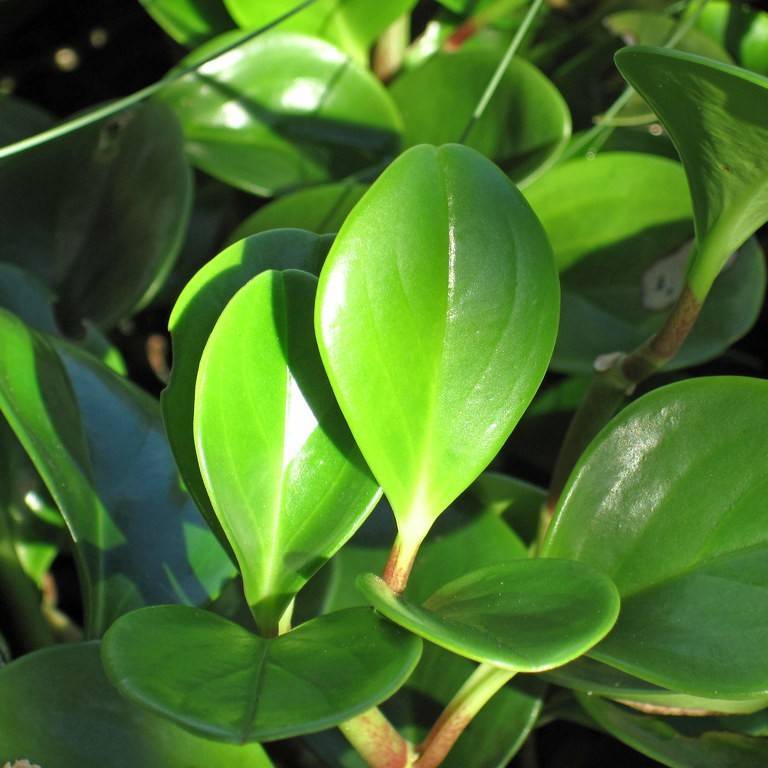
Baby Rubber Plant
Peperomia obtusifolia
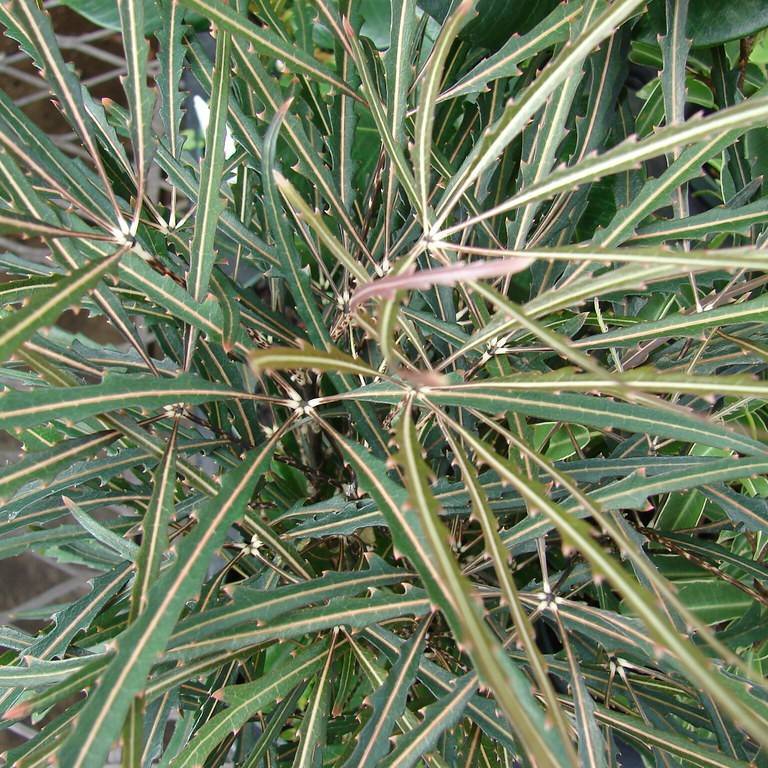
False Aralia
Plerandra elegantissima (syn. Schefflera elegantissima)
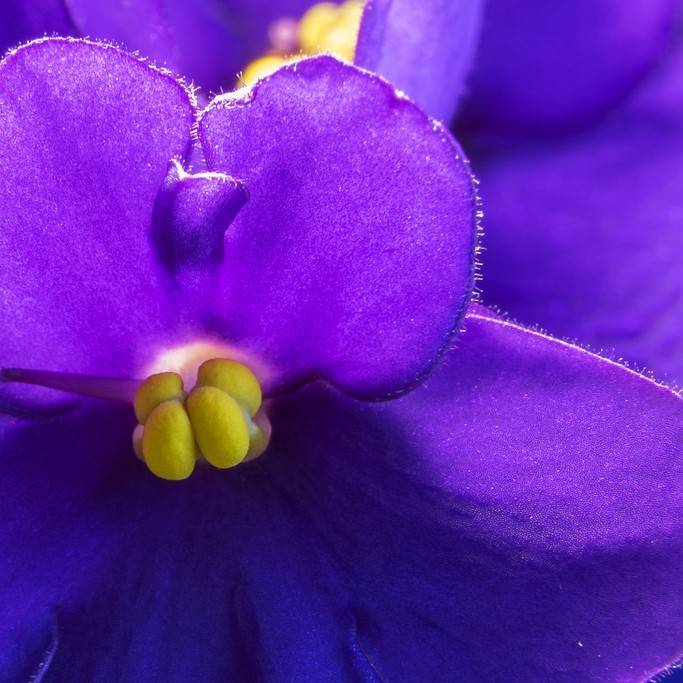
African Violet
Streptocarpus ionanthus (syn. Saintpaulia ionantha)
Friendship Plant
Pilea involucrata