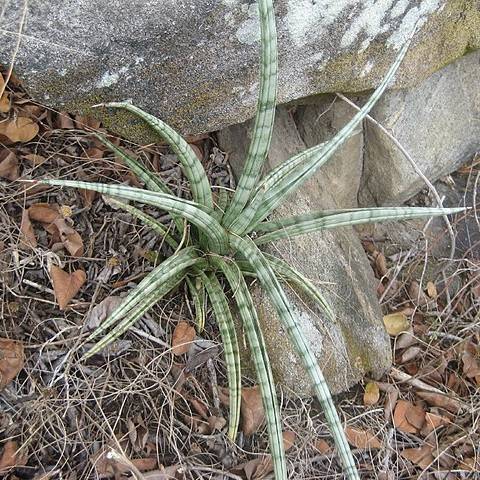
Bowstring Hemp
Sansevieria trifasciata (now reclassified as Dracaena trifasciata)
Overview
Bowstring Hemp, also commonly called Snake Plant or Mother-in-Law's Tongue, is distinguished by its upright, rigid foliage marked with horizontal dark green and light gray-green stripes, with some cultivars featuring yellow leaf margins. It is renowned for its ability to thrive in neglected conditions, making it a top choice for new plant owners and low-light spaces. It also performs Crassulacean Acid Metabolism (CAM), absorbing carbon dioxide and releasing oxygen at night to improve indoor air quality.
Care Guide
Watering
Allow the entire soil volume to dry out completely between waterings, as overwatering is the most common cause of root rot. Reduce watering frequency drastically in winter, only adding water when leaves show slight signs of wrinkling. Always water at the base of the plant, avoiding getting water in the central leaf rosette to prevent rot.
Light
Tolerates a very wide range of light conditions, from low indirect light to bright, direct sunlight, though it grows fastest in bright indirect light. Sudden exposure to intense full sun can scorch leaf edges, so acclimate plants gradually if moving them from low-light to high-light spaces. It can survive for months in low-light areas with minimal care.
Soil
Requires extremely well-draining, porous soil; a commercial cactus or succulent mix is ideal, or amend regular potting soil with perlite, pumice, or coarse sand to improve drainage. Avoid heavy, moisture-retentive soils that hold water for extended periods, as these will quickly cause root decay. A slightly acidic to neutral pH range of 5.5 to 7.0 supports optimal growth.
Fertilizer
Fertilize sparingly only during the active growing season (spring and summer) with a balanced, diluted all-purpose houseplant fertilizer applied once every 2-3 months. Do not fertilize in fall or winter when growth is dormant, as excess nutrients will build up in the soil and damage root tissue. Over-fertilization can cause leaf tips to brown and curl, so always err on the side of underfeeding.
Temperature
Thrives in average indoor temperatures between 60–85°F (15–29°C), and can tolerate brief dips down to 50°F (10°C) if the soil is dry. Temperatures below 50°F (10°C) for extended periods will cause permanent cold damage, including mushy, discolored leaves and root rot. Keep plants away from cold drafty windows, air conditioning vents, and heating sources to avoid stress.
Pruning
Pruning is rarely required, but you can remove yellowed, damaged, or old lower leaves by cutting them off at the soil line with clean, sharp pruning shears to maintain a tidy appearance. You can also trim off brown leaf tips with sterile scissors if desired, cutting just above the natural leaf edge to avoid unsightly blunt cuts. Prune back overgrown offshoots to control the plant’s size and prevent overcrowding in its pot.
Propagation
Easily propagated via division of root rhizomes during repotting, by gently separating clumps of pups (offshoots) from the main root ball and planting them in individual pots with well-draining soil. It can also be propagated from leaf cuttings: cut a 2-3 inch section of a healthy leaf, let the cut end callous over for 1-2 days, then plant it cut-side down in moist succulent mix. Note that variegated cultivars may lose their yellow leaf margins when propagated from leaf cuttings, so division is preferred to preserve variegation.
Humidity
Adaptable to most indoor humidity levels, from dry heated home air (as low as 10% RH) to more humid tropical conditions up to 80% RH. No extra humidity is required for healthy growth, though occasional misting can help remove dust from leaf surfaces in very dry environments. High humidity paired with wet soil increases the risk of fungal and bacterial diseases, so avoid over-misting if the soil is already damp.
Repotting
Only needs repotting every 2-5 years, as it prefers to be slightly root-bound and grows slowly in most indoor conditions. Repot in spring if roots are growing out of the drainage holes or pushing the plant up out of its pot, choosing a container only 1-2 inches larger in diameter than the current pot to avoid excess soil holding unnecessary moisture. Always use a pot with drainage holes, and fill the bottom third of the new pot with fresh well-draining soil before placing the plant in and backfilling around the roots.
Uses & Symbolism
Widely grown as a low-maintenance houseplant for home and office spaces, valued for its air-purifying capabilities that remove formaldehyde, benzene, xylene, and trichloroethylene from indoor air. Historically, its strong, fibrous leaves were harvested to make bowstrings, cordage, and coarse textiles in its native West African range. It is also a popular plant for low-effort landscaping in warm, arid regions where temperatures stay above freezing year-round, used in rock gardens and xeriscaping designs.
Diseases & Pests
The most common issue is root rot caused by overwatering or poorly draining soil, which presents as yellowing, mushy leaves and a foul odor from the root zone. It is relatively pest-resistant, but may occasionally be infested by mealybugs, spider mites, or scale insects, which can be treated with neem oil, insecticidal soap, or rubbing alcohol applied directly to the pests. Fungal leaf spot can occur if water is left sitting on the leaves for extended periods in high humidity, which can be prevented by watering at the base and ensuring good air circulation around the plant.
Related plants
Other plants you might like if you grow Bowstring Hemp.
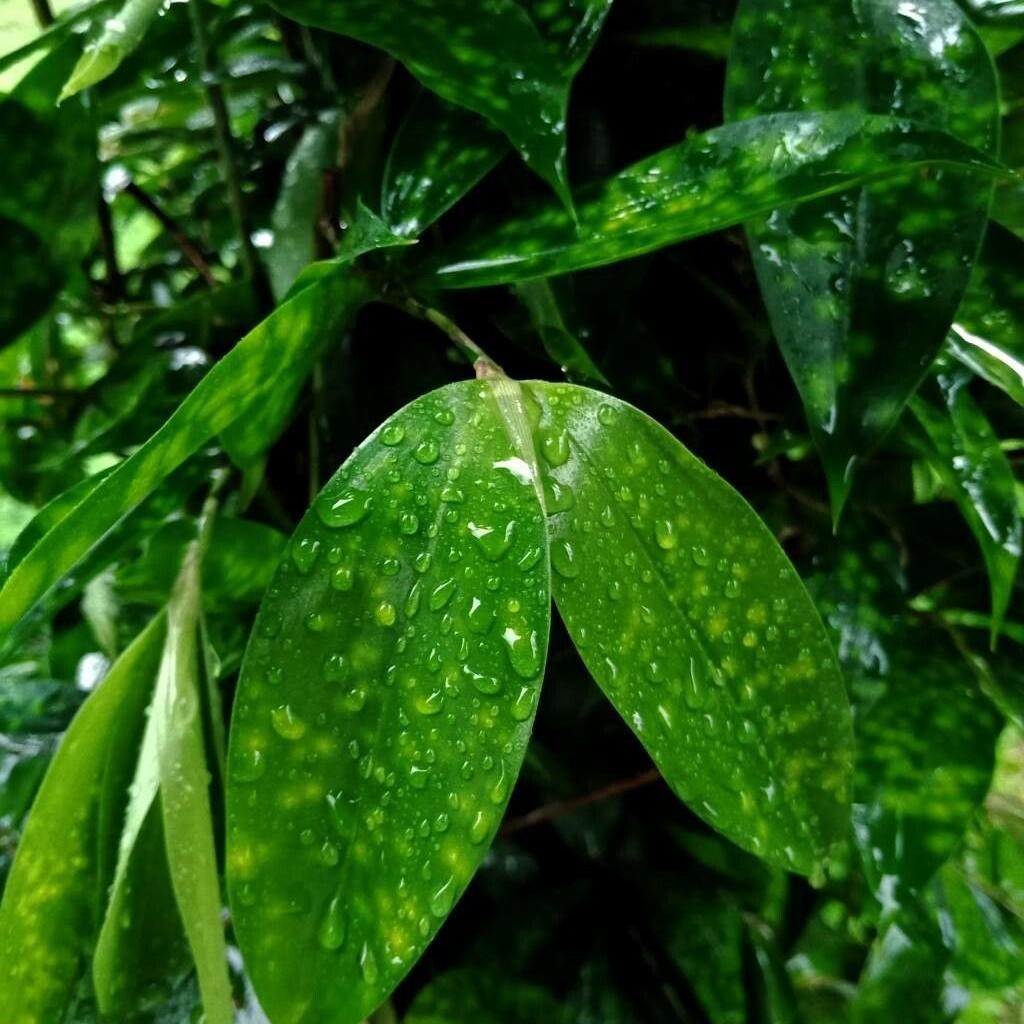
Gold Dust Dracaena
Dracaena surculosa 'Florida Beauty'
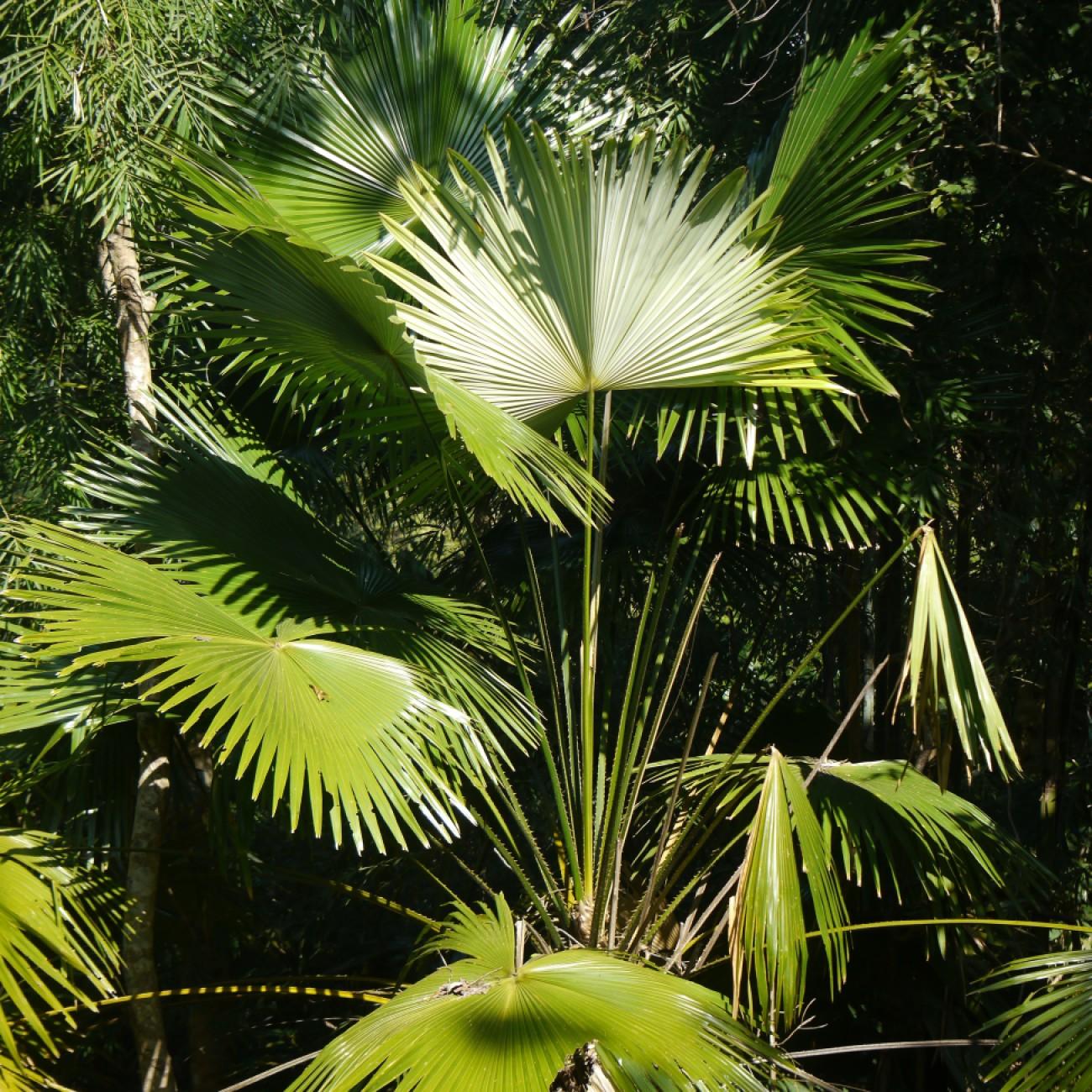
Fan Palm
Livistona chinensis
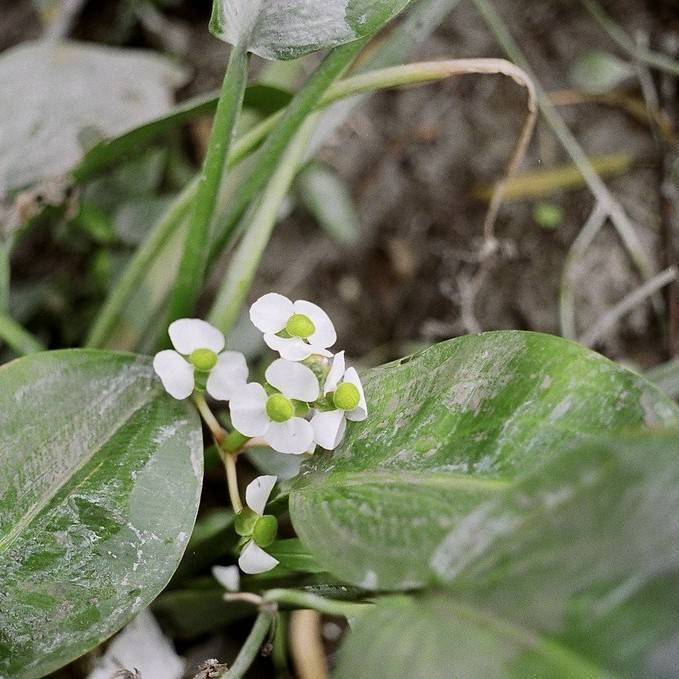
Arrowhead Plant
Syngonium podophyllum
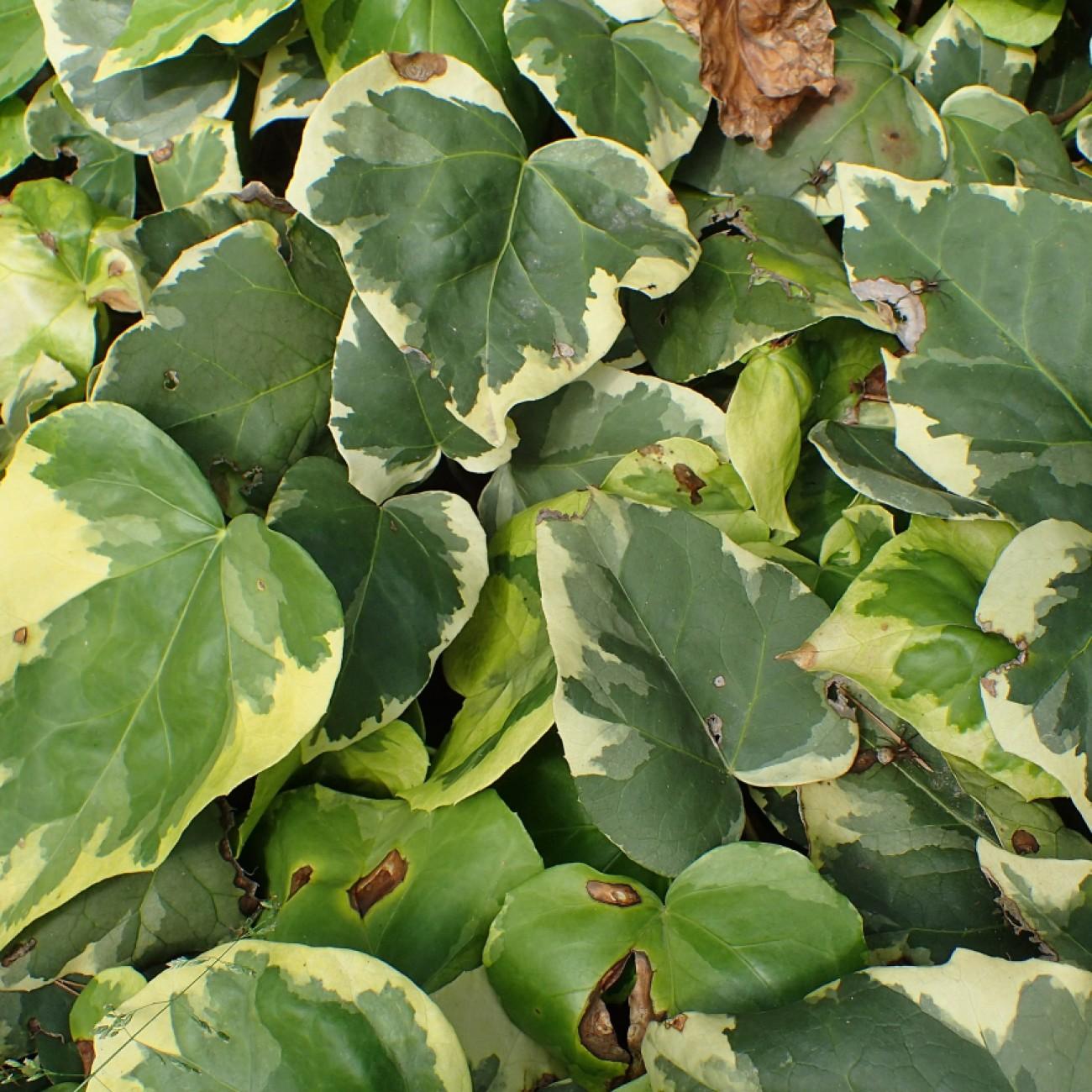
Bullock's Heart Ivy
Hedera helix 'Bullata'
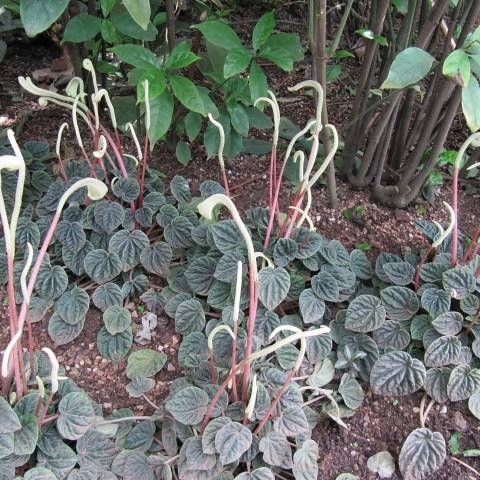
Emerald Ripple Pepper
Peperomia caperata 'Emerald Ripple'
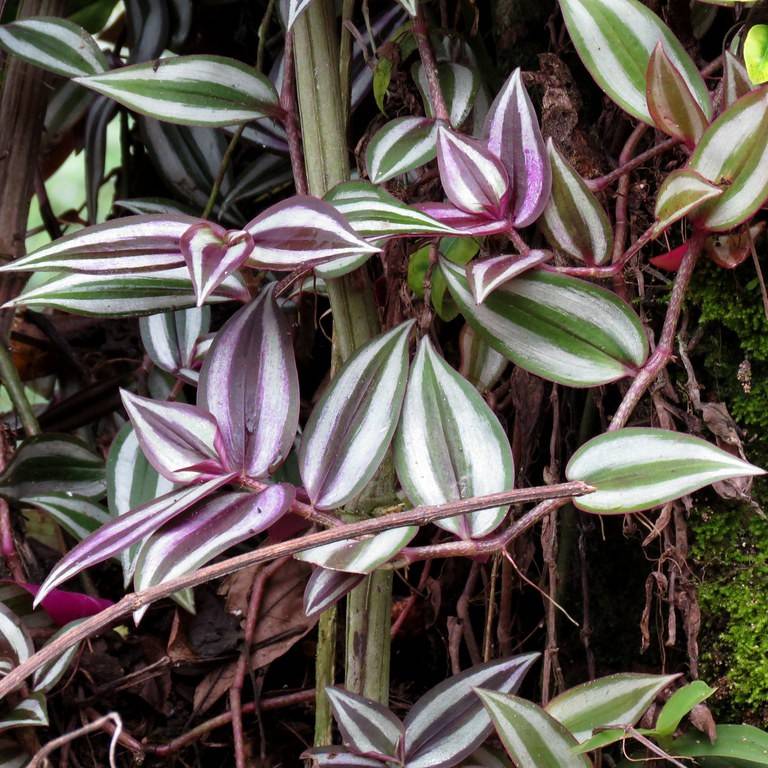
Inch Plant
Tradescantia zebrina
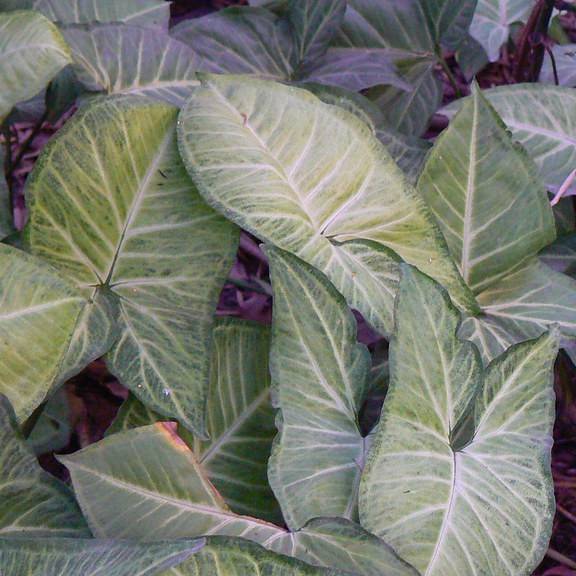
Arrowhead Plant
Syngonium podophyllum
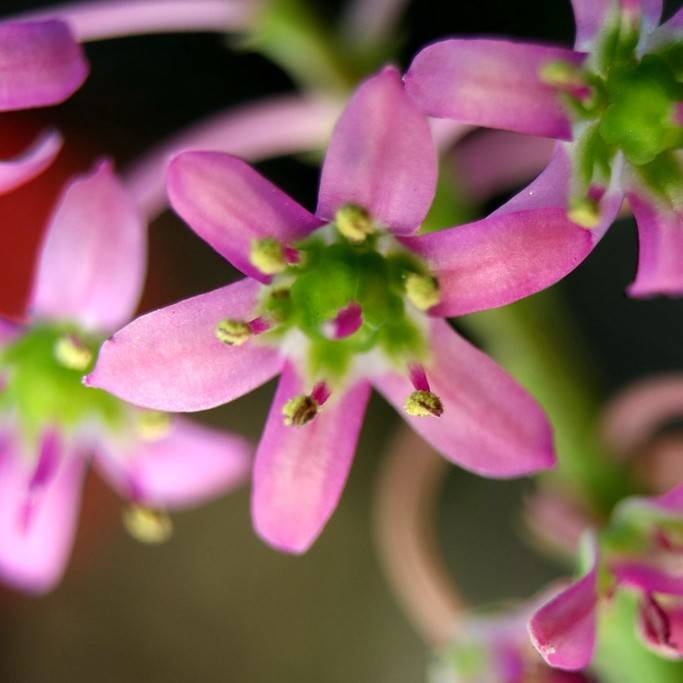
Cooper's African Hyacinth
Ledebouria cooperi