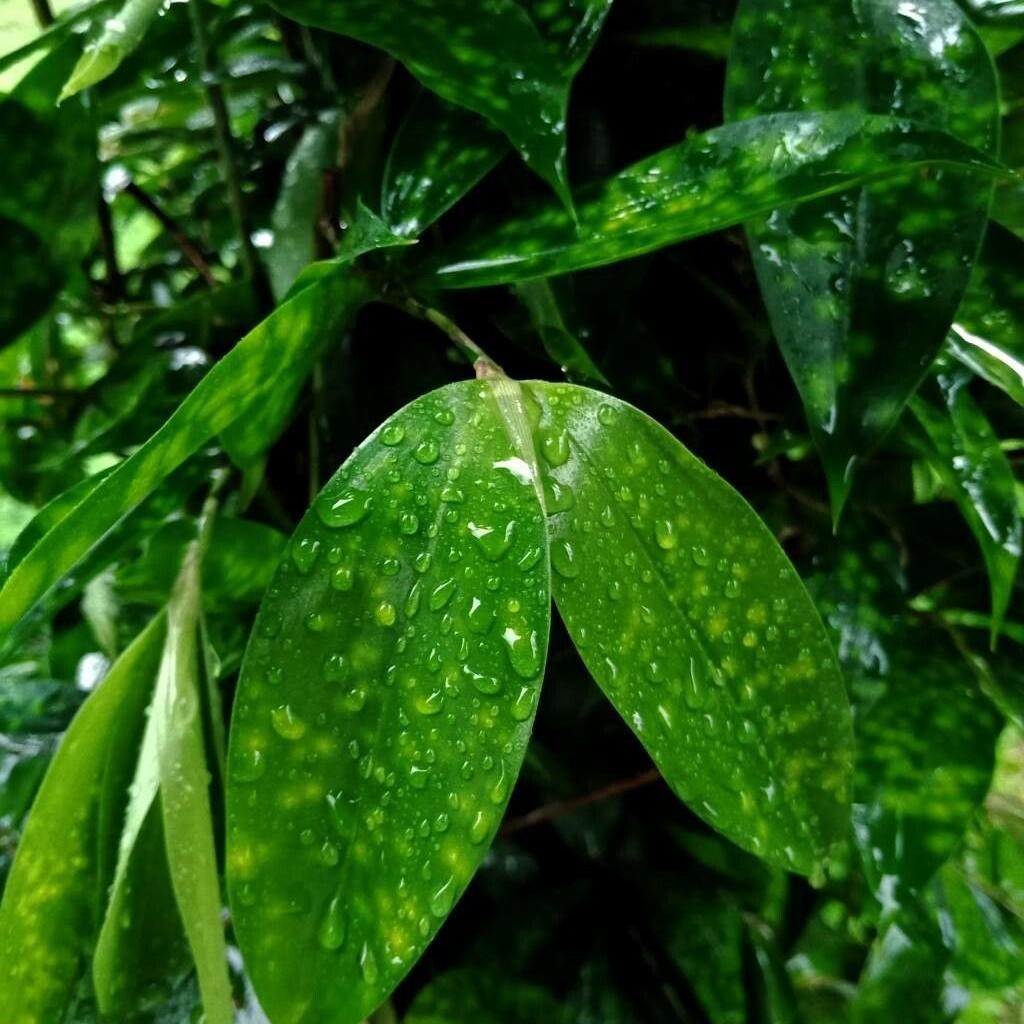
Gold Dust Dracaena
Dracaena surculosa 'Florida Beauty'
Overview
Gold Dust Dracaena, also called Spotted Dracaena, is a compact, slow-growing cultivar of Dracaena surculosa distinguished by its oval, pointed leaves dotted with irregular pale gold or cream splotches. Unlike taller dracaena varieties, it produces thin, branching stems that form a bushy, full habit over time, making it a popular choice for tabletops, shelves, or shaded corner accents. It is highly adaptable to indoor conditions and is recognized for its air-purifying properties, filtering formaldehyde, benzene, and trichloroethylene from ambient air.
Care Guide
Watering
Allow the top 1-2 inches of soil to dry out completely between waterings, roughly every 1-2 weeks depending on light and temperature. Avoid overwatering, as soggy soil can quickly lead to root rot; use lukewarm, filtered or distilled water to prevent leaf tip burn from fluoride and chlorine in tap water. Reduce watering frequency significantly in the winter months when plant growth slows.
Light
Thrives in bright, indirect light, such as that from a north or east-facing window, which supports vibrant variegation without scorching leaves. It can tolerate low light conditions, though variegation may fade and growth will slow considerably. Avoid direct, unfiltered sunlight, which will burn the delicate leaf surfaces and cause unsightly brown patches.
Soil
Requires a well-draining, loose potting mix with high organic content; a blend of standard houseplant soil, perlite, and orchid bark works well to balance moisture retention and aeration. The ideal soil pH is slightly acidic to neutral, between 6.0 and 7.0, to support optimal nutrient uptake. Avoid heavy, clay-based soils that hold excess moisture around the root system.
Fertilizer
Feed once a month during the active growing season (spring and summer) with a balanced, water-soluble houseplant fertilizer diluted to half the recommended strength. Do not fertilize in fall and winter, when the plant is dormant, as this can lead to salt buildup in the soil and burned leaf tips. Flush the soil every 3-4 months to remove accumulated fertilizer salts.
Temperature
Prefers consistent indoor temperatures between 65-80°F (18-27°C), which mimic its native tropical habitat. Avoid placing it near drafty windows, air conditioning vents, or heating sources, as sudden temperature fluctuations can cause leaf drop and stunted growth. It cannot tolerate temperatures below 55°F (13°C), which will cause permanent foliage damage.
Pruning
Prune as needed to maintain a compact, bushy shape, trimming back overgrown stems to just above a leaf node using sharp, sterilized pruning shears. Remove any yellow, brown, or damaged leaves at the base of the stem to improve air circulation and prevent disease spread. Trimming can be done at any time of year, though growth will recover fastest during the spring growing season.
Propagation
Easiest to propagate via stem cuttings taken in spring or early summer; cut a 4-6 inch section of healthy stem with at least 2-3 leaf nodes, allow the cut end to callous over for 1-2 days, then plant in moist, well-draining potting mix. Rooting hormone can be applied to the cut end to speed up root development, though it is not required. Keep cuttings in warm, bright indirect light with consistent light moisture until roots form in 4-6 weeks.
Humidity
Adaptable to average household humidity levels of 30-50%, though it benefits from occasional misting or placement on a pebble tray filled with water to boost humidity, especially in dry winter months. Signs of low humidity include brown, crispy leaf tips, which can be trimmed off to improve the plant’s appearance. Avoid placing it near dry heating vents that can rapidly deplete ambient moisture.
Repotting
Repot every 2-3 years in spring, or when roots begin to grow out of the drainage holes at the bottom of the pot. Choose a pot that is 1-2 inches larger in diameter than the current container, with adequate drainage holes to prevent waterlogging. After repotting, water lightly and avoid fertilizing for 4-6 weeks to allow new roots to establish without stress.
Uses & Symbolism
Primarily grown as a decorative indoor houseplant, valued for its attractive variegated foliage and ability to thrive in lower-light interior spaces, making it a popular choice for homes and offices. It is also included in NASA’s list of air-purifying plants, effective at removing common volatile organic compounds from indoor air. In its native tropical range, wild Dracaena surculosa is occasionally used in traditional medicine for its astringent properties, though cultivated ornamental varieties are not typically used for this purpose.
Diseases & Pests
Most common issues are related to overwatering, which causes root rot, yellowing leaves, and a sour smell from the soil; this can be prevented by allowing the soil to dry between waterings and using a well-draining mix. Common pests include spider mites, mealybugs, and scale insects, which can be treated with regular neem oil sprays, insecticidal soap, or wiped off with a damp cloth. Leaf tip burn is a frequent, non-infectious issue caused by tap water chemicals, excess fertilizer, or low humidity, and can be addressed by adjusting watering and humidity practices.
Related plants
Other plants you might like if you grow Gold Dust Dracaena.
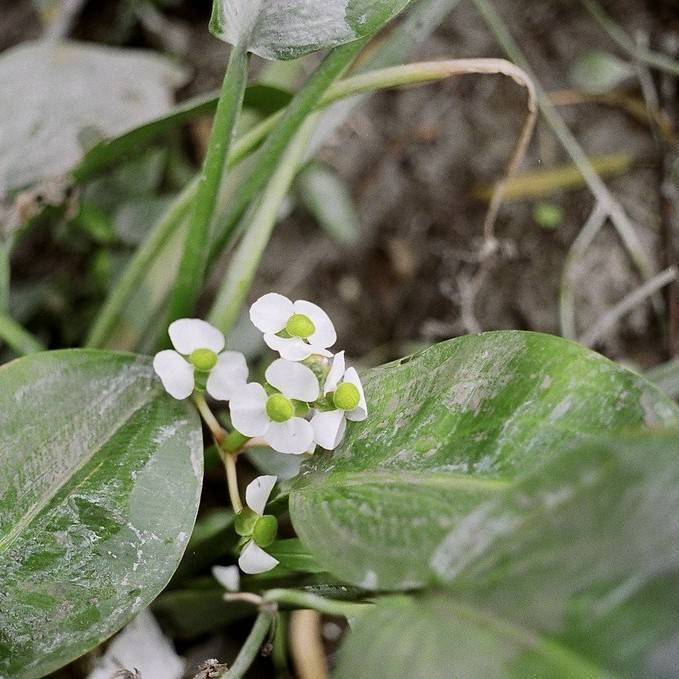
Arrowhead Plant
Syngonium podophyllum
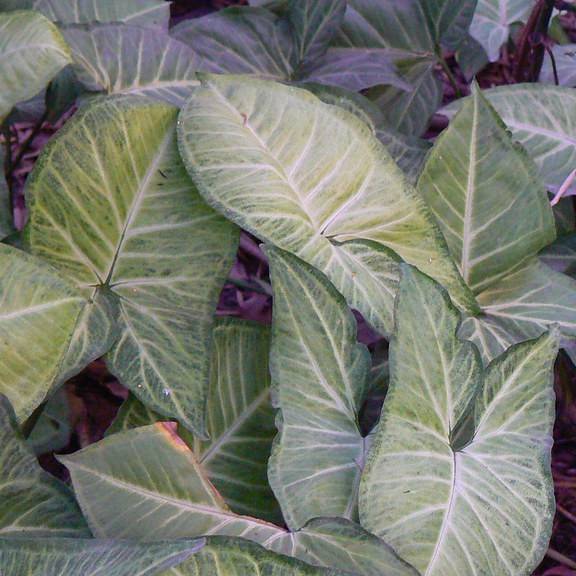
Arrowhead Plant
Syngonium podophyllum
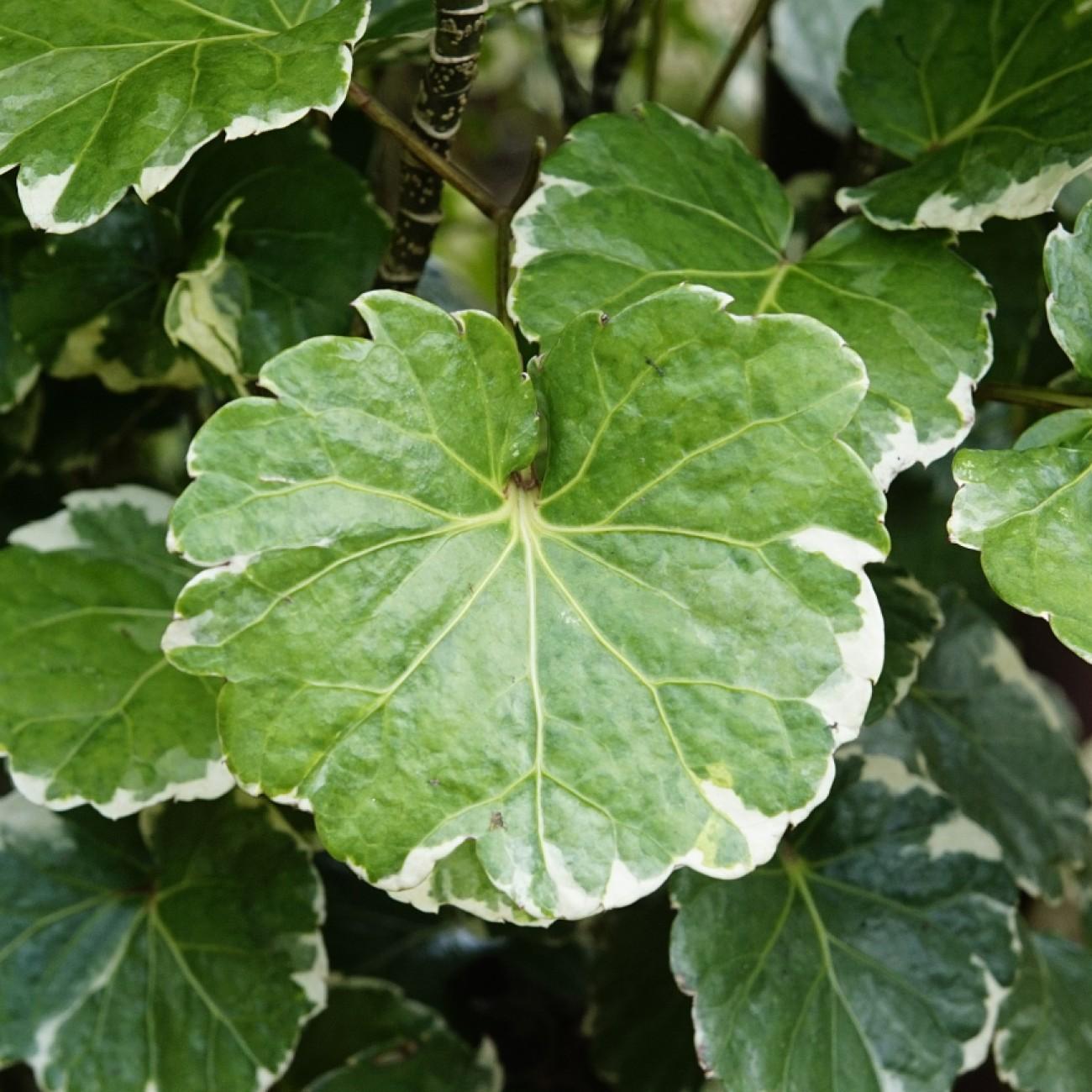
Balfour Aralia
Polyscias scutellaria 'Balfourii'
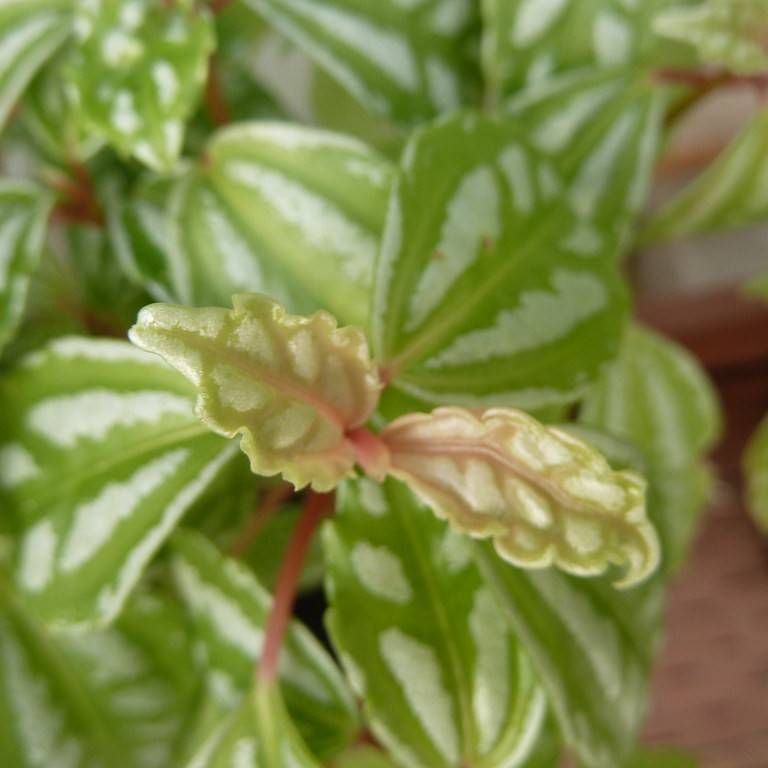
Aluminum Plant
Pilea cadierei
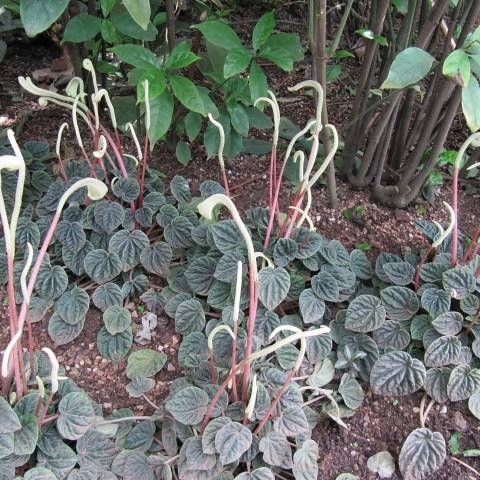
Emerald Ripple Pepper
Peperomia caperata 'Emerald Ripple'
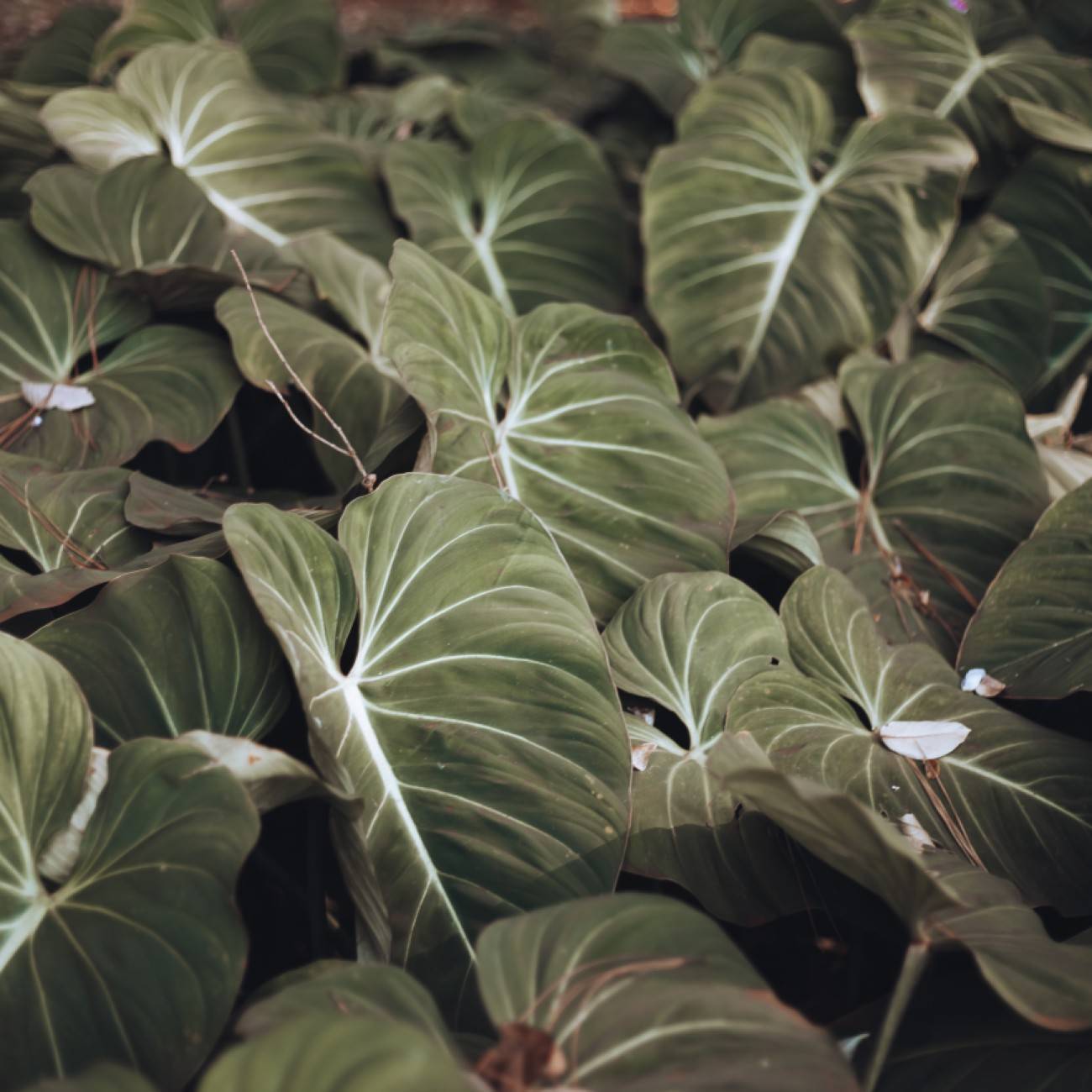
Hybrid Philodendron
Philodendron hybridum (group)
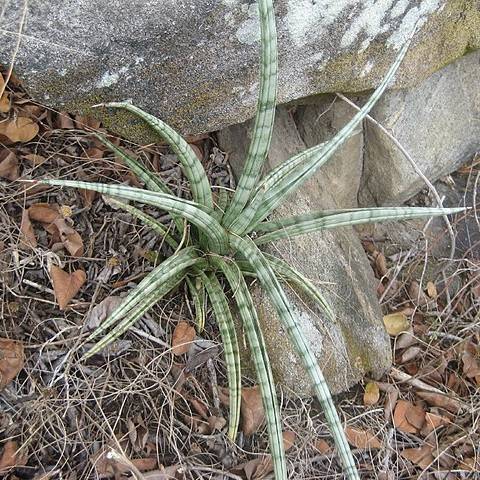
Bowstring Hemp
Sansevieria trifasciata (now reclassified as Dracaena trifasciata)
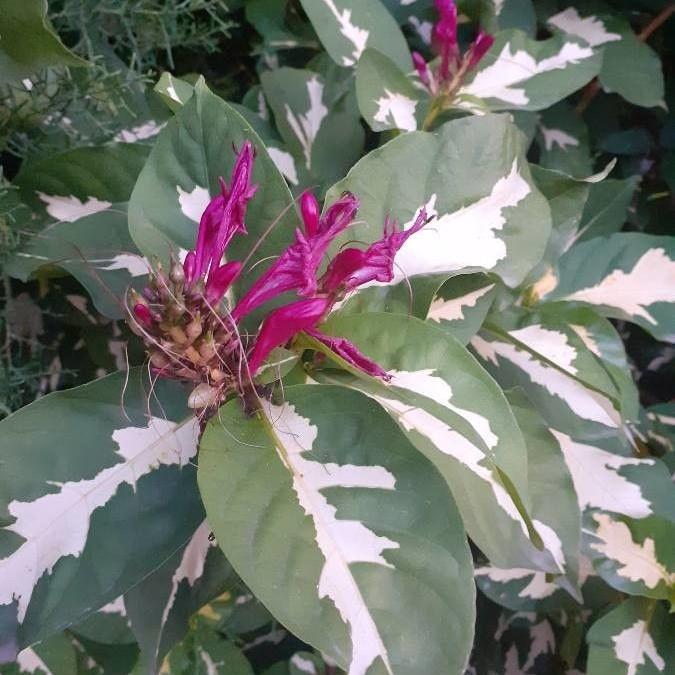
Caricature Plant
Graptophyllum pictum