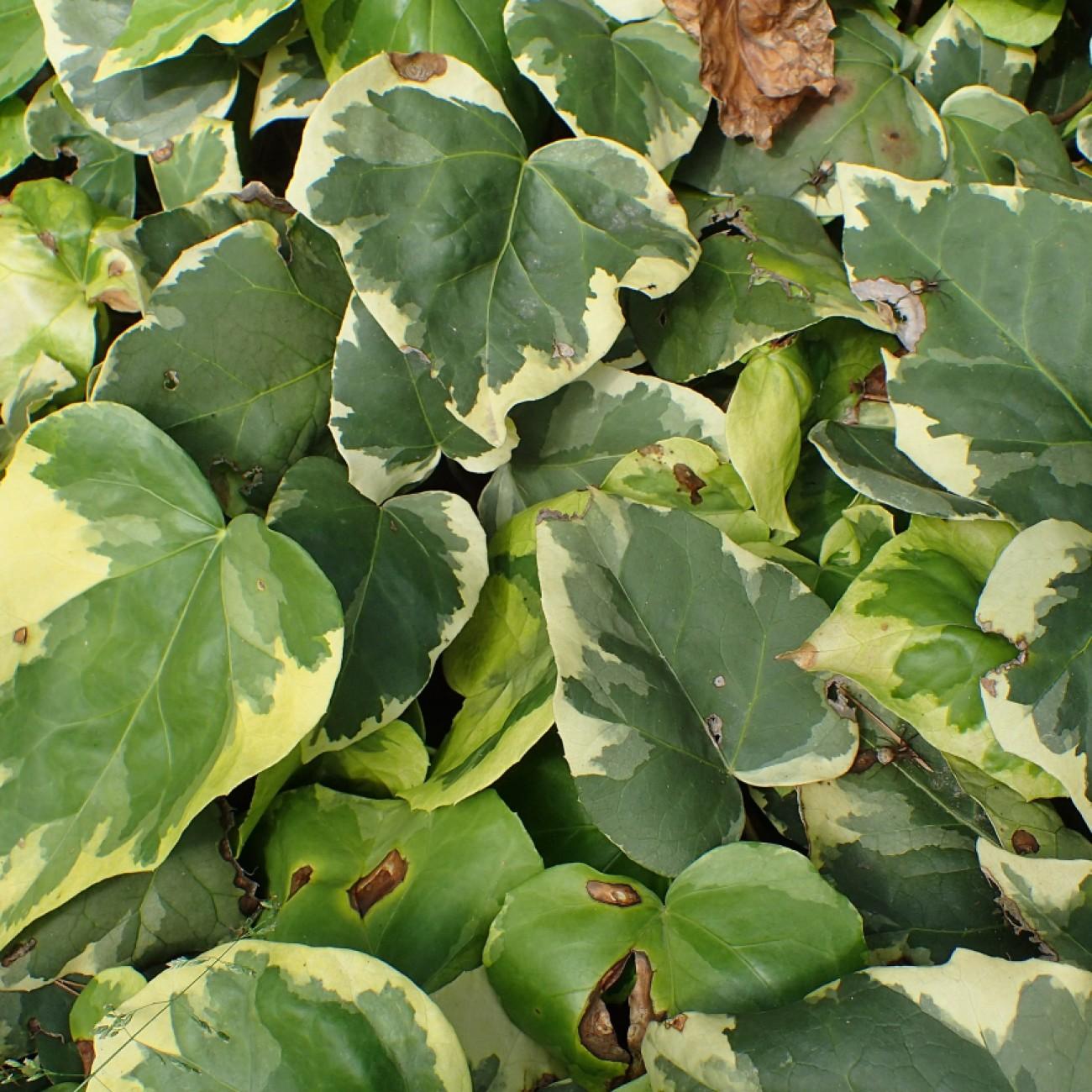
Bullock's Heart Ivy
Hedera helix 'Bullata'
Overview
Bullock's Heart Ivy is a popular evergreen cultivar of common English ivy, named for its unique, thick, deeply puckered, heart-shaped leaves that have a crinkled, bullate texture. It grows vigorously as a climber when provided support, or spreads as dense, low-growing ground cover in shaded outdoor areas. Widely cultivated for its ornamental foliage, it is a staple in hanging baskets, topiary projects, and shaded garden borders.
Care Guide
Watering
Water when the top 1-2 inches of soil feel dry to the touch, reducing frequency in winter when growth slows. Avoid overwatering, which can lead to root rot; ensure the pot has adequate drainage holes to prevent standing water. Outdoor plants are moderately drought tolerant once established, but benefit from occasional watering during prolonged dry spells.
Light
Thrives in partial to full shade, making it ideal for low-light indoor spaces and shaded garden areas. It can tolerate small amounts of indirect bright light, but prolonged direct sunlight will scorch its delicate leaves and cause browning along the edges. For indoor growth, position it near a north or east-facing window for gentle, filtered light.
Soil
Prefers well-draining, loamy soil with a slightly acidic to neutral pH between 5.5 and 7.0. A standard potting mix amended with perlite or orchid bark works well for container-grown specimens to improve drainage and aeration. Outdoor plants adapt to most average garden soils as long as they do not stay waterlogged for extended periods.
Fertilizer
Feed once a month during the spring and summer growing season with a balanced, water-soluble houseplant fertilizer diluted to half strength. Do not fertilize in fall and winter, when the plant enters a period of dormancy and new growth stops. Over-fertilization can cause leaf burn, excessive leggy growth, and salt buildup in the soil.
Temperature
Grows best in temperatures between 60-75°F (15-24°C), and can tolerate brief dips down to 20°F (-7°C) when planted outdoors in USDA hardiness zones 4-9. Indoor plants should be kept away from cold drafts from windows or doors, and away from hot, dry air from heating vents in winter. Extended exposure to temperatures above 85°F (29°C) can cause leaf wilting and stress.
Pruning
Prune in early spring before new growth emerges to control size, remove dead or yellowing leaves, and encourage bushier, more compact growth. Trim back long, leggy stems just above a leaf node to promote branching, and remove any stems that show signs of disease or pest damage to prevent spread. For topiary or trained climbing specimens, regular light trimming throughout the growing season will help maintain the desired shape.
Propagation
Easily propagated via stem cuttings taken in spring or summer, when the plant is actively growing. Cut a 4-6 inch section of healthy stem just below a leaf node, remove the lower leaves, and place the cutting in water or moist well-draining potting mix; roots will typically form in 2-4 weeks. Once roots are at least 1 inch long, transplant the cutting into its permanent pot or garden location.
Humidity
Tolerates average household humidity levels between 30-50%, but benefits from occasional misting if the air is particularly dry, especially during winter heating months. Brown leaf tips are a common sign of low humidity, which can be remedied by placing the pot on a tray filled with pebbles and water, or using a small humidifier nearby. Outdoor plants naturally get sufficient humidity from ambient environmental conditions.
Repotting
Repot young plants every 1-2 years in spring, moving to a pot one size larger than the current one when roots begin to grow out of the drainage holes. Mature plants only need repotting every 3-4 years, or when the soil becomes compacted and drains poorly. After repotting, water thoroughly and keep the plant in a shaded spot for a few days to allow it to acclimate to its new container.
Uses & Symbolism
Primarily grown as an ornamental plant, used indoors in hanging baskets, trailing shelf displays, and topiary projects, and outdoors as ground cover for shaded areas, climbing wall coverings, or erosion control on slopes. It is also commonly used in cut floral arrangements for its unique textured foliage, which lasts for weeks in vases. In traditional folk medicine, ivy extracts have been used to treat respiratory conditions, though consumption is not recommended due to its toxicity.
Diseases & Pests
Most commonly affected by aphids, spider mites, and mealybugs, which feed on the sap of the leaves and stems; infestations can be treated with neem oil or insecticidal soap, and regular wiping of leaves helps prevent pest buildup. Root rot is a common fungal issue caused by overwatering or poorly draining soil, identifiable by yellowing wilting leaves and soft, mushy stems. Bacterial leaf spot can also occur in overly humid conditions, presenting as brown or black spots on foliage; affected leaves should be removed immediately, and the plant should be placed in a better-ventilated area to reduce moisture on leaves.
Related plants
Other plants you might like if you grow Bullock's Heart Ivy.
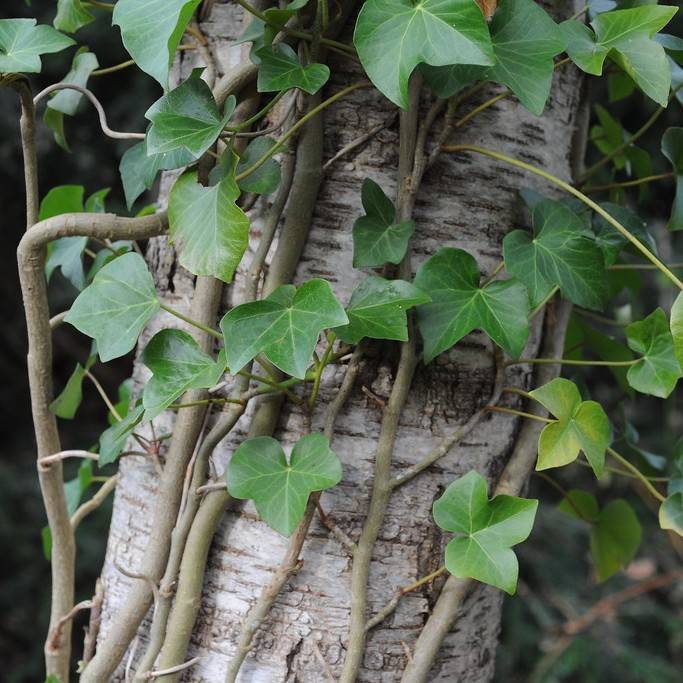
English Ivy
Hedera helix
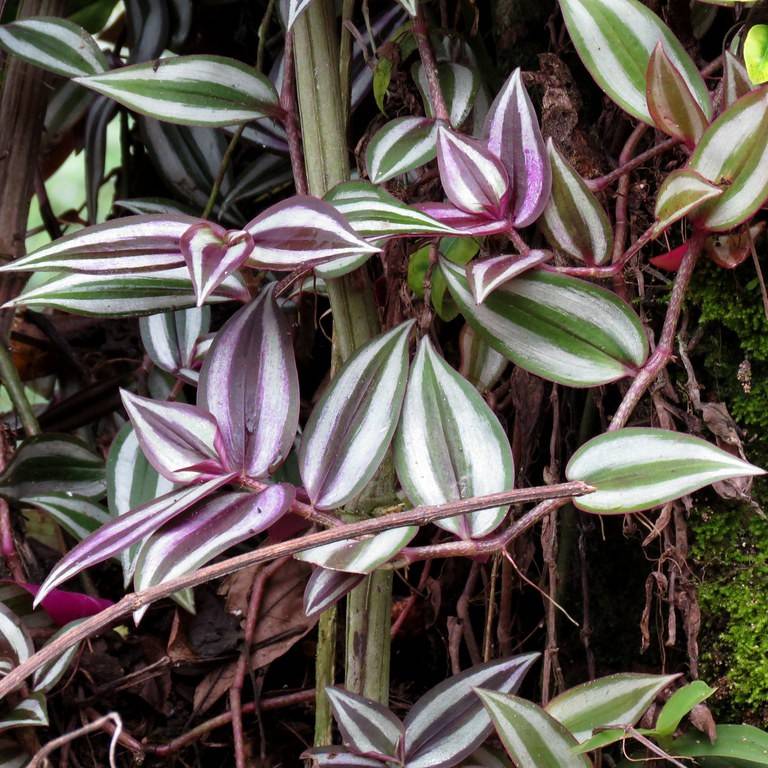
Inch Plant
Tradescantia zebrina
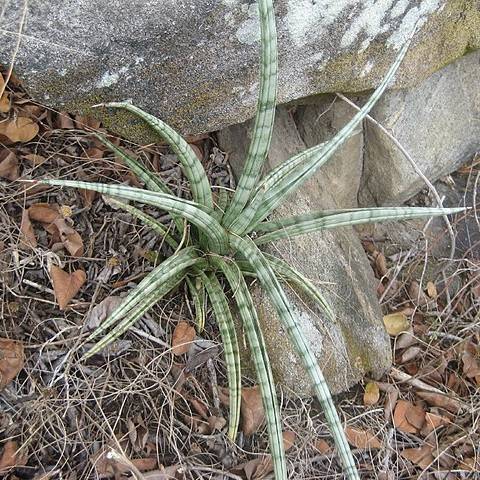
Bowstring Hemp
Sansevieria trifasciata (now reclassified as Dracaena trifasciata)
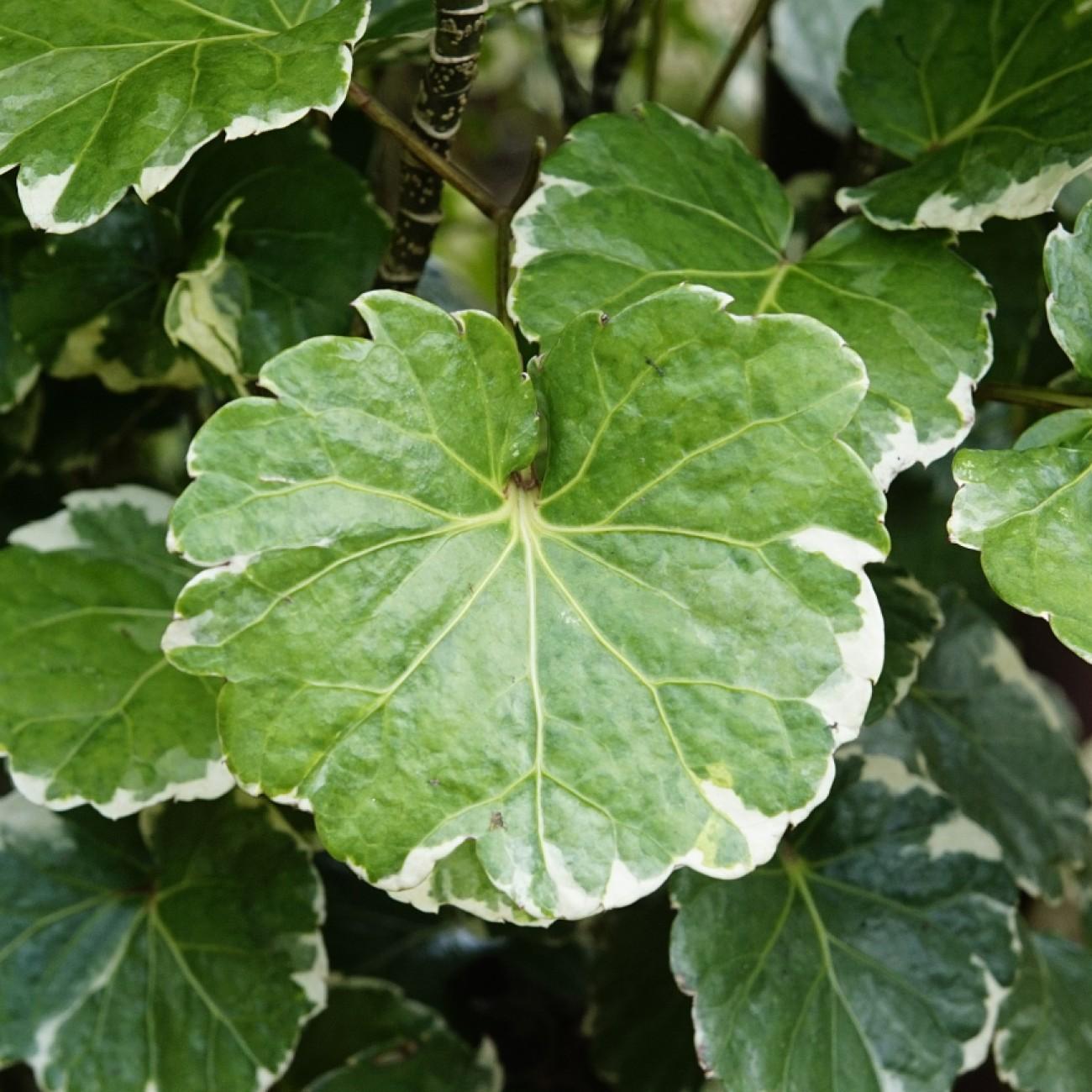
Balfour Aralia
Polyscias scutellaria 'Balfourii'
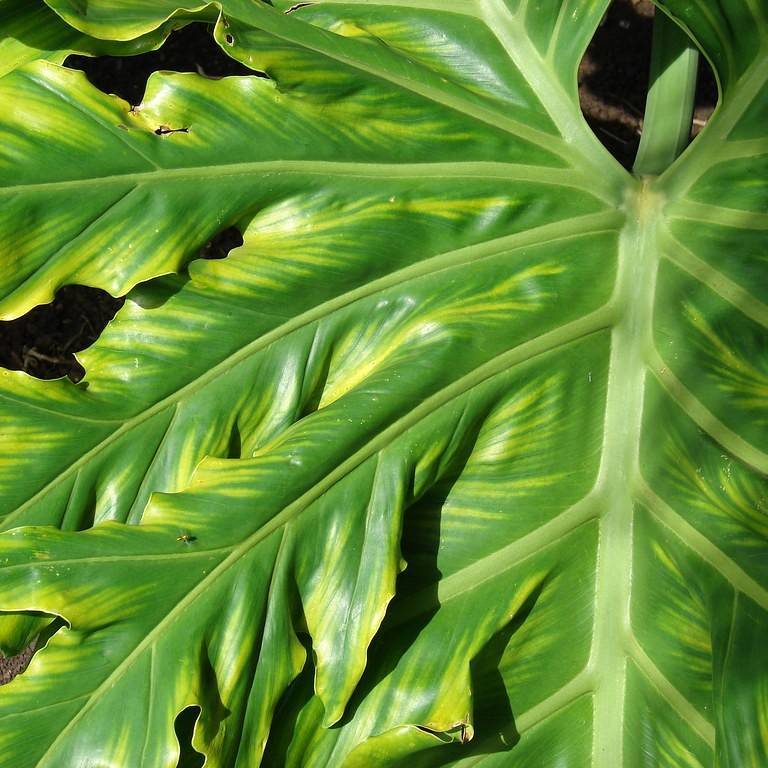
Horsehead Philodendron
Philodendron bipennifolium
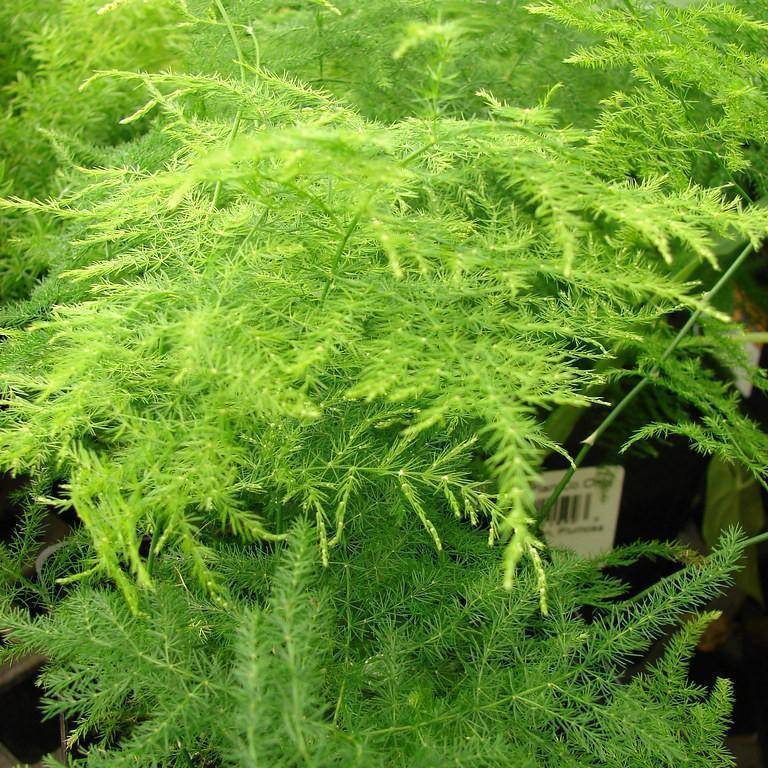
asparagus fern
Asparagus setaceus
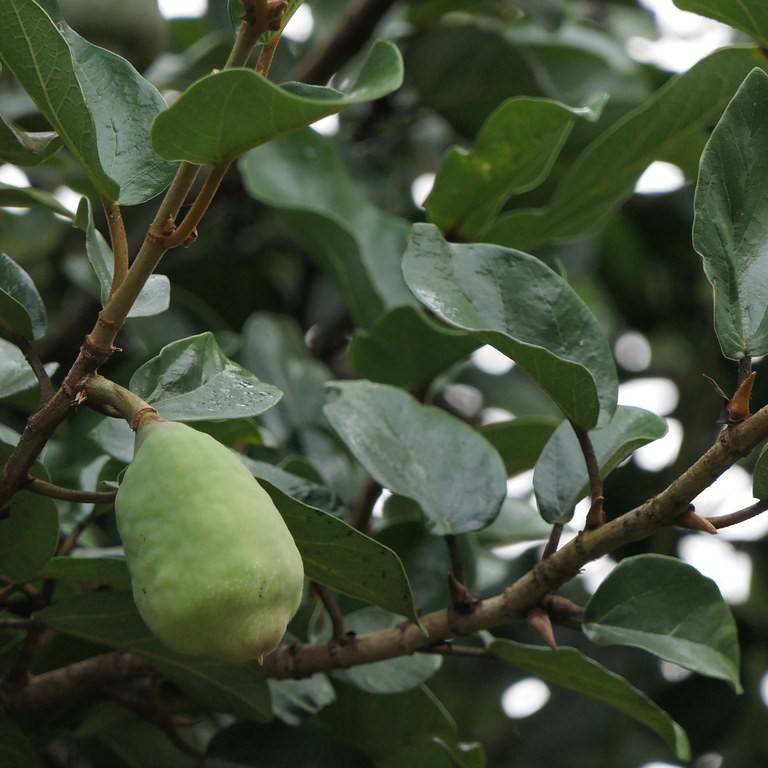
climbing fig
Ficus pumila
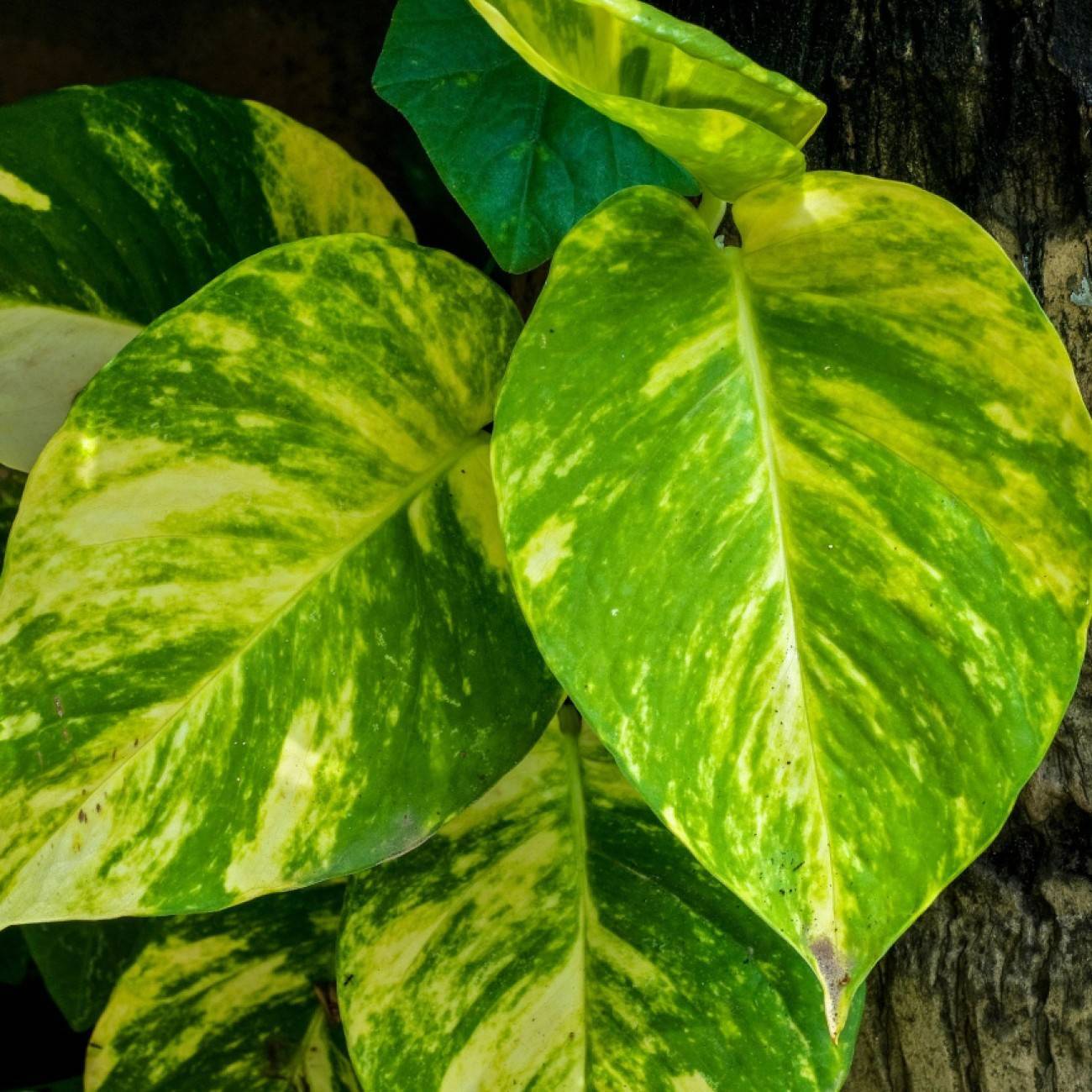
golden pothos
Epipremnum aureum