Incarvillea
Incarvillea delavayi
Overview
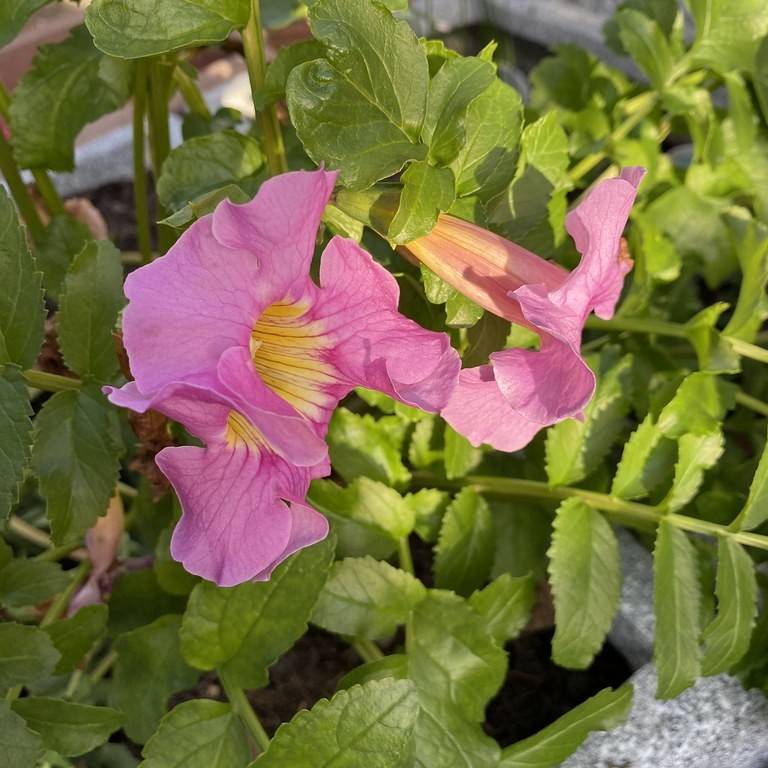
Incarvillea, commonly called hardy gloxinia, produces large, ruffled, rose-pink trumpet flowers with yellow throats that bloom in late spring to early summer, rising above fern-like, glossy green foliage. Unlike true gloxinia, it is cold-hardy to USDA zone 5, dying back to underground tubers each winter before reemerging in spring. It is named for 18th-century French missionary and botanist Pierre Nicolas le Chéron d'Incarville, who documented flora in China.
Care Guide
Watering
Water regularly during the growing season to keep soil consistently moist but not waterlogged, as soggy conditions can cause tuber rot. Reduce watering gradually as foliage dies back in fall, and keep soil mostly dry during the winter dormant period to protect overwintering tubers.
Light
Grow best in partial shade, especially in regions with hot summer afternoons, as direct midday sun can scorch delicate foliage and reduce flowering. It can tolerate full sun in cooler, milder climates as long as soil moisture remains consistent.
Soil
Requires well-drained, fertile, loamy soil with a neutral to slightly acidic pH between 6.0 and 7.0. Amend heavy clay soils with compost, peat moss, or coarse sand to improve drainage and prevent tuber rot during wet winters.
Fertilizer
Feed in early spring as new growth emerges with a balanced, slow-release granular fertilizer formulated for flowering perennials, following package dosage instructions. Avoid overfertilizing, which can promote excessive foliage growth at the expense of blooms, and do not apply fertilizer after mid-summer.
Temperature
Thrives in temperate climates with average summer temperatures between 60-75°F (15-24°C), and is winter hardy down to -20°F (-29°C) when tubers are planted deeply and soil is well-drained. In areas with extremely cold, wet winters, apply a 2-3 inch layer of mulch over the root zone in fall to insulate tubers from freeze-thaw cycles.
Pruning
Remove spent flower stalks after blooming to encourage a potential second flush of smaller flowers later in the season, and to prevent the plant from expending energy on seed production. Cut back yellowing, dying foliage to the ground in late fall once it has fully died back, to keep the planting area tidy and reduce overwintering pest habitat.
Propagation
Most commonly propagated by dividing mature tubers in early spring before new growth begins, carefully separating tubers and ensuring each division has at least one visible growth bud. It can also be grown from seed sown in fall or stratified for 4-6 weeks before sowing in spring, though seed-grown plants typically take 2-3 years to reach flowering maturity.
Humidity
Adaptable to average outdoor humidity levels between 40-60%, typical of temperate garden environments. It does not require extra humidity, but consistent soil moisture is more critical than air humidity for healthy growth and flowering.
Repotting
Container-grown Incarvillea should be repotted every 2-3 years in early spring before new growth emerges, using fresh, well-drained potting mix and moving to a slightly larger container if roots have filled the existing pot. Ensure containers have adequate drainage holes, and elevate pots slightly in winter to prevent standing water from collecting around the base and causing tuber rot.
Uses & Symbolism
Widely planted in shaded borders, woodland gardens, and cottage gardens for its showy, trumpet-shaped blooms that add a tropical flair to temperate landscapes, and it makes an excellent cut flower with a long vase life. It is also planted as a pollinator-friendly plant, attracting bees, hummingbirds, and butterflies to the garden with its nectar-rich flowers.
Diseases & Pests
The most common issue is tuber rot, caused by poorly drained soil or overwatering, especially during the winter dormant period. It may also be susceptible to aphid infestations on new spring growth, and slugs and snails may feed on young, tender foliage in damp, shaded conditions.
Related plants
Other plants you might like if you grow Incarvillea.
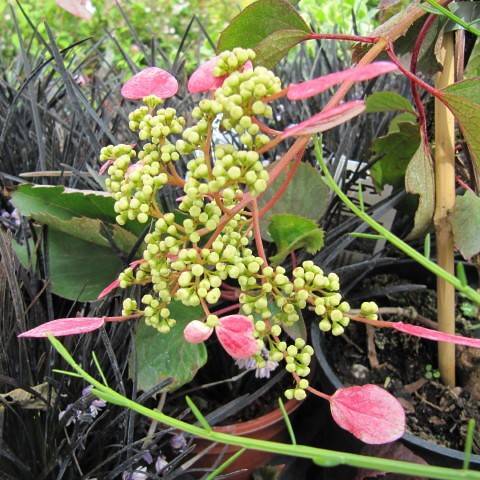
Japanese Hydrangea Vine
Schizophragma hydrangeoides
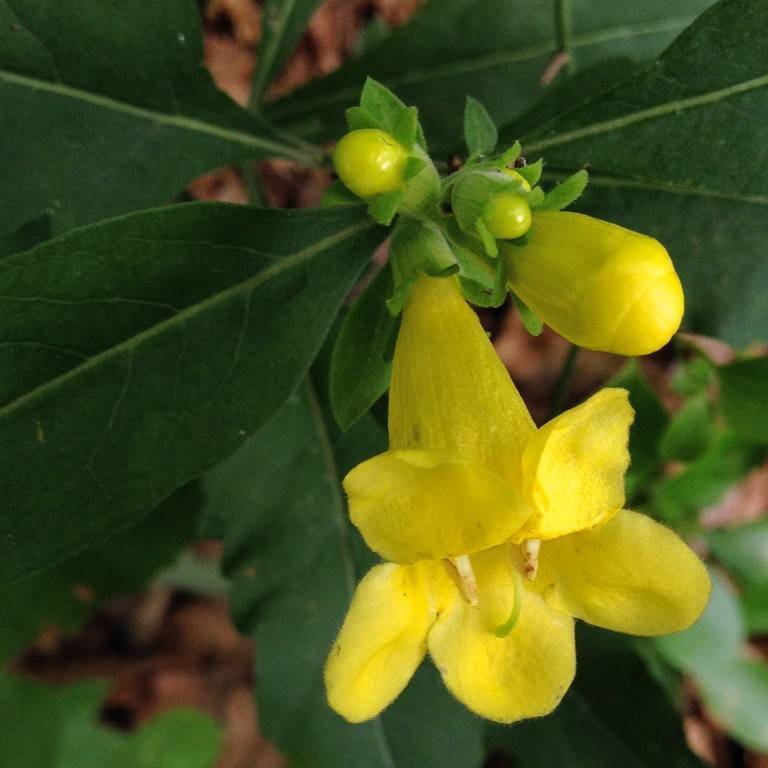
Downy False Foxglove
Aureolaria virginica
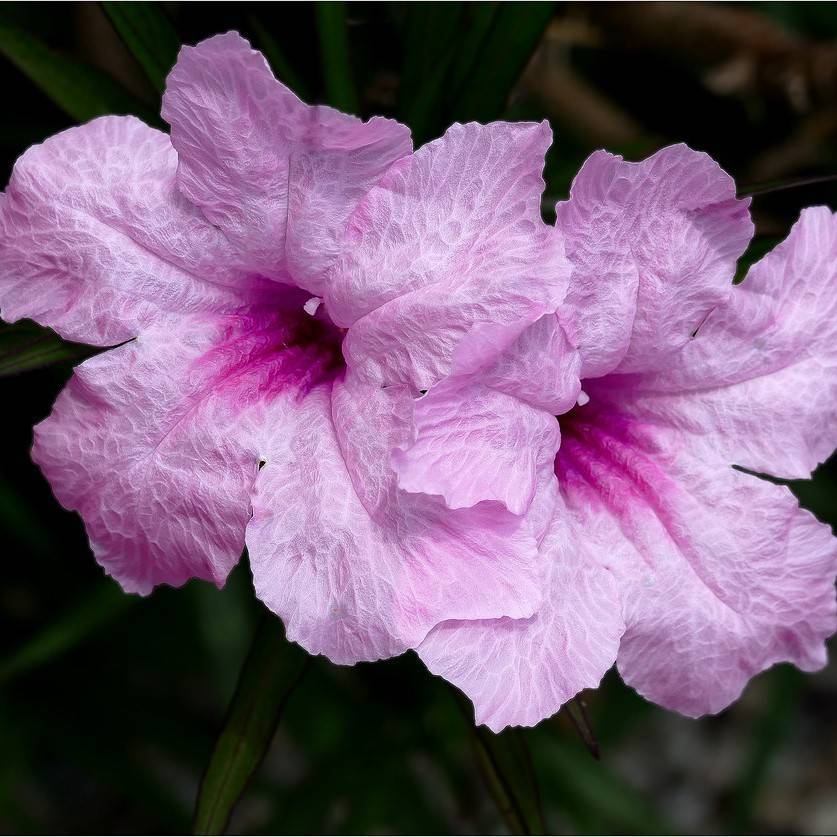
Dwarf Ruellia
Ruellia simplex 'Katie'
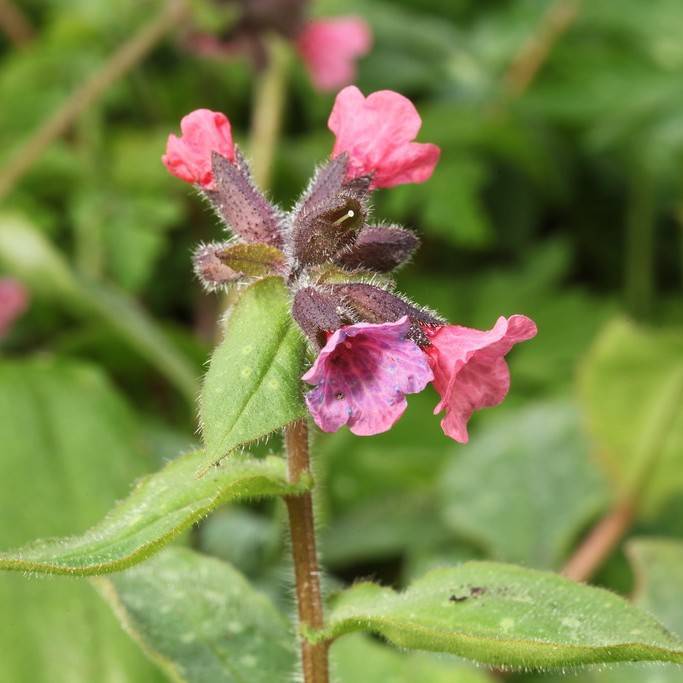
Common Lungwort
Pulmonaria officinalis
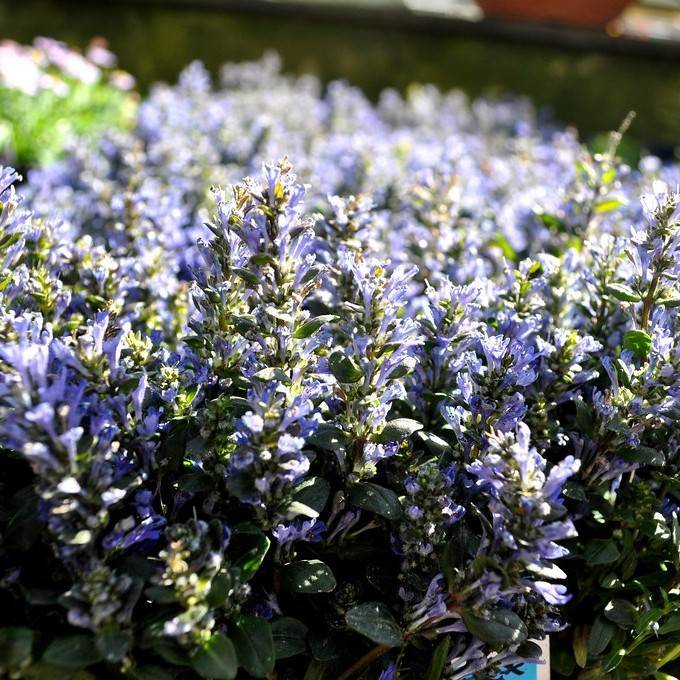
Chocolate Chip Carpet Bugle
Ajuga reptans 'Chocolate Chip'
%22%2F%3E%0A%20%20%20%20%20%20%3Ccircle%20cx%3D%22920%22%20cy%3D%22180%22%20r%3D%2290%22%20fill%3D%22%23cfe8d5%22%2F%3E%0A%20%20%20%20%20%20%3Cpath%20d%3D%22M600%20590c-90-180-215-255-310-280%200%20165%20118%20296%20270%20296h40z%22%20fill%3D%22%2379b88e%22%2F%3E%0A%20%20%20%20%20%20%3Cpath%20d%3D%22M600%20590c80-150%20198-212%20302-228-8%20142-123%20255-270%20255h-32z%22%20fill%3D%22%235c9f73%22%2F%3E%0A%20%20%20%20%20%20%3Cpath%20d%3D%22M600%20610V360%22%20stroke%3D%22%234f8c64%22%20stroke-width%3D%2218%22%20stroke-linecap%3D%22round%22%2F%3E%0A%20%20%20%20%20%20%3Ctext%20x%3D%22600%22%20y%3D%22700%22%20text-anchor%3D%22middle%22%20font-family%3D%22Arial%2C%20sans-serif%22%20font-size%3D%2244%22%20fill%3D%22%23365c45%22%3E%0A%20%20%20%20%20%20%20%20Plant%20image%20coming%20soon%0A%20%20%20%20%20%20%3C%2Ftext%3E%0A%20%20%20%20%3C%2Fsvg%3E%0A%20%20)
Japanese Sweetspire
Itea japonica
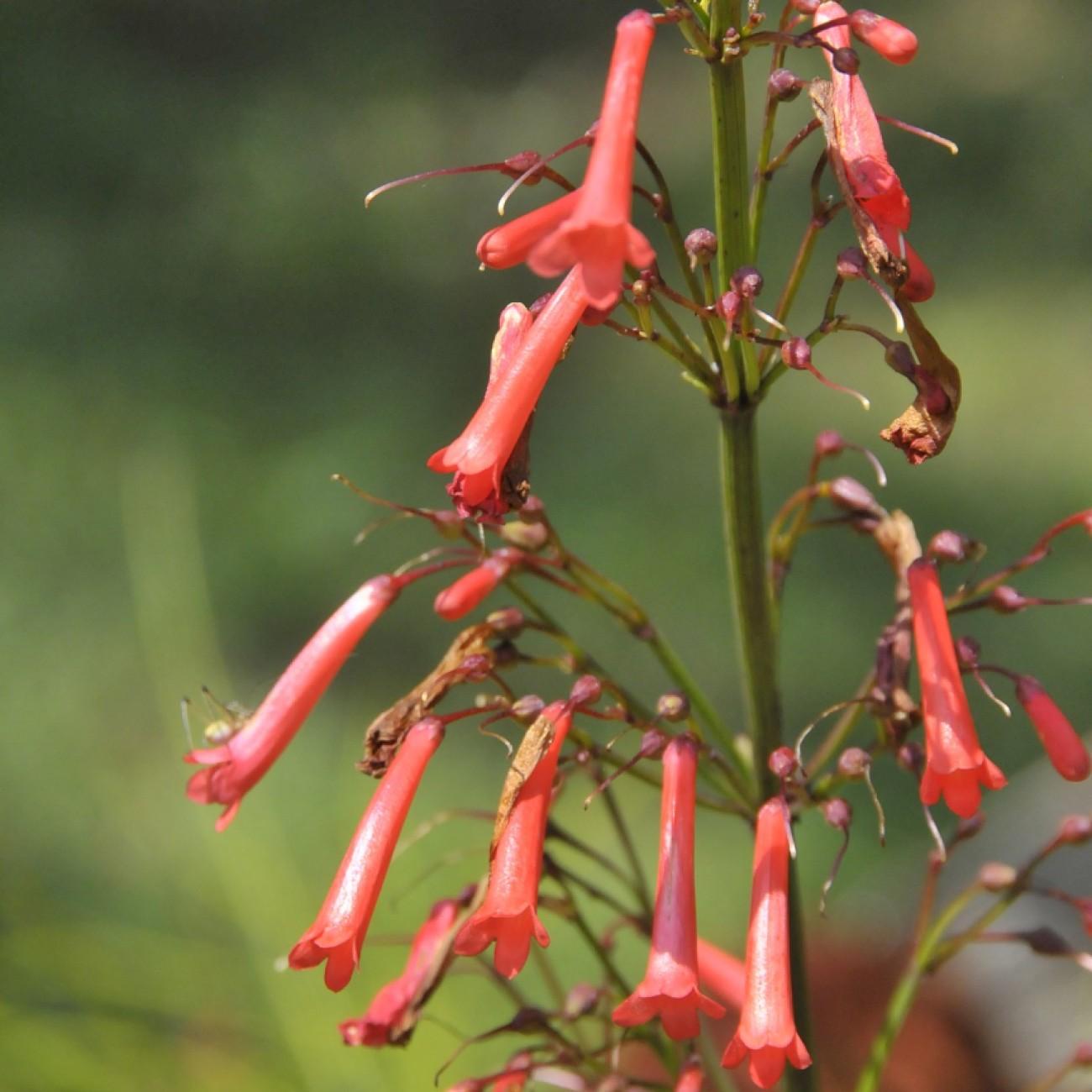
Cape Fuchsia
Phygelius capensis
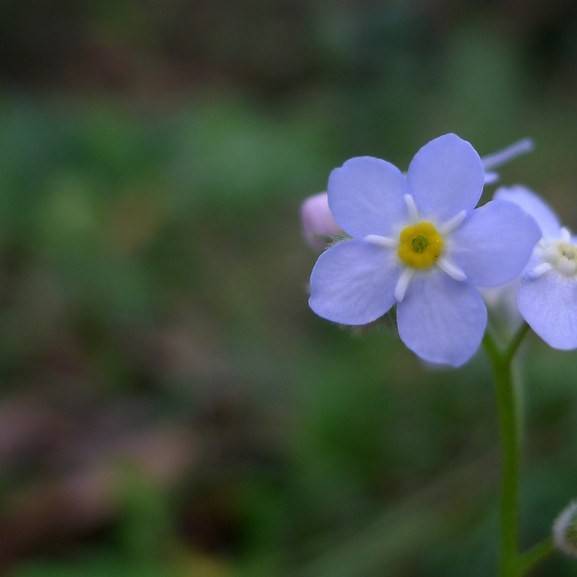
Forget Me Not
Myosotis sylvatica