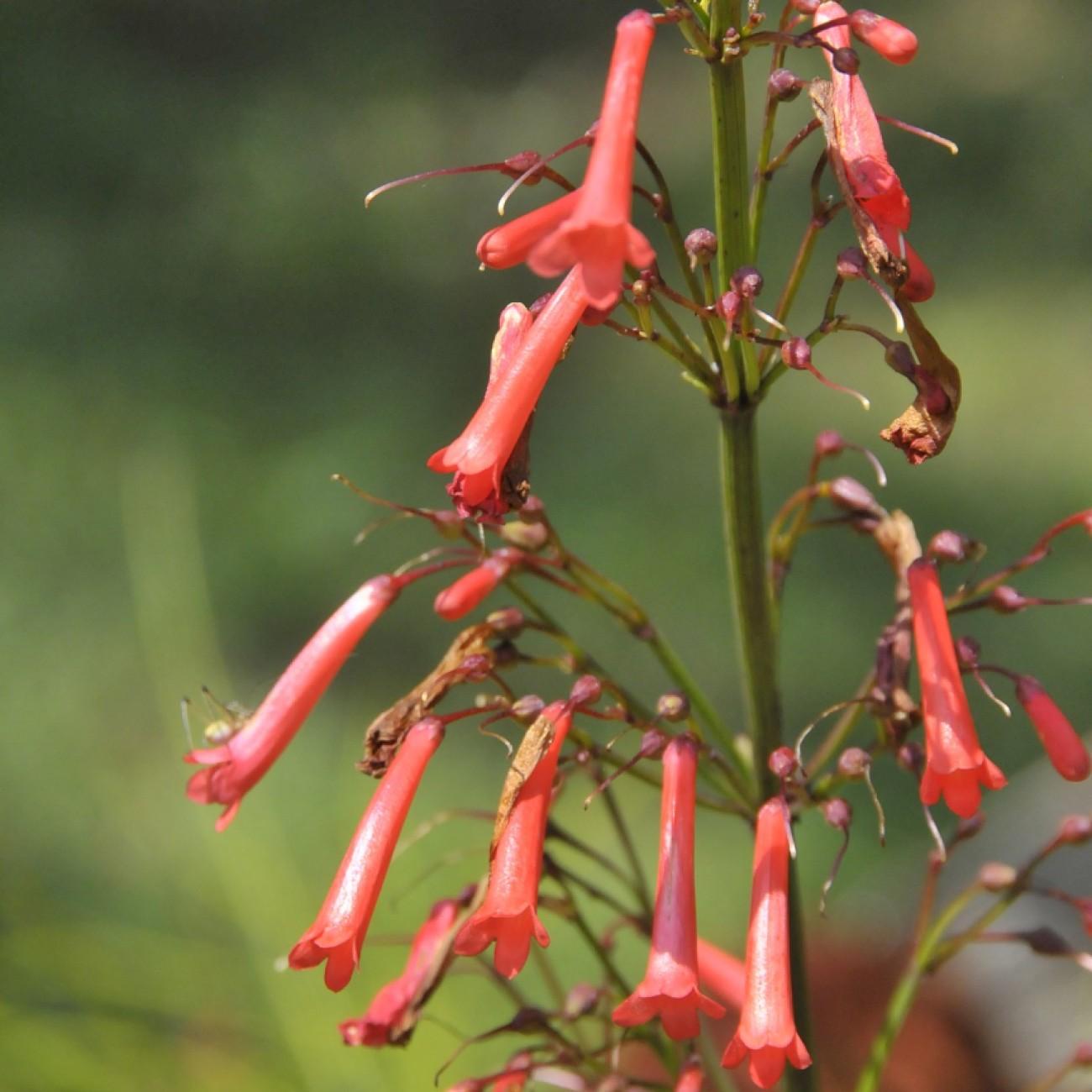
Cape Fuchsia
Phygelius capensis
Overview
Cape Fuchsia is a semi-evergreen perennial prized for its profusion of drooping, tubular flowers that range in color from coral, orange, and red to yellow and pale pink, with characteristic flared, pointed lobes at the tip. Though not a true fuchsia, its bloom shape and dangling growth habit inspired its common name, and it is widely cultivated in temperate gardens for its extended flowering period from early summer to first frost. In its native South African habitat, it grows on grassy slopes and rocky outcrops, adapting well to both garden beds and large container plantings.
Care Guide
Watering
Water Cape Fuchsia regularly during its first growing season to establish a deep, extensive root system, keeping soil consistently moist but not waterlogged. Once established, it is moderately drought-tolerant, requiring supplemental water only during prolonged dry spells, as overwatering can lead to root rot. Reduce watering frequency in late fall and winter when the plant enters dormancy, allowing the top 2 inches of soil to dry out between waterings.
Light
Cape Fuchsia thrives in full sun, which encourages the most abundant and vibrant flowering, requiring a minimum of 6 hours of direct sunlight daily. It can tolerate partial shade, especially in regions with intense midday summer heat, but excessive shade will cause leggy growth and reduced bloom production. When grown as a houseplant, place it in a south or west-facing window with bright, direct light for most of the day.
Soil
This adaptable plant grows best in fertile, well-drained loamy or sandy soil with a neutral to slightly acidic pH range of 6.0 to 7.0. It can tolerate poor, rocky soils as long as drainage is adequate, as it is highly susceptible to root rot in heavy, water-retentive clay soils. For container plantings, use a high-quality general-purpose potting mix amended with perlite or coarse sand to improve drainage.
Fertilizer
Feed Cape Fuchsia with a balanced, slow-release granular fertilizer in early spring just as new growth emerges, to support healthy foliage and bloom development throughout the growing season. For potted specimens, apply a diluted liquid balanced fertilizer every 4 to 6 weeks during active growth, as nutrients leach more quickly from container soil. Avoid over-fertilizing, especially with high-nitrogen formulas, as this will promote excessive leaf growth at the expense of flowers.
Temperature
Cape Fuchsia grows best in temperatures between 60°F and 85°F (15°C to 29°C) during its active growing season, and can tolerate brief dips down to 15°F (-9°C) when planted in the ground in USDA hardiness zones 7 to 9. In regions with colder winters, mulch heavily around the base of the plant in late fall to insulate the root system, or grow it in a container that can be moved indoors to a cool, frost-free location for winter. It is highly heat-tolerant, thriving even in summer temperatures above 90°F (32°C) as long as it receives adequate moisture.
Pruning
Prune Cape Fuchsia back hard in late winter or early spring, cutting stems down to 6 to 12 inches above the soil line to encourage bushy, compact new growth and abundant flowering. Deadhead spent blooms regularly throughout the flowering season to promote continuous bloom production and prevent the plant from expending energy on seed development. Remove any dead, damaged, or crossing stems at any time of year to improve air circulation and reduce the risk of fungal disease.
Propagation
Cape Fuchsia is most commonly propagated from softwood cuttings taken in late spring or early summer, using 3 to 4 inch stem tips with lower leaves removed, dipped in rooting hormone and placed in moist, well-drained propagation mix under indirect light. It can also be grown from seed sown indoors 8 to 10 weeks before the last expected frost date, though seed-grown plants may not retain the exact flower color of the parent plant. Division of established clumps can be done in early spring, carefully separating the root ball into smaller sections and replanting immediately at the same depth as the original plant.
Humidity
Cape Fuchsia tolerates a wide range of humidity levels, growing well in average garden humidity between 40% and 60% without additional intervention. It can handle low humidity levels common in indoor growing environments, though very dry air may cause leaf tip browning if paired with insufficient watering. Avoid misting the foliage excessively, as prolonged moisture on leaves can increase the risk of fungal diseases.
Repotting
Container-grown Cape Fuchsia should be repotted every 2 to 3 years in early spring before new growth begins, moving it to a pot one size larger than its current container to accommodate its expanding root system. When repotting, gently loosen tangled roots and replace old potting mix with fresh, well-drained mix amended with compost to boost nutrient content. Ensure the new pot has adequate drainage holes to prevent waterlogging, and avoid planting it deeper than it was in its previous container to prevent stem rot.
Uses & Symbolism
Cape Fuchsia is a popular ornamental plant used in mixed garden borders, cottage gardens, pollinator gardens, and large container displays, where its vibrant tubular flowers attract hummingbirds, bees, and butterflies throughout the growing season. Its long, sturdy stems make it suitable as a cut flower, with blooms lasting up to a week in floral arrangements. In coastal regions, it is valued for its moderate salt tolerance, making it a good choice for seaside garden plantings.
Diseases & Pests
Cape Fuchsia is relatively pest and disease resistant, but can be susceptible to aphids, spider mites, and whiteflies, especially when grown in dry, warm indoor conditions or areas with poor air circulation. Fungal diseases such as powdery mildew and root rot may occur if the plant is grown in overly moist, poorly drained soil or if foliage remains wet for extended periods. Slugs and snails may feed on young, tender new growth in spring, particularly in damp, shaded locations.
Related plants
Other plants you might like if you grow Cape Fuchsia.
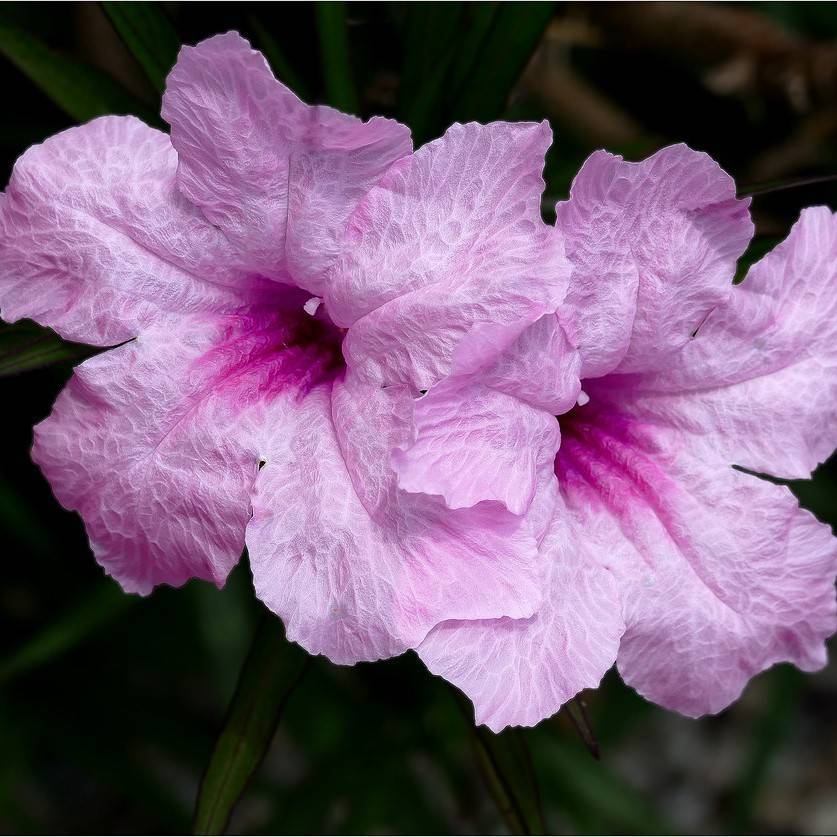
Dwarf Ruellia
Ruellia simplex 'Katie'
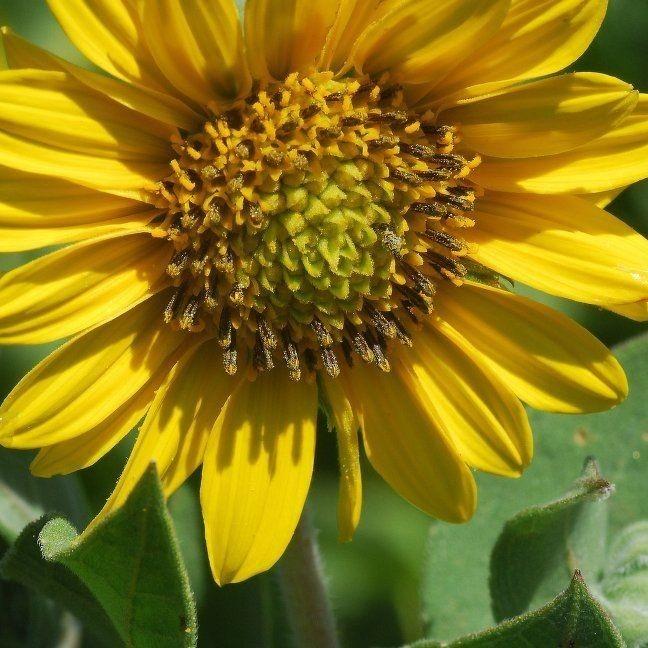
Ashy Sunflower
Helianthus mollis
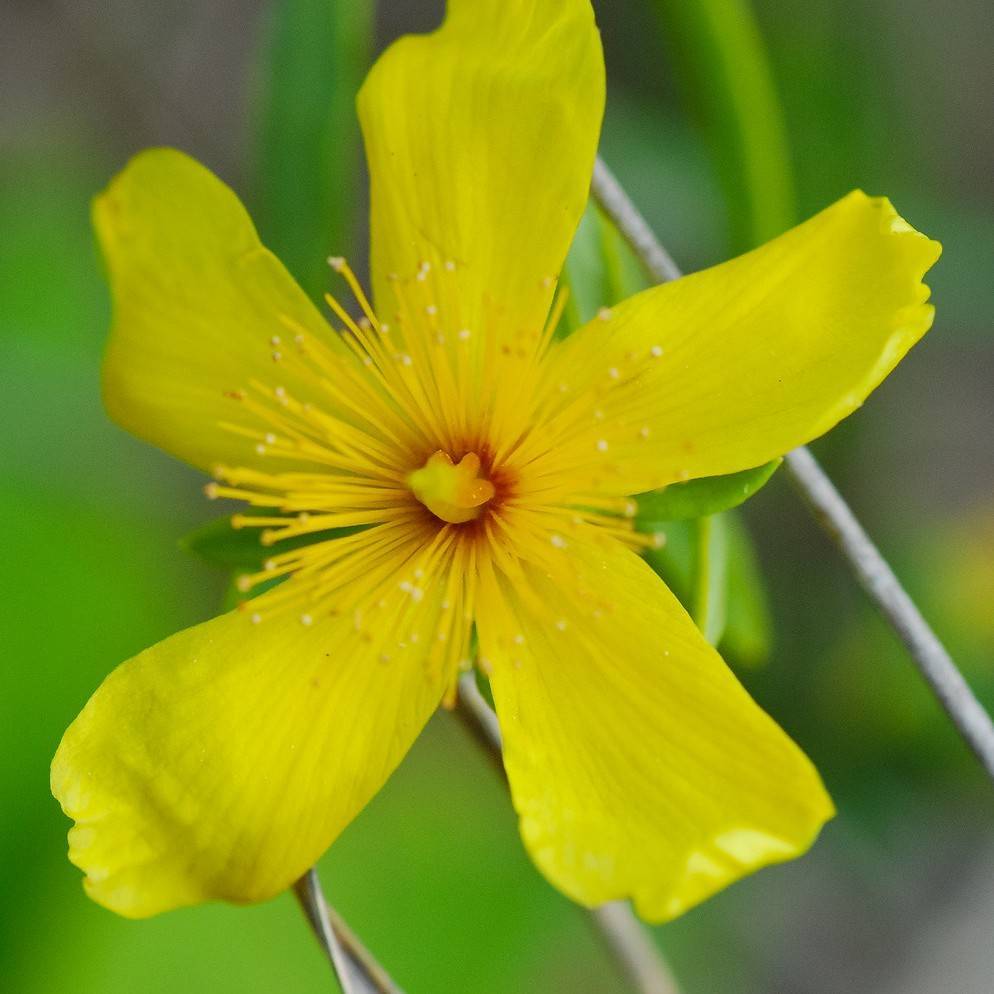
Kalm's St. John's Wort
Hypericum kalmianum
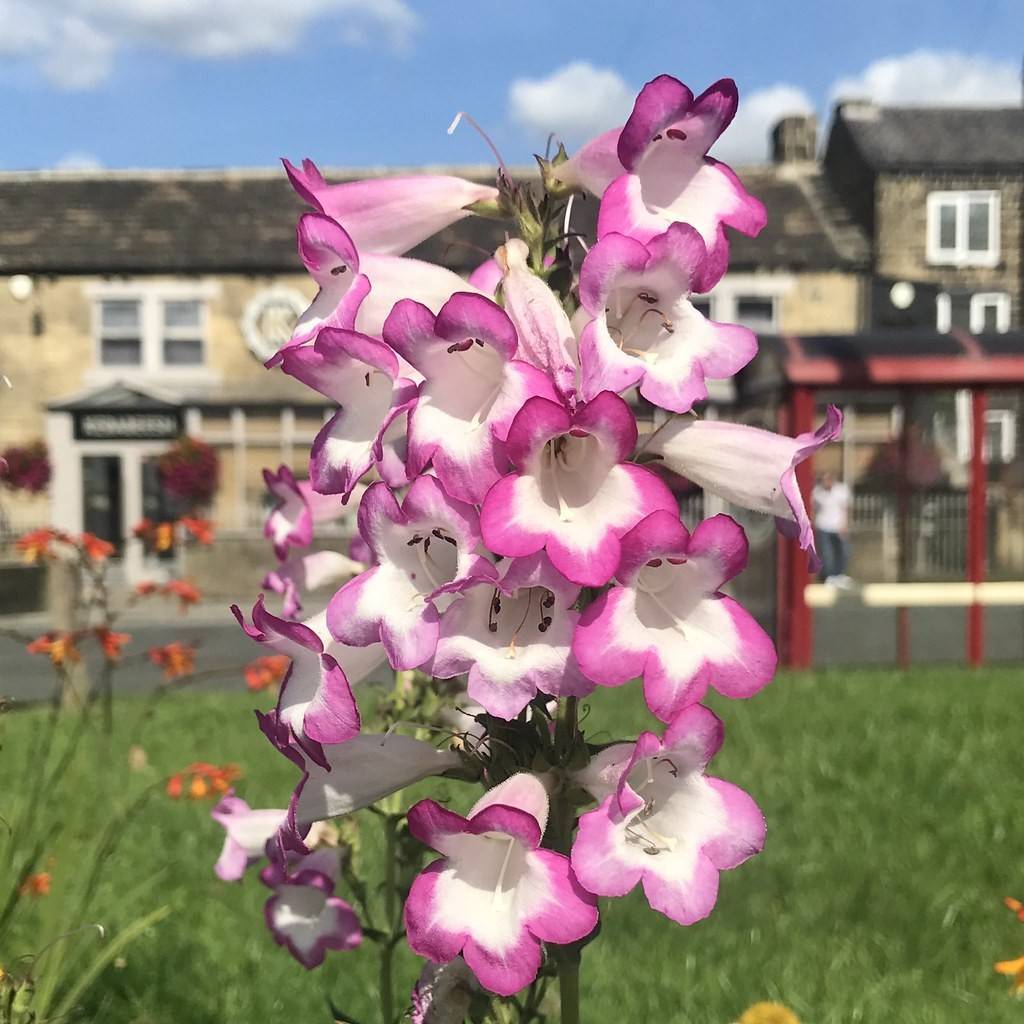
Bellflower Beardtongue
Penstemon campanulatus
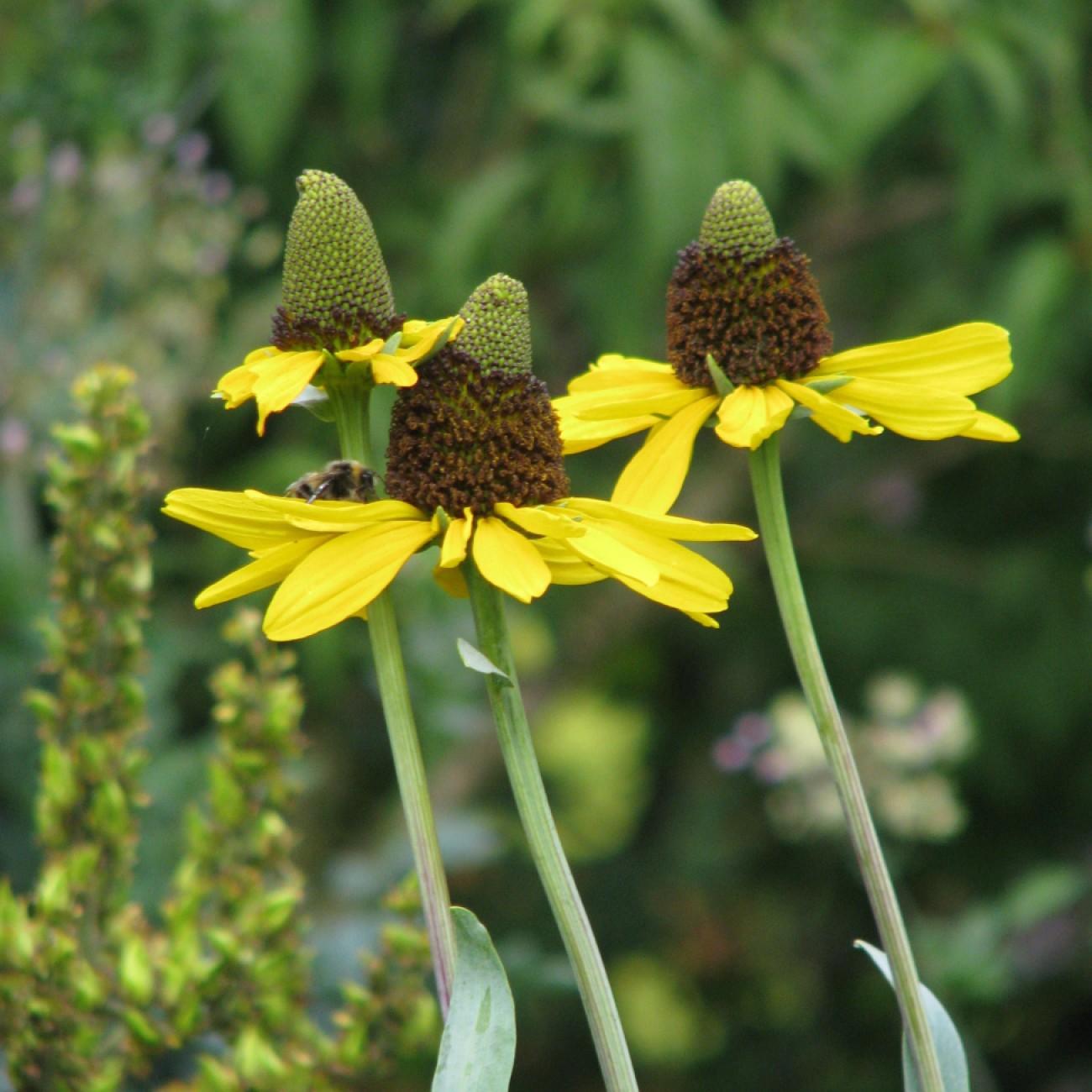
Large Coneflower
Rudbeckia maxima
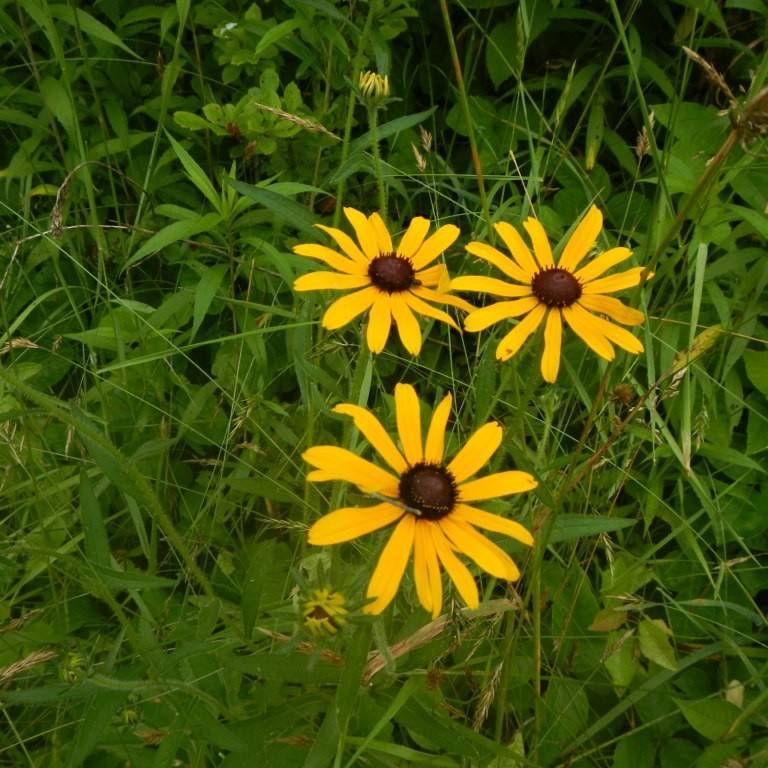
Appalachian Black Eyed Susan
Rudbeckia hirta var. pulcherrima
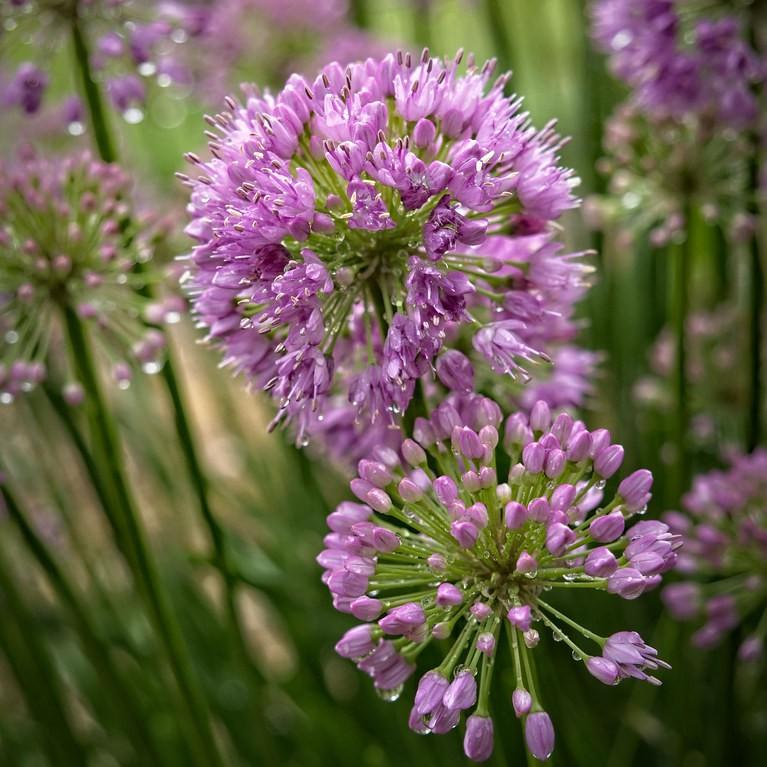
Hybrid Ornamental Onion
Allium × hybridum
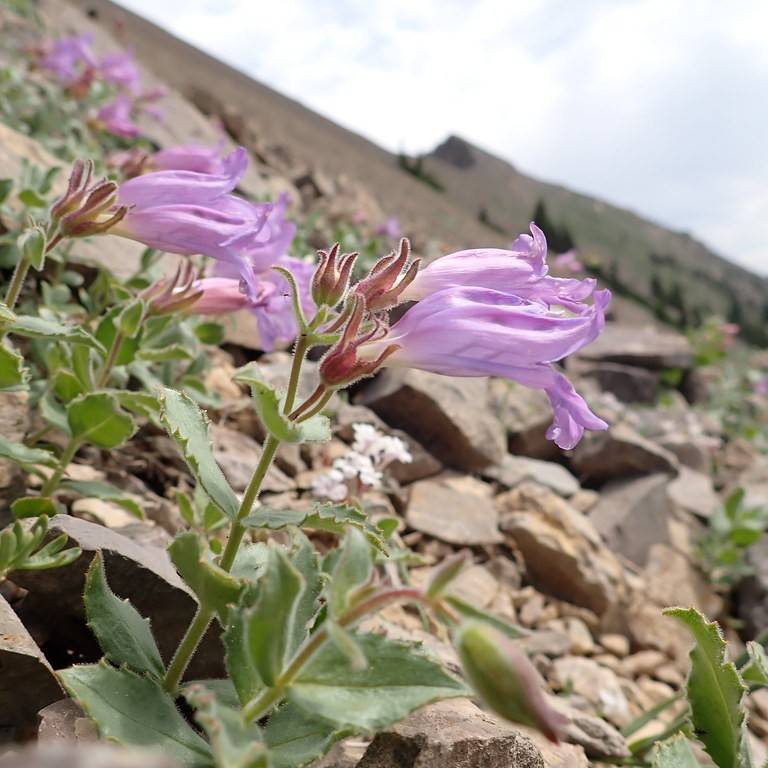
Beardtongue
Penstemon spp.