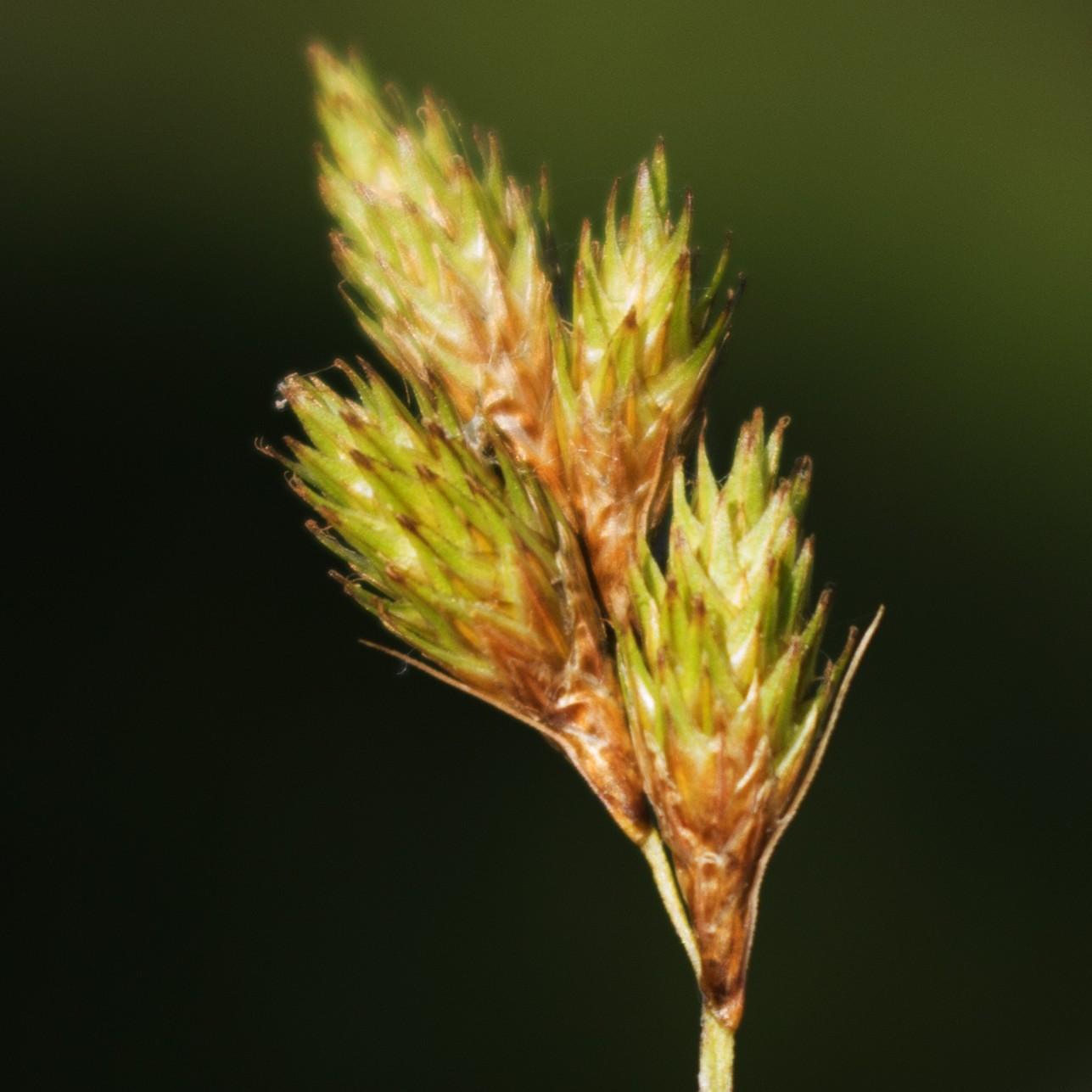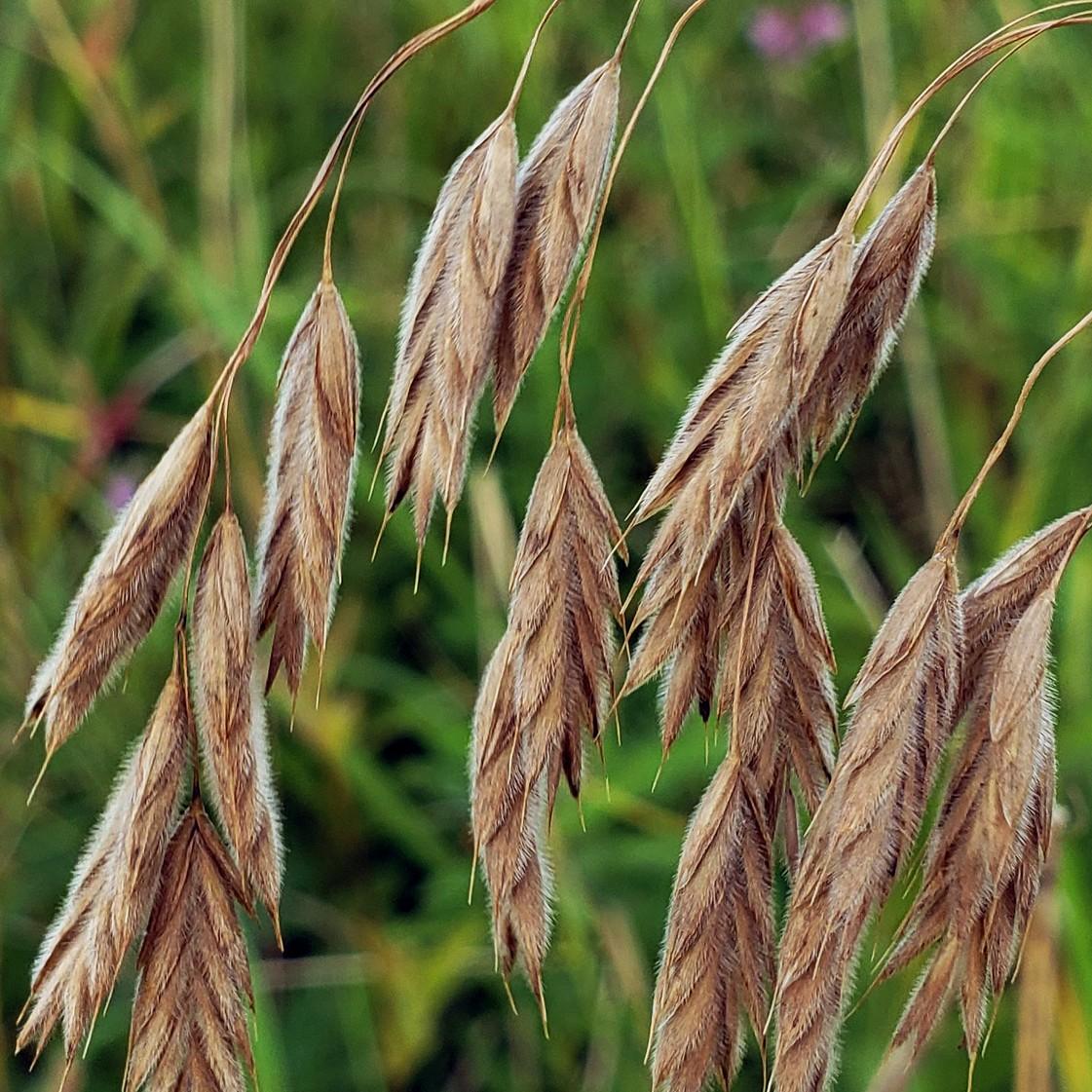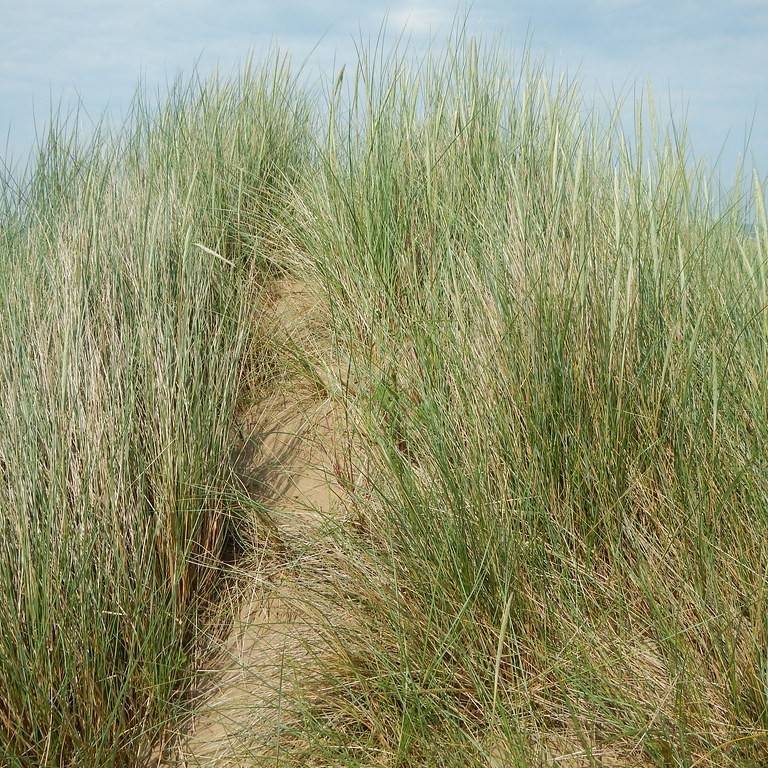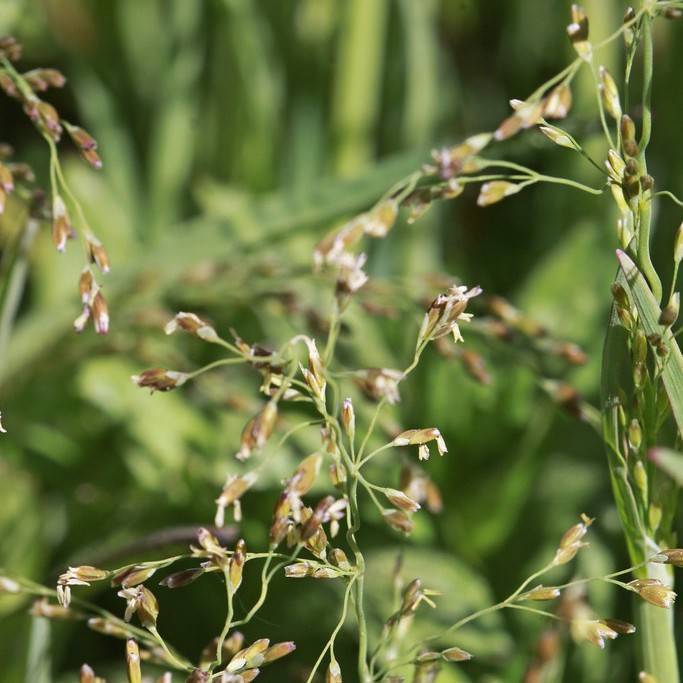
Idaho Bentgrass
Agrostis idahoensis
Overview
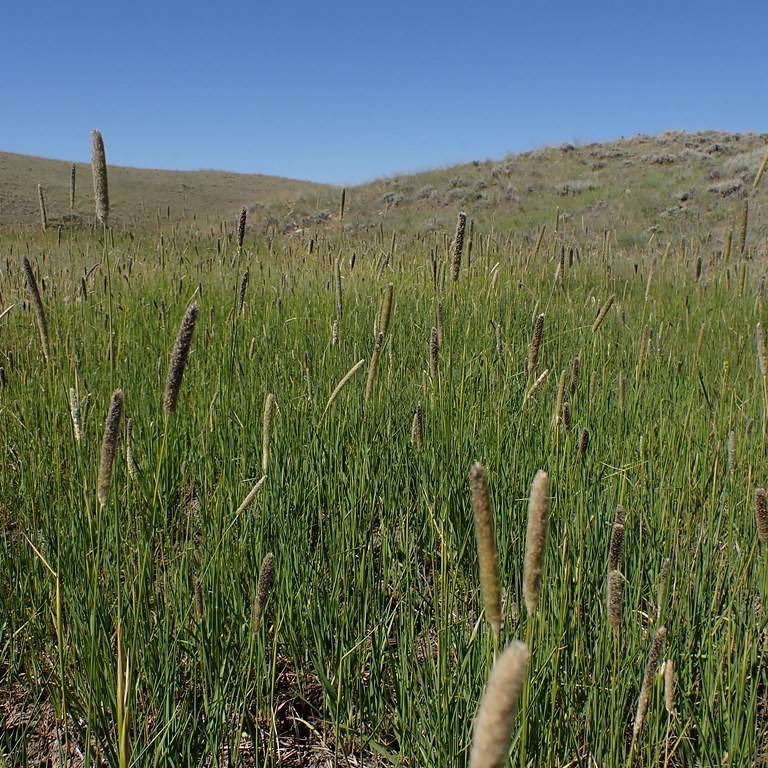
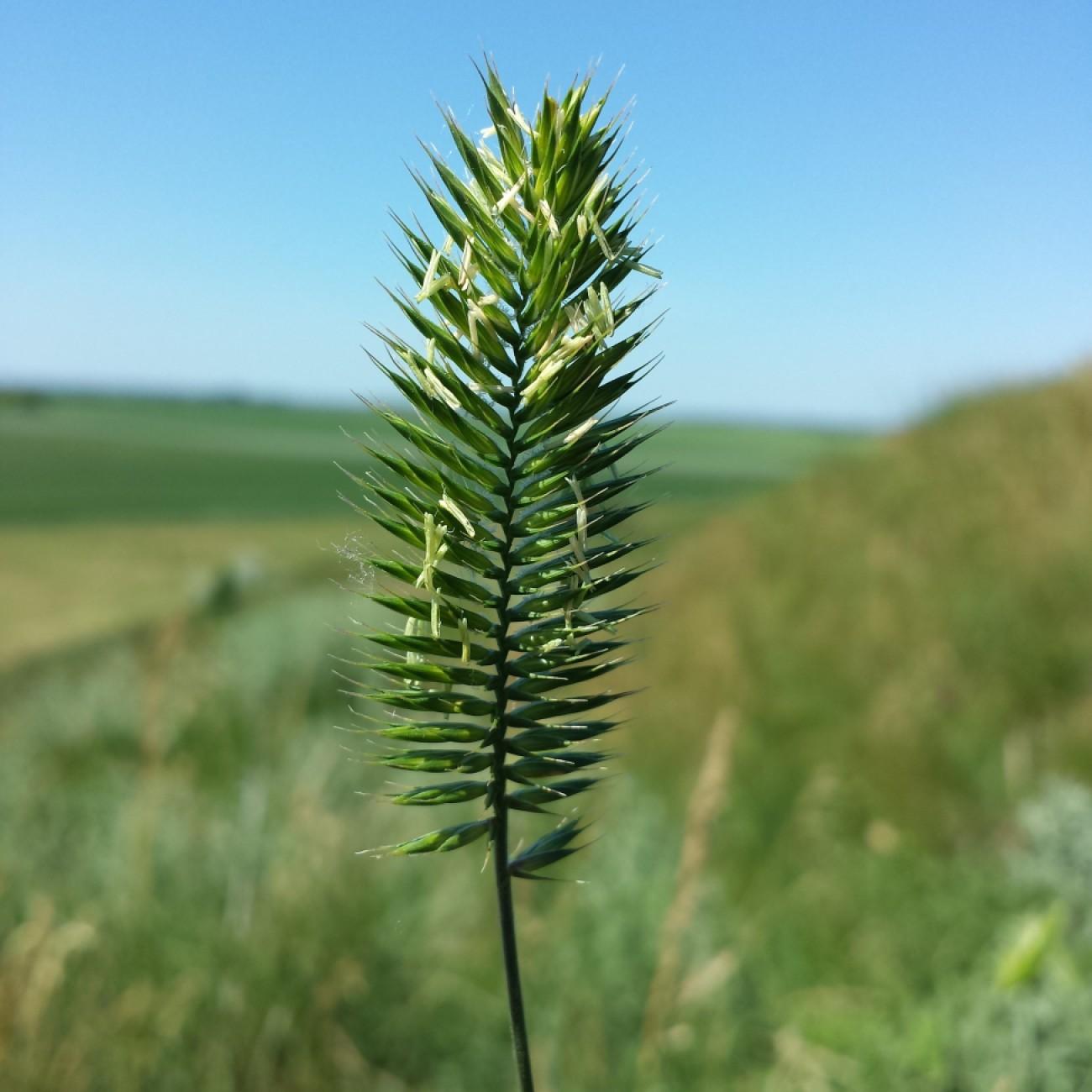
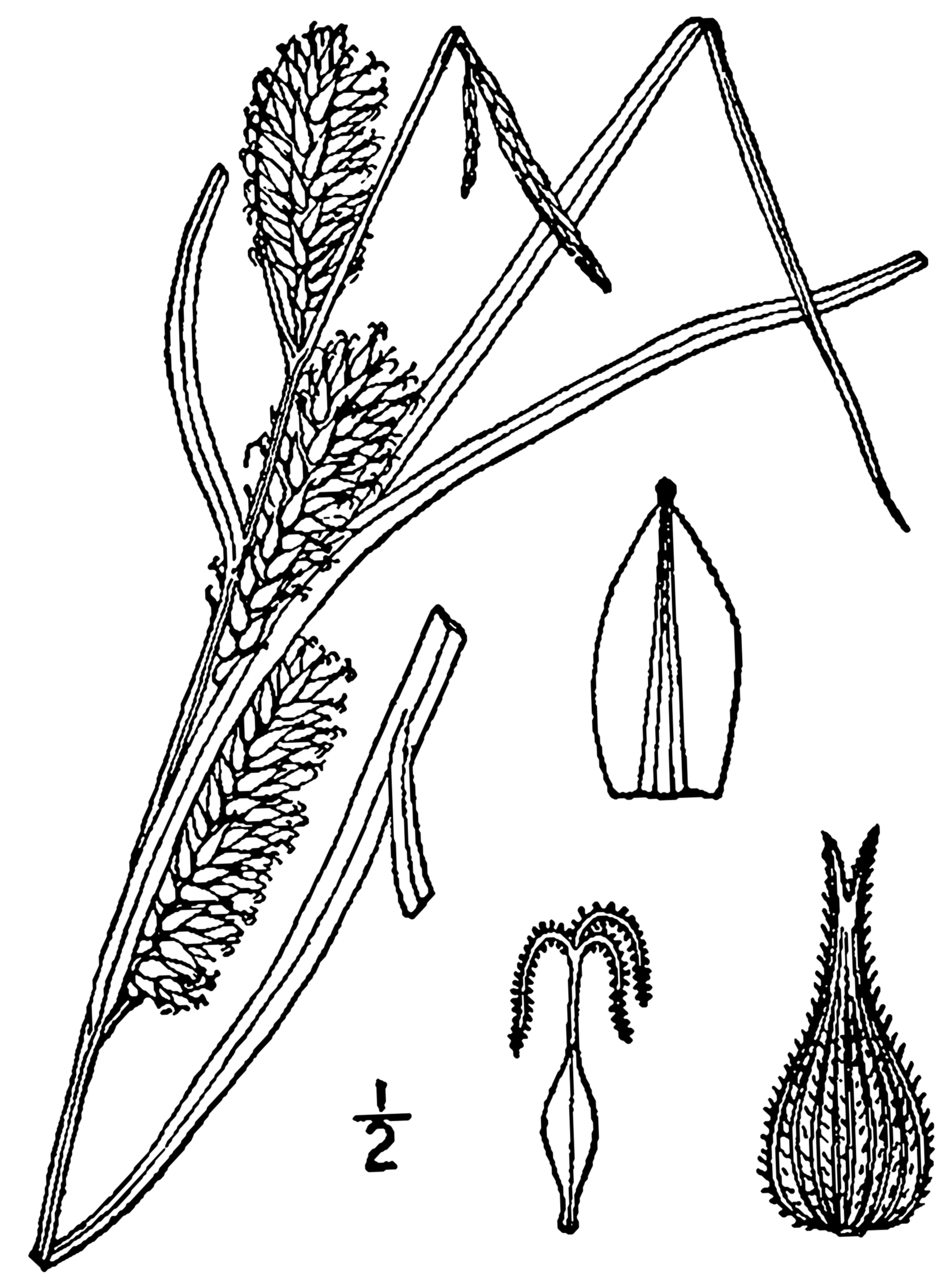
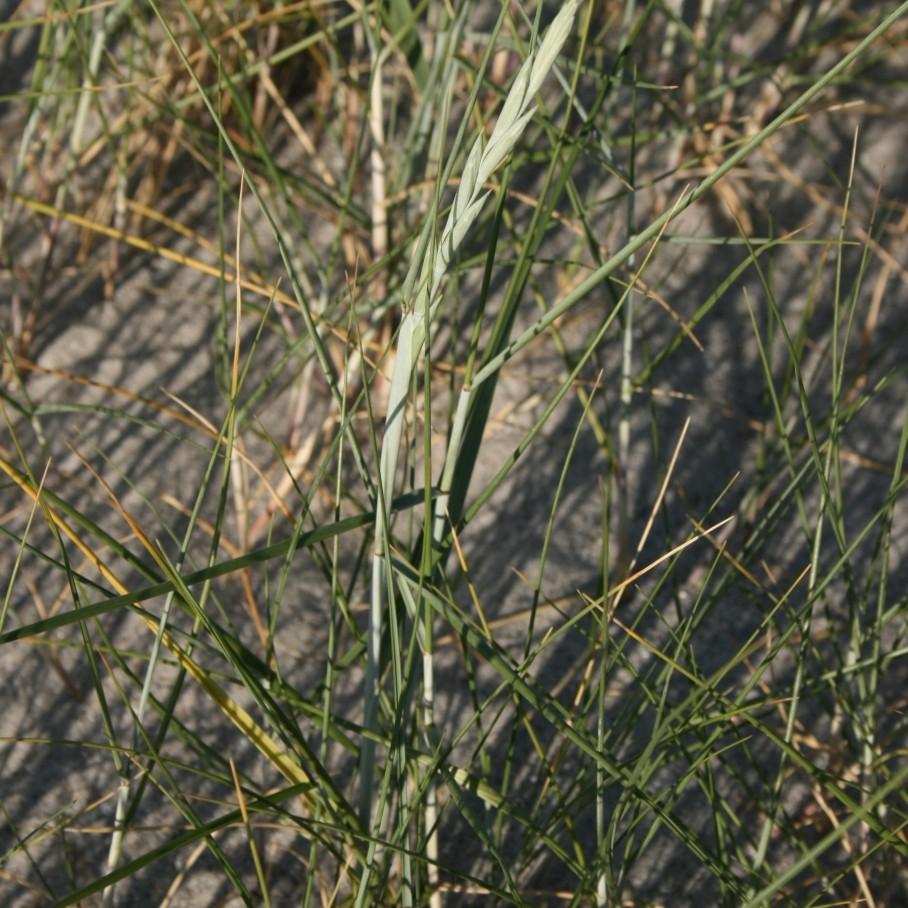
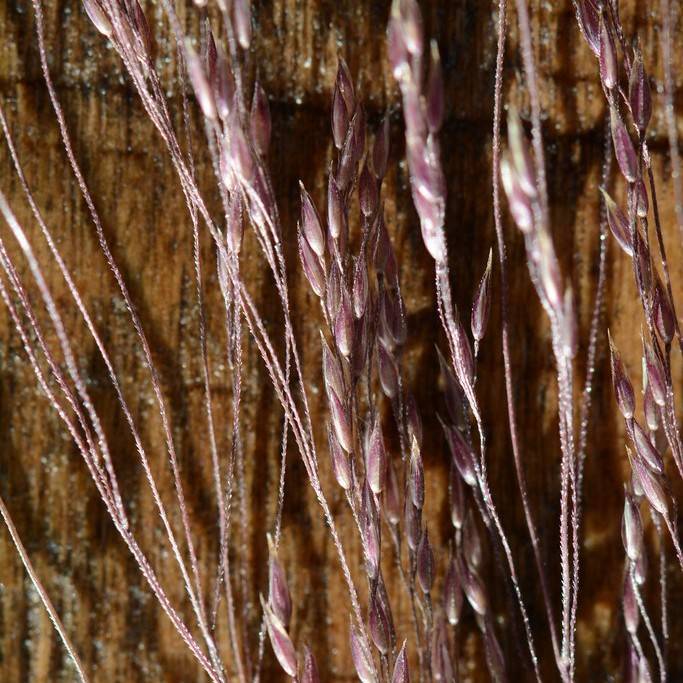
Idaho bentgrass is a fine-textured, cool-season perennial bunchgrass adapted to a wide range of habitats including mountain meadows, open woodlands, rocky slopes, and disturbed sites across western North America. It has narrow, flat to slightly rolled leaf blades and delicate, open panicle inflorescences that produce abundant small seeds from late spring to mid-summer. This hardy grass is drought-tolerant once established and thrives in higher elevation areas, making it a popular choice for habitat restoration and native landscaping projects.
Care Guide
Watering
Idaho bentgrass prefers consistent moisture during its establishment phase, requiring regular watering to encourage deep root growth in the first 1-2 growing seasons. Once established, it is highly drought-tolerant, only needing supplemental watering during extended periods of extreme heat or prolonged dryness, as overwatering can lead to shallow root development and increased susceptibility to fungal diseases. Avoid saturated soil conditions, as prolonged moisture around the root zone can cause root rot in poorly drained sites.
Light
This grass thrives in full sun exposure, requiring a minimum of 6 hours of direct sunlight daily for optimal growth and seed production. It can tolerate partial shade, especially in hotter southern portions of its range, but growth will be less dense and flowering may be reduced in heavily shaded locations. Full sun conditions help the plant maintain its compact, bunching growth habit and improve its resistance to foliar diseases.
Soil
Idaho bentgrass adapts to a wide range of soil types, including sandy loam, rocky loam, clay loam, and even shallow, infertile soils common in reclamation sites. It prefers a neutral to slightly acidic soil pH between 5.5 and 7.5, but can tolerate mildly alkaline conditions as well. Good drainage is essential, as standing water will quickly damage the root system, so amend heavy clay soils with organic matter to improve drainage before planting.
Fertilizer
This grass is adapted to low-nutrient soils and generally requires minimal fertilization, especially when grown in native landscaping or reclamation projects. If growth appears stunted or foliage is pale, apply a balanced, slow-release 10-10-10 fertilizer at half the recommended rate in early spring before new growth emerges. Avoid over-fertilizing, as excessive nitrogen will lead to lush, weak growth that is more susceptible to drought stress and pest damage.
Temperature
Idaho bentgrass is a cool-season grass that thrives in temperatures between 60-75°F (15-24°C), and is highly cold-hardy, tolerating winter temperatures as low as -30°F (-34°C) in its native range. It goes dormant during extended periods of summer heat above 85°F (29°C), turning brown and reducing metabolic activity until cooler conditions return in fall. It is well-adapted to the temperature fluctuations common in high-elevation western North American ecosystems.
Pruning
Minimal pruning is required for Idaho bentgrass; in late winter or early spring, cut back dead foliage to 2-3 inches above the soil line to make room for new growth and improve air circulation around the base of the plant. If grown in a meadow or naturalized landscape, mowing once per year in late fall after seed set is sufficient to maintain a tidy appearance and prevent excessive thatch buildup. Avoid frequent mowing, as this will reduce seed production and weaken the bunching growth habit.
Propagation
Idaho bentgrass is most commonly propagated from seed, which can be sown directly outdoors in late fall (to allow for natural cold stratification over winter) or early spring once soil temperatures reach 45°F (7°C). Surface sow the small seeds, as they require light to germinate, and keep the top layer of soil consistently moist until seedlings emerge, typically within 14-21 days. It can also be propagated by dividing established clumps in early spring before active growth begins, though seed propagation is far more efficient for large-scale plantings.
Humidity
This grass is adapted to the semi-arid to moderate humidity conditions of its native western North American range, tolerating average relative humidity levels between 30-60%. It does not perform well in high-humidity environments above 70% for extended periods, as this can increase the risk of foliar fungal diseases such as rust and leaf spot. Ensure good air circulation around plants in more humid growing regions to reduce disease risk.
Repotting
Idaho bentgrass is rarely grown in containers, as its deep, fibrous root system is best suited for in-ground planting in landscapes or restoration sites. If grown in a container for a native grass display, repot every 2-3 years in early spring before new growth emerges, using a well-draining, loamy potting mix and selecting a container with ample drainage holes that is at least 2 inches larger in diameter than the previous pot to accommodate root growth. Trim any circling or damaged roots during repotting to encourage healthy root development.
Uses & Symbolism
Idaho bentgrass is widely used in habitat restoration and erosion control projects across western North America, as its deep fibrous root system stabilizes soil on slopes, disturbed sites, and post-wildfire areas. It provides valuable forage for native wildlife including deer, elk, and small mammals, and its seeds are a food source for ground-feeding birds and pollinator-supporting insects. It is also planted in low-water native gardens and meadow landscapes as a low-maintenance, drought-tolerant ornamental grass that adds fine texture to mixed plantings.
Diseases & Pests
Idaho bentgrass is relatively disease-resistant when grown in its preferred conditions, but can be susceptible to foliar fungal diseases including rust, leaf spot, and powdery mildew in high-humidity environments or when planted in poorly drained, overwatered soils. Common pests include aphids and grasshoppers, which may feed on foliage during heavy infestations, though damage is rarely severe enough to require treatment in naturalized settings. Overly fertile soil and excessive nitrogen fertilization can increase susceptibility to both pest and disease issues by promoting soft, lush growth.
Related plants
Other plants you might like if you grow Idaho Bentgrass.