Crested Wheat Grass
Agropyron cristatum
Overview
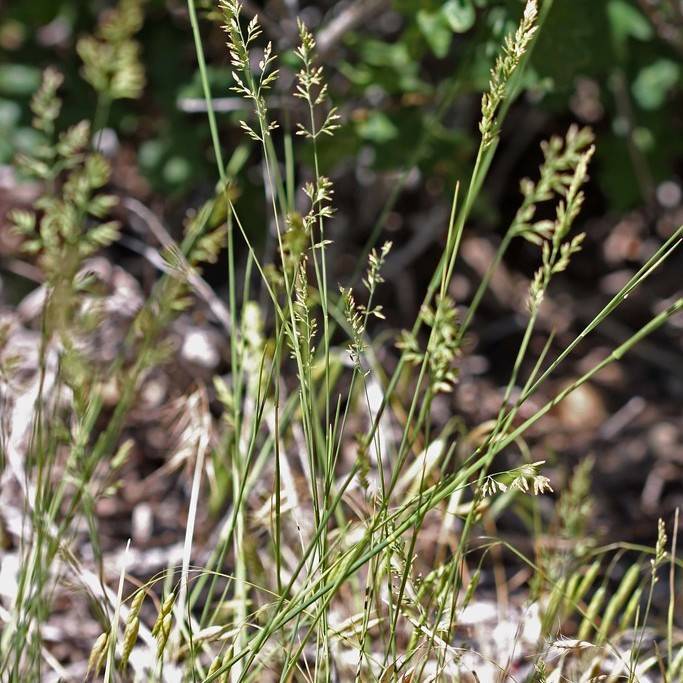
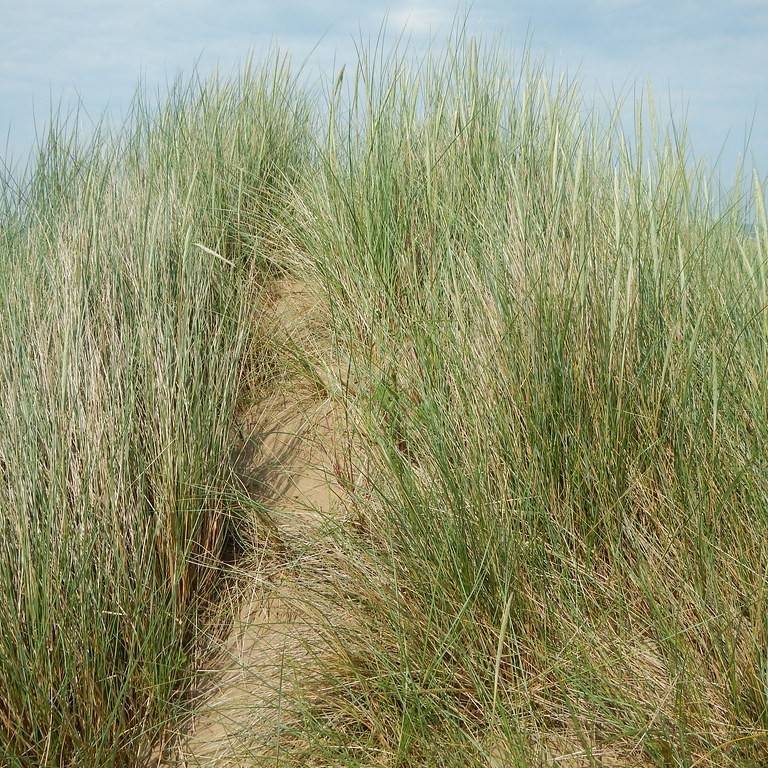
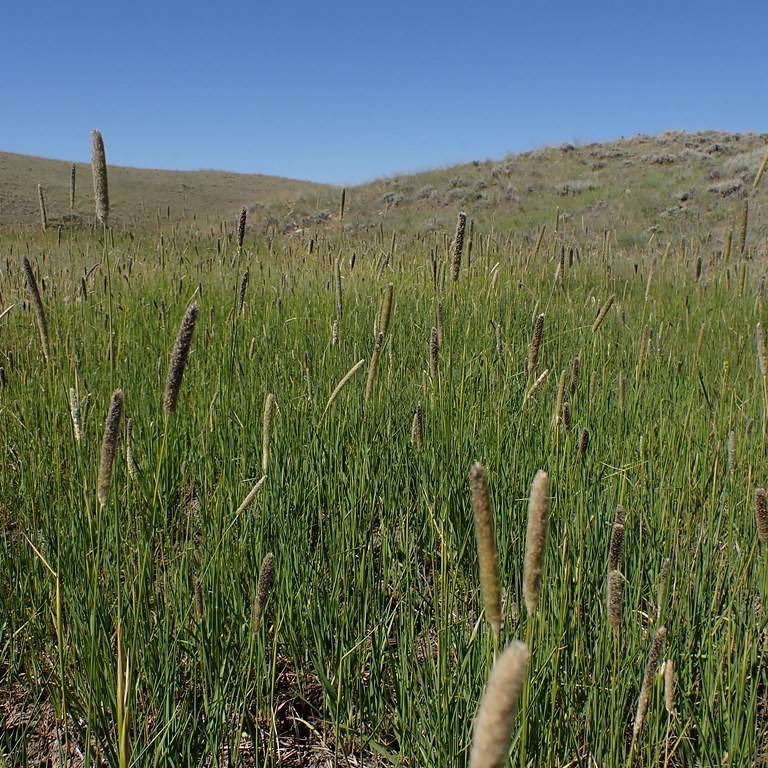
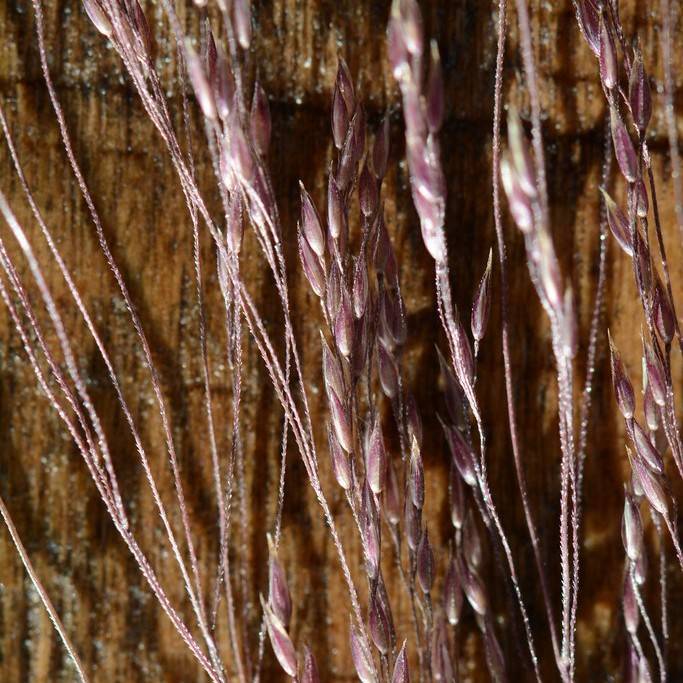
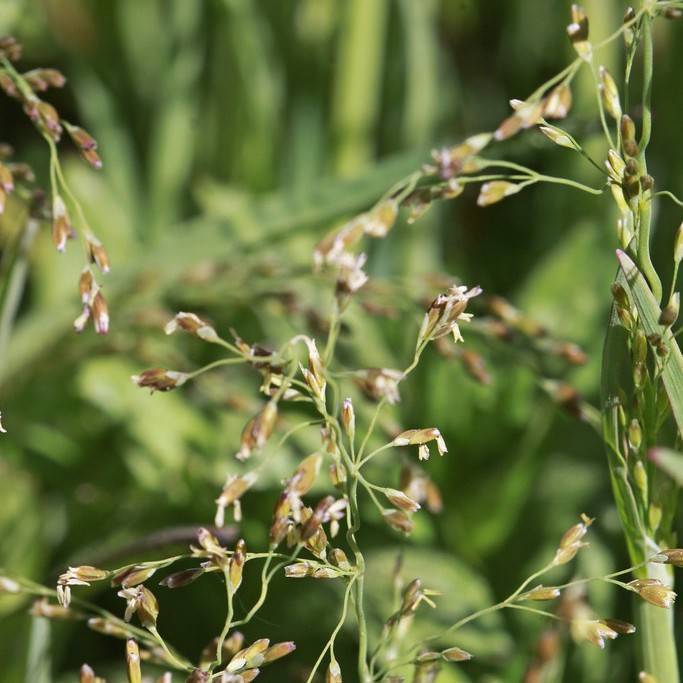
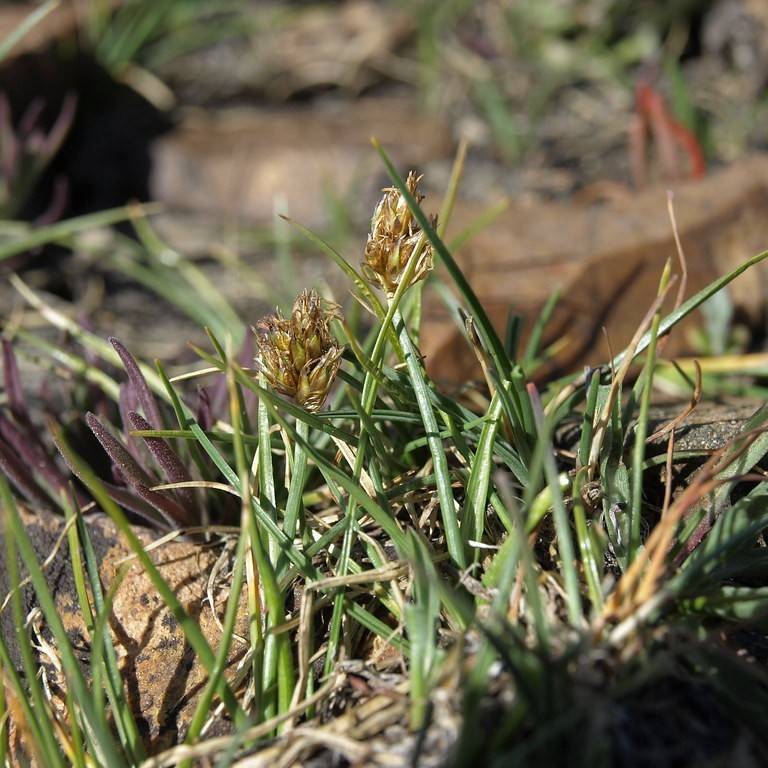
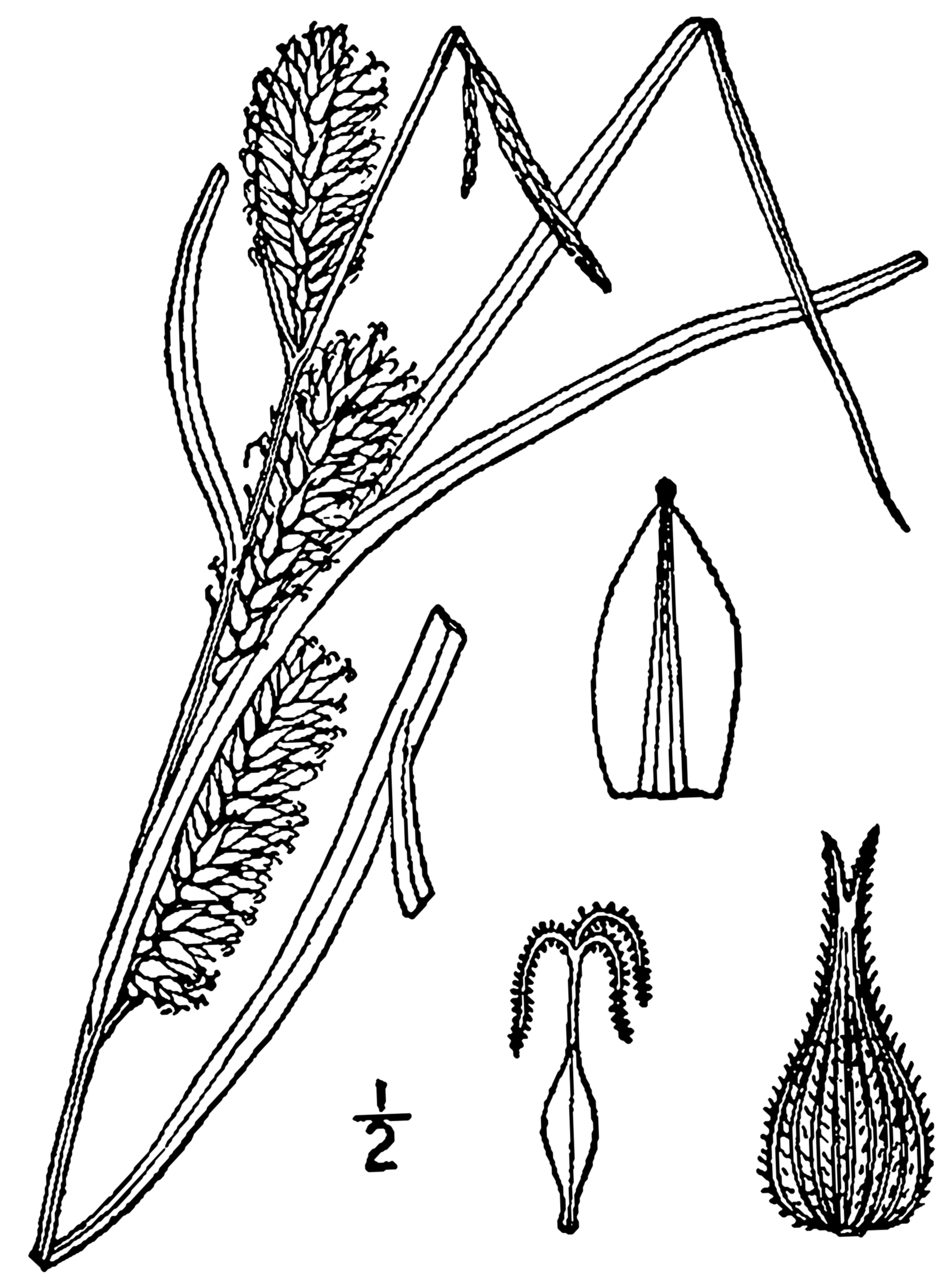
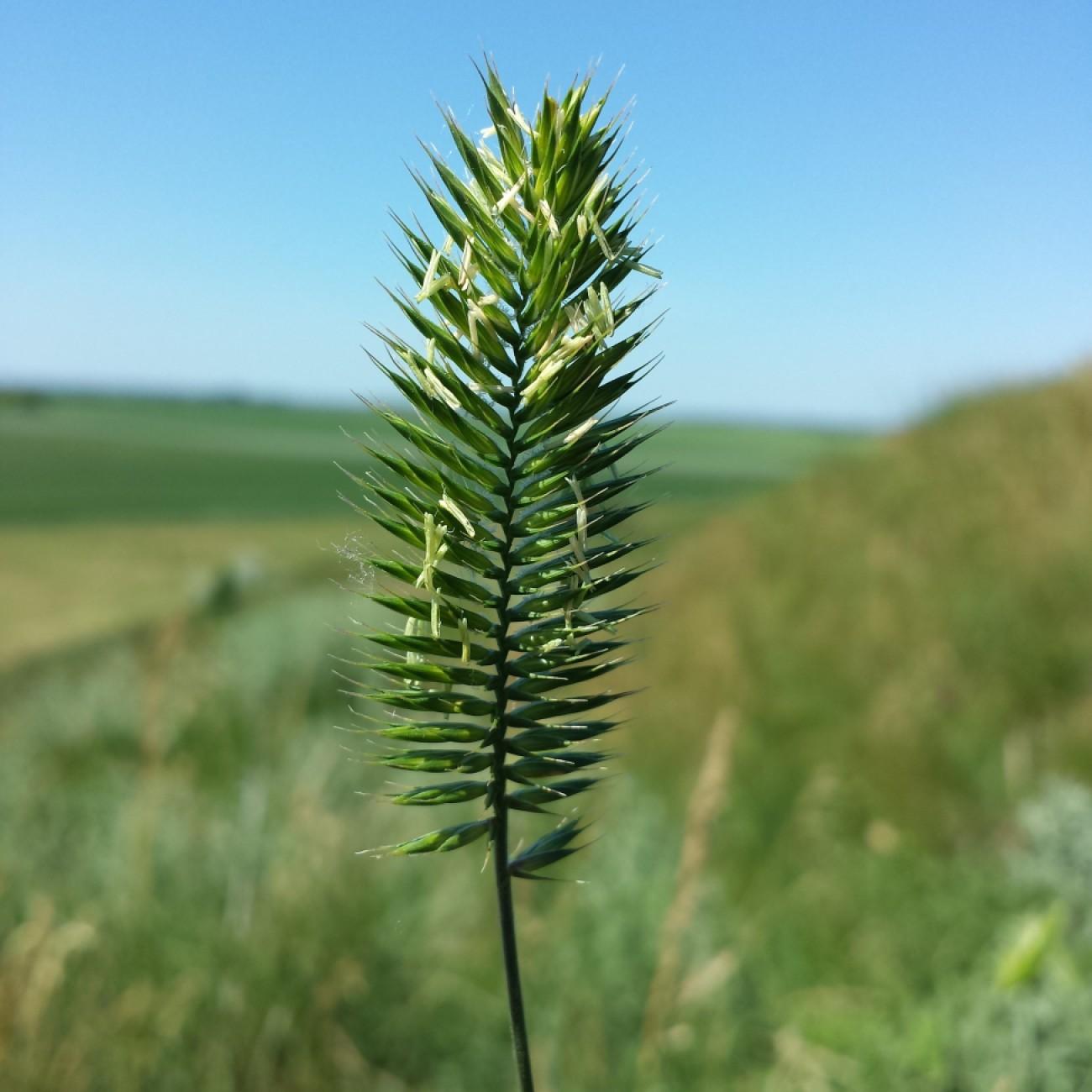
Crested wheat grass is a hardy, bunch-forming cool-season grass introduced to North America in the early 20th century for agricultural and land management use. It develops a deep, fibrous root system that makes it exceptionally resilient to drought, cold, and poor soil conditions, allowing it to thrive in areas where many native grasses struggle. It produces narrow, flat green blades and distinctive spike-like seed heads with a crested, flattened appearance in late spring.
Care Guide
Watering
Crested wheat grass has very low water needs once established, requiring only occasional irrigation during extended periods of extreme drought. Overwatering, especially in poorly drained soils, can lead to root rot and reduced vigor, so allow the top several inches of soil to dry out completely between waterings. Newly planted seedlings require regular light watering to encourage root establishment for the first 2-3 months after sowing.
Light
This grass thrives in full, direct sunlight, requiring a minimum of 6 hours of unobstructed sun per day to maintain dense, healthy growth. It can tolerate very light partial shade, but reduced sunlight will lead to sparser foliage, lower seed production, and decreased drought and cold tolerance. Avoid planting it in heavily shaded locations where it will be outcompeted by more shade-tolerant vegetation.
Soil
Crested wheat grass adapts to a wide range of soil types, including sandy, loamy, and even shallow, rocky soils that are low in organic matter. It prefers a neutral to slightly alkaline soil pH between 6.0 and 8.4, and will struggle in strongly acidic, waterlogged, or heavy clay soils with poor drainage. Amending heavy soils with sand or gravel to improve drainage will support healthier root development.
Fertilizer
This low-maintenance grass has minimal fertilizer requirements, and typically thrives without regular nutrient applications in most rangeland or naturalized settings. If grown for high-quality forage, apply a balanced nitrogen-phosphorus-potassium fertilizer in early spring at a rate of 50-100 pounds of nitrogen per acre to boost growth. Over-fertilization can lead to excessive lush foliage that is more susceptible to pest damage and winter injury.
Temperature
Crested wheat grass is exceptionally cold-hardy, tolerating winter temperatures as low as -40°F (-40°C) and thriving in USDA hardiness zones 3 through 8. It is a cool-season grass that puts on most of its growth in early spring and fall, and will go dormant during extended periods of high summer heat above 90°F (32°C). It is well-adapted to regions with large diurnal temperature fluctuations typical of semi-arid steppe climates.
Pruning
Pruning is rarely required for crested wheat grass, but it can be mowed or grazed to a height of 3-4 inches in late spring after seed heads have matured if a neater appearance is desired. Avoid cutting it shorter than 2 inches, as this can damage the crowns and reduce the plant's ability to regrow and store energy for winter. Remove any dead or damaged foliage in early spring to make way for new growth.
Propagation
Crested wheat grass is most commonly propagated from seed, which should be sown in early spring or late fall directly into a well-prepared, weed-free seed bed. Seeds require light contact with soil to germinate, so sow at a depth of no more than 0.5 inches and keep the area lightly moist until seedlings emerge, typically within 10-14 days under optimal conditions. It can also be propagated by dividing established clumps in early spring before new growth begins, though this method is less common for large-scale plantings.
Humidity
This grass prefers low to moderate humidity levels between 30% and 60%, and is well-adapted to the dry conditions of semi-arid steppe and prairie regions. High humidity combined with warm temperatures can increase the risk of foliar fungal diseases, so ensure plants have adequate air circulation if grown in more humid climates. It does not require any supplemental misting or humidity adjustments.
Repotting
Repotting is rarely applicable for crested wheat grass, as it is almost exclusively grown in outdoor landscape, rangeland, or pasture settings rather than containers. If grown in a container for ornamental or research purposes, repot every 2-3 years in early spring, using a well-draining sandy-loam potting mix and selecting a pot with ample drainage holes to prevent waterlogging. Gently loosen tangled roots before repotting to encourage new root growth into fresh soil.
Uses & Symbolism
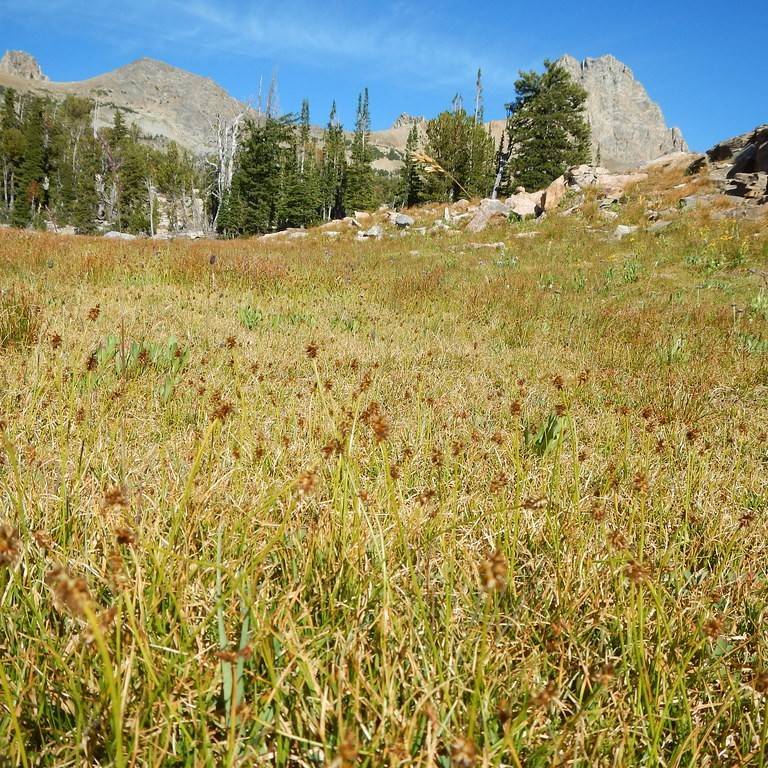
Crested wheat grass is one of the most widely used grasses for rangeland restoration, erosion control on disturbed sites such as road cuts and mined lands, and as a high-quality, nutritious forage for cattle, sheep, and horses in early spring. It is also planted as a drought-tolerant, low-maintenance turfgrass for low-traffic areas in arid regions where traditional water-intensive lawn grasses cannot survive. Its dense root system helps improve soil structure and prevent wind and water erosion in degraded landscapes.
Diseases & Pests
Crested wheat grass is relatively resistant to most common grass diseases, but can be susceptible to foliar fungal infections such as rust, leaf spot, and powdery mildew during periods of high humidity and poor air circulation. Common pests include grasshoppers, aphids, and cutworms, which can damage foliage during heavy infestations, though healthy plants typically recover quickly with minimal intervention. Overwatering or planting in poorly drained soils significantly increases the risk of root rot and crown rot, which can kill established plants.
Related plants
Other plants you might like if you grow Crested Wheat Grass.