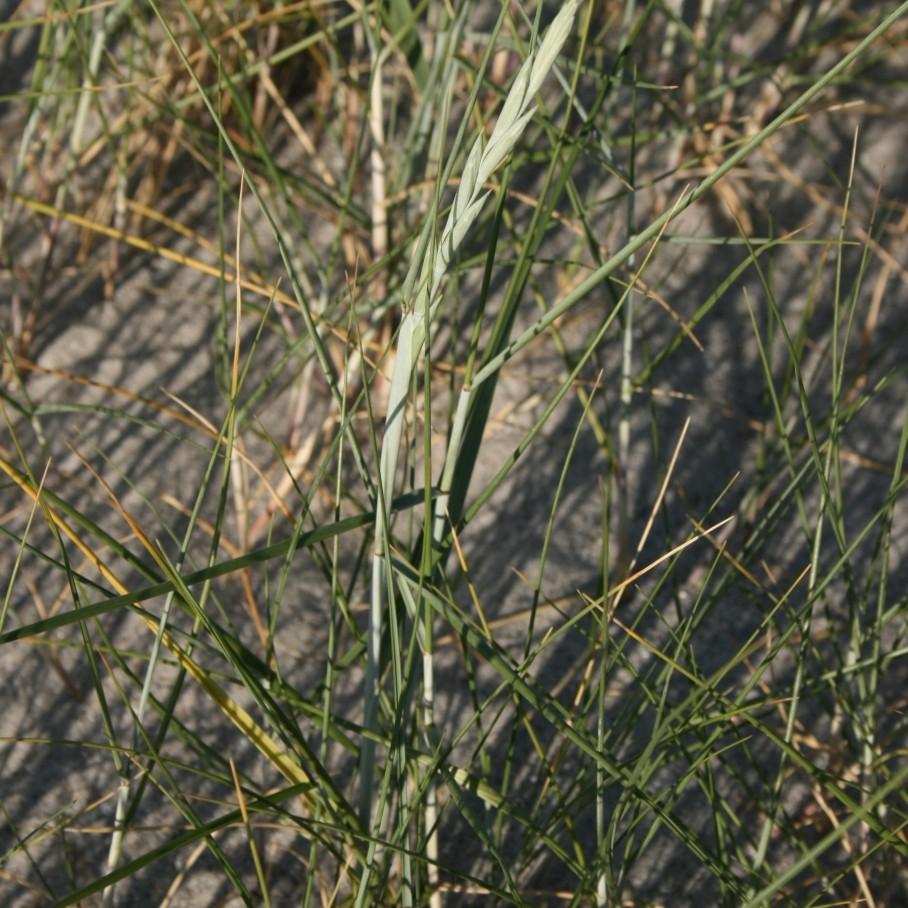
Lemmon's Needlegrass
Eriocoma lemmonii
Overview
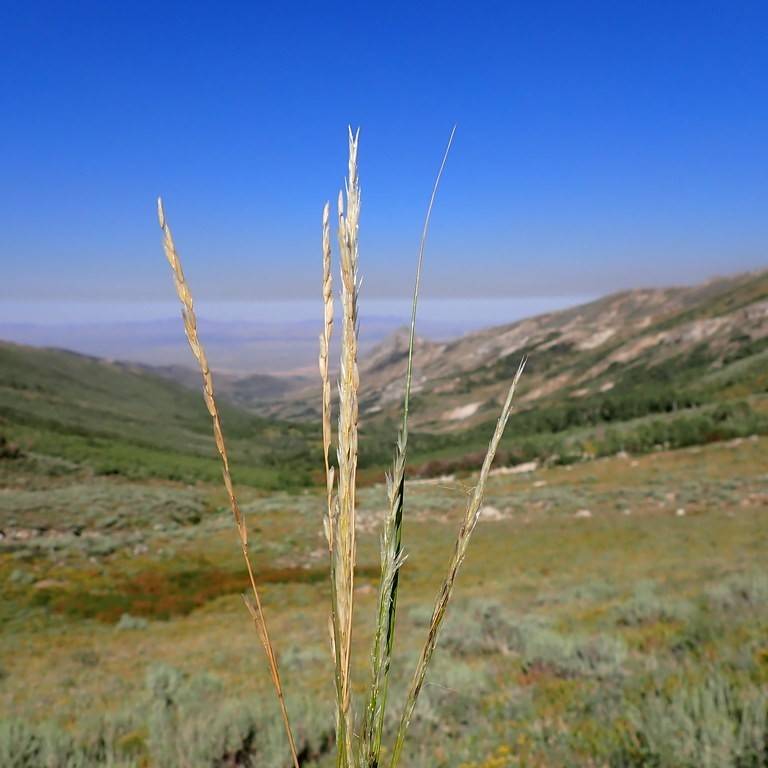
Lemmon's Needlegrass is a cool-season bunchgrass that forms dense, upright clumps of fine, textured foliage, producing delicate, awned seed heads in late spring that sway gently in wind. Adapted to dry, open habitats including grasslands, oak woodlands, and rocky slopes, it is highly resistant to drought and poor soil conditions, making it a staple for native plant restoration projects across the western U.S. It provides critical forage for native ungulates such as deer and elk, and its seeds are a food source for small mammals and ground-feeding songbirds.
Care Guide
Watering
This drought-tolerant grass requires minimal supplemental watering once established, thriving with only natural rainfall in most of its native range. Water newly planted specimens deeply once per week for the first growing season to encourage strong root development, then reduce to only occasional irrigation during extended periods of extreme drought. Overwatering, especially in heavy, poorly drained soils, can lead to root rot and plant decline.
Light
Lemmon's Needlegrass grows best in full, direct sunlight, requiring at least 6 hours of unobstructed light per day to maintain dense, healthy clumps and abundant seed production. It can tolerate very light, dappled shade, but prolonged shade will cause sparse, leggy growth and reduce its overall vigor and resilience to stress.
Soil
Adaptable to a wide range of soil types, including sandy, loamy, rocky, and even clay soils, as long as drainage is excellent to prevent waterlogging around the root zone. It prefers neutral to slightly alkaline pH levels, but can tolerate mildly acidic conditions as well. Avoid heavy, compacted soils that hold moisture for extended periods, as these increase the risk of root disease.
Fertilizer
This native grass is adapted to low-nutrient soils and rarely requires fertilization, as excess nitrogen can lead to overly lush, weak growth that is prone to flopping. If grown in extremely poor, depleted soils, apply a thin layer of compost around the base of clumps in early spring to provide mild, slow-release nutrients. Avoid synthetic, high-nitrogen fertilizers entirely to preserve its natural growth habit and drought tolerance.
Temperature
Lemmon's Needlegrass is highly cold-hardy, tolerating winter temperatures down to -30°F (-34°C) and thriving in USDA hardiness zones 4 through 9. It is well-adapted to the wide temperature fluctuations common in western North American habitats, handling summer heat up to 110°F (43°C) without stress when established. It goes dormant during extended periods of extreme summer heat or winter cold, turning golden brown until favorable growing conditions return.
Pruning
Prune clumps back to 3-4 inches above the soil line in late winter or early spring, just before new growth emerges, to remove dead foliage and encourage fresh, dense growth. Avoid pruning during the active growing season, as this can stress the plant and reduce its ability to produce seed heads. You can trim off spent seed heads in mid-summer if desired for a neater appearance, but leaving them in place provides food for wildlife and adds visual interest through the fall and winter.
Propagation
Lemmon's Needlegrass is most commonly propagated from seed, which can be sown directly outdoors in late fall (to allow natural cold stratification over winter) or in early spring after stratifying seeds in the refrigerator for 30-60 days. It can also be propagated by dividing mature clumps in early spring, splitting the root ball into smaller sections and replanting immediately at the same depth they were originally growing. Keep newly sown seeds or divided transplants consistently moist until they are fully established, typically within one full growing season.
Humidity
This grass prefers low to moderate humidity levels, typical of its native arid and semi-arid western North American habitats. It does not tolerate high humidity well, especially when combined with warm temperatures and wet soil, which increases the risk of fungal leaf spot diseases. Provide good air circulation around plants if grown in more humid regions to reduce moisture buildup on foliage.
Repotting
Lemmon's Needlegrass is rarely grown in containers, as it develops a deep, extensive root system best suited to in-ground planting. If grown in a pot, repot every 2-3 years in early spring, moving to a container one size larger with a well-draining sandy or loamy potting mix. Ensure containers have ample drainage holes to prevent waterlogging, and avoid overpotting to reduce the risk of excess moisture retention in the soil.
Uses & Symbolism
Widely planted for native habitat restoration, erosion control on slopes and disturbed sites, and as a low-maintenance ornamental in xeriscapes, native plant gardens, and naturalized meadows. It provides high-quality forage for livestock and native wildlife, including deer, elk, and small mammals, while its seeds support a variety of native songbird species. It is also a valuable component of pollinator-friendly landscaping, providing shelter for ground-nesting native bees and other beneficial insects.
Diseases & Pests
Lemmon's Needlegrass is relatively pest and disease resistant when grown in its preferred conditions, with the most common issues being fungal leaf spots and root rot caused by overwatering or poor soil drainage. It may occasionally be affected by grass aphids or mites, though these rarely cause significant damage to healthy, established plants. In overly humid conditions, ensure good air circulation around clumps to prevent fungal growth on foliage, and avoid overhead watering to reduce moisture on leaf surfaces.
Related plants
Other plants you might like if you grow Lemmon's Needlegrass.
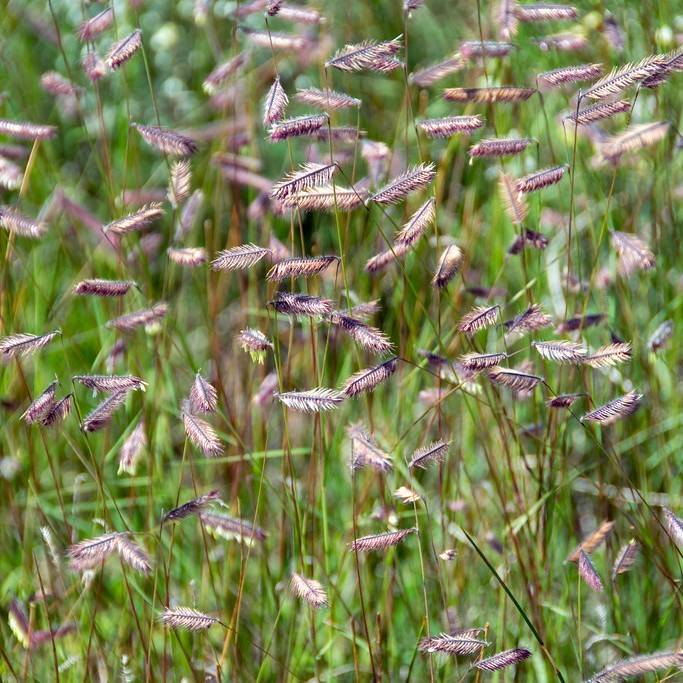
Hairy Grama
Bouteloua hirsuta
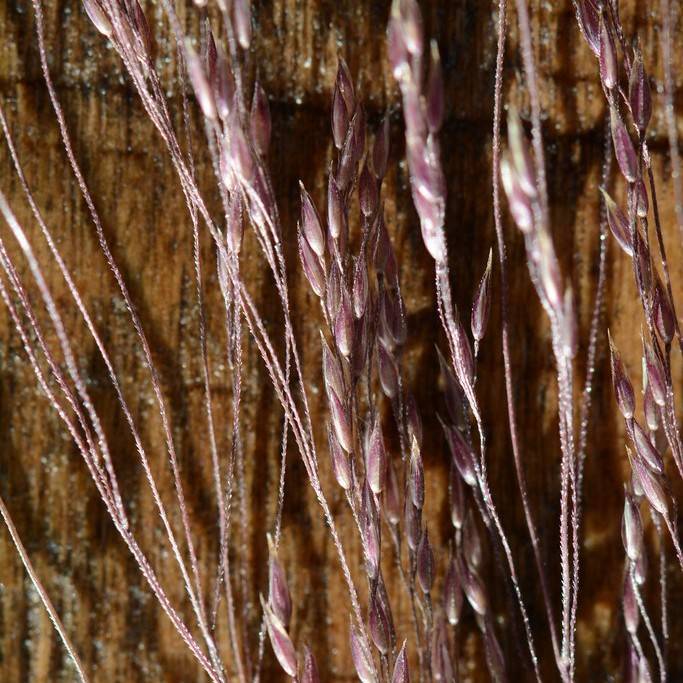
Idaho Bentgrass
Agrostis idahoensis
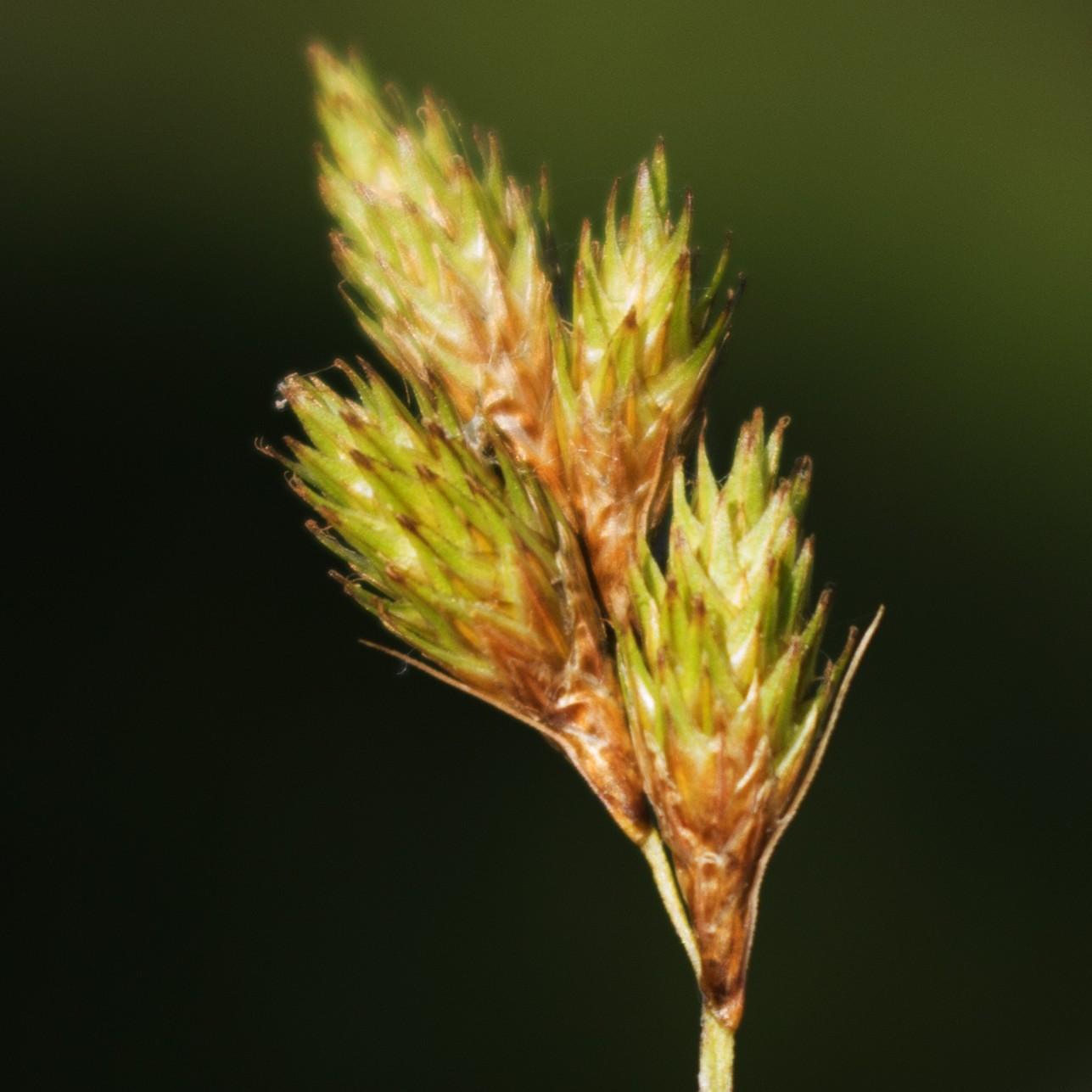
Broom Sedge
Andropogon virginicus
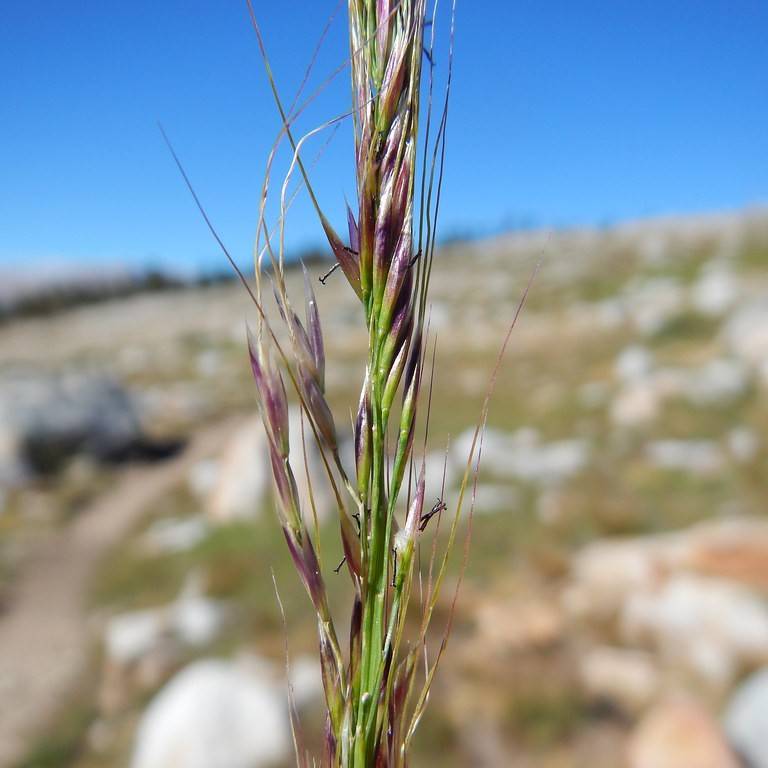
California Needlegrass
Nassella pulchra
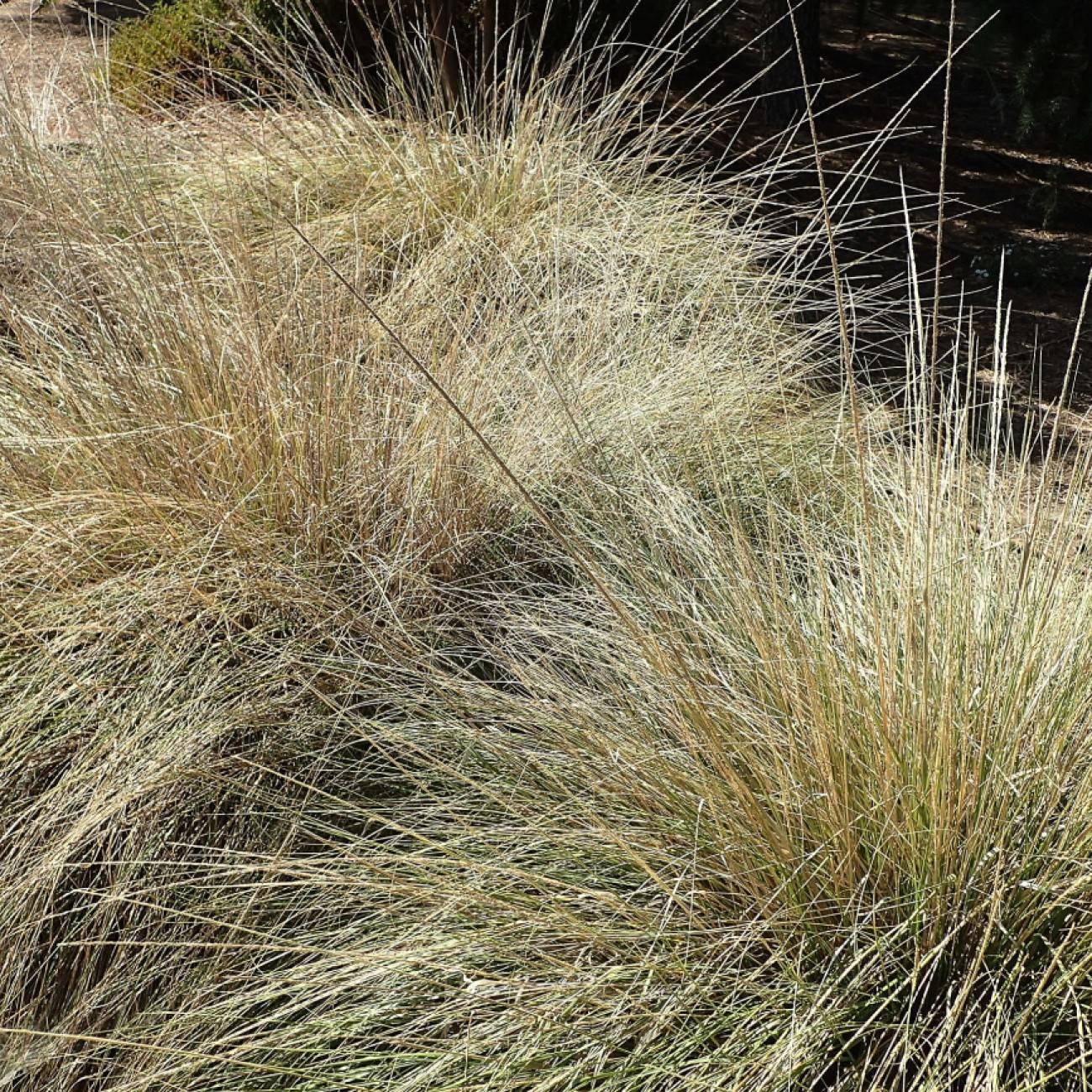
Deergrass
Muhlenbergia rigens
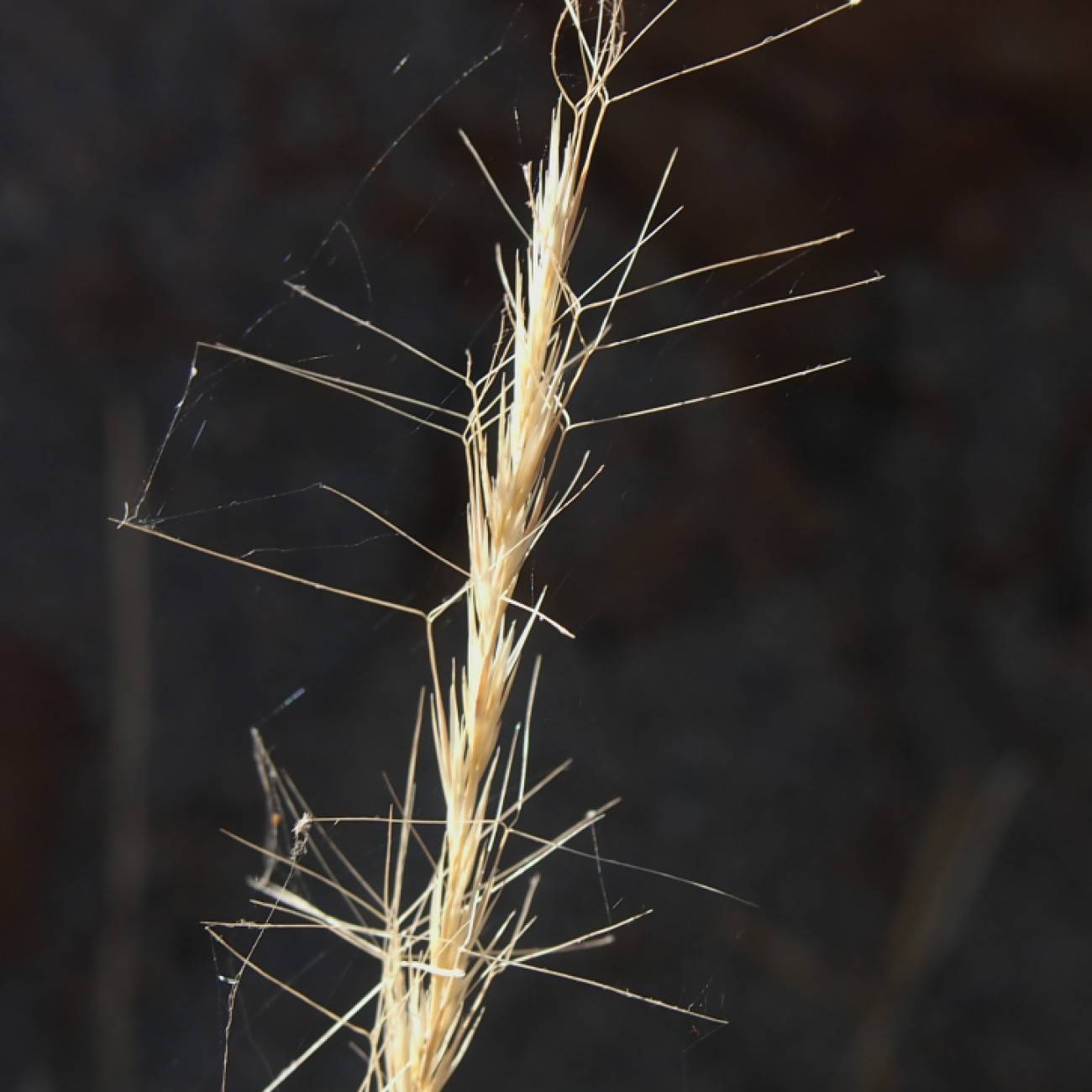
Forked Three Awned Grass
Aristida dichotoma
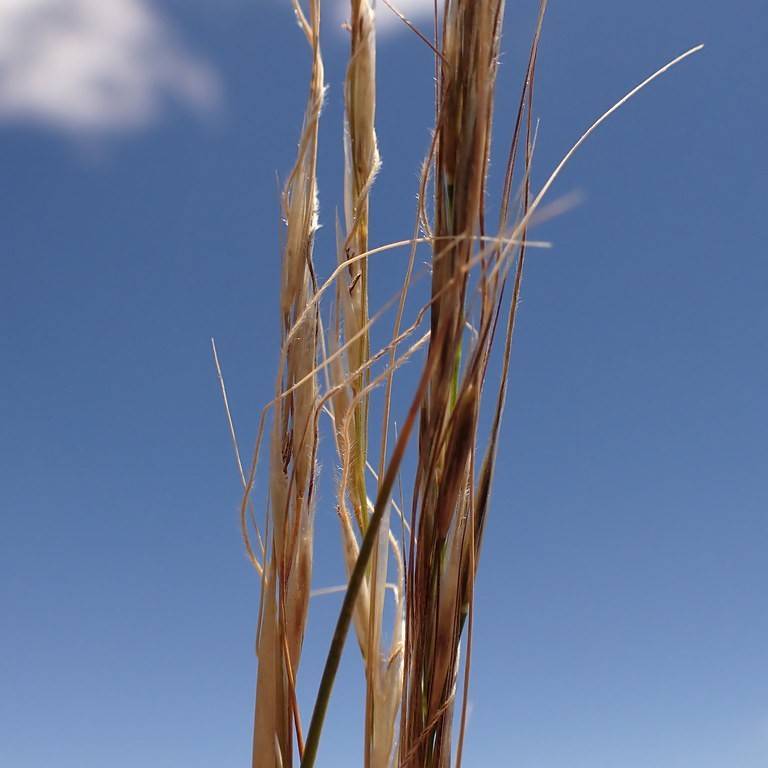
Common Western Needlegrass
Eriocoma occidentalis (formerly Achnatherum occidentale)
Columbia Needlegrass
Eriocoma nelsonii subsp. dorei (syn. Achnatherum nelsonii subsp. dorei)