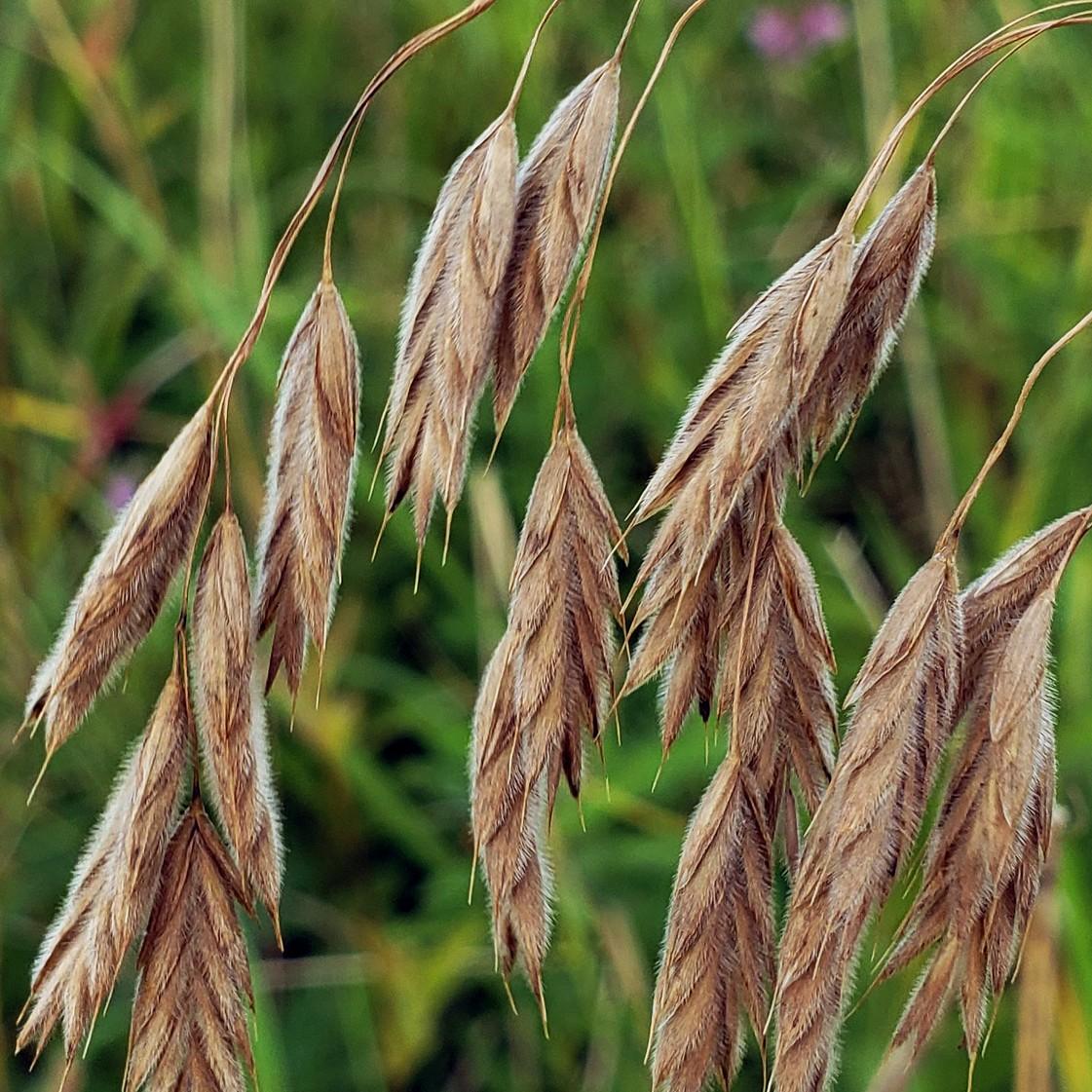
Fringed Brome
Bromus ciliatus
Overview
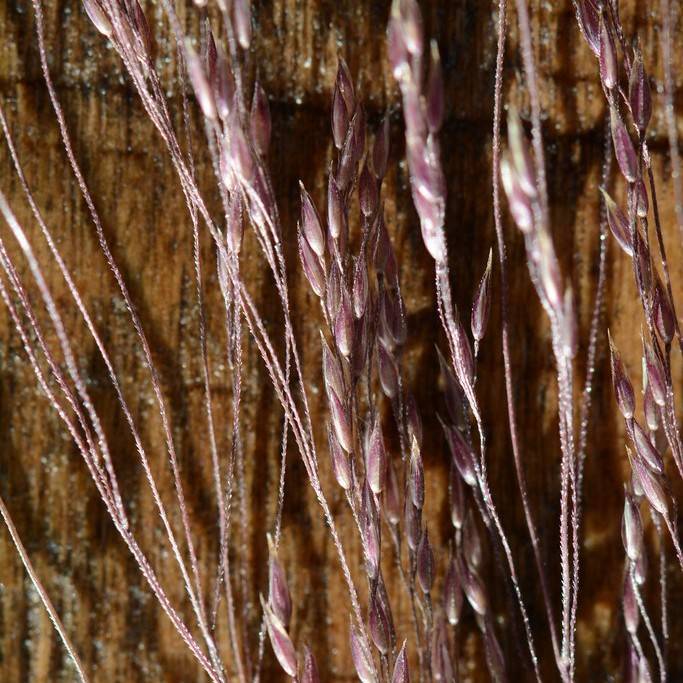
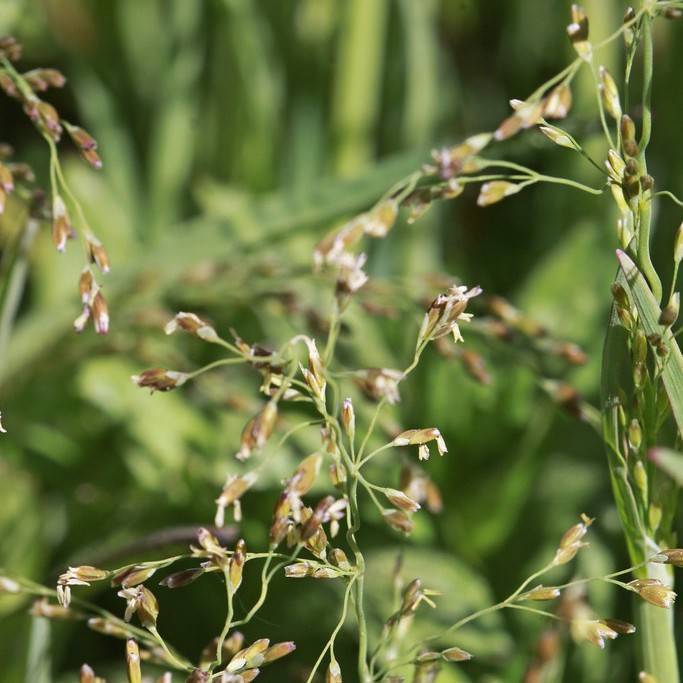
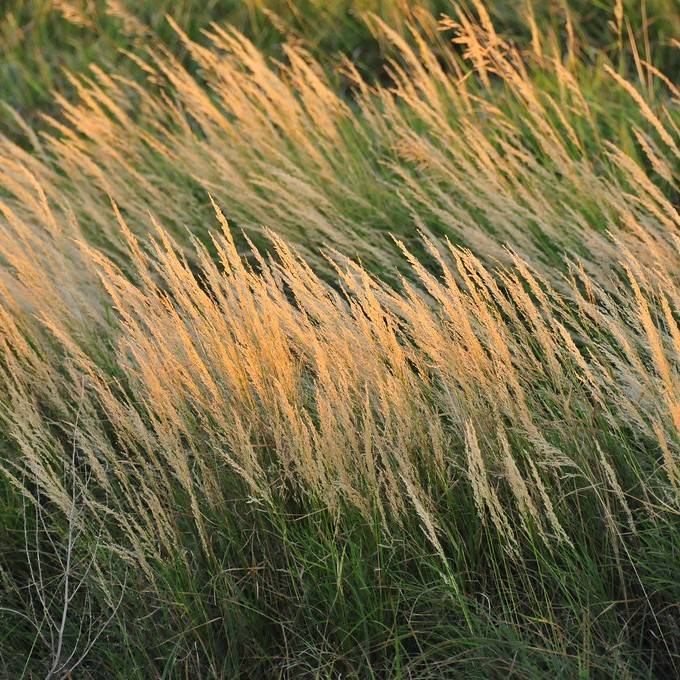
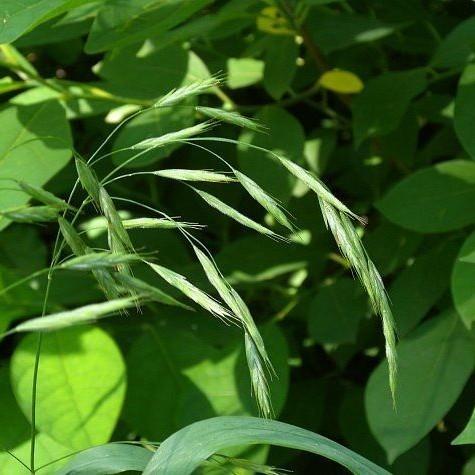
Fringed brome is a tufted cool-season grass distinguished by its delicate, open seed heads and fine, fringed leaf margins that give the species its common name. It thrives in a range of habitats from moist meadows and woodlands to roadside ditches, adapting well to variable growing conditions across its native range. A key component of native prairie and woodland plant communities, it supports local ecosystems by providing food and shelter for a variety of species.
Care Guide
Watering
Fringed brome prefers consistently moist, well-drained soil but tolerates short periods of drought once established. Water newly planted specimens regularly for the first growing season to encourage deep root formation; mature plants only need supplemental watering during extended dry spells. Avoid overwatering or saturated soil, which can lead to root rot in poorly drained sites.
Light
This grass grows best in full sun to partial shade, tolerating dappled shade under open tree canopies better than many other prairie grass species. Full sun exposure promotes denser foliage growth and more abundant seed head production, while partial shade is ideal for hotter, drier regions to prevent leaf scorch. Avoid deep, full shade, which will cause sparse, leggy growth and reduced vigor.
Soil
Fringed brome adapts to a wide range of soil types, including loam, sandy loam, clay loam, and slightly rocky substrates, with a preferred neutral to slightly acidic pH range of 6.0 to 7.5. It tolerates occasionally wet soil, making it suitable for rain gardens and low-lying areas that experience periodic saturation. Heavy, poorly drained clay soils should be amended with organic matter to improve drainage before planting.
Fertilizer
As a native grass, fringed brome typically does not require regular fertilization, especially when grown in its native habitat in moderately fertile soil. Poor, nutrient-depleted soils can be amended with a thin layer of compost in early spring to support healthy growth without encouraging excessive, floppy foliage. Avoid high-nitrogen synthetic fertilizers, which can lead to overly lush growth that is prone to lodging and pest issues.
Temperature
Fringed brome is a cool-season grass that thrives in temperatures between 60 and 75°F (15 to 24°C), with active growth occurring in spring and fall. It is extremely cold hardy, tolerating winter temperatures as low as -40°F (-40°C) in USDA hardiness zones 3 through 9. High summer temperatures above 90°F (32°C) will cause the grass to go dormant until cooler fall conditions return.
Pruning
Prune fringed brome in late winter or early spring before new growth emerges, cutting back dead foliage to 3 to 4 inches above the soil line to make space for fresh shoots. Deadheading spent seed heads is optional, but leaving them intact provides food for birds through the winter months and supports natural self-seeding in wild or naturalized areas. Trim any damaged or diseased foliage as needed throughout the growing season to maintain a tidy appearance.
Propagation
Fringed brome is most easily propagated by seed, which can be sown directly outdoors in late fall for cold stratification over winter, or in early spring after stratifying seeds in the refrigerator for 30 to 60 days. Established clumps can also be divided in early spring every 3 to 4 years to reduce overcrowding, with each divided section planted at the same depth as the original plant and watered regularly until established. Self-sown seedlings are common in optimal growing conditions and can be transplanted to desired locations when they are 3 to 4 inches tall.
Humidity
Fringed brome adapts to a wide range of humidity levels, thriving in the moderate humidity of its native prairie and woodland habitats as well as drier conditions in arid regions. It does not require any supplemental humidity when grown outdoors, and excessive high humidity combined with poor air circulation can increase the risk of fungal leaf spot diseases. Ensure plants have adequate spacing to promote air flow around foliage in areas with high summer humidity.
Repotting
Fringed brome is rarely grown in containers, but if planted in pots, repot every 2 to 3 years in early spring before new growth begins, moving to a container one size larger with fresh, well-drained potting mix amended with compost. Gently loosen the root ball when repotting to encourage new root growth, and water thoroughly after repotting to reduce transplant shock. Avoid overpotting, as excess soil can hold too much moisture and lead to root rot.
Uses & Symbolism
Fringed brome is a high-quality forage grass for livestock and wild grazing animals such as deer and elk, with soft, palatable foliage that is highly nutritious in spring and early summer. It is widely used in native prairie restoration projects, erosion control efforts on slopes and stream banks, and rain garden plantings due to its extensive root system that stabilizes soil. The seed heads provide food for songbirds and small mammals, while the dense foliage offers shelter for ground-nesting birds and beneficial insects.
Diseases & Pests
Fringed brome is relatively resistant to most pests and diseases, though it can occasionally be affected by fungal leaf spots and rust in conditions of high humidity and poor air circulation. Aphids and grasshoppers may feed on the foliage, but infestations are rarely severe enough to require treatment in healthy, established stands. Overly wet, poorly drained soil can lead to root rot, which can be prevented by amending heavy soil before planting and avoiding overwatering.
Related plants
Other plants you might like if you grow Fringed Brome.