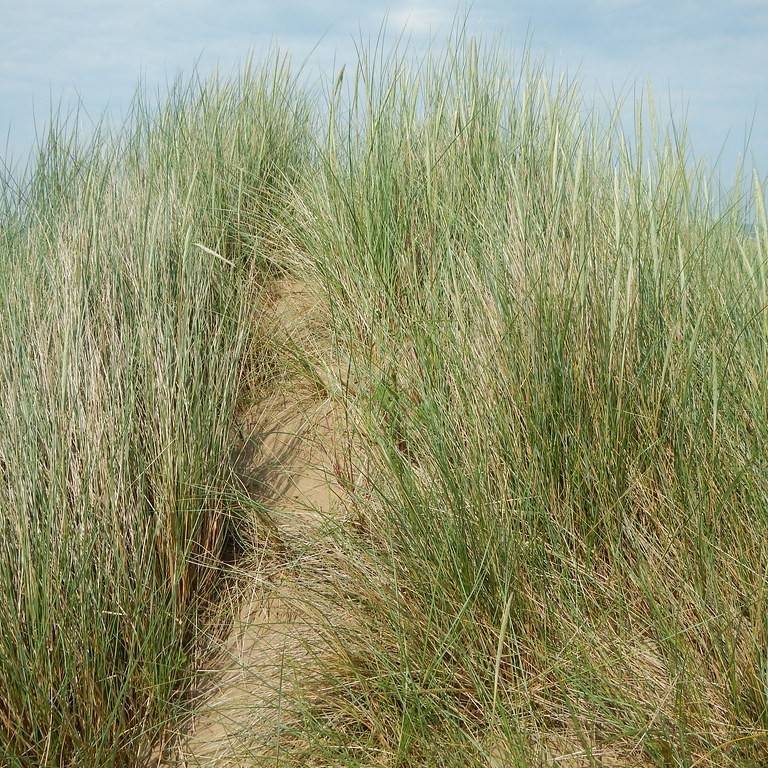
European Beachgrass
Ammophila arenaria
Overview
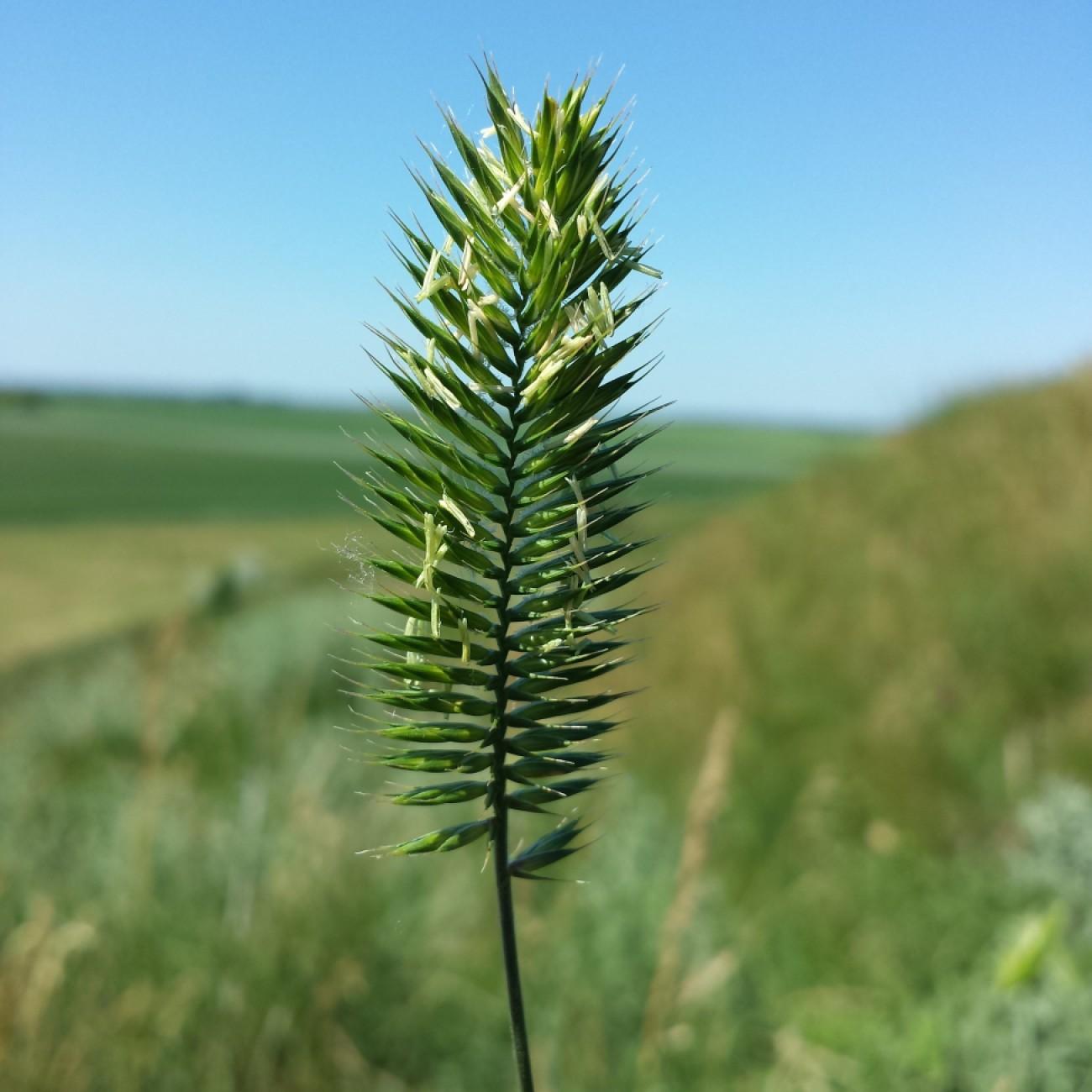
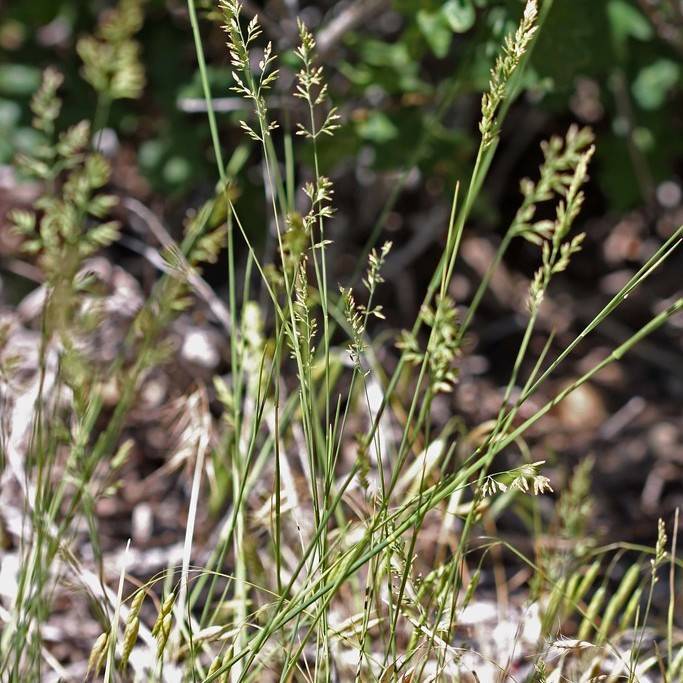
European Beachgrass is a halophytic perennial grass adapted to thrive in shifting, nutrient-poor sandy dune environments, where its extensive, deep rhizome network traps sand and prevents erosion. It produces stiff, rolled gray-green leaves that minimize water loss in windy, saline conditions, and pale, feathery flower panicles that emerge from late spring to mid-summer. Introduced to North America, Australia, and other temperate coastal regions for dune restoration, it has become invasive in some areas by outcompeting native dune plant species.
Care Guide
Watering
European Beachgrass is extremely drought-tolerant once established, requiring only natural rainfall in its native coastal habitat; supplemental watering is rarely needed, even during extended dry periods. Overwatering, especially in heavy, poorly draining soils, will quickly cause root rot and kill the plant, so it should never be kept in consistently moist conditions.
Light
This grass requires full, direct sunlight for optimal growth, performing poorly in even partial shade, where it becomes sparse, weak, and prone to pest infestations. It can tolerate intense, reflective sunlight off sand surfaces without leaf scorch, making it ideal for exposed coastal locations.
Soil
European Beachgrass is adapted to poor, sandy, well-draining soils with low nutrient content, and it will not thrive in loam, clay, or soils with high organic matter. It tolerates highly alkaline to slightly acidic pH levels and high salt concentrations in both soil and air, making it uniquely suited to coastal dune environments.
Fertilizer
Fertilization is almost never required for European Beachgrass, as it is adapted to low-nutrient sandy soils; even mild fertilization can disrupt its growth and reduce its ability to stabilize dunes. If grown in a container for a specific restoration project, a very dilute, low-nitrogen fertilizer may be applied once per year in early spring, but this is generally unnecessary.
Temperature
It grows best in temperate coastal climates with average temperatures between 50–75°F (10–24°C), and is hardy in USDA zones 4 through 9, tolerating winter lows down to -30°F (-34°C) when established. It can withstand occasional extreme heat and wind, as long as soil drainage remains excellent, but will not survive prolonged, humid tropical conditions.
Pruning
Pruning is minimal for European Beachgrass; dead or damaged foliage can be trimmed back in late winter before new growth emerges to keep stands looking tidy. Overgrown or invasive stands may be mowed or dug up to control spread, though its deep rhizomes make complete eradication difficult once it is established.
Propagation
European Beachgrass is most commonly propagated via rhizome cuttings, which are planted directly in damp sand in early spring for rapid establishment; cuttings root quickly in their native dune environment with minimal intervention. It can also be grown from seed, though germination rates are low and seedlings grow much more slowly than rhizome-propagated plants, making this method far less common for restoration or landscaping use.
Humidity
It tolerates a wide range of humidity levels, from dry coastal breezes to moderately humid summer conditions, as long as air circulation is excellent. It will not tolerate stagnant, high-humidity conditions with no airflow, which increase the risk of fungal leaf diseases.
Repotting
European Beachgrass is almost never grown in containers for long-term use, as its extensive rhizome system requires large amounts of space to spread and perform its dune-stabilizing function. If temporarily held in containers for restoration projects, it should be planted out in its permanent dune location as soon as possible, ideally within 2–3 months of rooting, to avoid stunting growth.
Uses & Symbolism
European Beachgrass is the most widely used plant for coastal sand dune stabilization and erosion control, as its dense rhizome network binds shifting sand and protects shorelines from storm surge and wind damage. It is occasionally planted in xeriscaped coastal landscapes as a low-maintenance ornamental grass, though its aggressive spread means it requires careful containment to avoid becoming invasive. Historically, its tough, fibrous stems were used for thatching, basket weaving, and making rope in coastal European communities.
Diseases & Pests
European Beachgrass is relatively pest and disease resistant in its native habitat, though it may occasionally be affected by fungal rust diseases in humid, poorly ventilated conditions, which cause orange or brown spots on foliage. Root rot is the most common issue for plants grown in heavy, waterlogged soils, and can kill stands rapidly if drainage is not improved. It may also be fed on by aphids and grasshoppers, though infestations are rarely severe enough to harm established, healthy plants.
Related plants
Other plants you might like if you grow European Beachgrass.