Icelandic Poppy
Papaver nudicaule
Overview
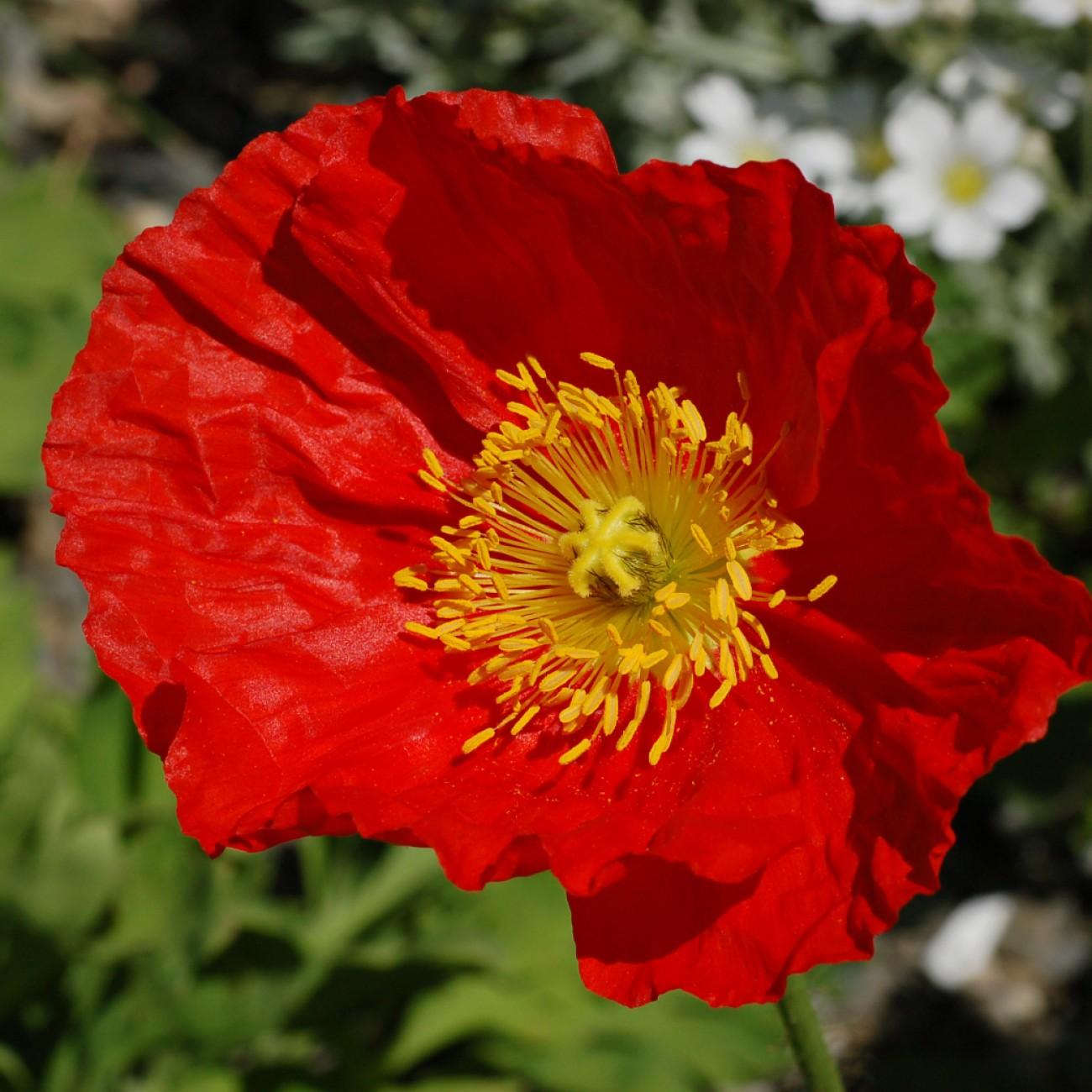
Icelandic Poppies produce delicate, tissue-papery flowers in shades of white, yellow, orange, pink, and red, held atop fuzzy, leafless stems above rosettes of gray-green, lobed foliage. Though technically a short-lived perennial, it is often grown as a biennial or cool-season annual in temperate climates where summer heat limits its lifespan. It blooms heavily in spring to early summer, with individual flowers lasting up to a week in the garden and even longer as cut flowers when harvested just as buds begin to open.
Care Guide
Watering
Water Icelandic Poppies regularly to keep soil evenly moist but not waterlogged, as soggy conditions quickly cause root rot. Reduce watering frequency once plants are established, allowing the top 1 inch of soil to dry out between sessions during cooler weather. Avoid overhead watering to prevent fungal growth on foliage and stems.
Light
Plant Icelandic Poppies in full sun, which encourages robust stem growth and abundant flowering; a minimum of 6 hours of direct sunlight daily is required for best performance. In regions with very hot late spring sun, provide light afternoon shade to extend the blooming period and prevent foliage scorch. Insufficient light leads to leggy growth and reduced flower production.
Soil
Icelandic Poppies thrive in well-drained, sandy or loamy soil with a neutral to slightly alkaline pH between 6.5 and 7.5. Heavy clay soils should be amended with compost or coarse sand to improve drainage, as standing water is fatal to their shallow root systems. Avoid overly rich, nitrogen-heavy soils, which promote excessive foliage growth at the expense of flowers.
Fertilizer
Fertilize sparingly, applying a balanced, slow-release 10-10-10 fertilizer at planting time or in early spring when new growth emerges. Over-fertilization leads to weak, floppy stems and fewer blooms, so additional feedings are rarely needed for plants grown in moderately fertile soil. If growing in containers, apply a diluted liquid bloom fertilizer once every 4 weeks during the flowering period.
Temperature
Icelandic Poppies prefer cool temperatures between 50-75°F (10-24°C) and tolerate light frosts down to 20°F (-7°C) without damage. They do not tolerate high heat and humidity, often declining and dying back once summer temperatures regularly exceed 80°F (27°C), making them ideal for cool coastal or northern climates. In mild winter regions, they can be planted in fall for winter and early spring bloom.
Pruning
Deadhead spent flowers regularly by cutting stems back to the base of the foliage to encourage continuous blooming throughout the growing season. Remove any yellowed or damaged leaves promptly to improve air circulation and reduce the risk of fungal disease. Once plants decline in summer heat, pull them up and compost them to make space for warm-season plantings.
Propagation
Icelandic Poppies are most commonly grown from seed, which requires light to germinate; sow seeds directly on the soil surface in fall or early spring, as they do not transplant well due to their long taproot. Stratify seeds by refrigerating them for 2-3 weeks before sowing to improve germination rates in warmer climates. Avoid disturbing the root system when moving volunteer seedlings that self-sow in the garden.
Humidity
Icelandic Poppies prefer low to moderate humidity levels between 30-50%, and are prone to fungal diseases in high-humidity environments. Ensure plants are spaced 6-12 inches apart to promote good air circulation around foliage and stems, which reduces moisture buildup on plant surfaces. Avoid misting or overhead watering to keep foliage dry and prevent powdery mildew and leaf spot.
Repotting
Icelandic Poppies grown in containers rarely need repotting, as they have a shallow taproot and prefer to be slightly root-bound, and their short lifespan means they complete their life cycle in one growing season. If repotting is necessary, do so only when plants are very young, taking extreme care not to damage the taproot, as injury often leads to plant death. Use a well-drained potting mix with added perlite or sand to ensure proper drainage in containers.
Uses & Symbolism
Icelandic Poppies are a popular choice for cool-season flower beds, rock gardens, and container displays, where their bright, delicate blooms add soft color and textural contrast. They are highly valued as cut flowers, with stems that can last up to 10 days in a vase if harvested just as buds begin to unfurl and seared at the cut end to prevent sap loss. In traditional folk medicine, limited preparations of the plant were used for mild pain relief, though its toxic alkaloids make internal use unsafe without professional guidance.
Diseases & Pests
Common fungal diseases affecting Icelandic Poppies include powdery mildew, downy mildew, and botrytis blight, all of which thrive in damp, poorly ventilated conditions, and can be prevented by proper spacing, avoiding overhead watering, and removing infected plant material promptly. Aphids and spider mites may feed on sap from foliage and stems, causing stunted growth and leaf distortion; these pests can be controlled with insecticidal soap or neem oil applications, or by introducing beneficial predatory insects like ladybugs. Root rot is a common fatal issue caused by overwatering or poorly drained soil, which can be avoided by amending heavy soils and allowing the top layer of soil to dry between waterings.
Related plants
Other plants you might like if you grow Icelandic Poppy.