Brompton Stock
Matthiola incana var. annua
Overview
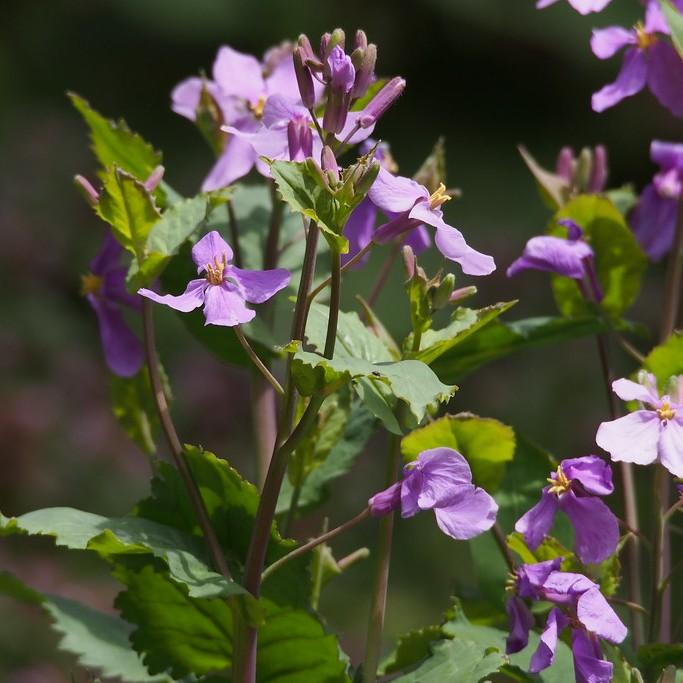
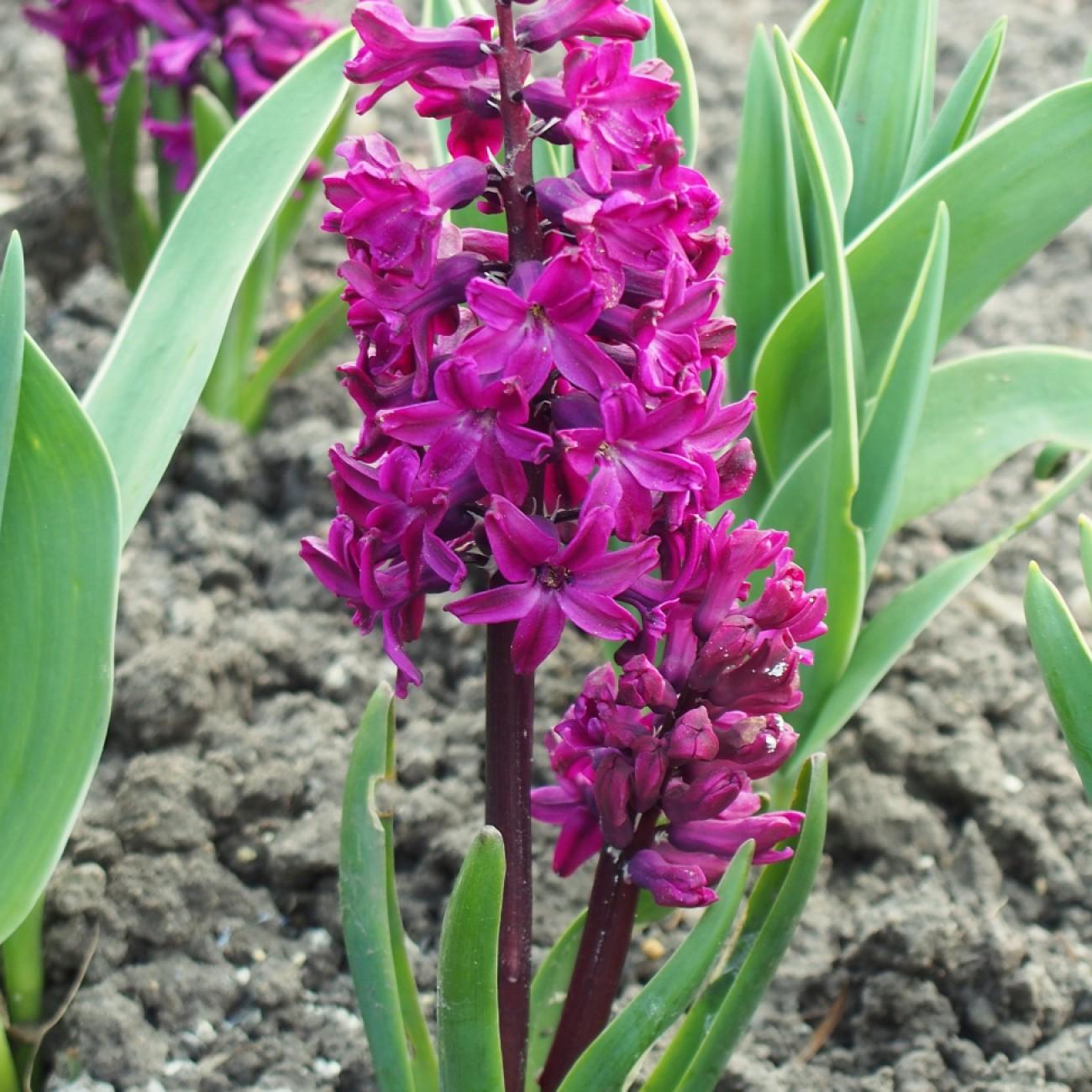
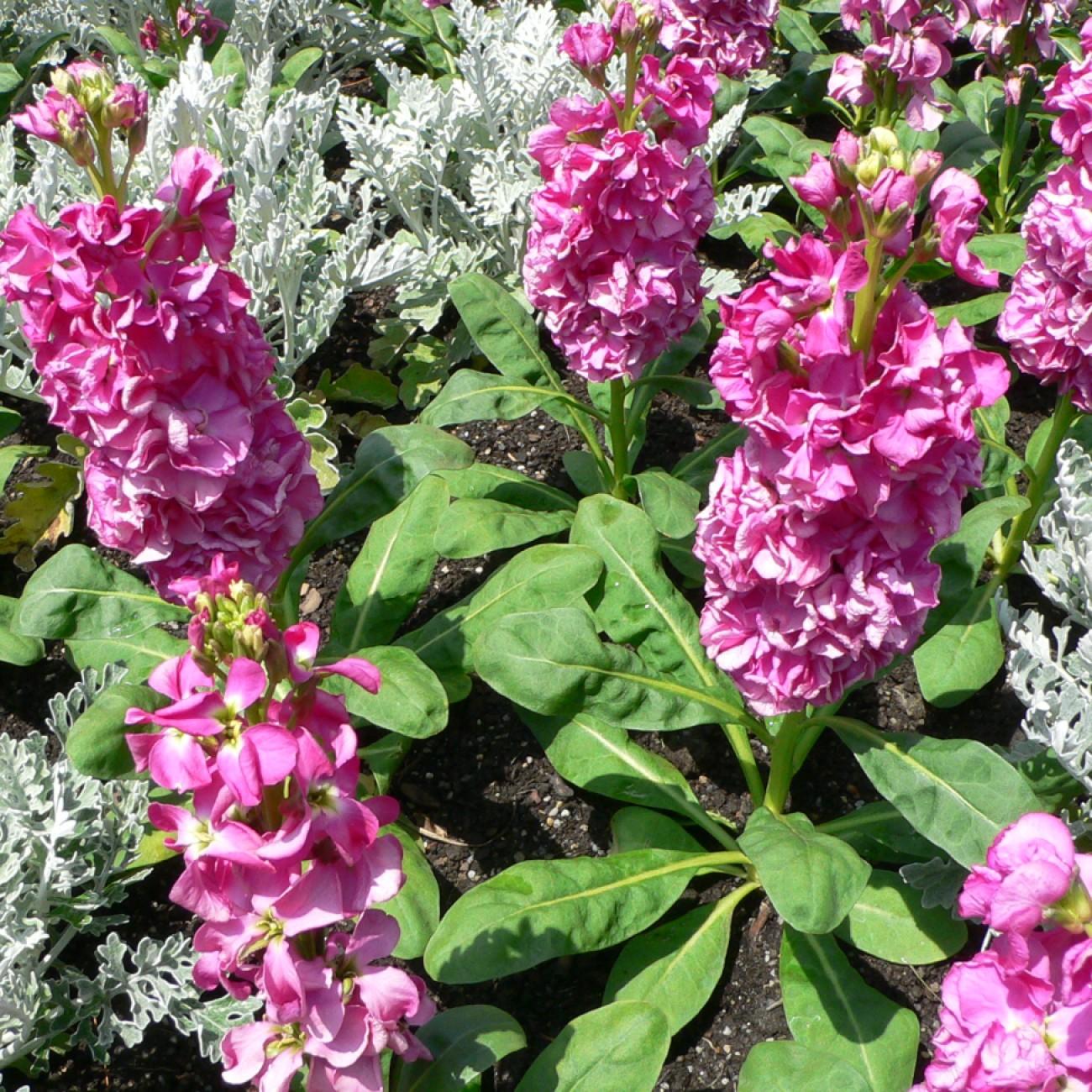
Brompton Stock is a popular ornamental cultivar of Matthiola incana, prized for its dense, spiky clusters of sweetly scented double or semi-double flowers in shades of pink, purple, white, cream, and apricot. It is typically grown as a biennial, sown in late summer to bloom the following spring, though it may be treated as a cool-season annual in mild climates. Its clove-like fragrance and long vase life make it a staple in cottage gardens and cut flower arrangements alike.
Care Guide
Watering
Water Brompton Stock regularly to keep soil evenly moist but not waterlogged, as soggy conditions can lead to root rot. Allow the top 1 inch of soil to dry out slightly between waterings, and reduce frequency during periods of cool, rainy weather to prevent fungal issues. Water at the base of the plant rather than overhead to keep foliage dry and minimize disease risk.
Light
Grow Brompton Stock in full sun, which supports robust growth and maximum flower production; it tolerates light partial shade in very warm climates, though blooming may be less prolific. Ensure plants receive at least 6 hours of direct sunlight daily to encourage strong stems and dense flower spikes. Too much shade will lead to leggy growth and fewer, less fragrant blooms.
Soil
Plant Brompton Stock in well-drained, fertile loam soil with a neutral to slightly alkaline pH between 6.5 and 7.5 for optimal growth. Amend heavy clay soils with compost or well-rotted manure to improve drainage, as the plant is sensitive to standing water around its root system. Avoid overly acidic soils, which can inhibit nutrient uptake and lead to stunted growth.
Fertilizer
Feed Brompton Stock with a balanced, slow-release 10-10-10 fertilizer at planting time to support initial root and foliage development. Apply a diluted liquid bloom booster fertilizer high in phosphorus every 2 to 3 weeks once flower buds begin to form to encourage larger, more fragrant blooms. Avoid overfertilizing with high-nitrogen products, which will promote leafy growth at the expense of flowers.
Temperature
Brompton Stock thrives in cool temperatures between 50 and 65°F (10 and 18°C), and can tolerate light frosts down to 25°F (-4°C) once established. It performs poorly in high heat, with temperatures above 75°F (24°C) causing blooming to cease and plants to decline. In areas with hot summers, it is best grown as a fall or early spring biennial to avoid heat stress.
Pruning
Deadhead spent flower spikes regularly to encourage reblooming and extend the flowering period throughout the cool season. Cut back stems to just above a set of healthy leaves after the first flush of blooms fades to stimulate new growth and additional flower production. Pull up and discard entire plants once they finish blooming and begin to decline in summer heat, as they will not regrow for a third season.
Propagation
Brompton Stock is most commonly propagated from seed, sown directly in the garden 6 to 8 weeks before the first expected fall frost for spring blooms, or started indoors 8 to 10 weeks before the last spring frost for summer flowering in cooler climates. Press seeds lightly into the soil surface, as they require light to germinate, and keep soil moist until seedlings emerge in 7 to 14 days. Thin seedlings to 12 to 18 inches apart to provide adequate air circulation and prevent overcrowding.
Humidity
Brompton Stock prefers moderate humidity levels between 40 and 60%, and tolerates drier air better than overly humid conditions. High humidity combined with warm temperatures increases the risk of fungal diseases like powdery mildew and downy mildew, so ensure plants have good air circulation to reduce moisture buildup on foliage. Avoid misting plants, as this can introduce excess moisture to the leaves and promote disease.
Repotting
Brompton Stock is rarely grown in containers long-term, but if potted, repot only if root bound before flower buds form, using a well-drained potting mix with added perlite for drainage. Use containers with ample drainage holes to prevent waterlogging, and avoid repotting once plants have begun to bloom, as this can cause stress and lead to bud drop. Discard potted plants after they finish blooming, as they will not survive a second bloom cycle as a biennial.
Uses & Symbolism
Brompton Stock is a highly popular cut flower, valued for its long vase life of 7 to 10 days and intense clove-like fragrance that fills indoor spaces. It is a staple in cottage gardens, border plantings, and cool-season flower beds, where its pastel blooms add soft color and fragrance to spring and early summer displays. It is also frequently used in wedding and event floral arrangements for its romantic, old-fashioned appearance and pleasant scent.
Diseases & Pests
Brompton Stock is susceptible to fungal diseases including powdery mildew, downy mildew, and root rot, particularly in overly wet, poorly drained soil or high humidity conditions. Common pests include aphids, flea beetles, and cabbage loopers, which feed on foliage and can damage flower buds if left untreated. Rotating plantings with non-brassica crops and providing adequate air circulation can help reduce the risk of both disease and pest infestations.
Related plants
Other plants you might like if you grow Brompton Stock.