Atlas Broom
Cytisus battandieri
Overview
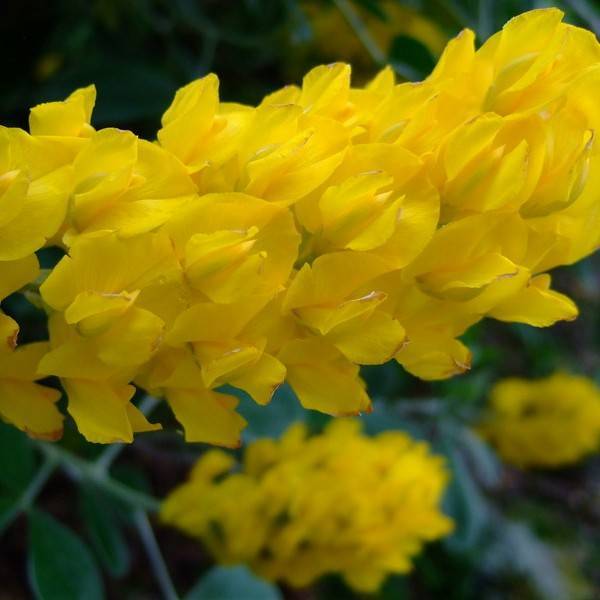
Atlas broom, also called Moroccan broom or pineapple broom, is a deciduous shrub notable for its dense clusters of bright yellow, pea-like flowers that emit a distinct, sweet pineapple scent when in bloom. Unlike many other broom species, it has soft, silvery-green trifoliate leaves that give it a delicate, airy texture throughout the growing season. It is naturally adapted to dry, rocky mountain slopes, making it a hardy choice for water-wise gardens in temperate climates.
Care Guide
Watering
Water newly planted Atlas broom regularly for the first 1-2 growing seasons to establish a deep root system, keeping soil evenly moist but not waterlogged. Once established, it is highly drought-tolerant, requiring only occasional deep watering during extended periods of extreme heat or dryness. Avoid overwatering, as saturated soil will quickly cause root rot and kill the plant.
Light
Atlas broom requires full sun, meaning at least 6-8 hours of direct, unfiltered sunlight per day to produce abundant blooms and maintain a dense, healthy growth habit. It will not thrive in partial shade, where it becomes leggy, produces far fewer flowers, and is more susceptible to pest infestations. Plant it in a south or west-facing location with no overhead shade for best results.
Soil
This shrub prefers well-draining, poor to moderately fertile, neutral to slightly acidic soil, and tolerates sandy, rocky, or gravelly substrates that would be too lean for most other ornamental shrubs. It cannot tolerate heavy clay soil or sites with poor drainage, as standing water around the roots will lead to rapid root decay. Amending heavy soil with coarse sand or grit at planting time will improve drainage enough to support healthy growth.
Fertilizer
Atlas broom is adapted to low-nutrient soils and rarely needs supplemental fertilization, as excessive nitrogen will lead to lanky, weak growth and reduced flowering. If grown in extremely poor soil, apply a light dressing of balanced, slow-release fertilizer in early spring before new growth emerges, taking care not to overapply. Avoid using high-nitrogen lawn fertilizers near the root zone of the plant.
Temperature
It is hardy in USDA zones 6 through 9, tolerating winter lows down to -10°F (-23°C) when planted in a sheltered location away from harsh, drying cold winds. Young plants may benefit from a layer of mulch around the base in winter to protect shallow roots from extreme temperature fluctuations. In regions with hot, humid summers, ensure the plant has good air circulation to prevent fungal leaf diseases.
Pruning
Prune Atlas broom lightly immediately after flowering has finished to remove spent bloom clusters and shape the shrub, cutting back only the current year’s growth to avoid cutting into older, woody stems which rarely resprout. Avoid heavy pruning, as cutting back into bare, old wood will usually kill the affected branches or the entire plant. Remove any dead, damaged, or crossing branches in early spring to improve air flow and maintain plant health.
Propagation
Atlas broom is most commonly propagated from semi-ripe cuttings taken in mid to late summer, using 4-6 inch long sections of the current year’s growth that have partially hardened at the base. Dip cuttings in rooting hormone powder, plant in a well-draining propagating mix, and keep under mist or in a humid propagator until roots form, which usually takes 6-8 weeks. It can also be grown from seed, but seeds require scarification (nicking the hard seed coat) and cold stratification for 3-4 weeks to germinate reliably, and seedlings may not retain the exact characteristics of the parent plant.
Humidity
This shrub prefers moderate to low humidity levels and is well-adapted to dry, arid conditions. In high-humidity regions, ensure the plant has plenty of space around it for good air circulation to prevent fungal leaf spots and powdery mildew from developing on the foliage. It does not require misting or supplemental humidity, even when grown in containers.
Repotting
If grown in a container, repot Atlas broom every 2-3 years in early spring before new growth begins, using a fast-draining, sandy potting mix and a container with multiple drainage holes. Choose a pot only 1-2 inches larger than the current root ball, as excess potting soil will hold too much moisture and cause root rot. Avoid disturbing the root ball more than necessary when repotting, as the plant has delicate, shallow roots that are easily damaged.
Uses & Symbolism
Atlas broom is primarily grown as an ornamental shrub in water-wise, cottage, and rock gardens, where its fragrant yellow blooms and silvery foliage add seasonal interest and contrast to other plantings. It is also used for erosion control on dry, sloped sites where its deep root system stabilizes soil, and its tolerance for poor, rocky substrates makes it ideal for difficult growing locations where few other plants will thrive. Cut stems of blooming Atlas broom are sometimes used in cut flower arrangements for their long-lasting color and pleasant scent.
Diseases & Pests
Atlas broom is relatively pest and disease resistant when grown in suitable conditions, but it can be susceptible to root rot if planted in poorly draining soil or overwatered, which is the most common cause of plant death. In high-humidity conditions with poor air circulation, it may develop fungal issues such as powdery mildew and leaf spot, which can be treated with fungicidal sprays and by improving air flow around the plant. Occasional pest infestations include aphids and spider mites, which can be controlled with insecticidal soap or neem oil sprays applied at the first sign of damage.
Related plants
Other plants you might like if you grow Atlas Broom.