Common Broom
Cytisus scoparius
Overview
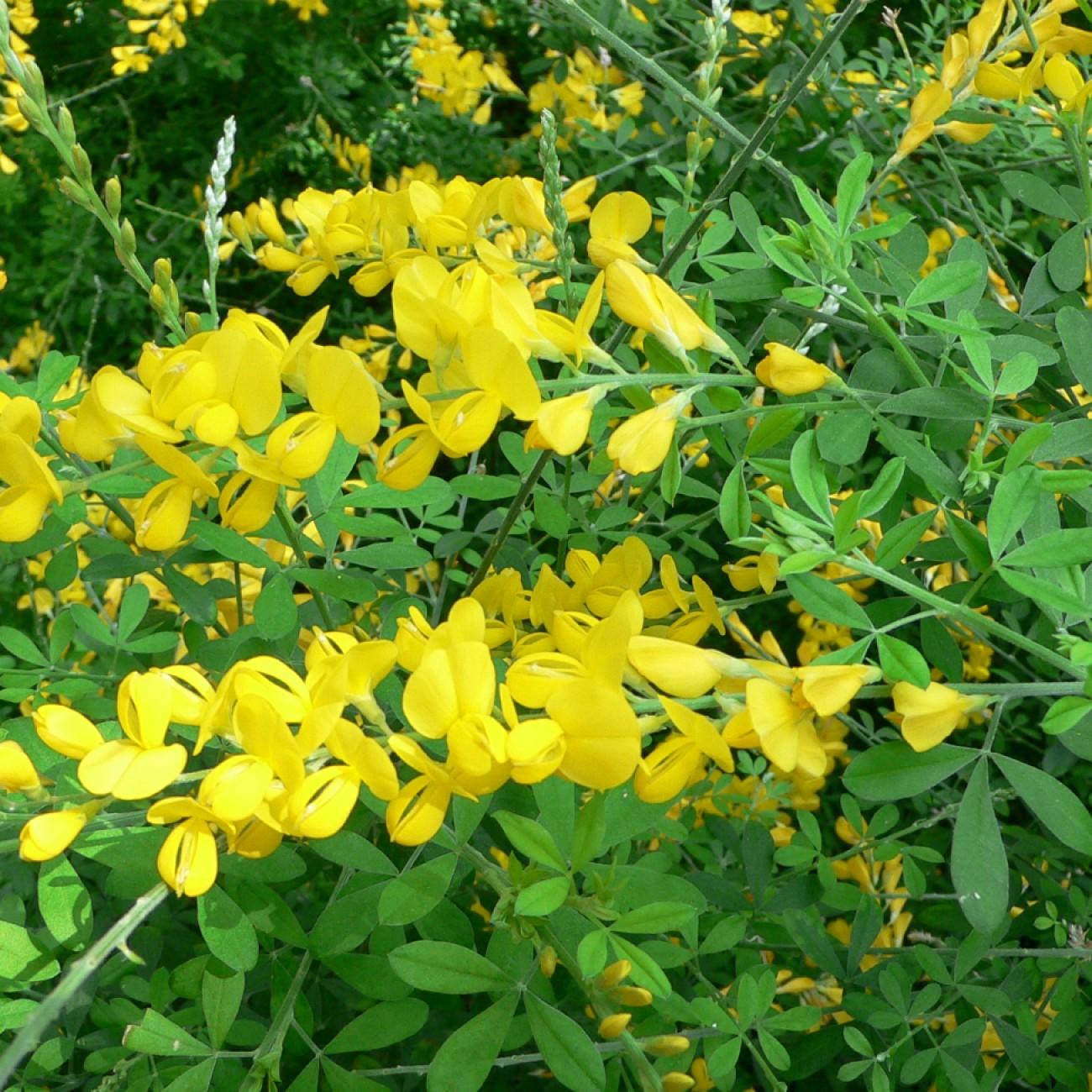
Common broom is a deciduous shrub characterized by slender, green, angled stems that remain photosynthetic even when small leaves drop in dry conditions. It produces dense clusters of pea-like, bright yellow flowers in late spring to early summer, followed by flattened brown seed pods that burst audibly when ripe to disperse seeds over short distances. While cultivated as an ornamental for its showy blooms and drought tolerance, it is classified as an invasive species in parts of North America, Australia, and New Zealand where it outcompetes native vegetation.
Care Guide
Watering
Broom is highly drought-tolerant once established, requiring only occasional deep watering during extended periods of extreme heat or drought. Overwatering, especially in heavy, poorly draining soils, will quickly lead to root rot, so allow the soil to dry out completely between waterings. Newly planted shrubs need regular, light watering for the first 1-2 growing seasons to help roots establish, but reduce frequency once they are settled.
Light
This shrub requires full sun, meaning at least 6-8 hours of direct, unfiltered sunlight per day to produce its characteristic abundant blooms and maintain a compact, healthy growth habit. It will not thrive in partial shade, becoming leggy, producing far fewer flowers, and becoming more susceptible to pest and disease issues. For indoor growing, which is uncommon, place it in a south-facing window with maximum unobstructed light exposure.
Soil
Broom adapts exceptionally well to poor, infertile, sandy, or rocky soils, as long as they are sharply well-draining. It prefers slightly acidic to neutral soil pH, between 5.5 and 7.0, and will struggle in heavy clay or constantly wet soils. Avoid amending the soil with high-nutrient compost or manure at planting time, as rich soils can encourage overly lush, weak growth that is prone to breakage.
Fertilizer
Fertilization is rarely necessary for broom, as it fixes its own nitrogen via symbiotic bacteria in root nodules, allowing it to thrive in low-nutrient soils. If growth is exceptionally stunted or yellowing occurs outside of normal seasonal leaf drop, apply a balanced, slow-release fertilizer at half the recommended rate once in early spring, before new growth emerges. Avoid high-nitrogen fertilizers, which will promote excessive foliage growth at the expense of flower production.
Temperature
Common broom is cold-hardy in USDA zones 5 through 8, tolerating winter temperatures as low as -20°F (-29°C) without significant damage. It thrives in temperate climates with cool winters and warm summers, but may suffer leaf scorch or dieback in extended periods of temperatures above 90°F (32°C) if not provided with adequate soil moisture. In areas with harsh winter winds, plant broom in a sheltered location to prevent stem desiccation and breakage.
Pruning
Prune broom lightly immediately after flowering ends in early summer, cutting back spent flower stems by up to one-third to encourage bushier growth and more abundant blooms the following year. Avoid cutting into old, woody stems, as broom does not resprout well from hard, bare wood, and severe pruning can kill the plant. Remove any dead, damaged, or crossing stems at any time to improve air circulation and reduce disease risk.
Propagation
Broom is most commonly propagated from semi-hardwood cuttings taken in late summer, using 4-6 inch (10-15 cm) stem sections from the current year's growth, dipped in rooting hormone and placed in a well-draining propagating mix. It can also be grown from fresh seed collected from ripe pods in late summer, though seed requires scarification (nicking the hard seed coat) and cold stratification for 2-3 months to germinate reliably. Note that plants grown from seed may not retain the exact flower color or growth habit of the parent plant, while cuttings produce identical clones.
Humidity
Broom prefers low to moderate humidity levels, between 30% and 60%, and is well-adapted to dry, windy conditions common in its native range. High humidity, especially combined with poor air circulation, can lead to fungal leaf spots and powdery mildew on foliage. It does not require misting or supplemental humidity, even in arid climates, as long as its watering needs are met.
Repotting
Broom is rarely grown in containers long-term, as its deep, extensive root system prefers unrestricted growth in open ground. If grown in a pot, choose a deep, wide container at least 2 inches (5 cm) larger than the root ball, with ample drainage holes, and repot only once every 2-3 years in early spring before new growth emerges. Use a fast-draining, sandy potting mix with no added high-nutrient amendments, and avoid disturbing the root ball excessively during repotting to prevent transplant shock.
Uses & Symbolism
Common broom is widely planted as an ornamental shrub in xeriscapes, rock gardens, and roadside plantings, valued for its vibrant spring blooms, drought tolerance, and ability to stabilize soil on slopes and erosion-prone sites. Historically, its flexible stems were used to make brooms, baskets, and thatch, while its bark and flowers were used in traditional herbal medicine, though its toxicity makes internal use unsafe today. It is also occasionally planted as a nitrogen-fixing companion plant to improve soil fertility in poor, degraded sites, though its invasive potential means it should only be planted in regions where it is not known to escape cultivation.
Diseases & Pests
Broom is relatively pest and disease resistant when grown in optimal conditions, but can be susceptible to fungal issues including powdery mildew, leaf spot, and root rot, especially when planted in poorly draining soil or high-humidity areas with limited air circulation. Common pests include aphids, spider mites, and broom psyllids, which suck sap from stems and leaves, causing distorted growth and leaf drop; these can be controlled with insecticidal soap or neem oil for minor infestations. In regions where it is invasive, specialized biocontrol agents including broom seed beetles and twig-mining moths are used to reduce seed production and limit spread.
Related plants
Other plants you might like if you grow Common Broom.