Hylotelephium
Hylotelephium spp.
Overview
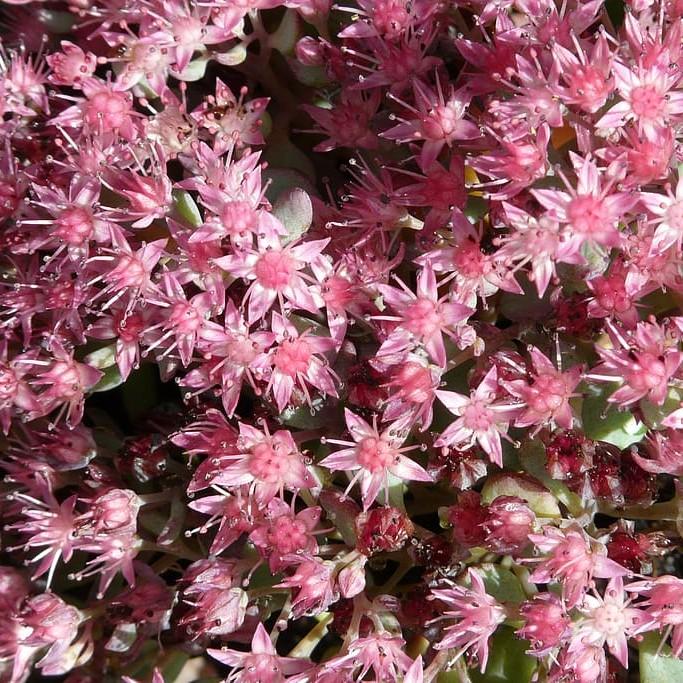
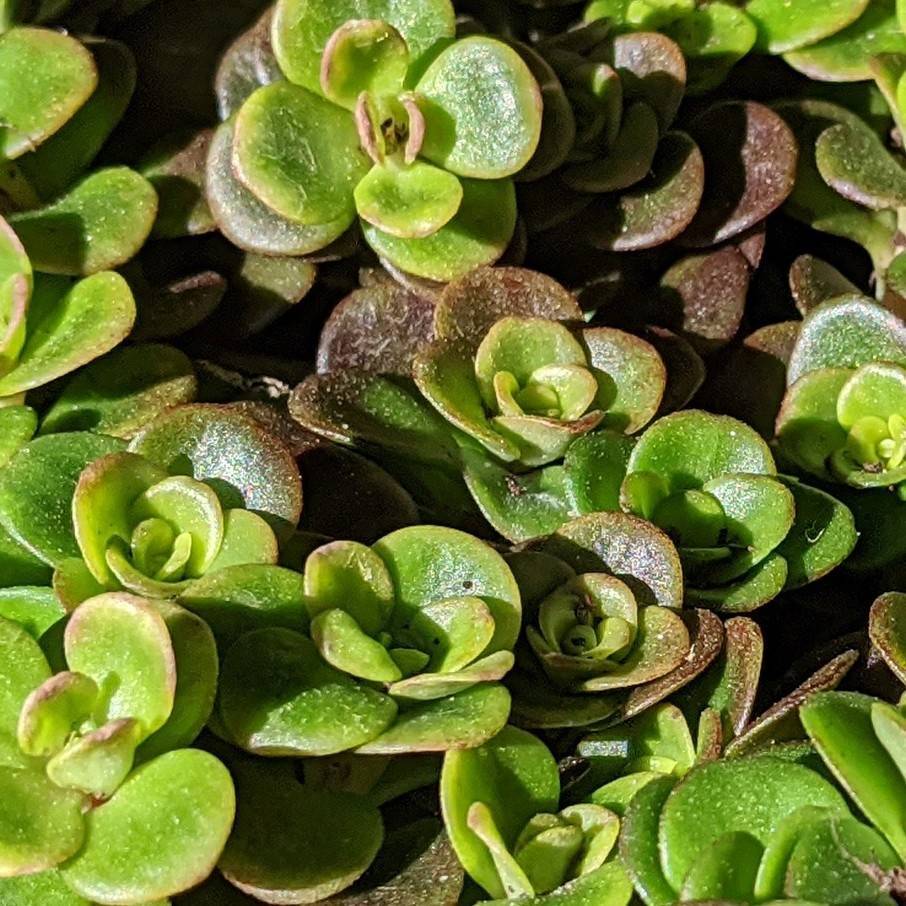
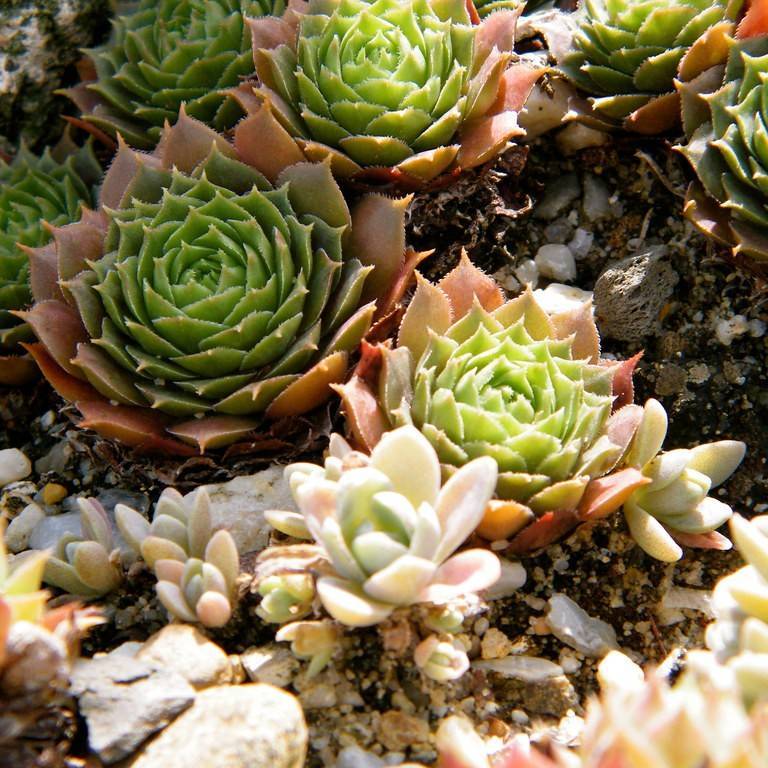
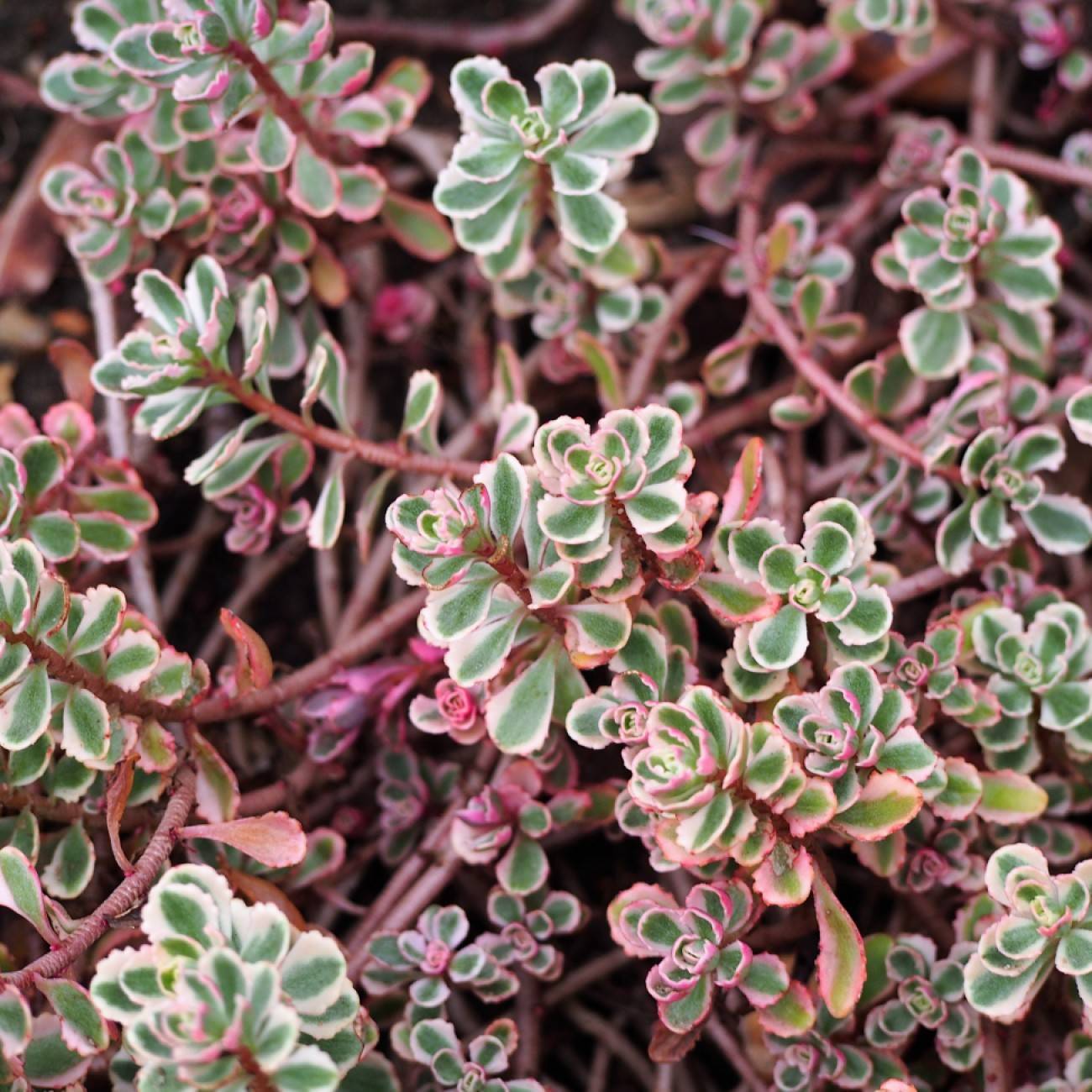
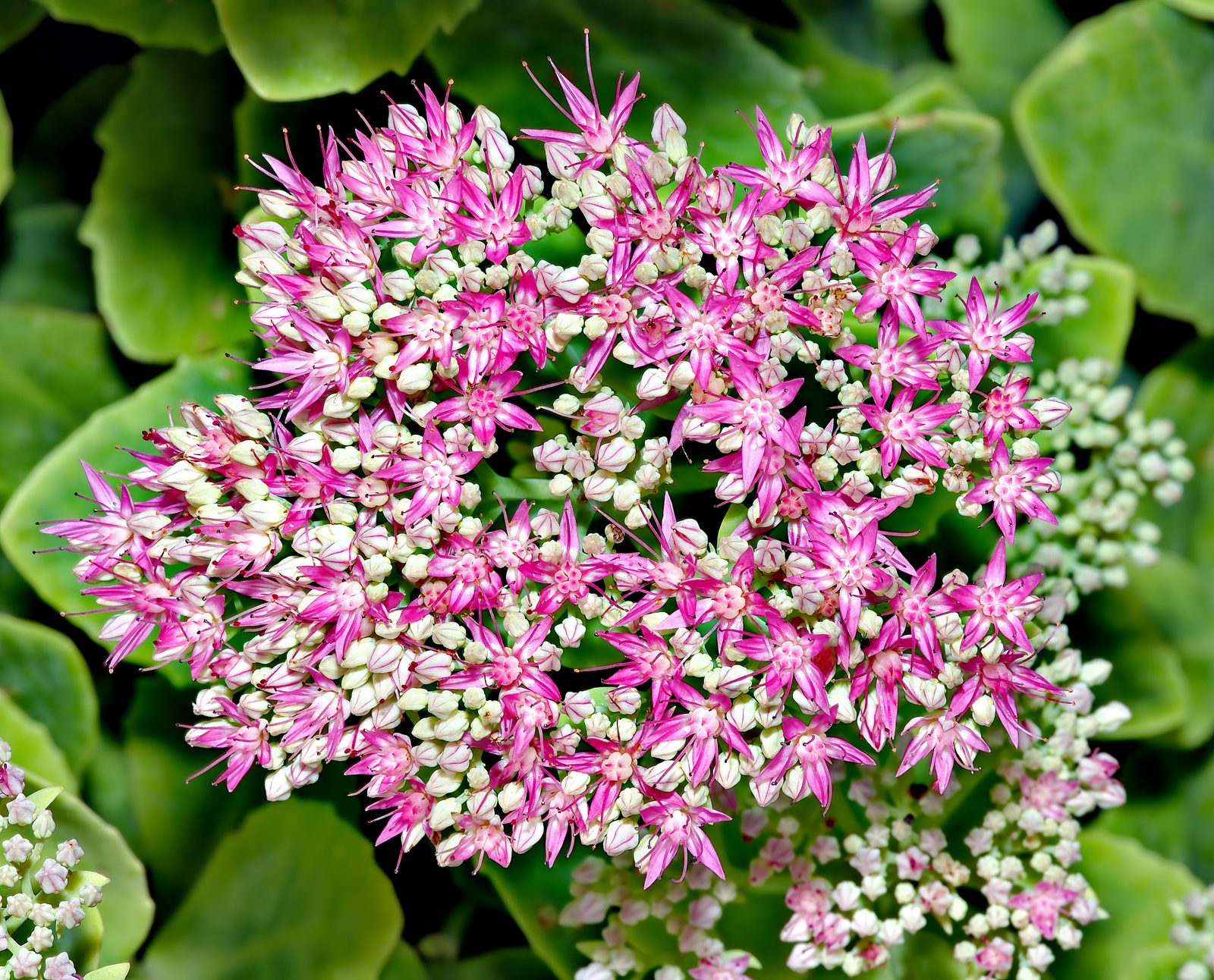
Hylotelephium, often still called stonecrop or sedum by gardeners, is a genus of cold-hardy succulents separated from the Sedum genus in 2001 based on genetic and morphological traits. Most varieties produce thick, fleshy leaves in shades of green, blue-green, burgundy, or variegated, forming low mounds or upright clumps depending on the species. In late summer to fall, they bear dense, flat-topped clusters of tiny star-shaped flowers in pink, red, white, or yellow, which fade to attractive bronze seed heads in winter.
Care Guide
Watering
Hylotelephium is highly drought-tolerant, requiring water only when the top 2-3 inches of soil are completely dry; overwatering is the most common cause of root rot and plant death. In-ground plants rarely need supplemental watering after establishment, while potted specimens may need occasional watering during prolonged hot, dry periods. Reduce watering almost entirely in winter, when the plant is semi-dormant.
Light
This genus thrives in full sun, requiring a minimum of 6 hours of direct sunlight daily to produce dense foliage and abundant blooms. Plants grown in too much shade will become leggy, flop over, and produce fewer flowers. Partial afternoon shade is acceptable only in regions with extremely intense, scorching summer heat.
Soil
Well-draining, low-fertility soil is critical for healthy hylotelephium growth; heavy, water-retentive clay soils will quickly cause root rot. The ideal soil is sandy, gravelly, or loamy with a neutral to slightly alkaline pH, though the plants are adaptable to most soil types as long as drainage is excellent. Avoid amending soil with rich compost or manure, as excessive nutrients cause soft, floppy growth.
Fertilizer
Hylotelephium requires very little fertilization, as excessive nutrients lead to weak growth and reduced flowering. In poor soils, a single light application of balanced, slow-release granular fertilizer in early spring is sufficient to support growth. Potted specimens can be fed with a diluted, balanced liquid fertilizer once annually in spring, at half the recommended strength.
Temperature
Most hylotelephium varieties are cold-hardy in USDA zones 3 through 9, tolerating winter temperatures as low as -40°F (-40°C) when planted in well-drained soil. They thrive in warm summer temperatures between 60°F and 85°F (15°C to 29°C), and can tolerate short periods of extreme heat above 100°F (38°C) if provided with adequate drainage. Winter wetness is far more harmful to these plants than cold temperatures.
Pruning
In early spring, cut back dead, winter-damaged stems to 2-3 inches above the soil line to make way for new growth. For upright varieties, pinching back stem tips by half in late spring will encourage bushier, more compact growth that is less likely to flop over when flowering. Deadheading spent blooms is not required, as the dried seed heads provide winter interest and food for birds.
Propagation
Hylotelephium is easily propagated by stem cuttings taken in spring or early summer; simply snip a 3-4 inch section of healthy stem, remove the lower leaves, and plant in well-draining soil, where it will root in 2-3 weeks without rooting hormone. Division is another simple method, performed in early spring or fall by digging up mature clumps, splitting them into smaller sections with roots attached, and replanting immediately. Seeds can be sown indoors in late winter, though named cultivars will not grow true from seed.
Humidity
This genus is highly tolerant of low humidity, making it well-suited to arid and semi-arid climates. Average household humidity levels of 30-50% are ideal for potted indoor specimens. High humidity, especially combined with cool temperatures and wet soil, increases the risk of fungal diseases, so ensure good air circulation around plants in humid regions.
Repotting
Potted hylotelephium only needs repotting every 2-3 years, when roots begin to grow out of the drainage holes or the soil breaks down. Repot in early spring, using a pot with drainage holes and a well-draining cactus or succulent potting mix. Avoid using a pot that is much larger than the root ball, as excess soil will hold unnecessary moisture and increase rot risk.
Uses & Symbolism
Hylotelephium is a popular choice for rock gardens, xeriscapes, border edges, green roofs, and container plantings, where its low-maintenance nature and late-season blooms add long-lasting color. The flowers are a critical late-season nectar source for bees, butterflies, and other pollinators, while the dried seed heads provide food for songbirds in winter. Some varieties, such as Hylotelephium telephium, have a long history of use in traditional herbal medicine for treating wounds, inflammation, and digestive issues, though medicinal use should be supervised by a professional.
Diseases & Pests
Hylotelephium is largely pest and disease resistant when grown in proper conditions, but overwatering and poor drainage can lead to fungal root rot, crown rot, and powdery mildew. Common pests include aphids, mealybugs, and slugs, which are most likely to attack soft, over-fertilized growth or plants grown in shade. To prevent issues, ensure full sun exposure, well-draining soil, and good air circulation around plants, and avoid overhead watering.
Related plants
Other plants you might like if you grow Hylotelephium.