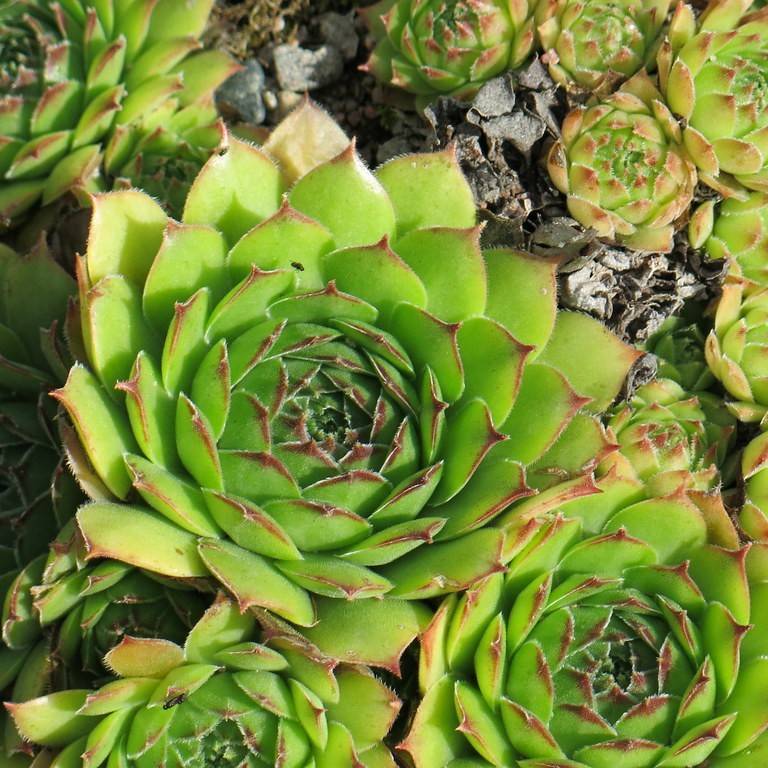
House Leek
Sempervivum tectorum
Overview
House leek, commonly called hens and chicks, produces tight, fleshy rosettes of thick, pointed leaves often edged in red or purple. Mature plants send up tall stalks of star-shaped pink, red, or yellow flowers in summer, after which the flowering rosette dies, leaving offsets to continue growing. It earned its common name from its historic use planted on thatched roofs, where it was believed to ward off lightning and fire.
Care Guide
Watering
House leeks are extremely drought tolerant, requiring watering only when the soil is completely dry, typically every 1-2 weeks in the growing season. Reduce watering to once a month or less in winter, as overwatering is the most common cause of rot, and avoid getting water trapped in the center of rosettes.
Light
Thrives in full sun, requiring at least 6 hours of direct sunlight daily to maintain vibrant leaf color and compact growth. It can tolerate partial shade, but low light will cause elongated, leggy rosettes and faded foliage.
Soil
Needs exceptionally well-draining, gritty soil with a neutral to slightly alkaline pH, ideally a cactus or succulent mix amended with perlite, pumice, or coarse sand to improve drainage. Heavy, water-retentive garden soil will quickly lead to root rot, so raised beds or rocky crevices are ideal for outdoor planting.
Fertilizer
House leeks are light feeders that rarely require fertilization; a single, diluted application of balanced succulent fertilizer in early spring is sufficient for the entire growing season. Avoid fertilizing in fall and winter, as this can encourage soft, vulnerable new growth that is prone to cold damage.
Temperature
Prefers cool to moderate temperatures between 60-75°F (15-24°C) during the growing season, and is extremely cold hardy, surviving temperatures as low as -30°F (-34°C) when planted outdoors in well-drained soil. Indoor plants should be kept away from hot, dry heating vents in winter to prevent leaf desiccation.
Pruning
Minimal pruning is required; simply remove dead, withered outer leaves as needed to maintain a tidy appearance, and cut back spent flower stalks at the base after blooming to encourage new offset growth. Remove any rotting rosettes immediately to prevent the spread of fungal disease to nearby healthy plants.
Propagation
Most easily propagated by gently separating mature offsets, or 'chicks', from the parent 'hen' rosette in spring or summer, replanting them directly in dry, well-draining soil and waiting 1-2 weeks before watering to allow roots to form. It can also be grown from seed, though seed-grown plants will take several years to reach mature size and may not match the parent plant's leaf coloration.
Humidity
Adaptable to a wide range of humidity levels, thriving in the low humidity of most indoor homes and the dry air of alpine outdoor environments. High humidity, especially combined with poor air circulation, increases the risk of fungal rot, so ensure plants have adequate space between rosettes for airflow.
Repotting
House leeks have shallow root systems and only need repotting every 2-3 years, or when the plant has outgrown its container and offsets are spilling over the edges. Repot in a slightly larger container with fresh succulent mix in spring, taking care not to plant rosettes too deep, as this can cause stem rot.
Uses & Symbolism
Historically, house leek was planted on roof tops across Europe as a protective charm against lightning, fire, and evil spirits, while its fleshy leaves were used topically to soothe burns, insect bites, and minor skin irritations. Today, it is a popular ornamental plant for rock gardens, green roofs, succulent containers, and indoor windowsill displays, valued for its low maintenance and attractive evergreen foliage.
Diseases & Pests
Overwatering and poor drainage are the primary causes of root rot and crown rot, the most common issues affecting house leeks, which can be prevented by allowing soil to dry fully between waterings and using gritty, fast-draining soil. Common pests include aphids, mealybugs, and vine weevils, which can be treated with insecticidal soap or neem oil, and removed manually if infestations are small.
Related plants
Other plants you might like if you grow House Leek.
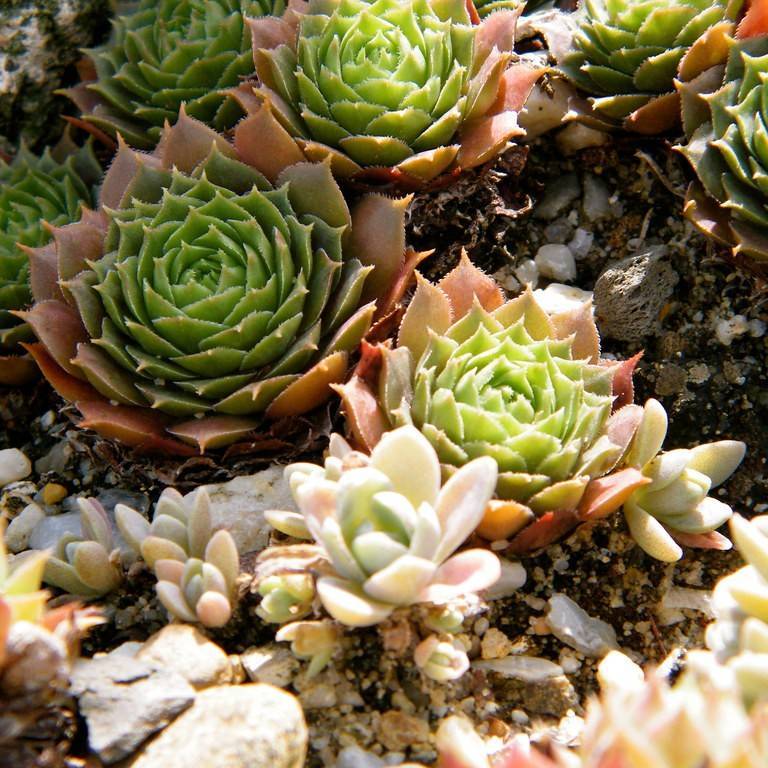
Hens And Chicks
Sempervivum tectorum
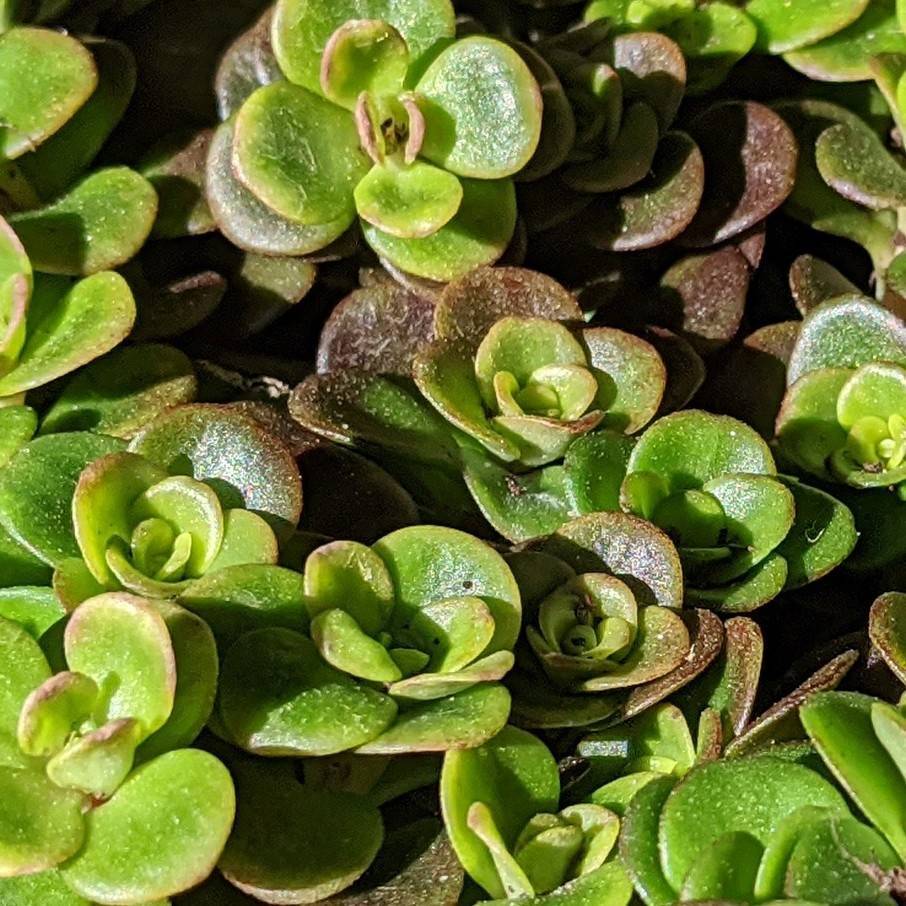
Chinese Sedum
Sedum tetractinum
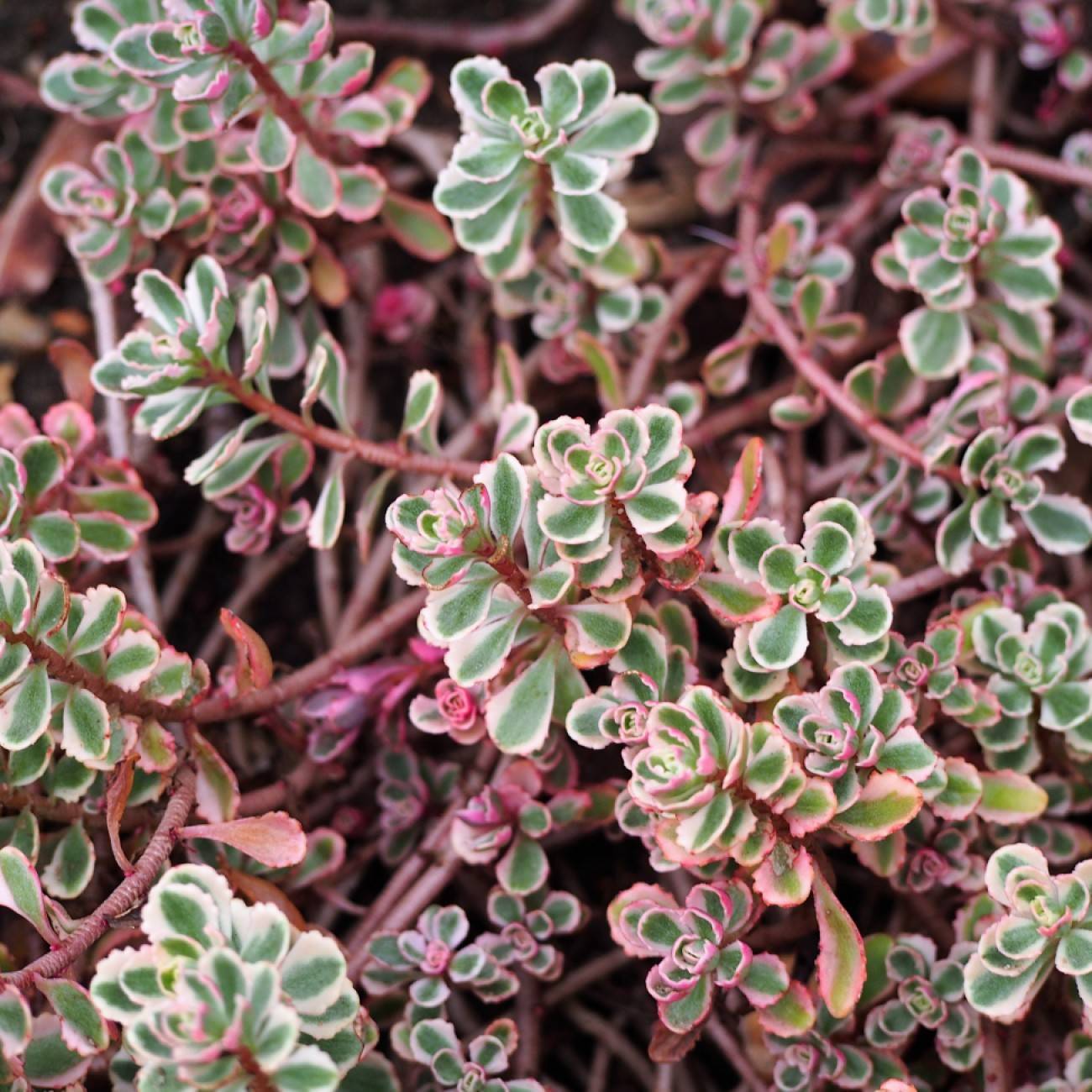
Caucasian Stonecrop
Phedimus spurius, formerly Sedum spurium
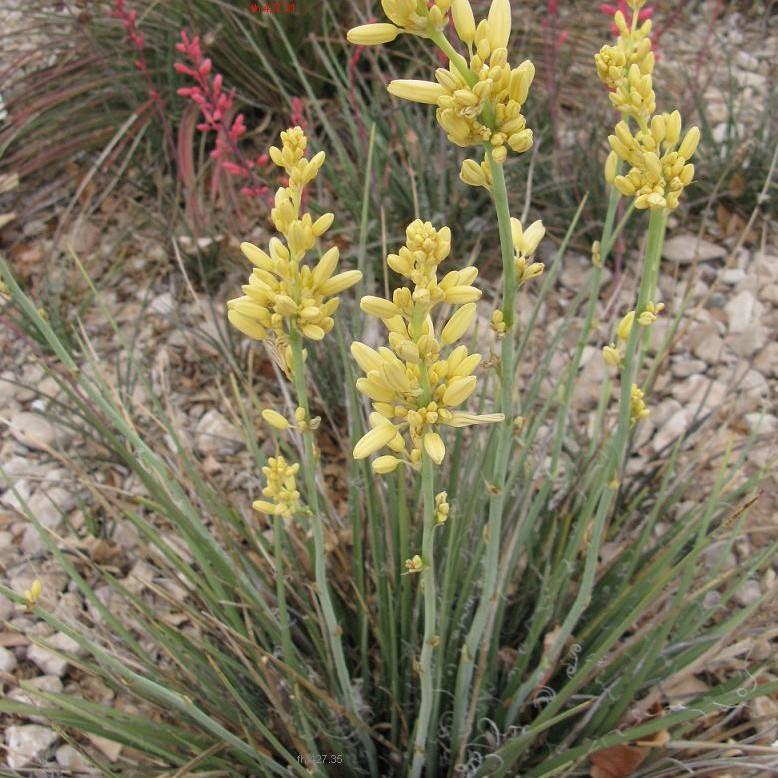
False Yucca
Hesperaloe parviflora
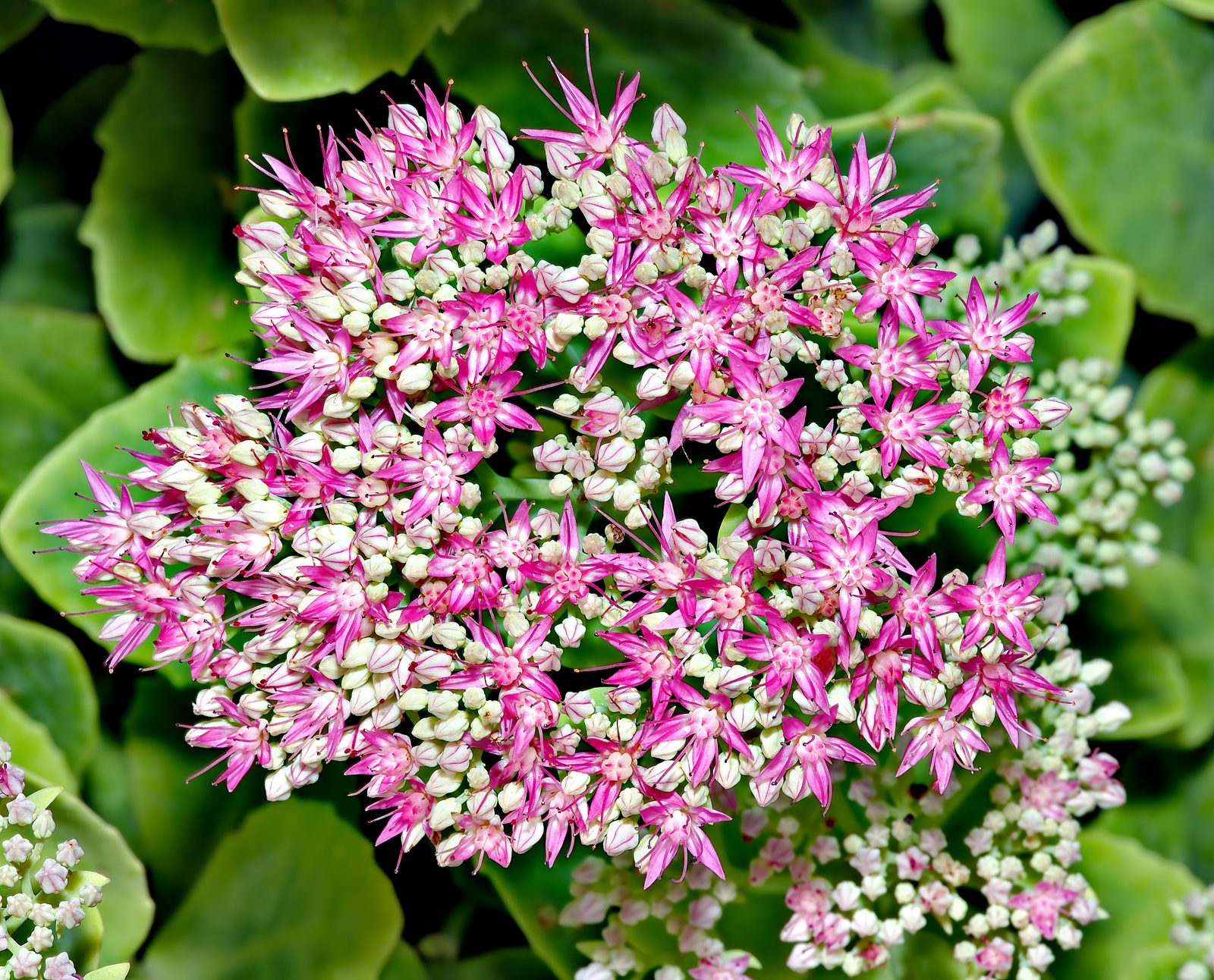
Hylotelephium
Hylotelephium spp.
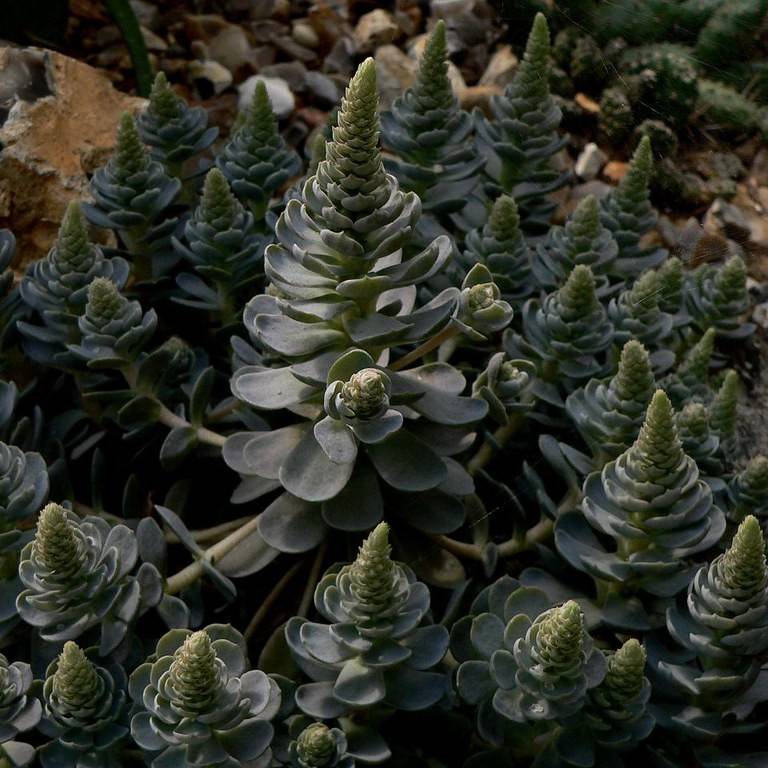
Chinese Dunce Cap
Orostachys iwarenge
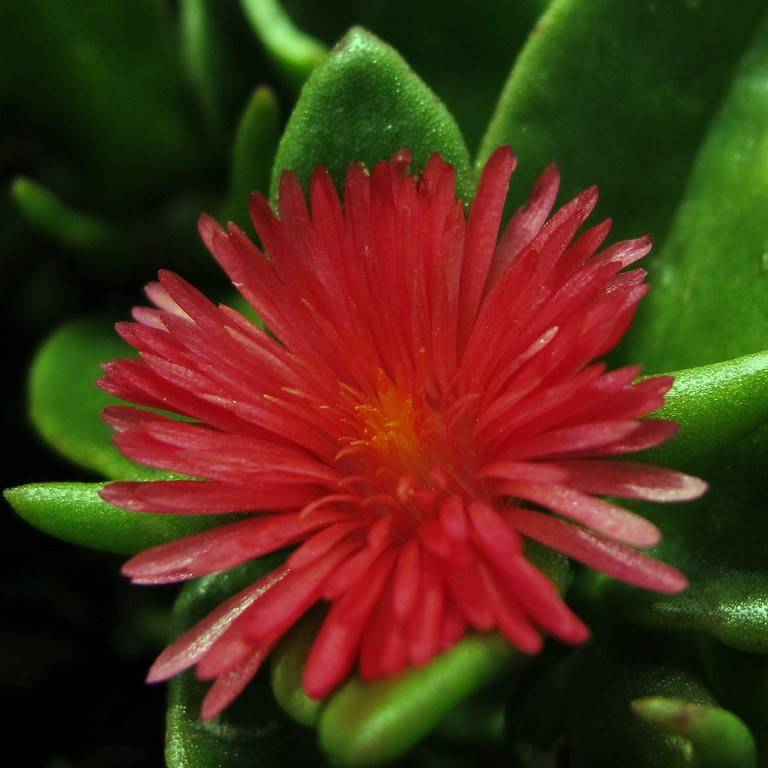
Heartleaf Iceplant
Mesembryanthemum cordifolium (syn. Aptenia cordifolia)
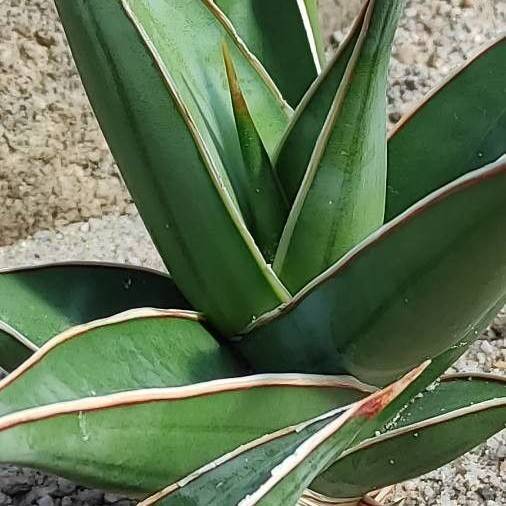
Blue Sansevieria
Sansevieria masoniana 'Blue' (syn. Dracaena masoniana 'Blue')