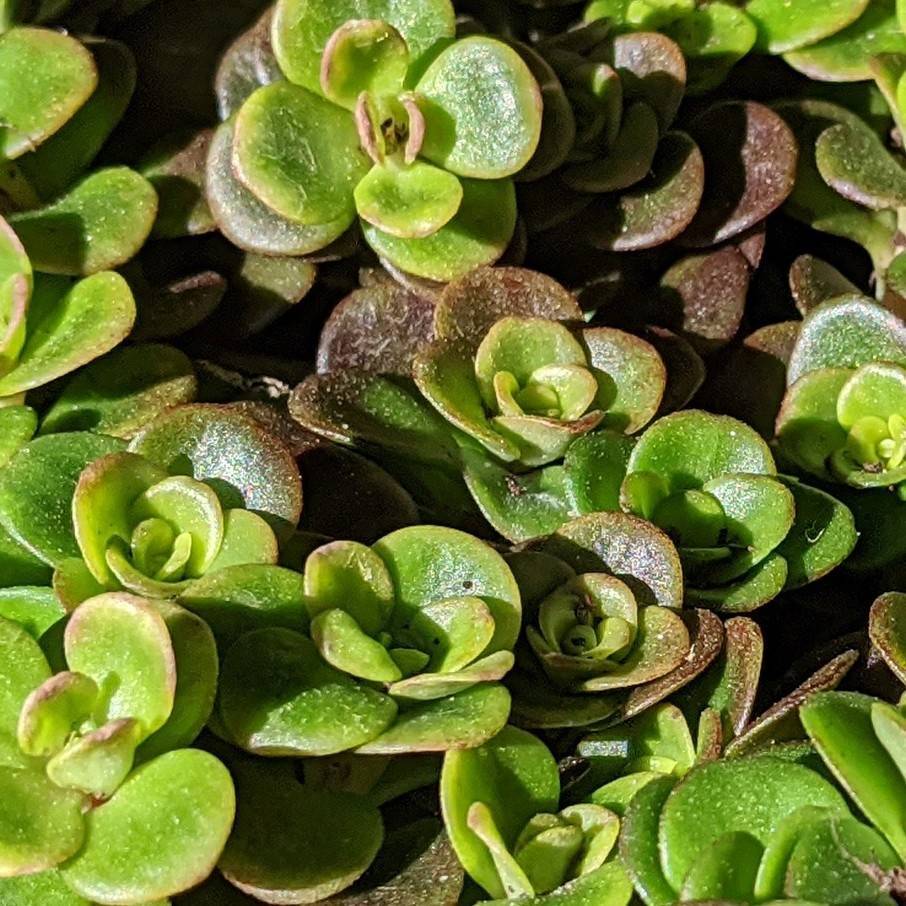
Chinese Sedum
Sedum tetractinum
Overview
Chinese Sedum is a mat-forming succulent prized for its dense, trailing growth habit and striking seasonal color shifts. Its small, flat, rounded leaves grow in whorls of four, giving the plant a tidy, uniform appearance as it spreads to form a lush, weed-suppressing ground cover. In late summer to early fall, it produces clusters of tiny, star-shaped pale yellow flowers that attract pollinators like bees and butterflies.
Care Guide
Watering
Chinese Sedum is highly drought-tolerant, requiring water only when the top 2 inches of soil are completely dry. Overwatering is the most common issue, so avoid letting the plant sit in standing water, as this will quickly cause root rot. In winter, reduce watering to once every 3-4 weeks, as the plant enters dormancy and uses far less moisture.
Light
This succulent thrives in full sun to partial shade, with the brightest light bringing out its signature bronze-red leaf coloration. When grown indoors, place it in a south or west-facing window that receives at least 6 hours of direct sunlight daily. Too little light will cause the plant to become leggy, lose its compact shape, and retain only its pale green base color.
Soil
Chinese Sedum requires sharply draining, low-fertility soil to prevent root rot. A commercial cactus or succulent mix works well, or you can create your own by mixing regular potting soil with 50% perlite, coarse sand, or pumice to improve drainage. Avoid heavy, clay-rich soils that hold moisture for extended periods.
Fertilizer
Fertilization is rarely needed for Chinese Sedum, as it grows well in nutrient-poor soils. If desired, apply a diluted, balanced liquid succulent fertilizer once at the start of the growing season in early spring. Do not fertilize in fall or winter, as this can encourage weak, leggy growth that is prone to damage.
Temperature
Chinese Sedum is cold-hardy in USDA zones 4-9, tolerating winter temperatures as low as -30°F (-34°C) when planted outdoors. It prefers warm summer temperatures between 60-80°F (15-27°C) for optimal growth. When grown indoors, avoid placing it near cold drafts or heating vents that cause sudden temperature fluctuations.
Pruning
Pruning is minimal for this low-growing succulent, but you can trim back any leggy or damaged growth in early spring to encourage denser, more compact foliage. After flowering, you can deadhead spent bloom stalks if desired to keep the plant looking tidy, though this is not required for health. If the plant spreads beyond its desired area, simply dig up and transplant excess sections to control its size.
Propagation
Chinese Sedum is extremely easy to propagate via stem cuttings or division. To take cuttings, snip a 2-3 inch section of healthy stem, let the cut end callous over for 1-2 days, then plant in well-draining succulent soil and water sparingly until roots form in 2-3 weeks. To divide, lift mature clumps in early spring, gently separate the root ball into smaller sections, and replant each section at the same depth it was originally growing.
Humidity
This succulent adapts well to a wide range of humidity levels, thriving in the dry air typical of most homes and arid outdoor climates. It does not require misting or extra humidity, and high humidity levels above 60% can increase the risk of fungal diseases and root rot. Ensure good air circulation around the plant to prevent moisture buildup on leaves.
Repotting
Chinese Sedum has a shallow root system and only needs repotting every 2-3 years, or when it has completely outgrown its current container. Repot in early spring using a slightly larger pot with drainage holes, and refresh the soil with a new well-draining succulent mix. Wait 3-4 days after repotting to water, to give any damaged roots time to heal.
Uses & Symbolism
Chinese Sedum is widely used as a drought-tolerant ground cover in rock gardens, xeriscapes, green roofs, and between stepping stones, as it tolerates light foot traffic and suppresses weed growth. It also makes an excellent trailing houseplant for hanging baskets or shallow succulent arrangements, where its spreading habit and colorful foliage can be fully displayed. The plant is sometimes used in traditional Chinese medicine for its purported anti-inflammatory and hemostatic properties, though medicinal use should be done under the guidance of a professional.
Diseases & Pests
Chinese Sedum is largely pest and disease resistant when grown in proper conditions, but overwatering and poor drainage can lead to root rot, the most common issue affecting the plant. Aphids and mealybugs may occasionally infest new growth, which can be treated with insecticidal soap or a cotton swab dipped in rubbing alcohol. Fungal leaf spots may occur in high humidity or if water is left sitting on the foliage for extended periods, which can be prevented by ensuring good air circulation and watering at the base of the plant.
Related plants
Other plants you might like if you grow Chinese Sedum.
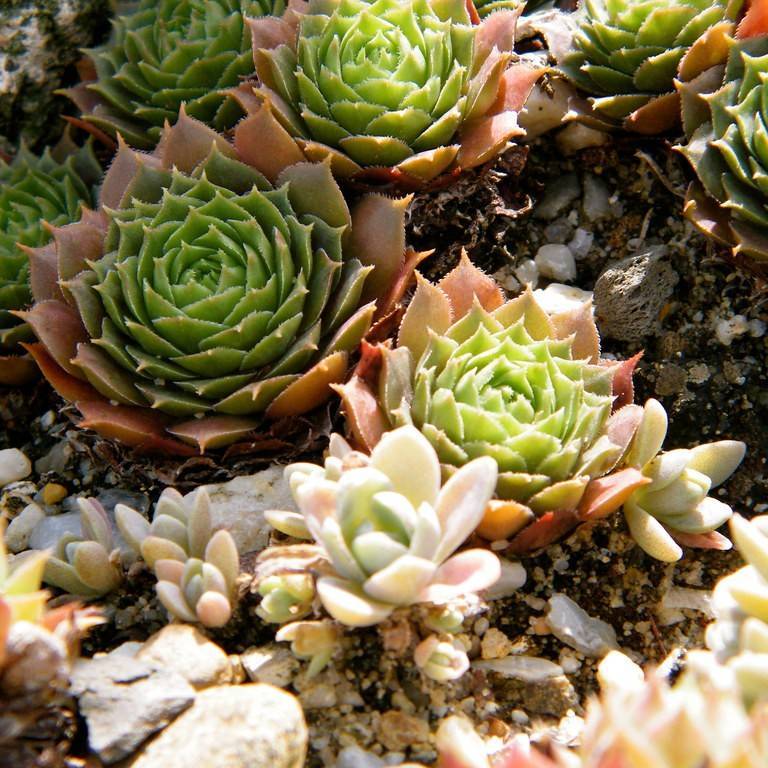
Hens And Chicks
Sempervivum tectorum
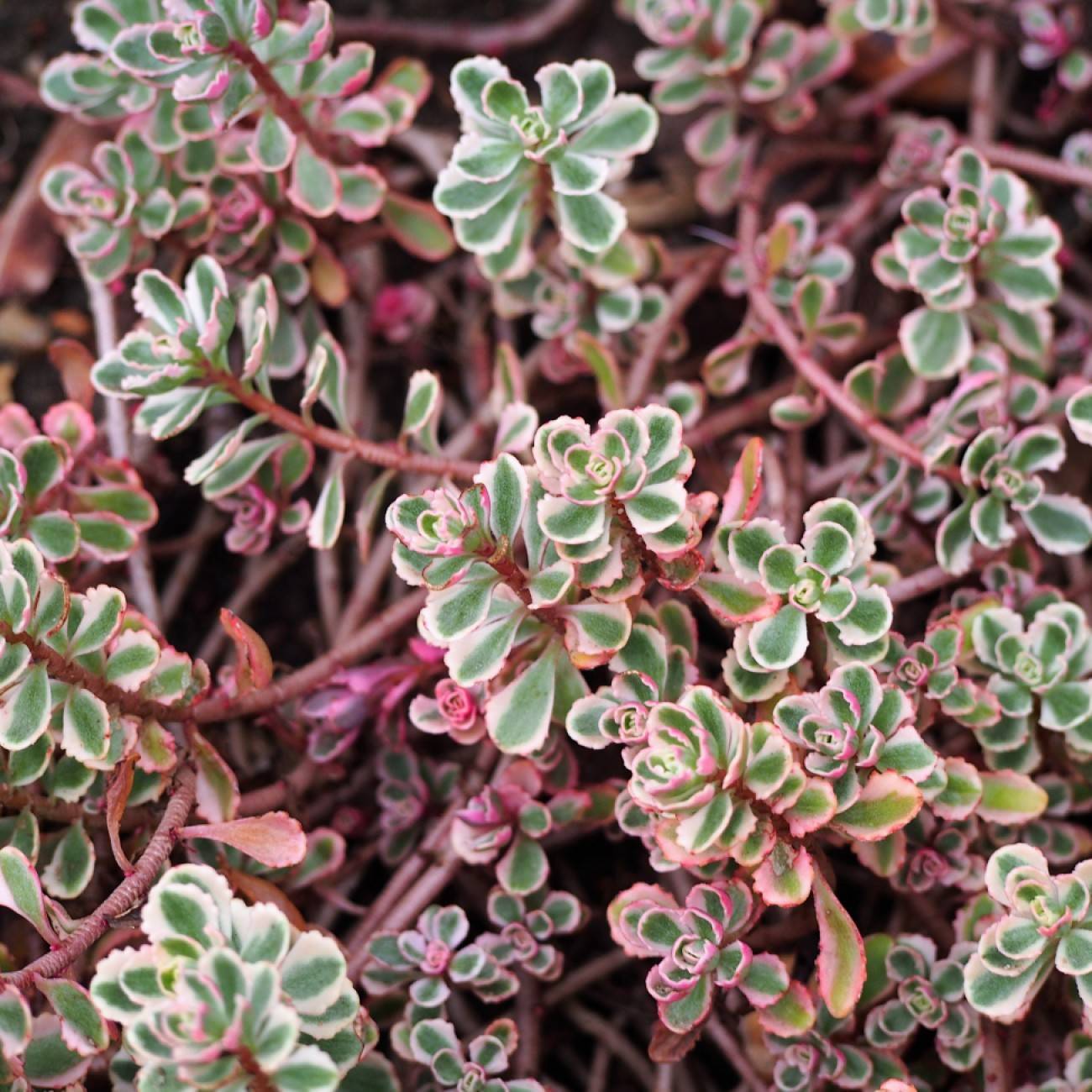
Caucasian Stonecrop
Phedimus spurius, formerly Sedum spurium
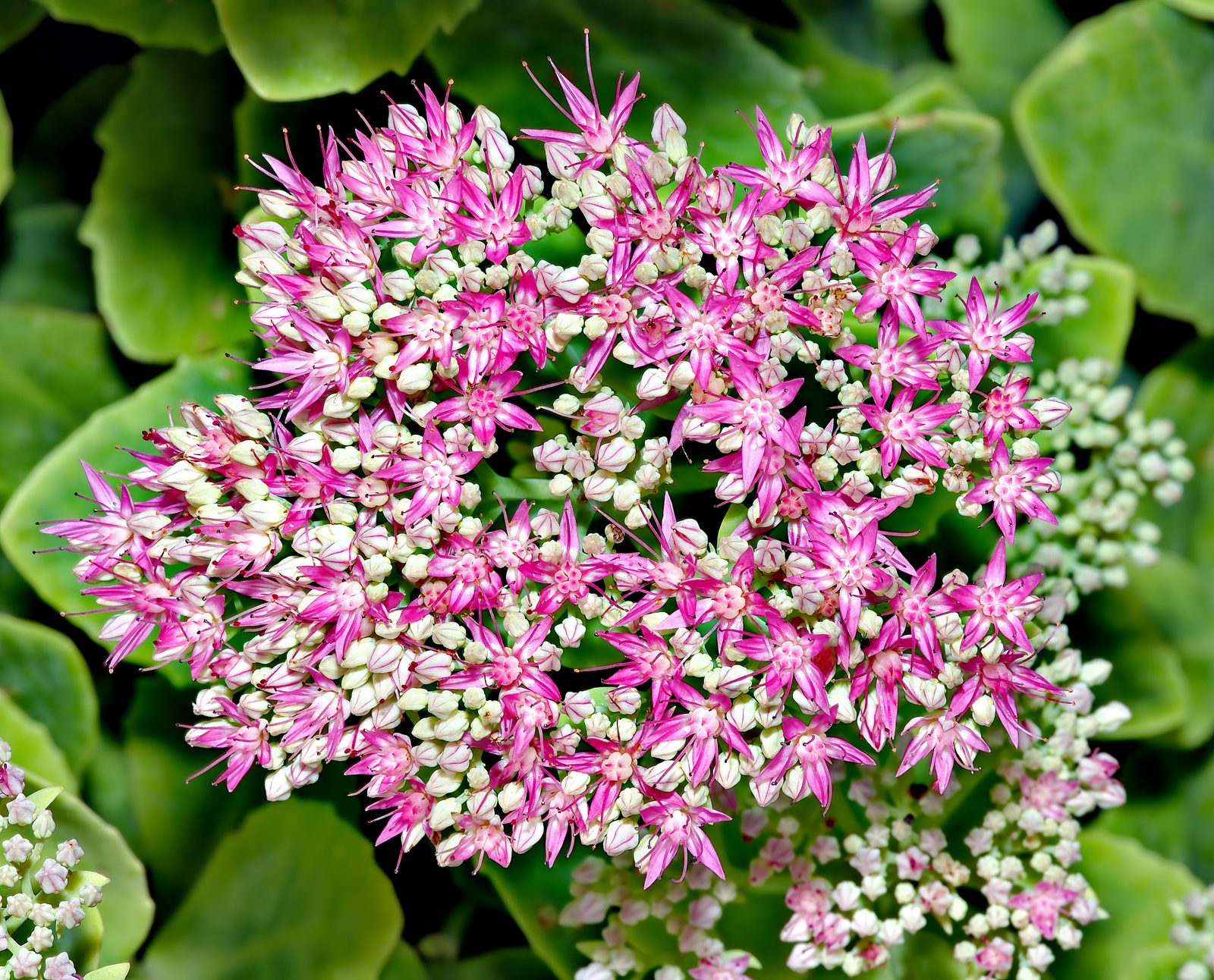
Hylotelephium
Hylotelephium spp.
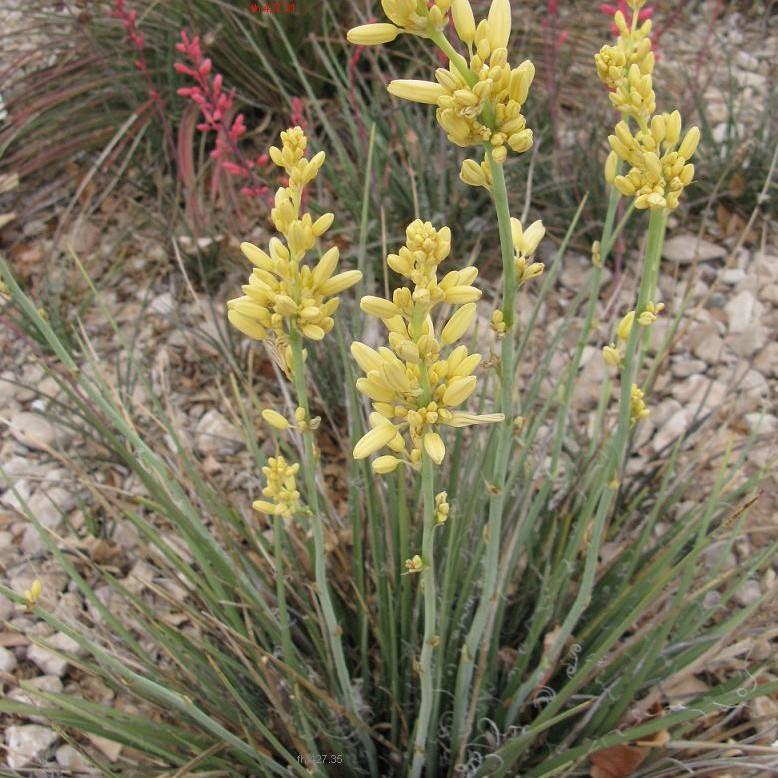
False Yucca
Hesperaloe parviflora
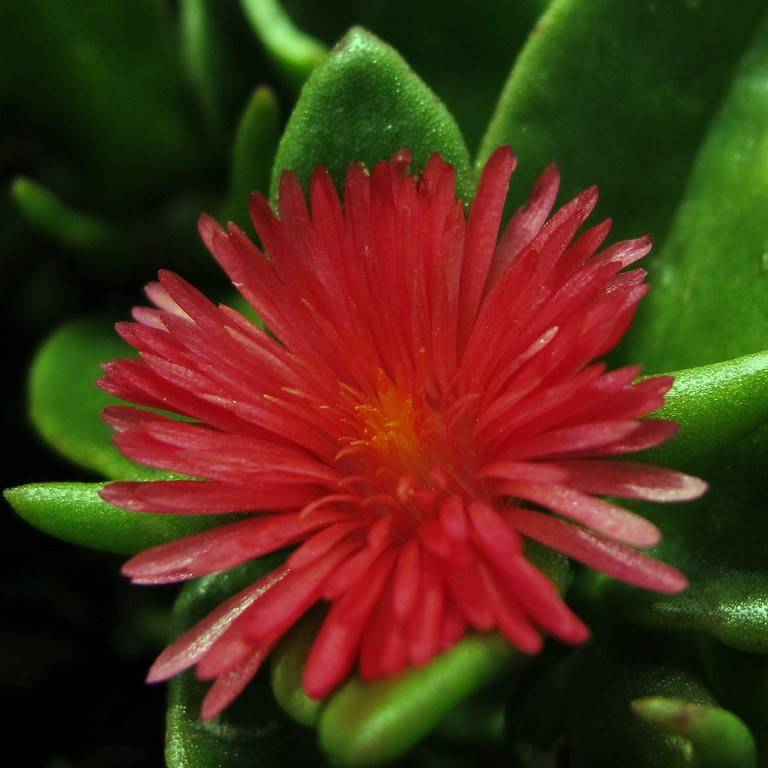
Heartleaf Iceplant
Mesembryanthemum cordifolium (syn. Aptenia cordifolia)
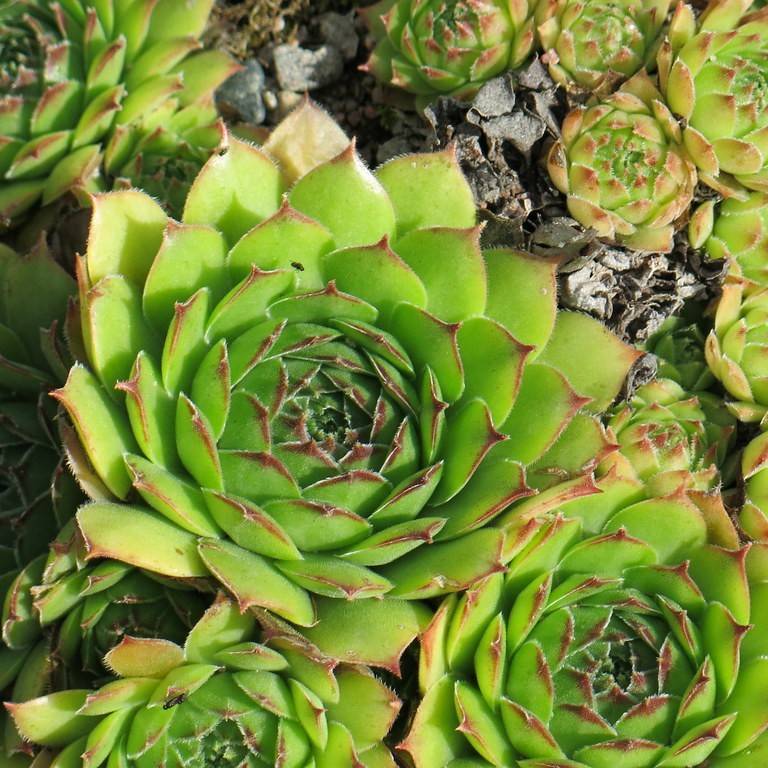
House Leek
Sempervivum tectorum
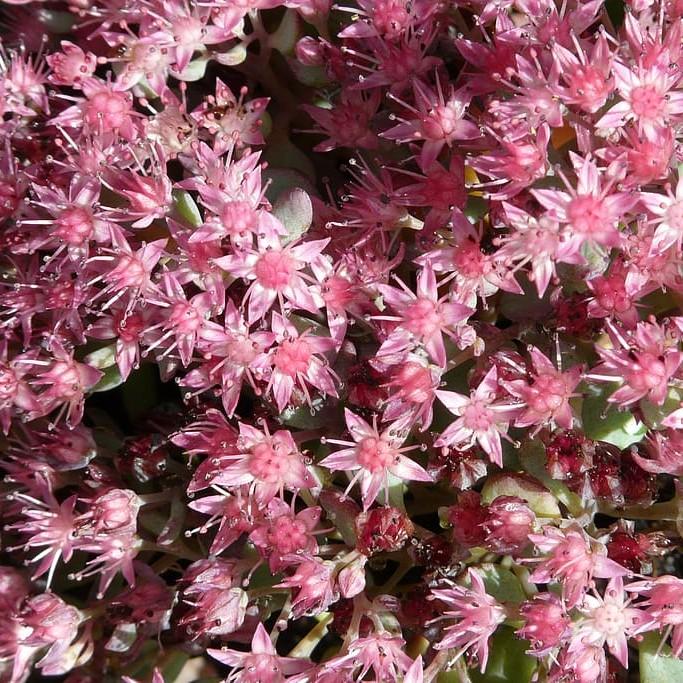
Autumn Stonecrop
Hylotelephium spectabile
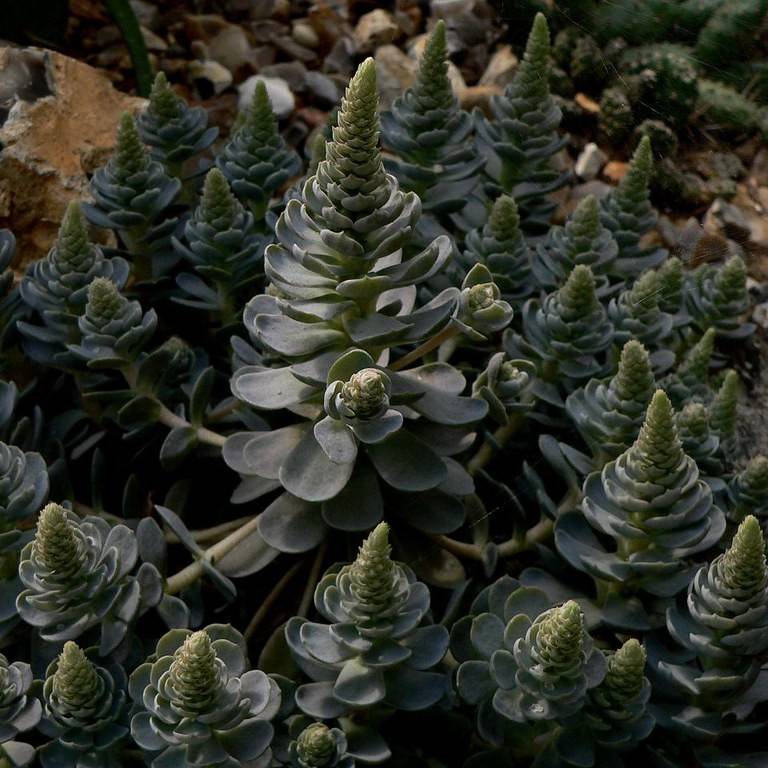
Chinese Dunce Cap
Orostachys iwarenge