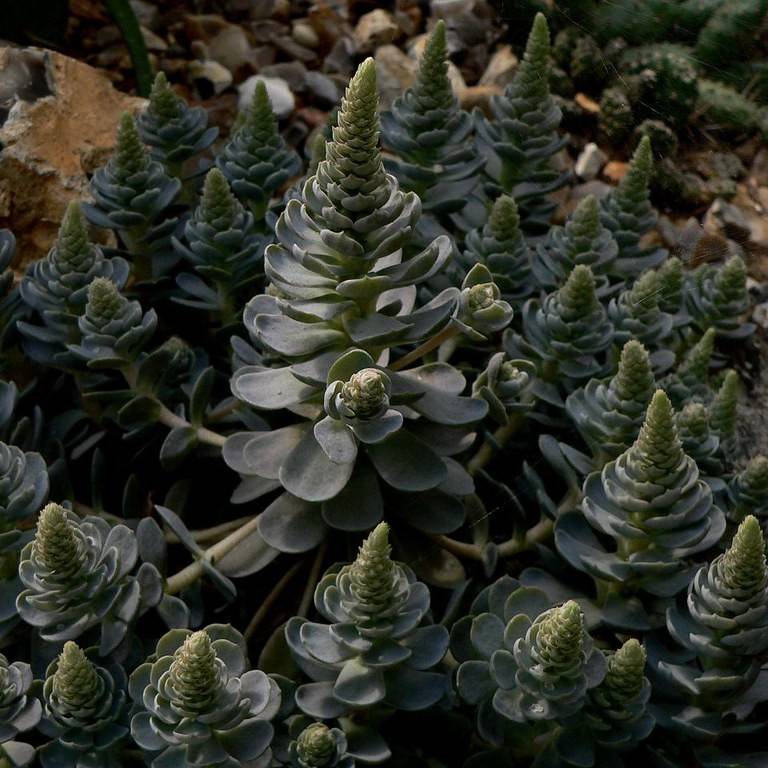
Chinese Dunce Cap
Orostachys iwarenge
Overview
Chinese Dunce Cap is a mat-forming succulent named for its distinctive cone-shaped rosettes that resemble traditional pointed Chinese scholar caps. It is exceptionally cold hardy, tolerating freezing temperatures well below many common succulent species, making it popular for rock gardens and outdoor alpine plantings. After a rosette flowers, it dies back, but it produces abundant offsets to form dense, spreading clumps over time.
Care Guide
Watering
Allow the soil to dry out completely between waterings to prevent root rot; reduce watering significantly in winter when the plant is dormant. Overwatering is the most common cause of health issues, so err on the side of underwatering for this drought-tolerant species.
Light
Thrives in full sun, requiring at least 6 hours of direct sunlight daily to maintain its compact rosette shape and silvery-grey foliage color. It can tolerate partial shade, but insufficient light will cause leggy, stretched growth and duller leaf coloration.
Soil
Requires extremely well-draining, gritty soil with a neutral to slightly alkaline pH; a commercial cactus or succulent mix amended with perlite or coarse sand works well. Heavy, water-retentive soils will quickly lead to root rot, so ensure the planting site or pot has excellent drainage.
Fertilizer
Fertilize sparingly only once per year in early spring with a diluted, balanced succulent fertilizer, as excessive nutrients can cause soft, weak growth. Avoid fertilizing during the dormant winter months and never apply fertilizer to dry soil to prevent root burn.
Temperature
Cold hardy down to -30°F (-34°C), making it suitable for outdoor growth in USDA zones 4 through 9. It prefers cool summer temperatures and can suffer in prolonged heat above 90°F (32°C), so provide partial afternoon shade in very hot climates.
Pruning
Prune away dead, dried rosettes after flowering to keep the planting tidy and encourage new offset growth. Trim back spent flower stalks at the base once blooms fade to redirect the plant’s energy to producing new offsets.
Propagation
Easily propagated by separating mature offsets from the parent plant in spring or early summer, allowing the cut end to callous over for 1-2 days before planting in gritty soil. It can also be grown from seed sown on the surface of well-draining soil in early spring, though seed-grown plants take several years to reach flowering size.
Humidity
Tolerates low to moderate humidity levels and does not require supplemental misting, as high humidity can increase the risk of fungal diseases. Ensure good air circulation around the plant, especially in humid climates, to keep foliage dry and prevent rot.
Repotting
Repot only when the plant has outgrown its container, typically every 2-3 years, in early spring before active growth begins. Choose a shallow pot with multiple drainage holes, as the plant has a shallow root system and does not require deep soil.
Uses & Symbolism
Chinese Dunce Cap is a popular choice for rock gardens, alpine troughs, green roofs, and xeriscaping due to its cold hardiness and low-growing, spreading habit. It also works well as a container plant for sunny patios or windowsills, where its unique conical rosettes and tall yellow flower stalks provide visual interest. In traditional East Asian medicine, extracts from the plant have been used topically to treat minor cuts, burns, and inflammation.
Diseases & Pests
Overwatering and poor drainage are the primary causes of root rot, the most common disease affecting this species. It may be susceptible to common succulent pests including mealybugs, aphids, and scale, which can be treated with neem oil or insecticidal soap. Fungal leaf spots can occur if foliage remains wet for prolonged periods, so avoid overhead watering and ensure good air circulation.
Related plants
Other plants you might like if you grow Chinese Dunce Cap.
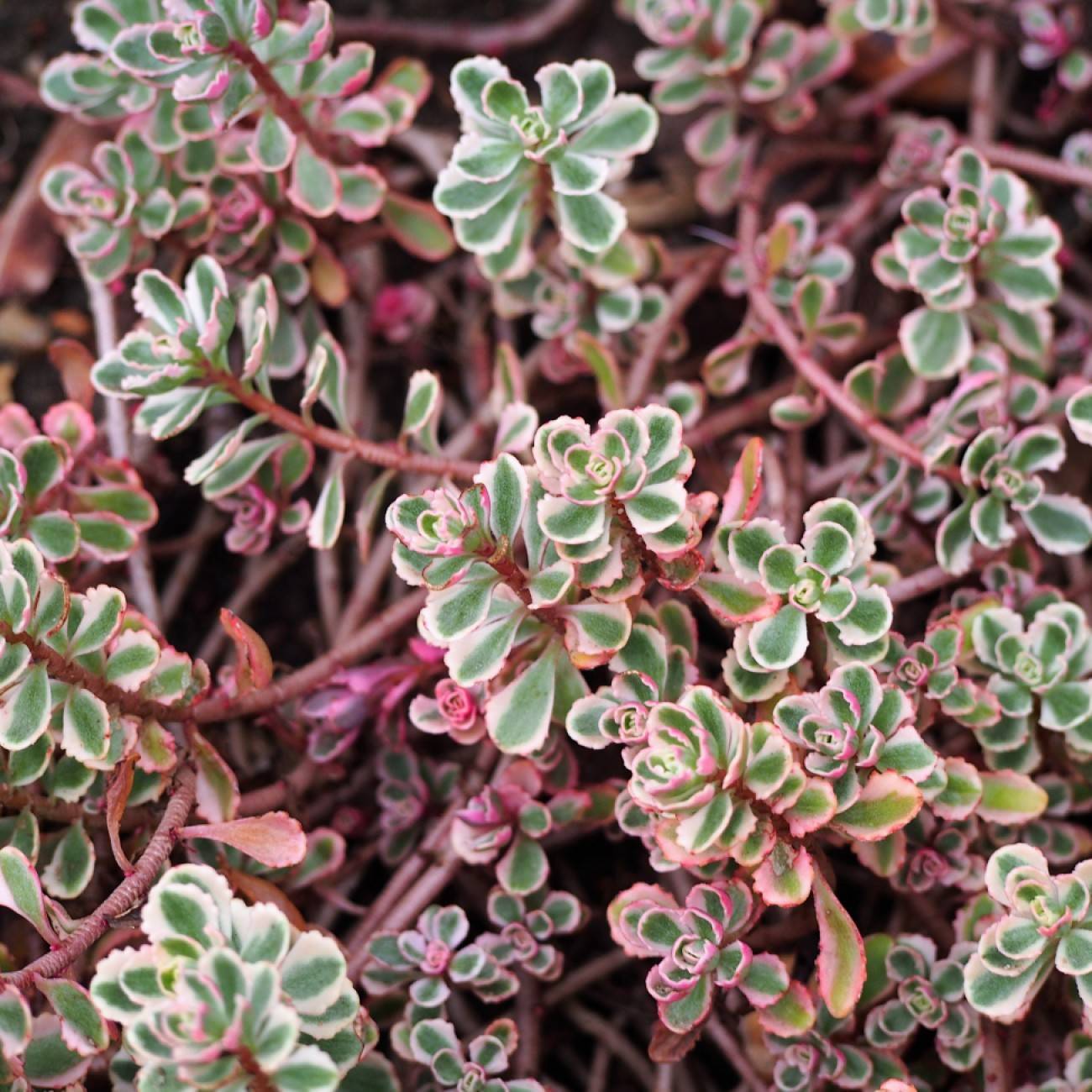
Caucasian Stonecrop
Phedimus spurius, formerly Sedum spurium
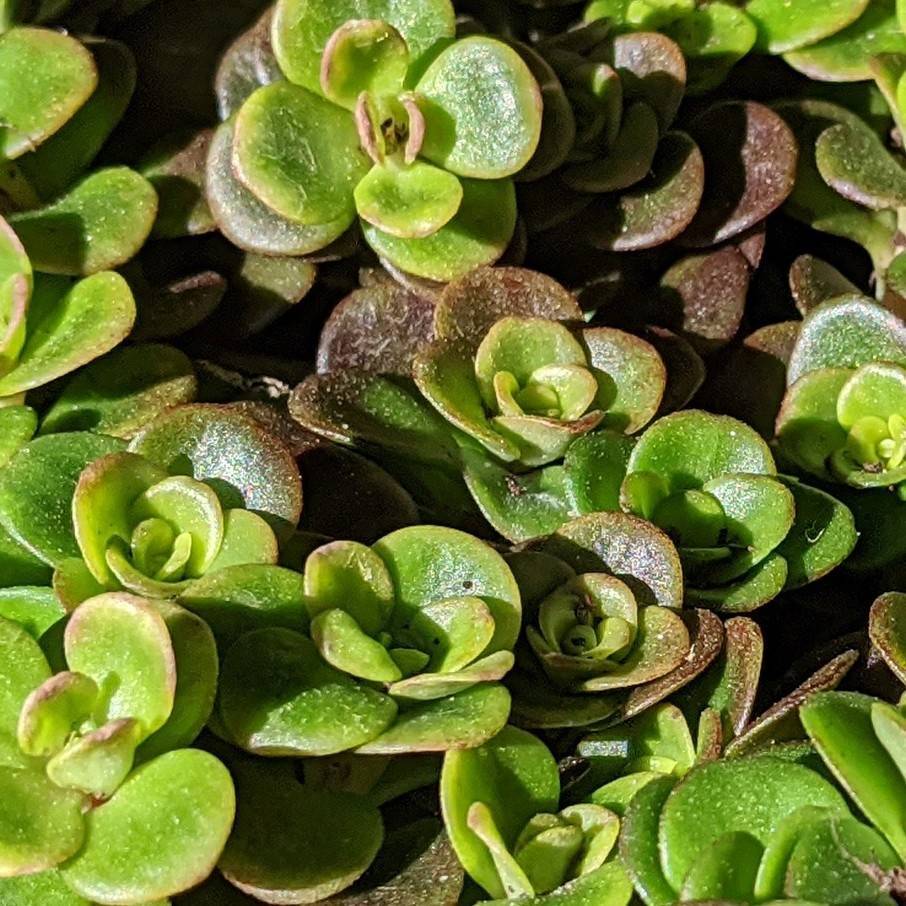
Chinese Sedum
Sedum tetractinum
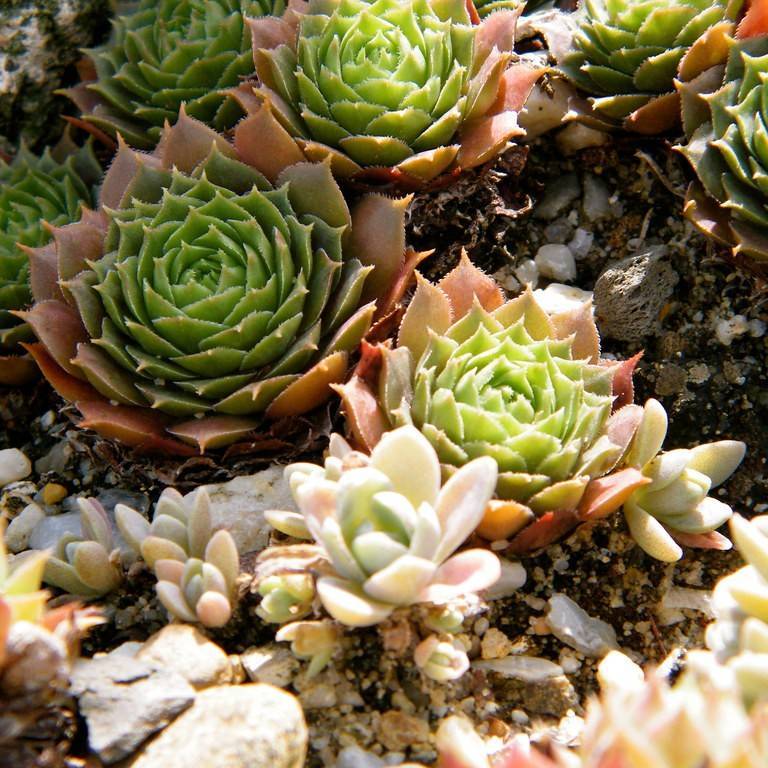
Hens And Chicks
Sempervivum tectorum
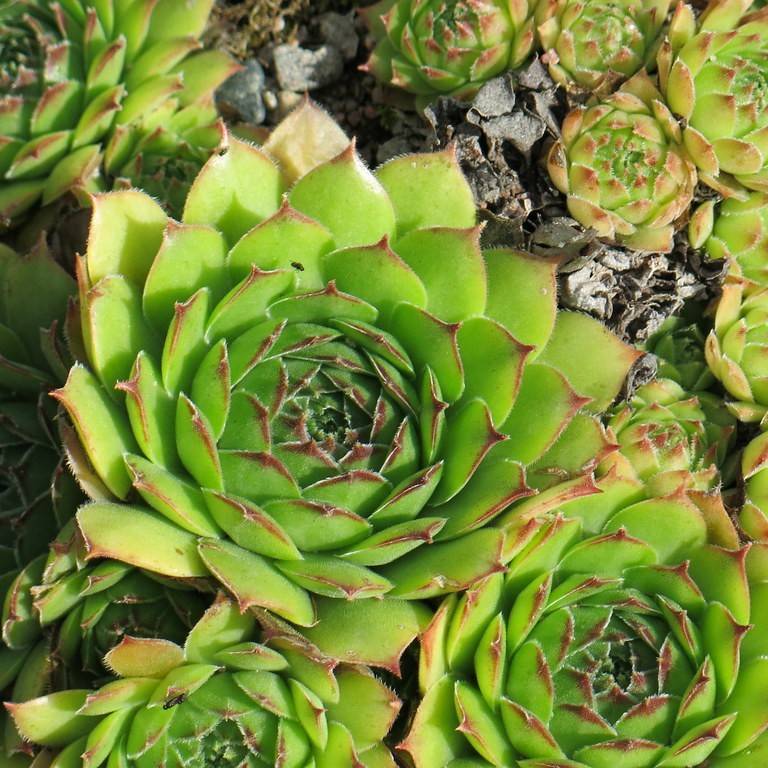
House Leek
Sempervivum tectorum
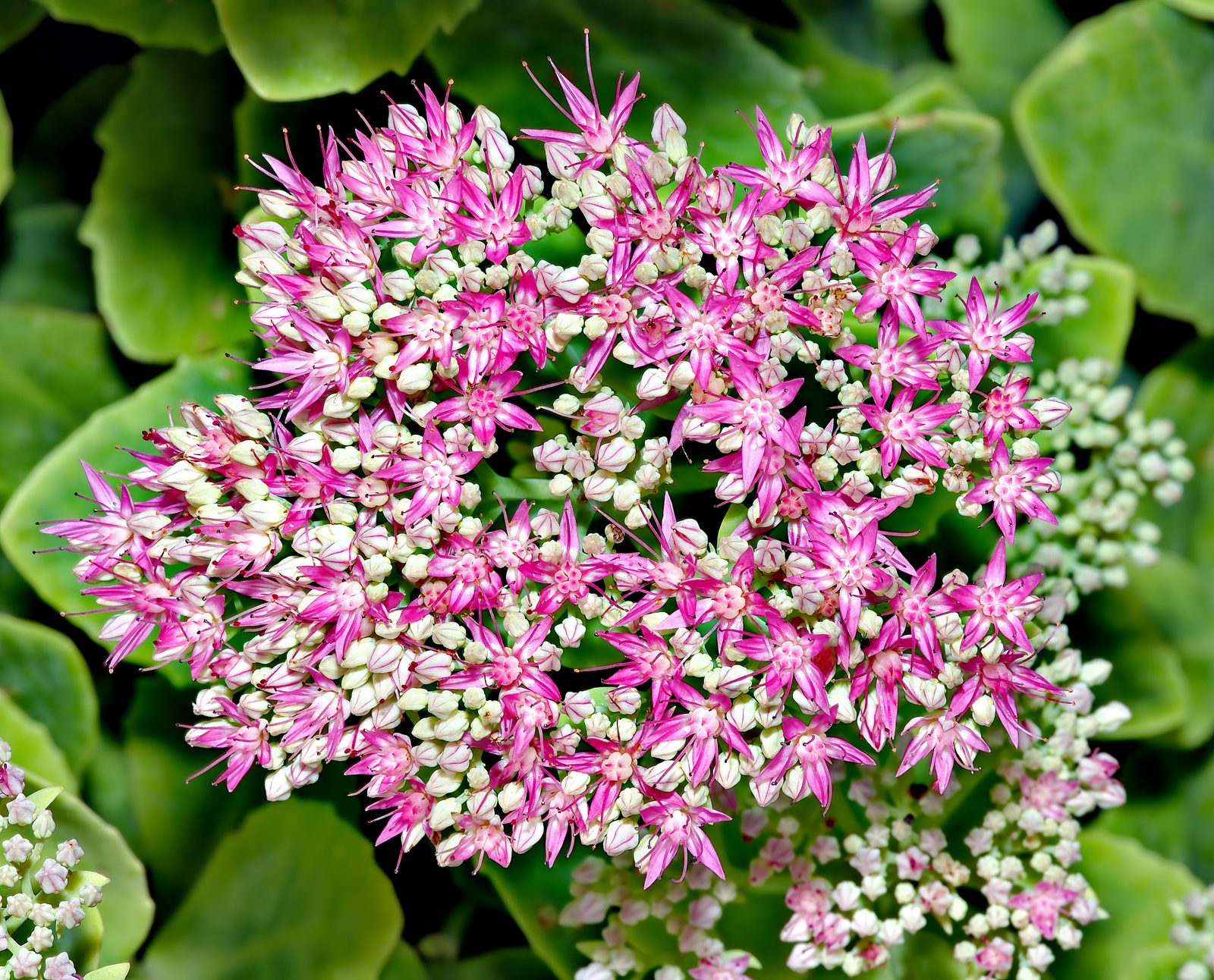
Hylotelephium
Hylotelephium spp.
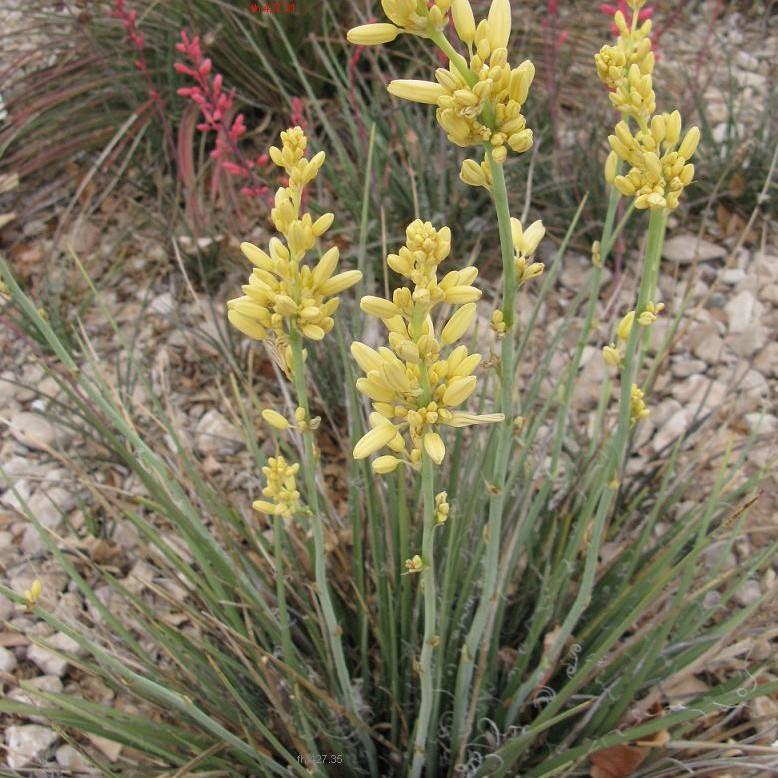
False Yucca
Hesperaloe parviflora
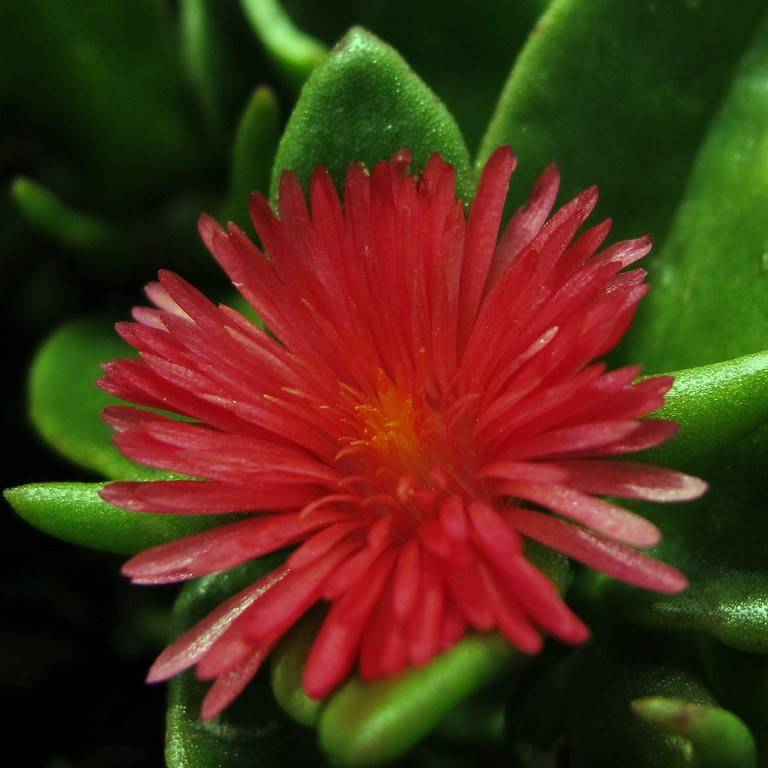
Heartleaf Iceplant
Mesembryanthemum cordifolium (syn. Aptenia cordifolia)
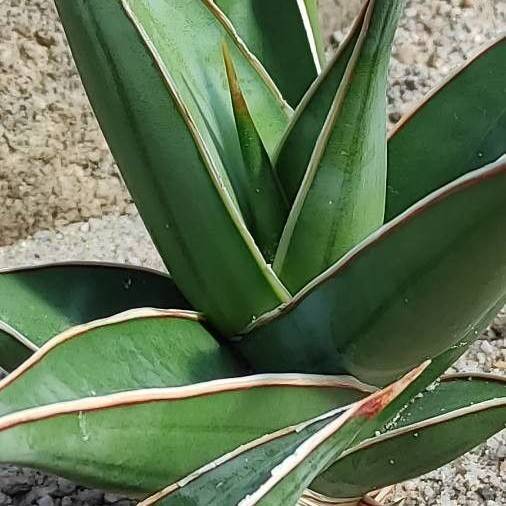
Blue Sansevieria
Sansevieria masoniana 'Blue' (syn. Dracaena masoniana 'Blue')