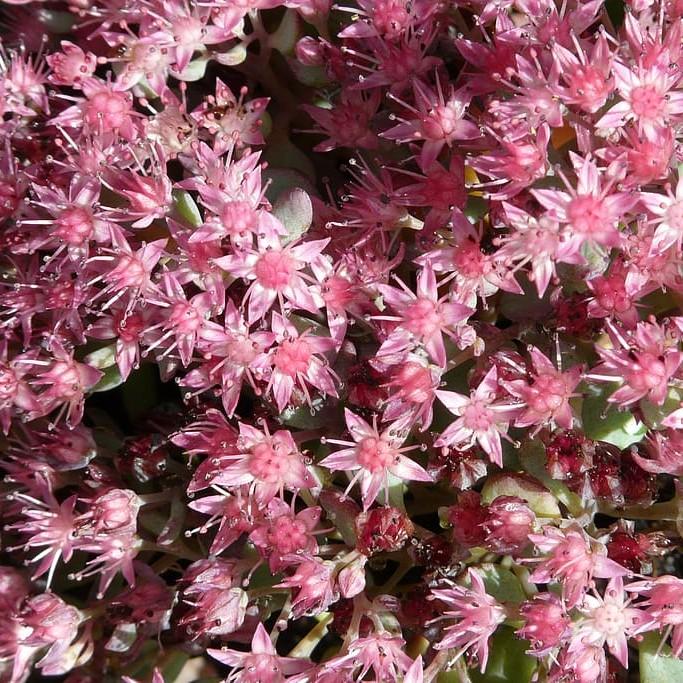
Autumn Stonecrop
Hylotelephium spectabile
Overview
Autumn stonecrop, formerly classified as Sedum spectabile, is a popular herbaceous perennial prized for its low-maintenance nature and late-season ornamental value. Its thick, fleshy, blue-green leaves form neat mounds that give way to flat-topped flower clusters that fade from pale pink to deep rose as they mature, then persist as dried seed heads through winter. It is widely cultivated in temperate gardens for its ability to thrive in poor soil and harsh conditions where other ornamentals struggle.
Care Guide
Watering
Autumn stonecrop is highly drought-tolerant, requiring only occasional deep watering during extended dry periods; overwatering or consistently soggy soil will quickly cause root rot. Allow the top several inches of soil to dry out completely between waterings, and reduce moisture almost entirely during the dormant winter months.
Light
This plant thrives in full sun, requiring at least 6 hours of direct sunlight daily to produce dense foliage and abundant flower heads. It can tolerate very light shade, but too little sunlight will cause leggy, floppy growth and reduced flowering.
Soil
Autumn stonecrop adapts to nearly any well-draining soil, including poor, sandy, or gravelly substrates with low nutrient content. It prefers a neutral to slightly alkaline pH, and the most critical soil requirement is excellent drainage to prevent root rot; heavy clay soils should be amended with sand or gravel to improve porosity.
Fertilizer
Fertilization is rarely necessary, as excessive nutrients will cause soft, leggy growth that flops over. A single light application of balanced, slow-release fertilizer in early spring is sufficient only for plants growing in extremely nutrient-poor soils.
Temperature
It is cold-hardy in USDA zones 3 through 9, tolerating winter temperatures as low as -40°F (-40°C) once established. It thrives in warm summer temperatures up to 90°F (32°C), and its succulent foliage is tolerant of short periods of extreme heat as long as it is not overwatered.
Pruning
Pinch back young stems in late spring to encourage bushier, more compact growth that is less likely to flop when heavy flower heads develop. After flowering, spent blooms can be left in place through winter for ornamental interest and to provide shelter for beneficial insects, then cut back to the ground in early spring before new growth emerges.
Propagation
The easiest method is division: dig up mature clumps in early spring or fall, separate them into smaller sections with intact roots, and replant immediately in prepared soil. It can also be propagated from stem cuttings taken in late spring or early summer, which root readily in well-draining medium without rooting hormone, or from seed sown directly outdoors in fall or early spring.
Humidity
Autumn stonecrop prefers low to moderate humidity levels, and is highly tolerant of dry air common in arid or semi-arid climates. High humidity combined with poor air circulation can increase the risk of fungal leaf spots, so ensure plants are spaced properly to allow air flow around foliage.
Repotting
When grown in containers, repot every 2 to 3 years in spring, moving to a slightly larger pot with fresh, well-draining succulent mix. Ensure the container has ample drainage holes, and avoid overpotting, as excess soil will hold unnecessary moisture that can damage roots.
Uses & Symbolism
Autumn stonecrop is a staple of pollinator gardens, as its late-season flowers provide a critical nectar source for bees, butterflies, and other beneficial insects when most other blooms have faded. It is widely used in rock gardens, xeriscapes, border fronts, and green roof plantings due to its drought tolerance and low maintenance requirements, and its dried flower heads add winter interest to garden landscapes. It is also sometimes grown in containers for patio or balcony displays, as long as drainage is excellent.
Diseases & Pests
The most common issue is root rot, caused by overwatering or poorly draining soil, which can be prevented by allowing soil to dry between waterings and amending heavy soils. Fungal leaf spots and powdery mildew may occur in humid, poorly ventilated conditions, and can be managed by spacing plants for air flow and avoiding overhead watering. Common pests include aphids, mealybugs, and slugs, which are usually kept in check by natural predators but can be treated with insecticidal soap or handpicking for severe infestations.
Related plants
Other plants you might like if you grow Autumn Stonecrop.
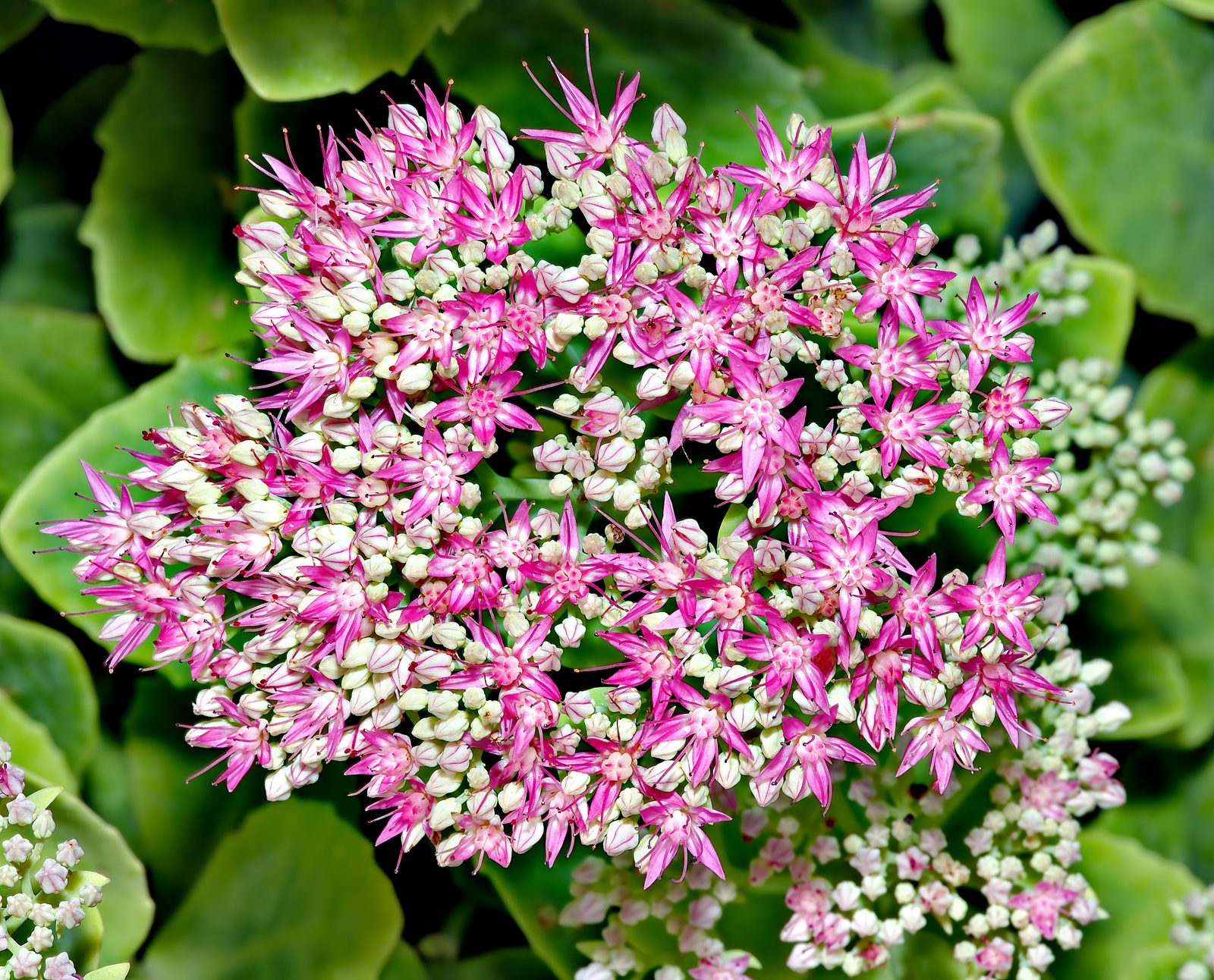
Hylotelephium
Hylotelephium spp.
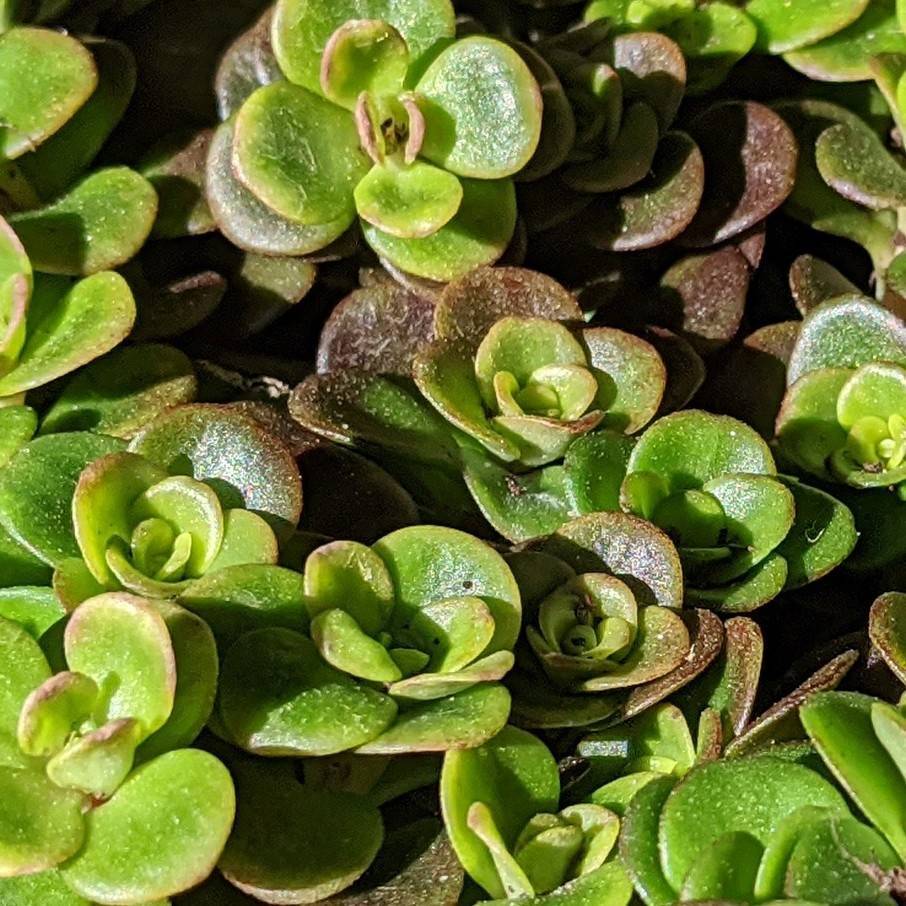
Chinese Sedum
Sedum tetractinum
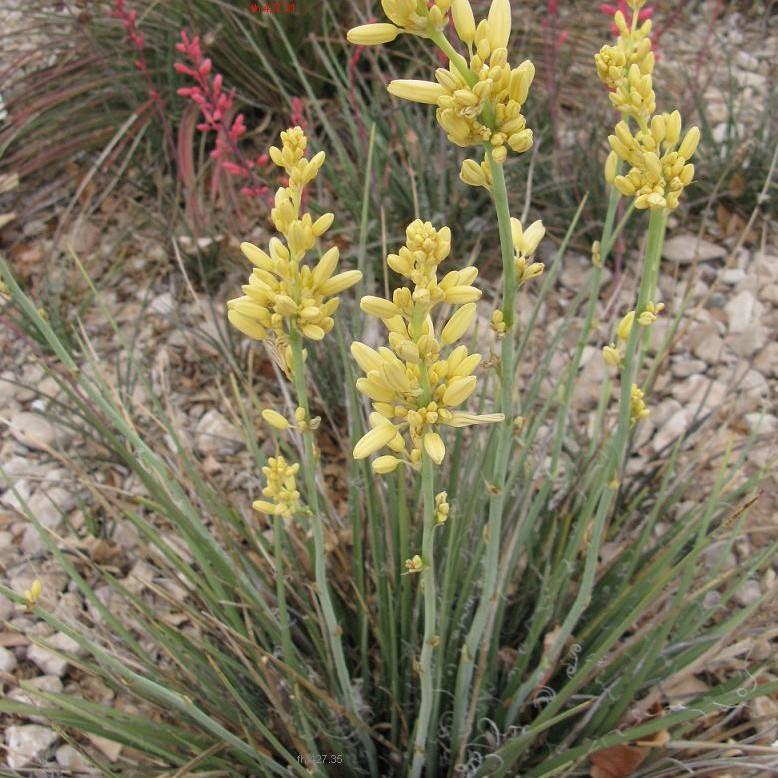
False Yucca
Hesperaloe parviflora
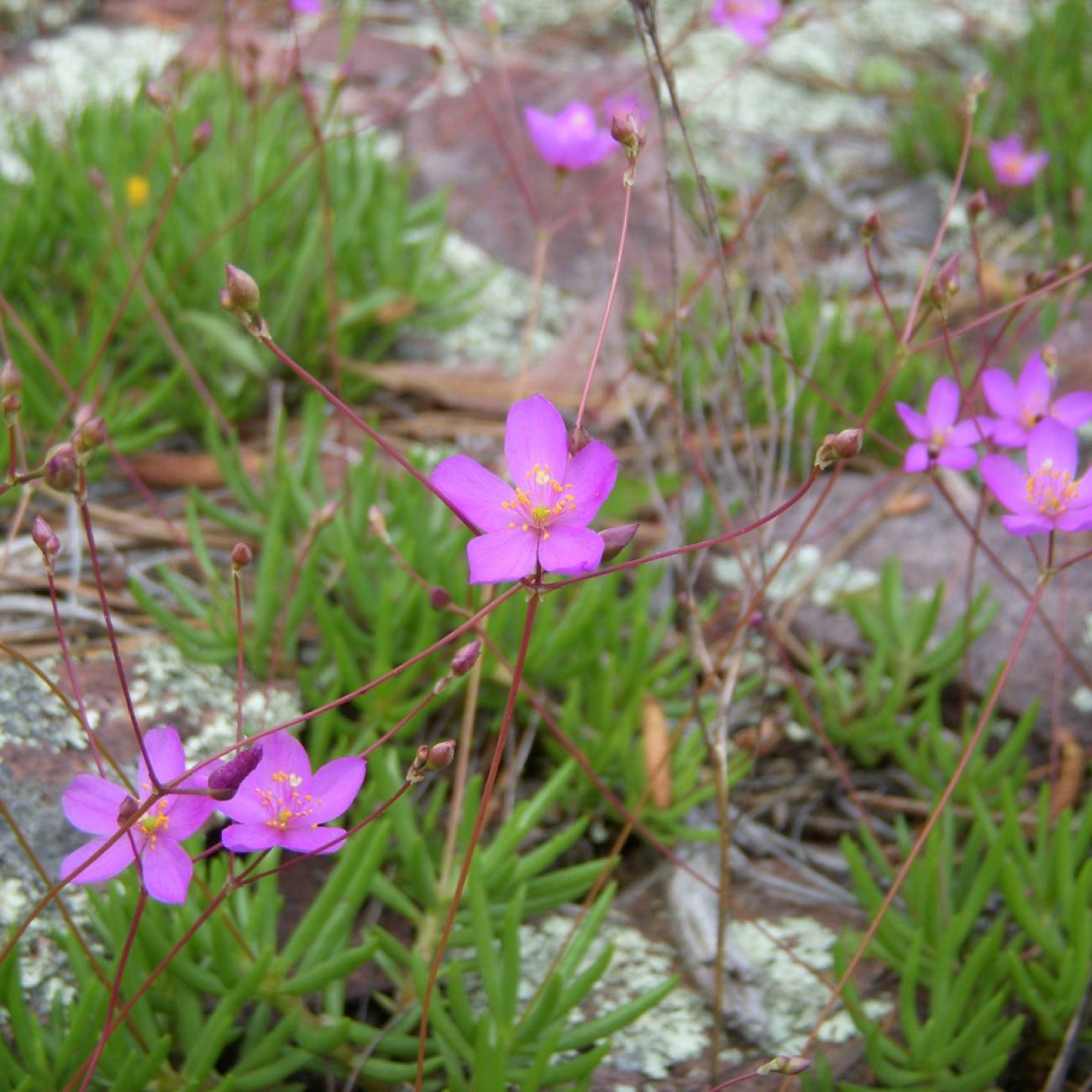
Fameflower
Phemeranthus calycinus
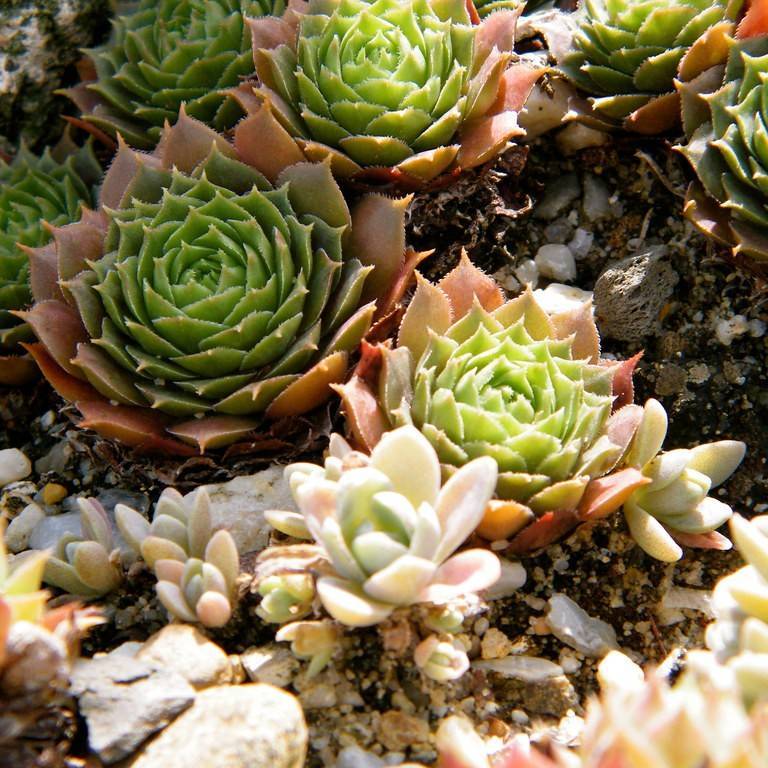
Hens And Chicks
Sempervivum tectorum
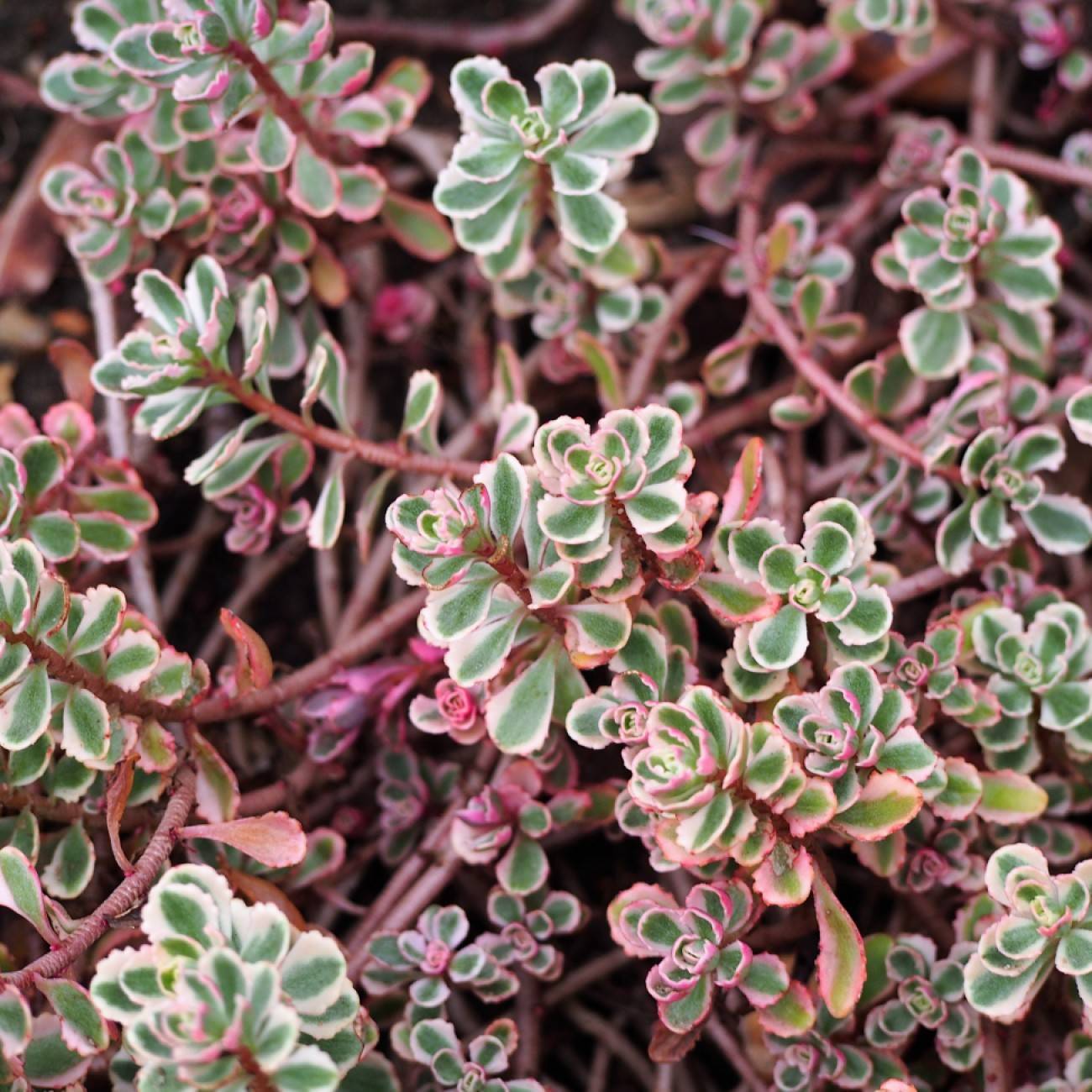
Caucasian Stonecrop
Phedimus spurius, formerly Sedum spurium
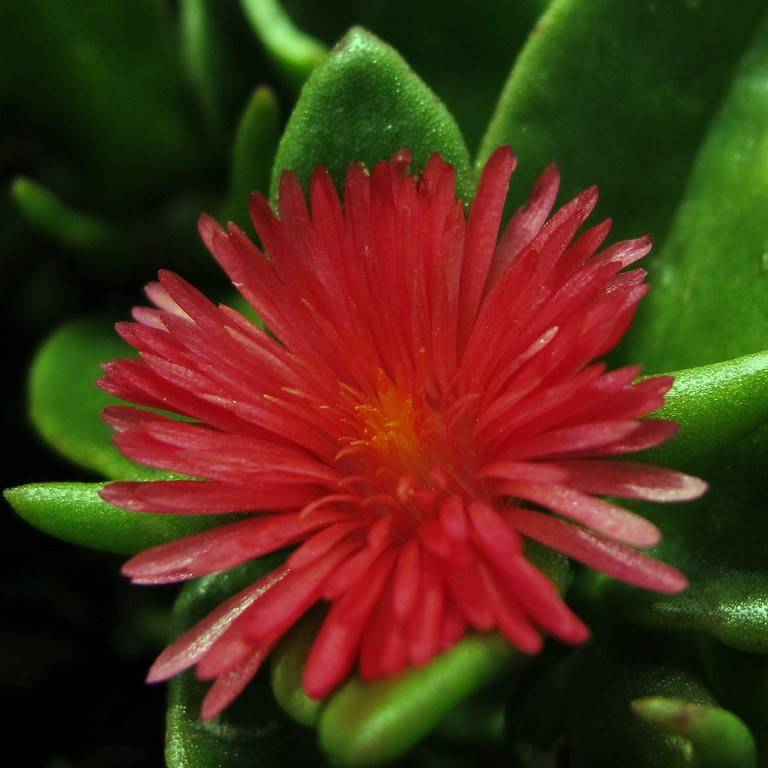
Heartleaf Iceplant
Mesembryanthemum cordifolium (syn. Aptenia cordifolia)
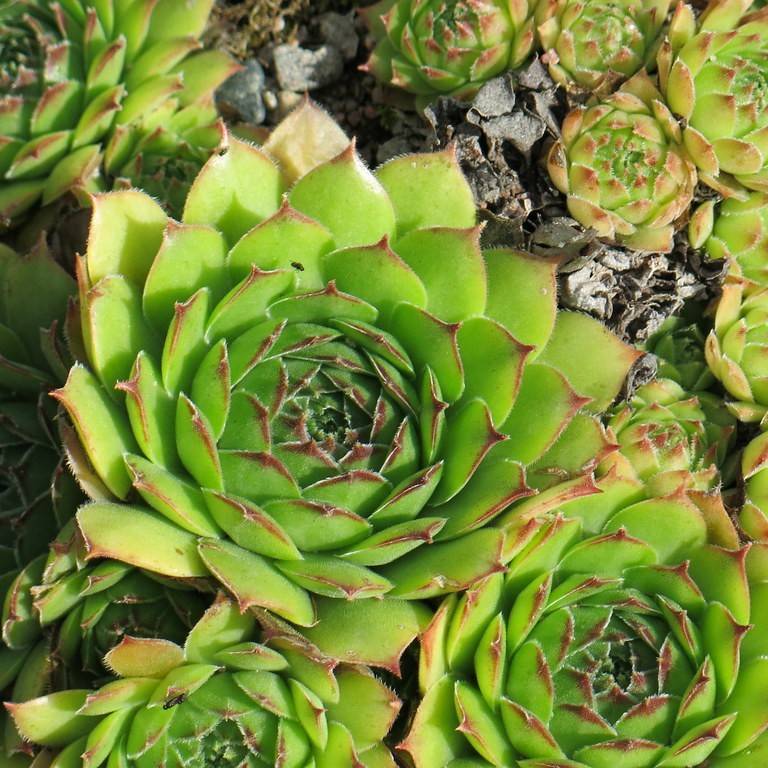
House Leek
Sempervivum tectorum