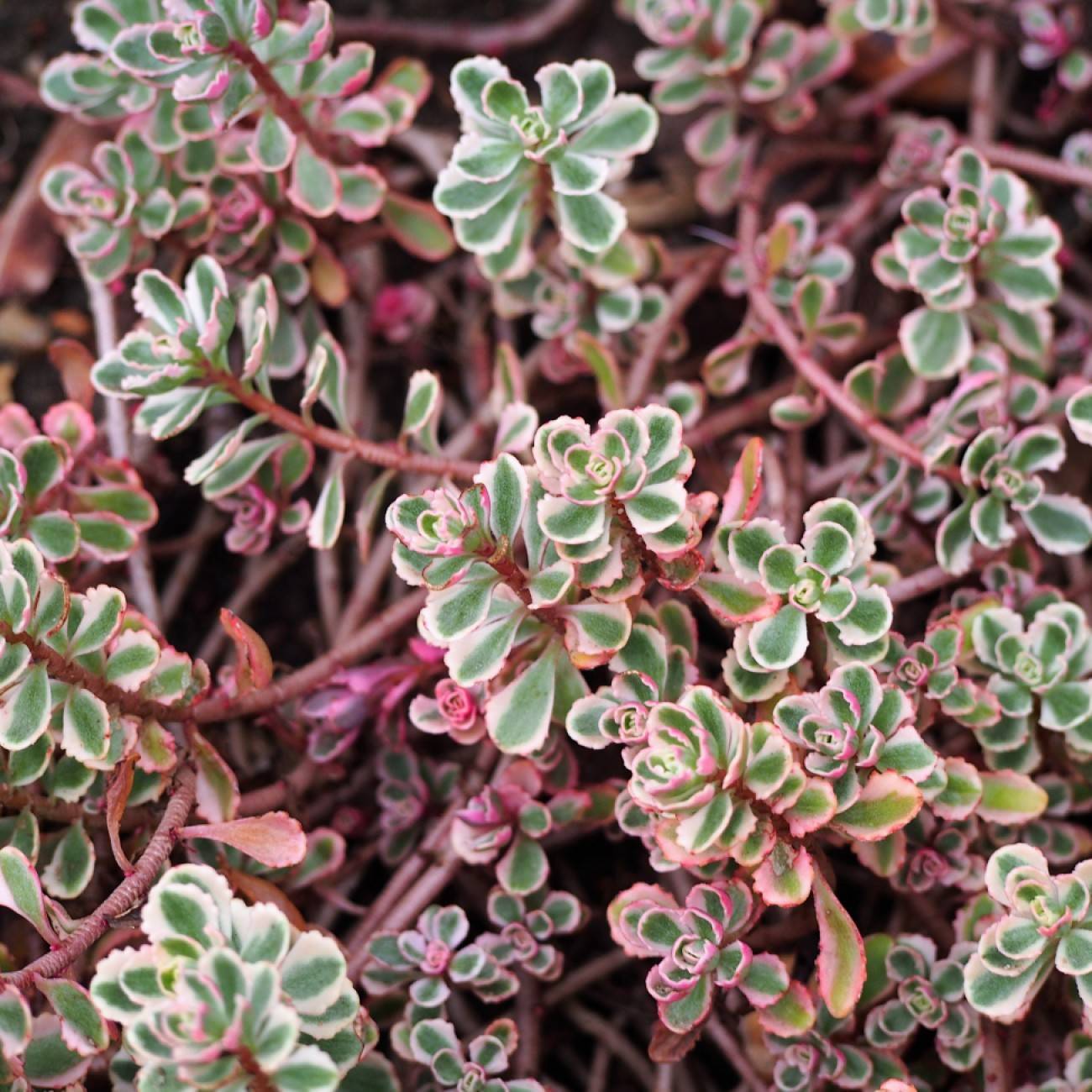
Caucasian Stonecrop
Phedimus spurius, formerly Sedum spurium
Overview
Caucasian stonecrop is a hardy, drought-tolerant succulent prized for its dense, trailing growth habit and low maintenance requirements. Its small, rounded, slightly toothed leaves often develop red or bronze tints in full sun or cool weather, adding seasonal visual interest. In mid to late summer, it produces dense corymbs of tiny, star-shaped flowers that attract pollinators including bees and butterflies. It is widely cultivated as a ground cover, rock garden plant, or container specimen in temperate regions worldwide.
Care Guide
Watering
Caucasian stonecrop is highly drought-tolerant, requiring infrequent watering only when the top 2-3 inches of soil are completely dry. Overwatering, especially in cool, shaded conditions, is the most common cause of root rot, so avoid letting the plant sit in standing water. During winter dormancy, reduce watering to once every 4-6 weeks, only if the soil is thoroughly dry.
Light
This succulent thrives in full sun, which encourages the most vibrant leaf coloration and abundant flowering, tolerating at least 6 hours of direct sunlight daily. It can grow in partial shade, but growth will be less dense, flowering may be reduced, and foliage will retain a darker green hue without red or bronze undertones. Indoor specimens should be placed in a south or west-facing window to receive adequate light.
Soil
Caucasian stonecrop requires sharply drained, low-fertility soil to prevent root rot and excess leggy growth. A commercial cactus or succulent mix works well, or you can create your own blend by combining equal parts potting soil, coarse sand, and perlite or pumice to improve drainage. It tolerates poor, rocky, or sandy soils and a pH range from slightly acidic to slightly alkaline, making it adaptable to many garden conditions.
Fertilizer
This plant has very low nutrient needs and rarely requires fertilization, as excess nitrogen will cause weak, leggy growth and reduced cold hardiness. If grown in containers, you can apply a diluted, balanced liquid fertilizer at half strength once in early spring, before new growth emerges. Avoid fertilizing in summer or fall, as new tender growth may be damaged by cold winter temperatures.
Temperature
Caucasian stonecrop is extremely cold-hardy, tolerating winter temperatures down to -30°F (-34°C) and thriving in USDA hardiness zones 3 through 9. It prefers warm summer temperatures between 60-85°F (15-29°C), and can withstand short periods of high heat if provided with adequate drainage. In regions with extremely hot, humid summers, it benefits from light afternoon shade to prevent leaf scorch.
Pruning
Pruning is minimal for Caucasian stonecrop; simply trim back any dead, damaged, or leggy stems in early spring to encourage dense, healthy new growth. After flowering, you can deadhead spent bloom stalks to tidy the plant’s appearance, though this is not required for health. If the plant spreads beyond its desired area, you can easily cut back trailing stems at any point during the growing season to contain its growth.
Propagation
Caucasian stonecrop is extremely easy to propagate via stem cuttings or division, both of which have very high success rates. For stem cuttings, snip a 2-3 inch section of healthy stem, remove the lower leaves, let the cut end callous over for 1-2 days, then plant in well-drained soil and water sparingly until roots form in 2-3 weeks. Divide mature clumps in early spring or fall by gently pulling apart the root mass into smaller sections, each with several stems and roots, then replant immediately.
Humidity
This succulent is adapted to dry, temperate climates and prefers low to moderate humidity levels between 30-50%. It tolerates average indoor household humidity well, but is prone to fungal issues if exposed to prolonged high humidity above 60%, especially in combination with poor air circulation. Outdoor specimens grown in humid regions should be planted in full sun with ample space between plants to promote air flow around the foliage.
Repotting
Container-grown Caucasian stonecrop only needs repotting every 2-3 years, or when it has completely outgrown its current pot and roots are growing through the drainage holes. Repot in early spring, using a slightly larger pot with drainage holes and fresh, well-drained succulent mix. Take care not to damage the shallow, fragile root system during repotting, and wait 3-5 days after repotting to water to allow any damaged roots to heal.
Uses & Symbolism
Caucasian stonecrop is most commonly used as a low-growing, drought-tolerant ground cover for rock gardens, slope stabilization, border edges, and green roof installations, as its dense mat suppresses weeds and requires minimal upkeep. It is also grown in hanging baskets, succulent containers, and as a trailing component in mixed planters, where its trailing stems and colorful foliage add textural contrast. Its nectar-rich flowers support native pollinators, making it a popular addition to pollinator-friendly and xeriscape gardens.
Diseases & Pests
Caucasian stonecrop is largely pest and disease resistant when grown in proper conditions, but overwatering or poor drainage can lead to root rot, the most common issue affecting this plant. In high humidity or overly shaded conditions, it may develop fungal diseases such as powdery mildew or leaf spot, which can be prevented by ensuring adequate air circulation and avoiding overhead watering. Occasional pests include aphids, mealybugs, and slugs, which can be treated with insecticidal soap, neem oil, or organic slug bait as needed.
Related plants
Other plants you might like if you grow Caucasian Stonecrop.
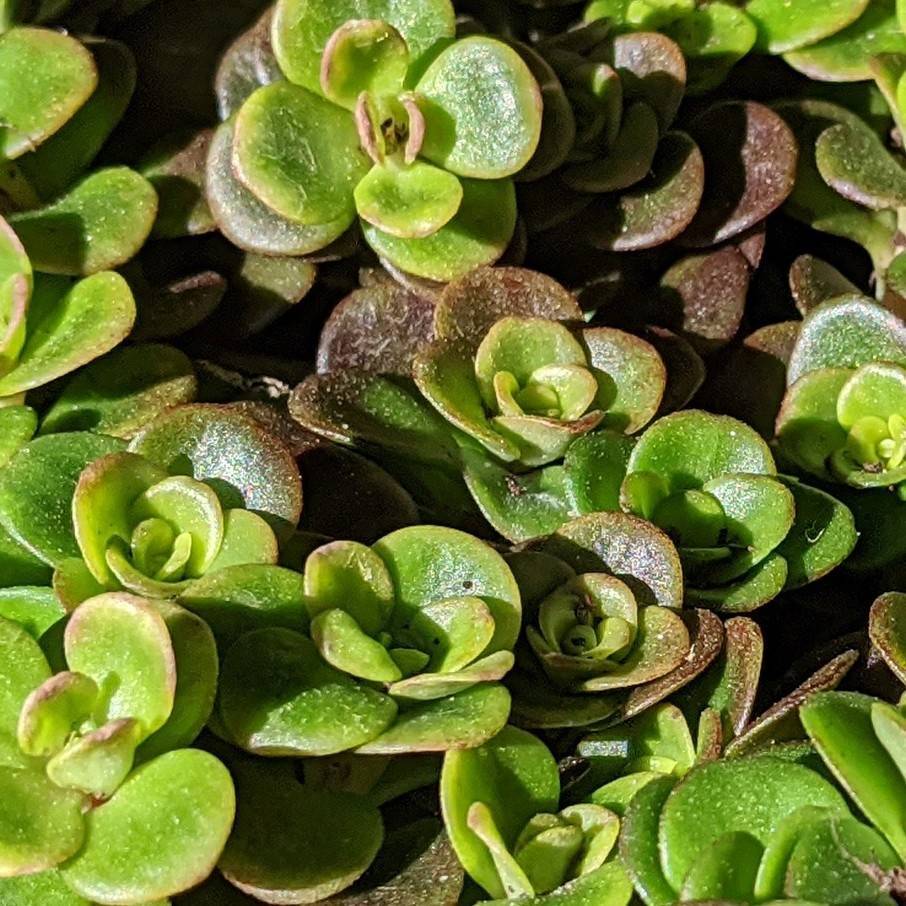
Chinese Sedum
Sedum tetractinum
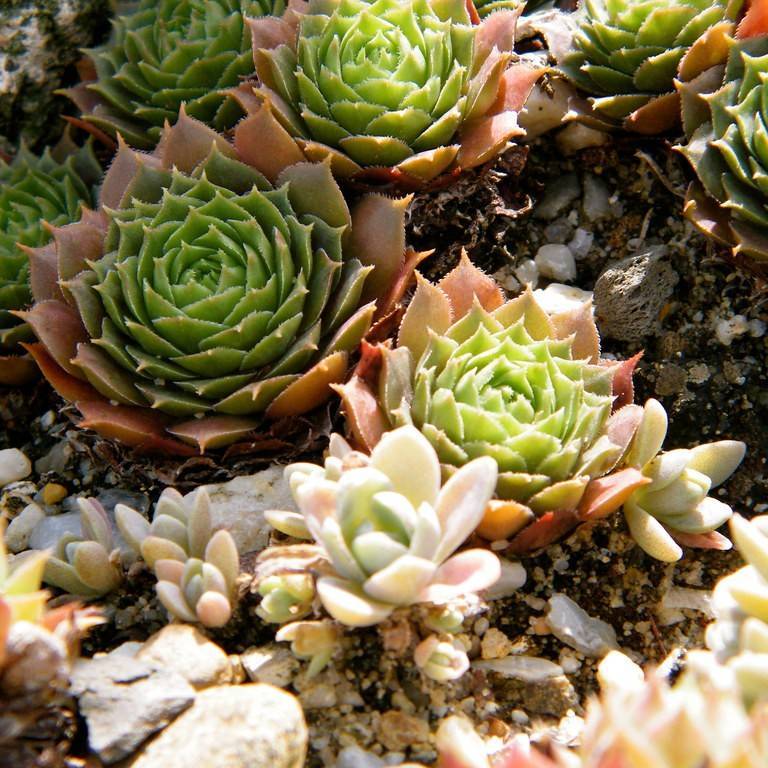
Hens And Chicks
Sempervivum tectorum
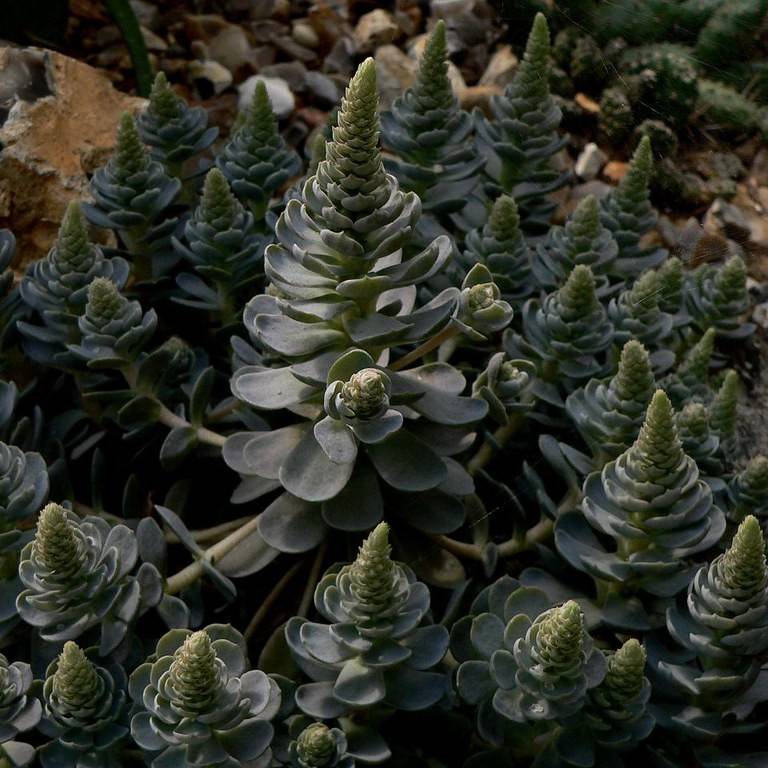
Chinese Dunce Cap
Orostachys iwarenge
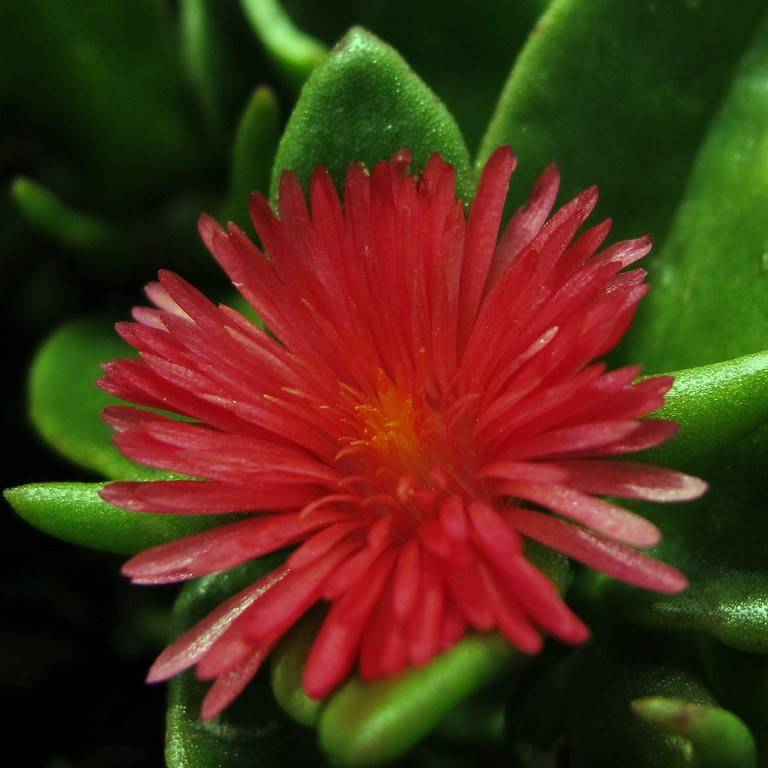
Heartleaf Iceplant
Mesembryanthemum cordifolium (syn. Aptenia cordifolia)
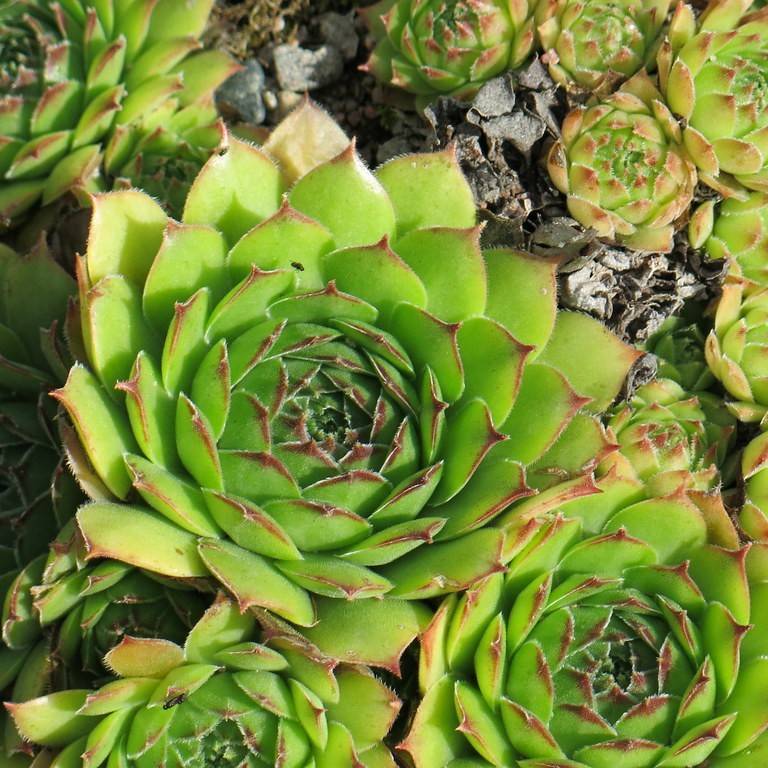
House Leek
Sempervivum tectorum
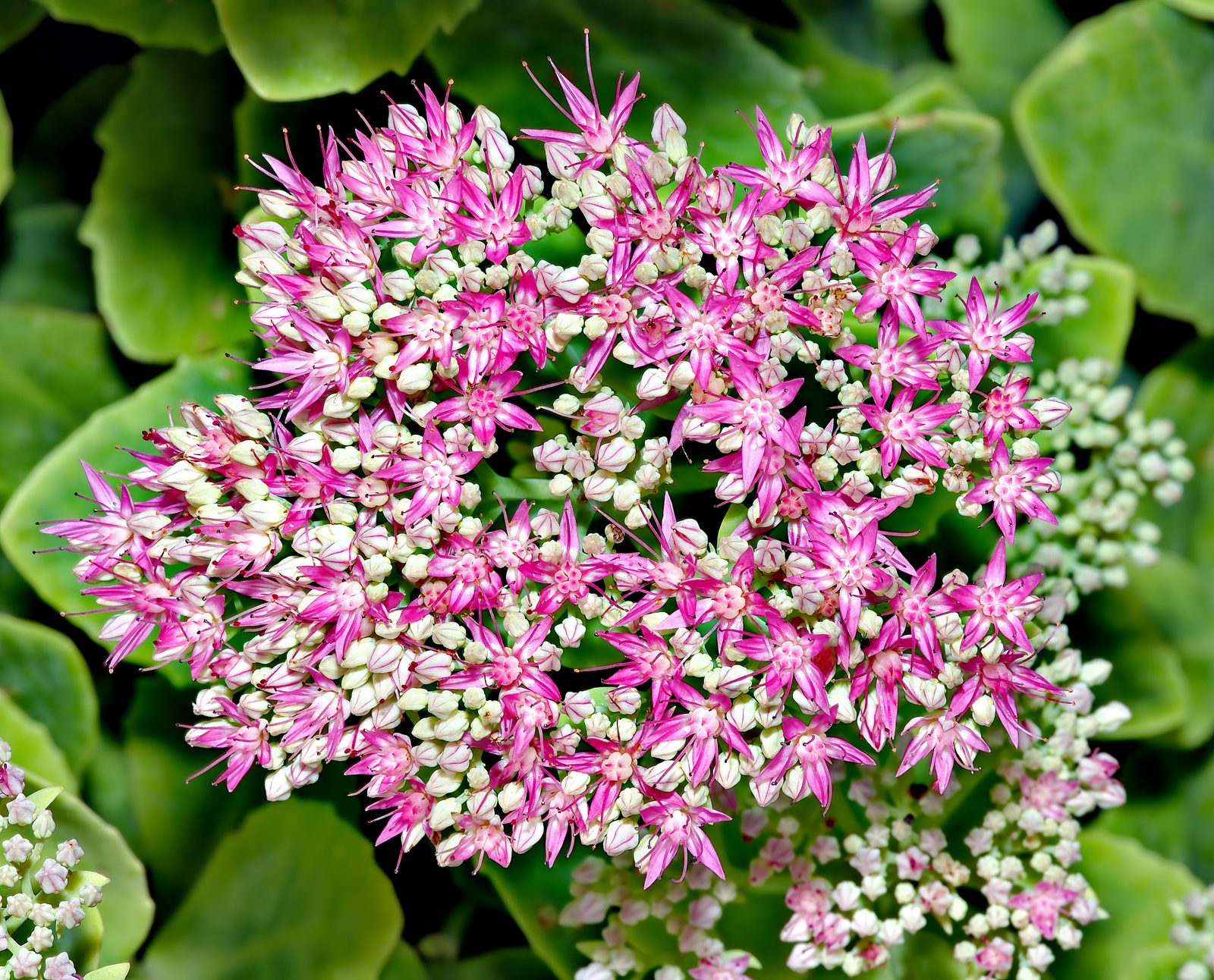
Hylotelephium
Hylotelephium spp.
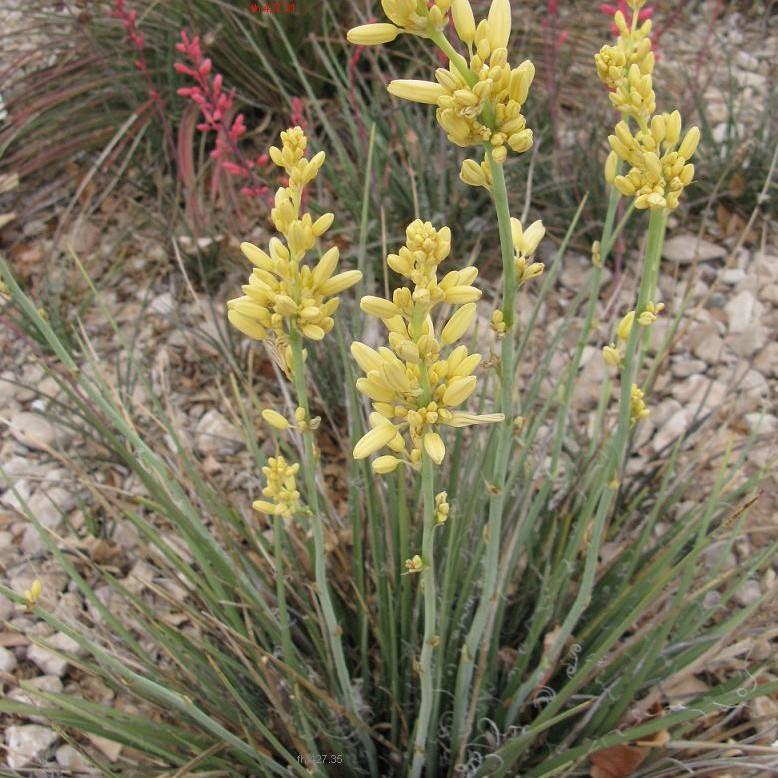
False Yucca
Hesperaloe parviflora
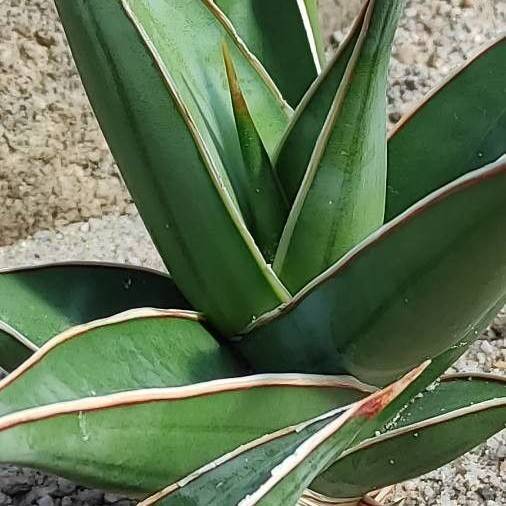
Blue Sansevieria
Sansevieria masoniana 'Blue' (syn. Dracaena masoniana 'Blue')