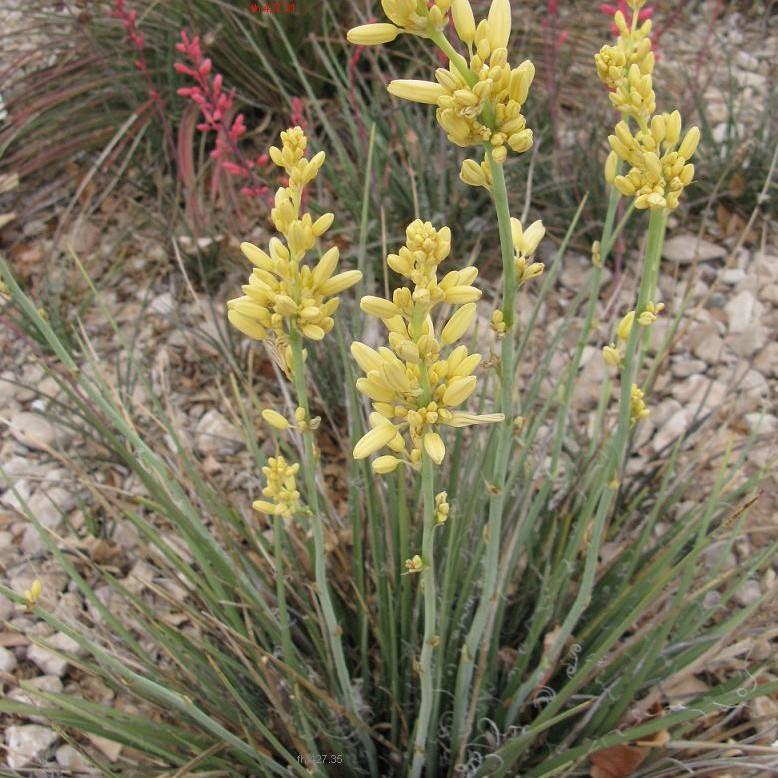
False Yucca
Hesperaloe parviflora
Overview
False yucca, also called redflower false yucca, is a clumping evergreen succulent that mimics the appearance of true yuccas but produces softer, spineless foliage that avoids the sharp tips of its namesake. It blooms from spring to summer, sending up towering, branching flower stalks lined with tubular, nectar-rich blooms that draw hummingbirds and pollinators in droves. Adapted to harsh desert conditions, it thrives in hot, dry environments with minimal supplemental care, making it a staple of xeriscaping and low-water garden designs.
Care Guide
Watering
False yucca is extremely drought-tolerant, requiring only infrequent deep watering during the active growing season, with soil allowed to dry out completely between sessions. In winter, reduce watering to once every 4-6 weeks, as overwatering is the most common cause of root rot and plant decline. Container-grown specimens need slightly more frequent watering than those planted in the ground, but still require well-drained soil to prevent moisture buildup around the root zone.
Light
This species requires full, direct sunlight for at least 6 hours per day to maintain its compact growth habit and produce abundant flower stalks. It can tolerate light partial shade, but extended low-light conditions will lead to leggy growth, fewer blooms, and reduced foliage vibrancy. When grown indoors, place it in a south-facing window that receives consistent bright light year-round.
Soil
False yucca needs sharply draining, low-fertility soil with a neutral to slightly alkaline pH to thrive. A cactus or succulent potting mix amended with coarse sand, perlite, or pumice works well for container plantings, while outdoor garden beds should be amended with gravel to improve drainage if the native soil is heavy or clay-heavy. Avoid rich, moisture-retentive soils that hold water around the root system, as these will quickly cause root rot.
Fertilizer
This plant is adapted to low-nutrient desert soils and rarely requires supplemental fertilization. If desired, apply a diluted, balanced slow-release fertilizer once in early spring before new growth emerges, using no more than half the recommended strength to prevent foliage burn or excessive, weak growth. Do not fertilize in fall or winter, when the plant is semi-dormant and cannot absorb extra nutrients effectively.
Temperature
False yucca is highly heat-tolerant, thriving in temperatures up to 110°F (43°C) during the summer growing season. It is cold-hardy to USDA zones 5-10, tolerating winter lows as low as -20°F (-29°C) as long as the soil remains dry during cold snaps. Wet, freezing soil is far more damaging to the plant than cold air alone, so provide protection from excessive winter moisture in cooler climates.
Pruning
Pruning requirements are minimal for false yucca, limited to removing dead, brown foliage from the base of the clump in late winter before new growth begins. After flowering, cut back spent flower stalks to the base of the plant to improve its appearance and prevent self-seeding if volunteer plants are not desired. Avoid cutting into the healthy, green core of the clump, as this can create entry points for disease and damage the plant’s growth structure.
Propagation
False yucca is most commonly propagated by dividing mature clumps in early spring, carefully separating the small offset pups that grow at the base of the parent plant and replanting them in well-draining soil. It can also be grown from seed, though seeds require cold stratification for 30-60 days before sowing, and plants grown from seed may take 3-4 years to reach flowering maturity. Ensure cuttings or divisions are allowed to callus over for 1-2 days before planting to reduce the risk of rot.
Humidity
This desert-adapted species prefers low to moderate humidity levels between 10% and 40%, tolerating the dry air of indoor homes and arid outdoor climates with no extra care. High humidity levels above 50% can increase the risk of fungal leaf spots and root rot, especially if paired with overwatering or poor air circulation. Avoid misting the foliage or placing the plant in humid, poorly ventilated spaces such as unventilated bathrooms.
Repotting
Container-grown false yucca only needs repotting every 3-4 years, when it becomes completely root-bound and growth slows significantly. Choose a pot only 1-2 inches larger than the current root ball, with ample drainage holes, to avoid excess soil that holds unnecessary moisture. Repot in early spring, handling the soft foliage carefully to avoid tearing, and allow the plant to acclimate to its new pot for 1-2 weeks before watering deeply.
Uses & Symbolism
False yucca is a popular choice for xeriscaping, rock gardens, and low-water landscape designs, where its arching foliage and tall flower spikes add year-round visual interest with minimal maintenance. Its nectar-rich blooms make it a valuable addition to pollinator gardens, attracting hummingbirds, bees, and butterflies throughout the flowering season. It is also grown as a low-maintenance container houseplant in cooler climates, where it can be moved outdoors during warm summer months to receive full sun.
Diseases & Pests
False yucca is largely pest and disease resistant when grown in appropriate conditions, with the most common issue being root rot caused by overwatering or poorly draining soil. Fungal leaf spot may occur in high-humidity conditions or if foliage is consistently wet, and can be managed by improving air circulation and avoiding overhead watering. Rare infestations of scale insects or mealybugs can be treated with neem oil or insecticidal soap, applied directly to the affected areas of the plant.
Related plants
Other plants you might like if you grow False Yucca.
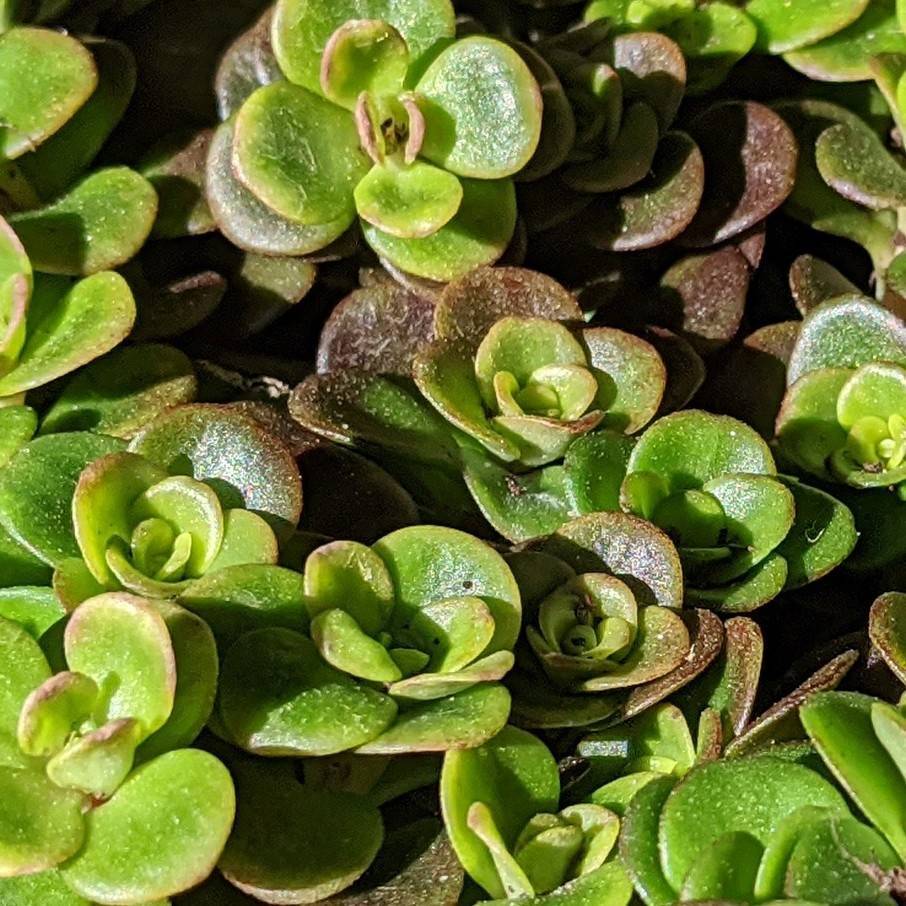
Chinese Sedum
Sedum tetractinum
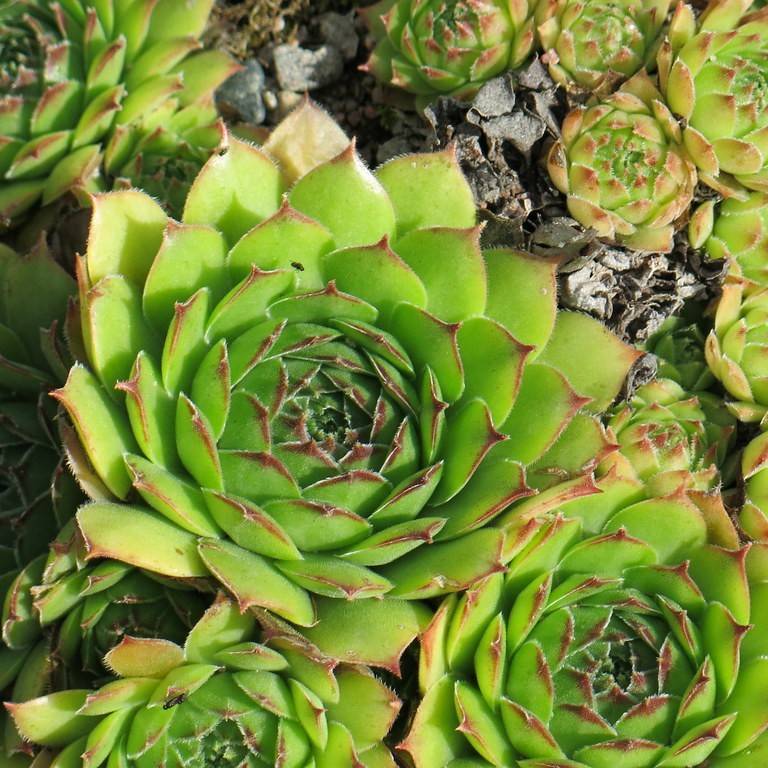
House Leek
Sempervivum tectorum
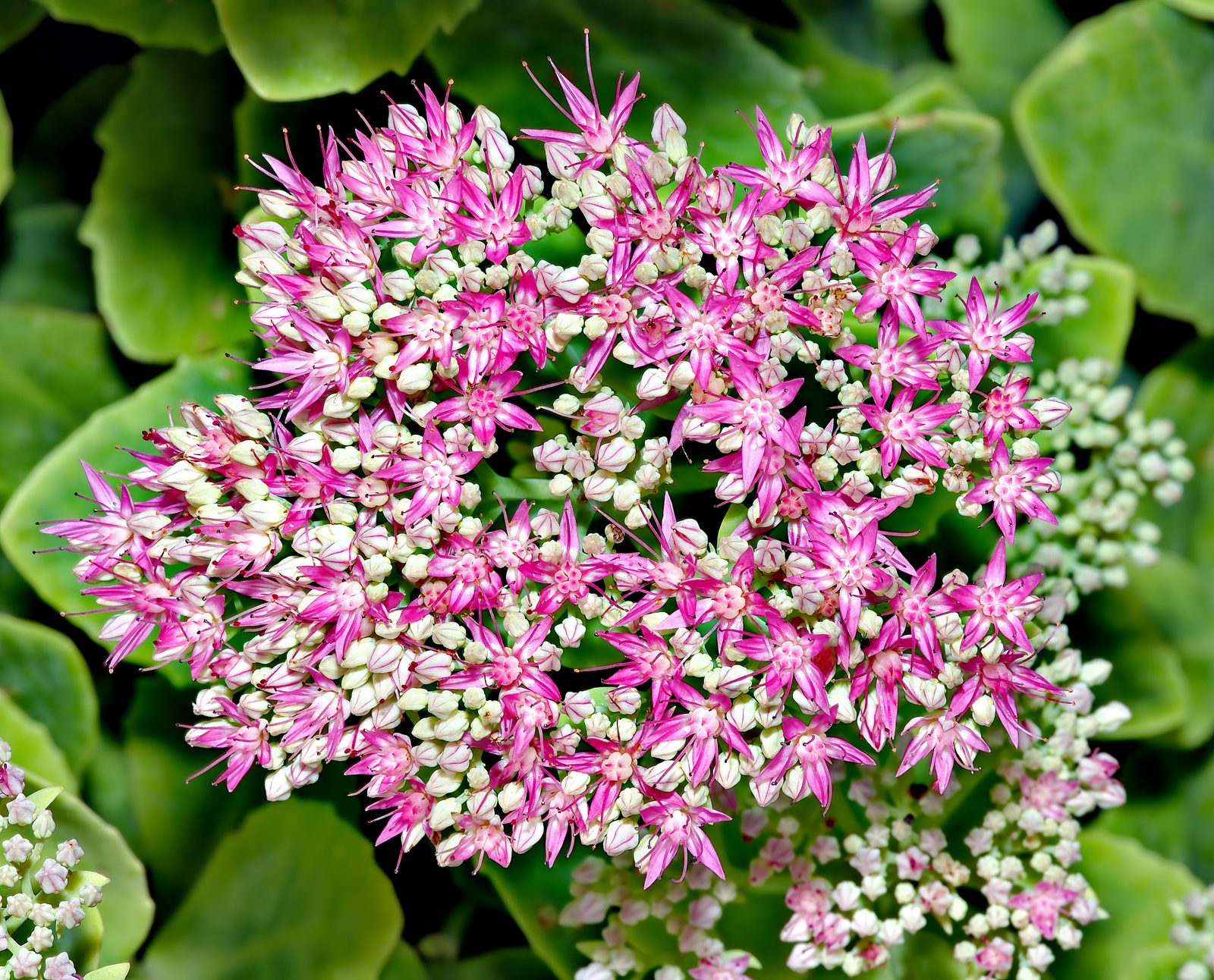
Hylotelephium
Hylotelephium spp.
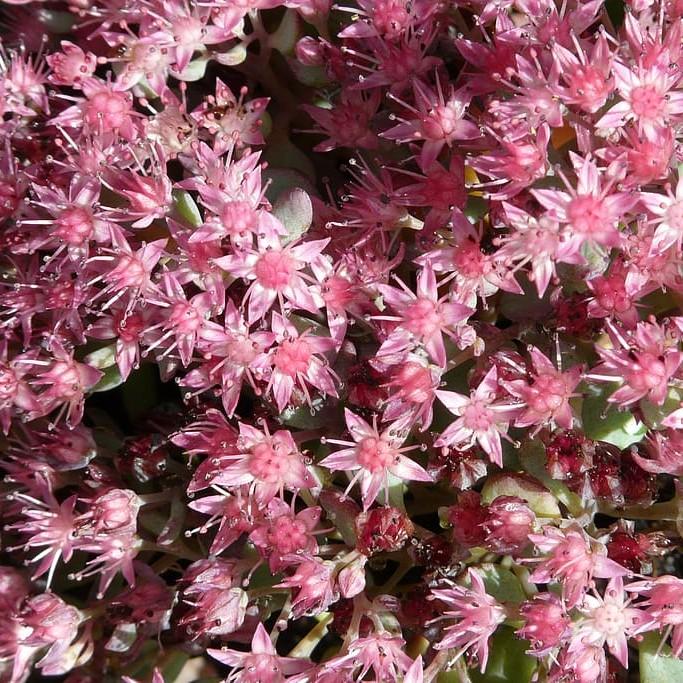
Autumn Stonecrop
Hylotelephium spectabile
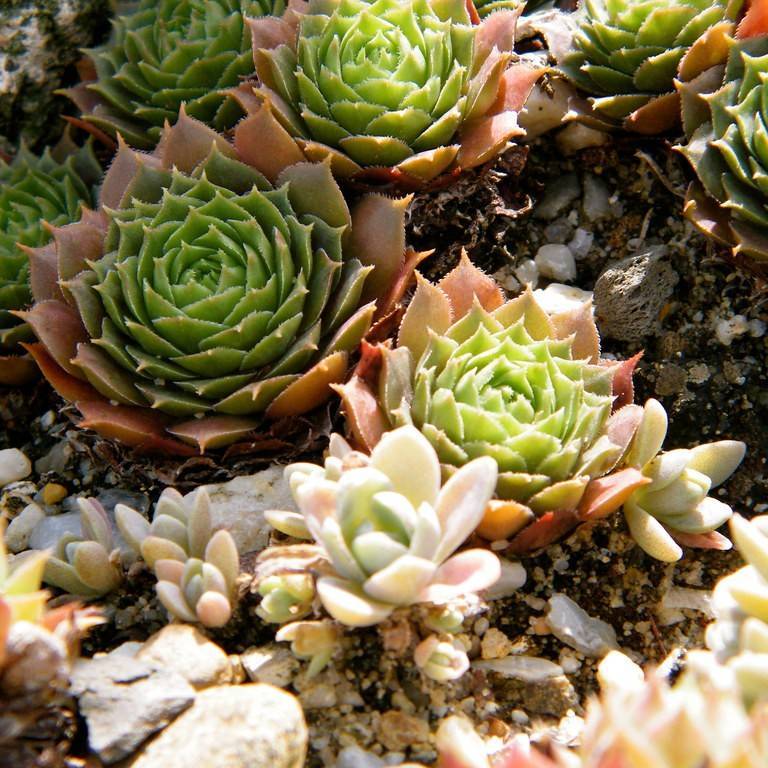
Hens And Chicks
Sempervivum tectorum
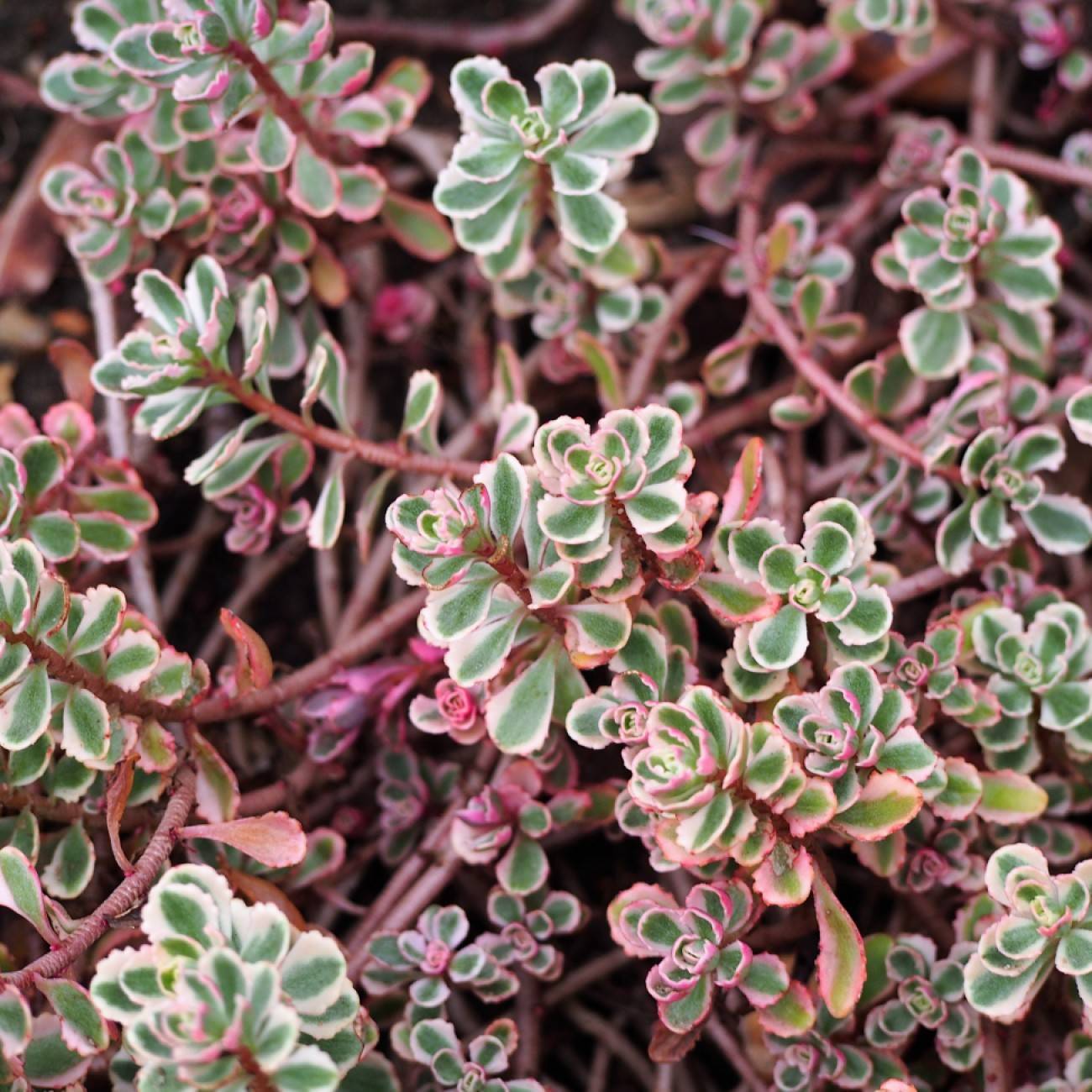
Caucasian Stonecrop
Phedimus spurius, formerly Sedum spurium
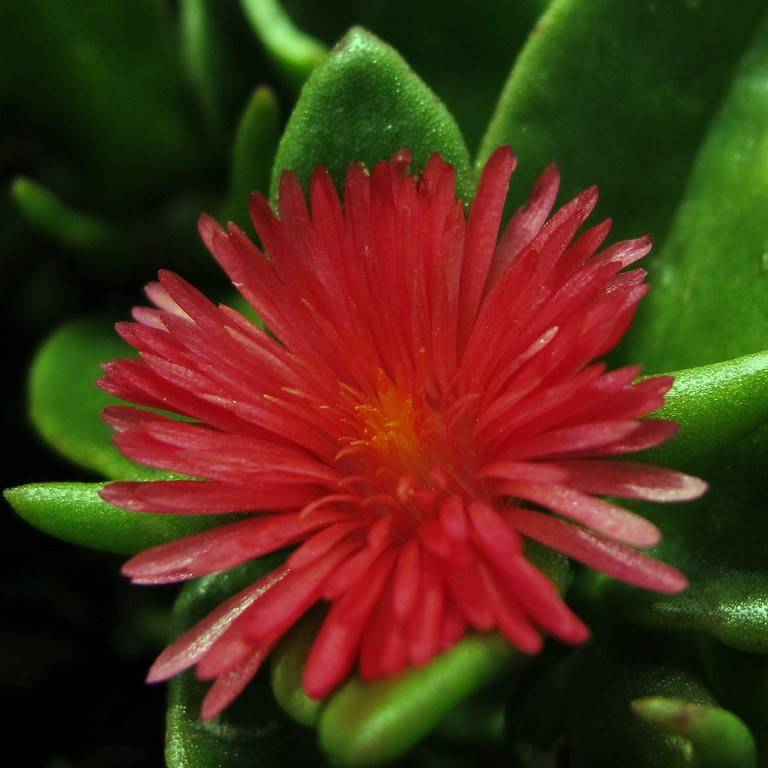
Heartleaf Iceplant
Mesembryanthemum cordifolium (syn. Aptenia cordifolia)
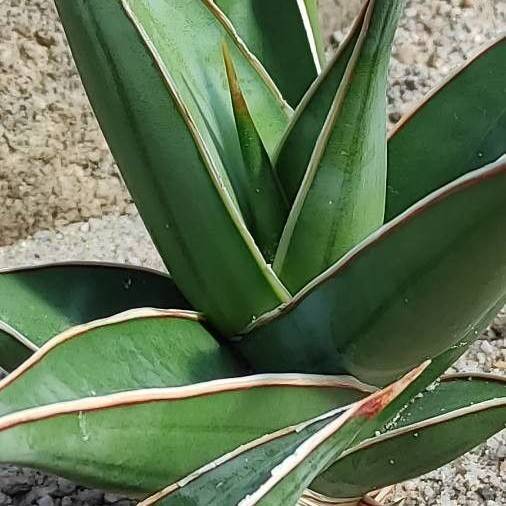
Blue Sansevieria
Sansevieria masoniana 'Blue' (syn. Dracaena masoniana 'Blue')