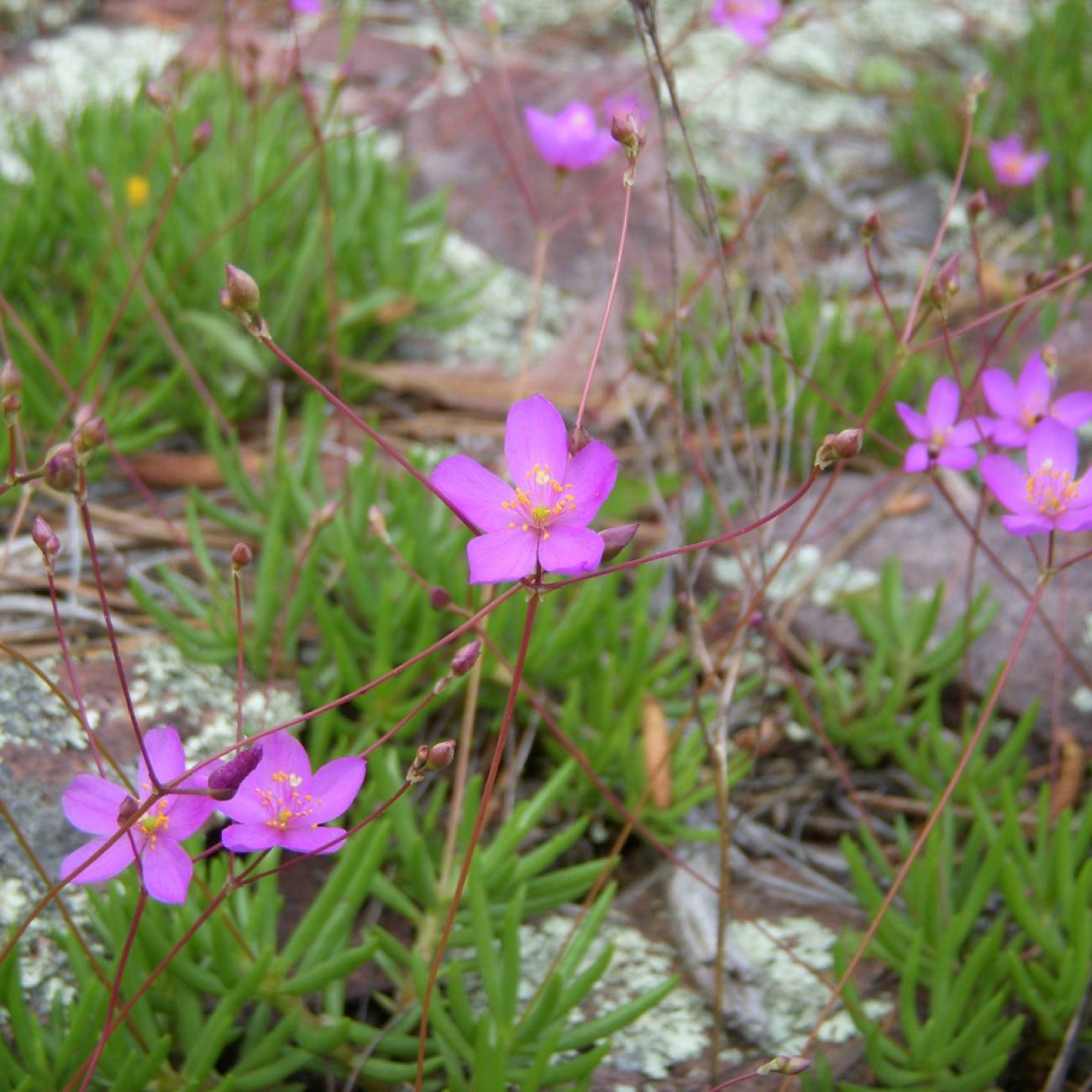
Fameflower
Phemeranthus calycinus
Overview
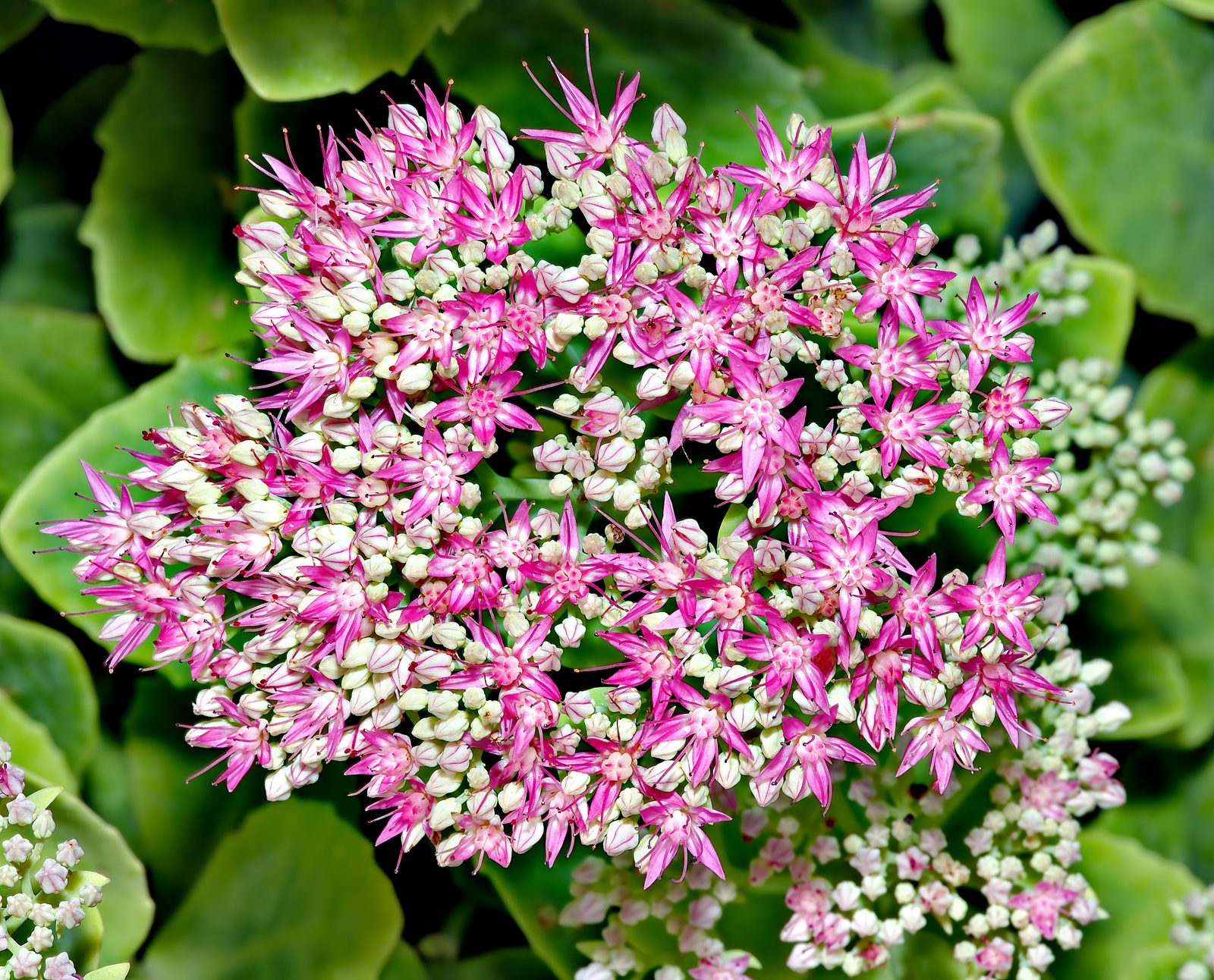
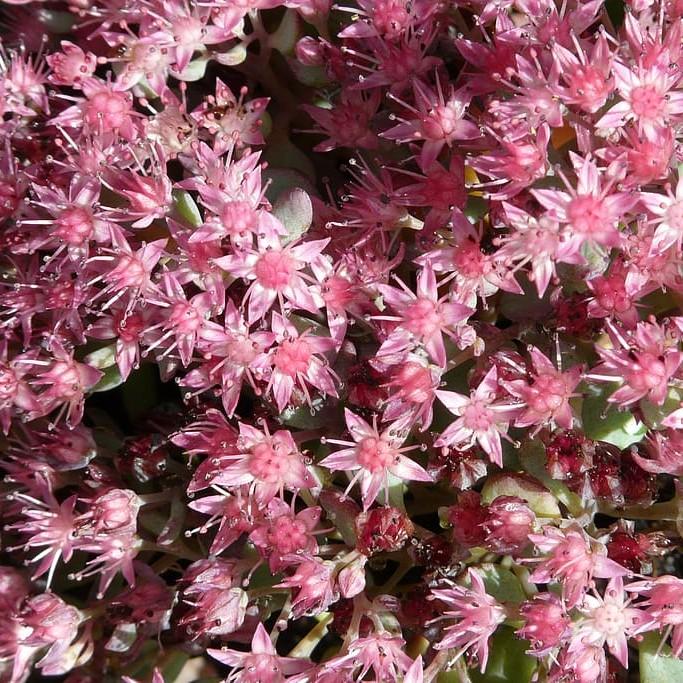
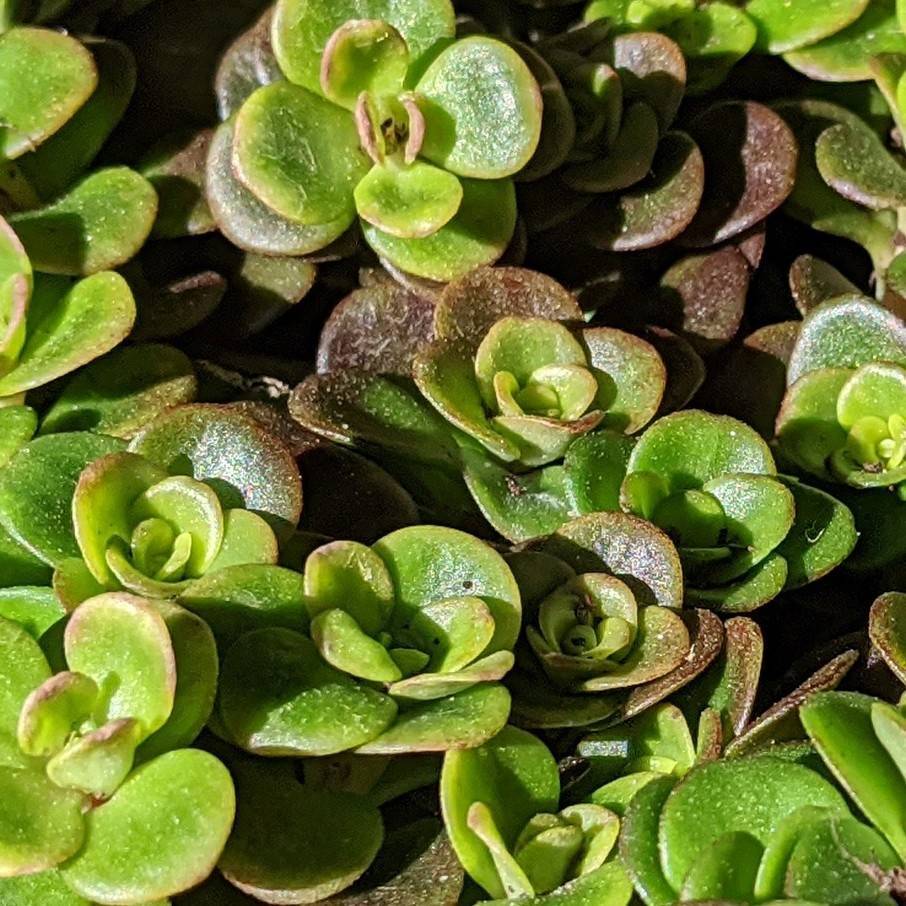
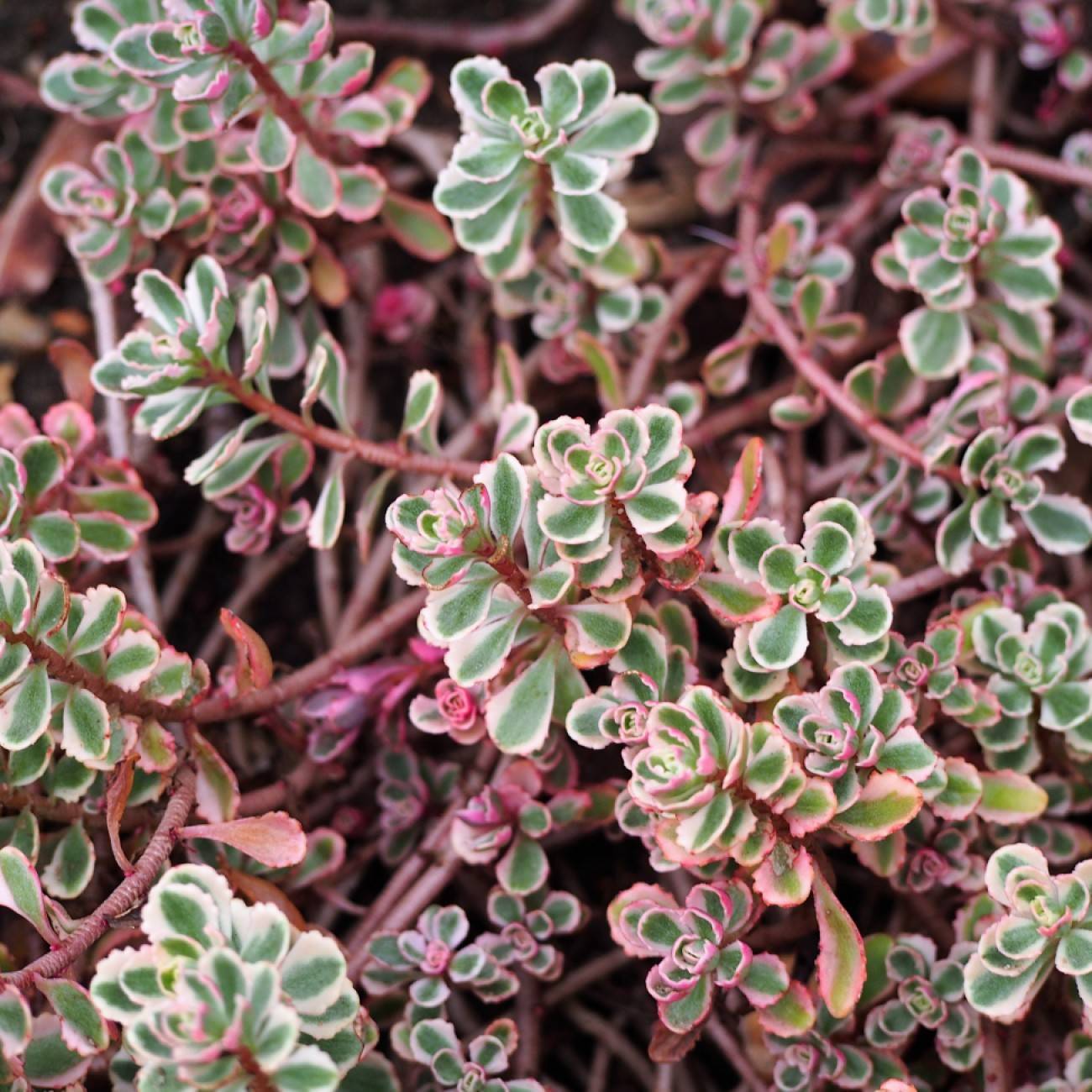
Fameflower, also called rock pink, is a mat-forming succulent perennial adapted to dry, rocky habitats like prairies and limestone outcrops. Its delicate, vivid pink blooms appear in clusters atop thin stems from late spring to early fall, attracting native pollinators including bees and butterflies. The plant’s fleshy, narrow green leaves form a low rosette that spreads slowly, making it an ideal ground cover for xeriscape gardens.
Care Guide
Watering
Fameflower is extremely drought-tolerant, requiring only occasional watering during extended dry periods once established. Overwatering, especially in cool or humid conditions, will quickly cause root rot, so allow the soil to dry completely between waterings. Reduce watering almost entirely during the winter dormant season.
Light
This plant thrives in full, direct sunlight, requiring a minimum of 6 hours of unfiltered sun per day to produce abundant blooms. It can tolerate very light shade, but flowering will be reduced and stems may become leggy as the plant stretches toward light. Indoor specimens should be placed in a south-facing window for best results.
Soil
Fameflower requires sharply drained, low-nutrient soil with a neutral to slightly alkaline pH. It grows naturally in sandy, gravelly, or rocky soils, so a cactus or succulent mix amended with coarse sand or perlite works well for container cultivation. Heavy, moisture-retentive soils like clay are unsuitable and will lead to root death.
Fertilizer
Fameflower is adapted to low-nutrient environments and rarely requires fertilization. If grown in containers, a diluted, balanced cactus fertilizer can be applied once at the start of the growing season, at half the recommended strength. Over-fertilization will cause excessive leaf growth at the expense of flowers and may damage the plant’s delicate root system.
Temperature
This plant is highly cold-hardy, tolerating winter temperatures as low as -20°F (-29°C) in USDA zones 5 through 9. It thrives in hot, dry summer conditions, withstanding temperatures above 100°F (38°C) without additional water. Frost will kill back above-ground growth, but the root system will resprout in spring.
Pruning
Pruning is minimal for fameflower; spent flower stems can be trimmed back after blooming to encourage a tidy growth habit and prevent self-seeding if desired. At the end of the growing season, cut back dead, dried foliage to the base of the plant to make way for new spring growth. Avoid heavy pruning of live foliage, as this can reduce the plant’s ability to photosynthesize and store energy.
Propagation
Fameflower is most easily propagated by seed, which can be sown directly on the soil surface in fall or early spring, as seeds require light to germinate. Established clumps can also be divided in early spring before new growth emerges, carefully separating the root system into smaller sections and replanting in well-drained soil. Stem cuttings can be taken in summer, left to callous for a few days, then planted in sandy soil to root.
Humidity
Fameflower prefers low to moderate humidity levels, thriving in the dry air of prairie and desert edge habitats. High humidity, especially combined with moist soil, increases the risk of fungal diseases and root rot. Indoor specimens should be kept in well-ventilated areas away from humidifiers or steamy rooms like bathrooms.
Repotting
Container-grown fameflower only needs repotting every 3 to 4 years, when it has completely outgrown its current pot. Choose a pot with ample drainage holes, and avoid overpotting, as excess soil will hold unwanted moisture. Repot in early spring before new growth begins, using a fresh, sharply draining succulent mix.
Uses & Symbolism
Fameflower is a popular choice for xeriscape gardens, rock gardens, green roofs, and container plantings, where its low growth habit and bright blooms add seasonal color without requiring regular maintenance. It is a valuable native pollinator plant, supporting native bees and other beneficial insects in dry habitat gardens. Some Indigenous groups historically used the plant’s fleshy leaves as a mild, nutrient-dense edible green.
Diseases & Pests
Fameflower is largely pest and disease resistant when grown in suitable conditions, with root rot caused by overwatering or poorly drained soil being the most common issue. In humid, crowded conditions, it may occasionally develop powdery mildew on foliage, which can be prevented by ensuring good air circulation around plants. Aphids may sometimes feed on new flower stems, but they can be easily removed with a strong spray of water or insecticidal soap.
Related plants
Other plants you might like if you grow Fameflower.