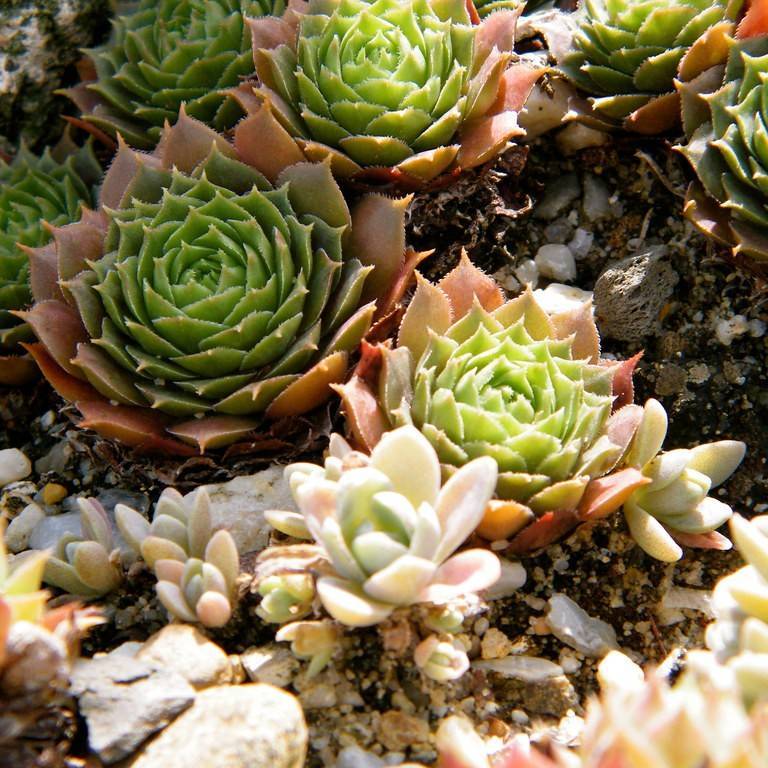
Hens And Chicks
Sempervivum tectorum
Overview
Hens And Chicks, a beloved mat-forming succulent, earns its common name from its unique reproductive habit: the main rosette (the 'hen') produces numerous tiny, genetically identical offset rosettes (the 'chicks') on short stolons that root readily to form dense, spreading colonies. Historically grown on European thatched roofs to reduce fire risk and repel lightning according to folklore, these plants are celebrated for their extreme cold hardiness and drought tolerance, making them a staple in rock gardens, green roofs, and container arrangements. Mature mother rosettes produce tall pink, red, or yellow star-shaped flower stalks after 2-3 years, dying back after blooming to leave the surrounding chicks to continue the colony.
Care Guide
Watering
Hens And Chicks require infrequent, deep watering, allowing the soil to dry out completely between sessions to prevent root rot; overwatering is the most common cause of plant death. During the dormant winter season, reduce watering to only when the soil is fully dry, as excess moisture in cool conditions quickly leads to fungal decay. Outdoor plants rarely need supplemental watering except during extended periods of drought lasting more than 2-3 weeks.
Light
These succulents thrive in full, direct sun, requiring a minimum of 6 hours of bright sunlight daily to maintain their compact rosette shape and vibrant foliage colors. In extremely hot, arid climates, they benefit from light afternoon shade to prevent leaf scorch, but too much shade will cause leggy, stretched growth and faded coloration. Indoor specimens should be placed in a south-facing window, or under grow lights for 10-12 hours daily if natural light is insufficient.
Soil
Hens And Chicks need extremely well-draining, low-nutrient soil with a neutral to slightly alkaline pH, ideally a cactus or succulent mix amended with perlite, pumice, or coarse sand to improve drainage. They will not tolerate heavy, clay-heavy soils that hold moisture for long periods, and perform exceptionally well in rocky, gravelly, or sandy growing mediums with very little organic matter. When planting in containers, ensure the pot has multiple drainage holes to prevent standing water at the root zone.
Fertilizer
These low-maintenance succulents require very little fertilization, as excess nutrients can cause soft, leggy growth and reduce their cold hardiness. A single light application of diluted, balanced cactus fertilizer in early spring is sufficient for the entire growing season, and no fertilization is needed during the winter dormant period. Avoid applying high-nitrogen fertilizers, as they encourage excessive foliage growth at the expense of offset production.
Temperature
Hens And Chicks are exceptionally cold hardy, tolerating temperatures as low as -30°F (-34°C) in USDA hardiness zones 3 through 8, making them suitable for outdoor growth in most temperate and cold climates. They prefer average summer temperatures between 60-75°F (15-24°C), and can withstand short periods of heat above 90°F (32°C) if provided with adequate air circulation. Indoor specimens thrive in standard room temperatures, and do not require a cold dormancy period to survive, though it may encourage more prolific flowering.
Pruning
Pruning requirements are minimal for Hens And Chicks: simply remove dead, withered lower leaves from rosettes as needed to improve air circulation and prevent fungal growth. After a mother hen rosette blooms and dies, gently dig it out to make space for surrounding chicks to expand, trimming away the spent flower stalk at the base. You can also thin overcrowded colonies by removing excess chicks to transplant or discard if the area becomes too dense.
Propagation
The easiest method of propagation is separating the small 'chick' offsets from the mother hen once they have developed their own small root systems, usually 1-2 months after they first appear. Gently twist or cut the stolon connecting the chick to the parent, plant it in well-draining succulent soil, and water lightly until it establishes itself, which typically takes 2-3 weeks. Hens And Chicks can also be grown from seed, though this method is far slower, and seeds will not produce plants identical to the parent cultivar.
Humidity
These succulents prefer low to moderate humidity levels between 30-50%, and do not thrive in high-humidity environments where moisture lingers on foliage for long periods. Excellent air circulation is critical in humid climates to prevent leaf rot and fungal diseases, so avoid planting them in enclosed, poorly ventilated areas. Indoor specimens do not require misting, and benefit from being placed near a fan or open window to maintain consistent air flow.
Repotting
Hens And Chicks only need repotting every 2-3 years, or when the colony has completely outgrown its current container and drainage is compromised. Repot in early spring before active growth begins, gently shaking off old soil from the roots and planting in a slightly larger container with fresh, well-draining succulent mix. Take care not to bury the rosettes too deeply, as this can cause the base of the plant to rot; keep the crown of the rosette level with the soil surface.
Uses & Symbolism
Hens And Chicks are extremely popular as ornamental plants for rock gardens, xeriscapes, green roofs, wall crevices, and container arrangements, where their spreading mat-like growth forms a vibrant, low-maintenance ground cover. They are often grown in small decorative pots, terrariums, and living wall installations as indoor houseplants, valued for their compact size and tolerance of neglect. Historically, they were used in folk medicine to treat burns, insect bites, and skin irritations, due to the soothing, mildly astringent properties of their fleshy leaves.
Diseases & Pests
Hens And Chicks are largely pest-resistant, but overwatered plants may be affected by root rot, crown rot, and powdery mildew, all caused by excess moisture around the roots or foliage. Common pests include mealybugs and aphids, which may feed on the soft center of rosettes, especially in overcrowded, poorly ventilated growing conditions; these can be treated with insecticidal soap or neem oil applications. In wet, cool spring conditions, slugs and snails may feed on young, tender leaves, so use physical barriers or organic slug bait to protect vulnerable plants.
Related plants
Other plants you might like if you grow Hens And Chicks.
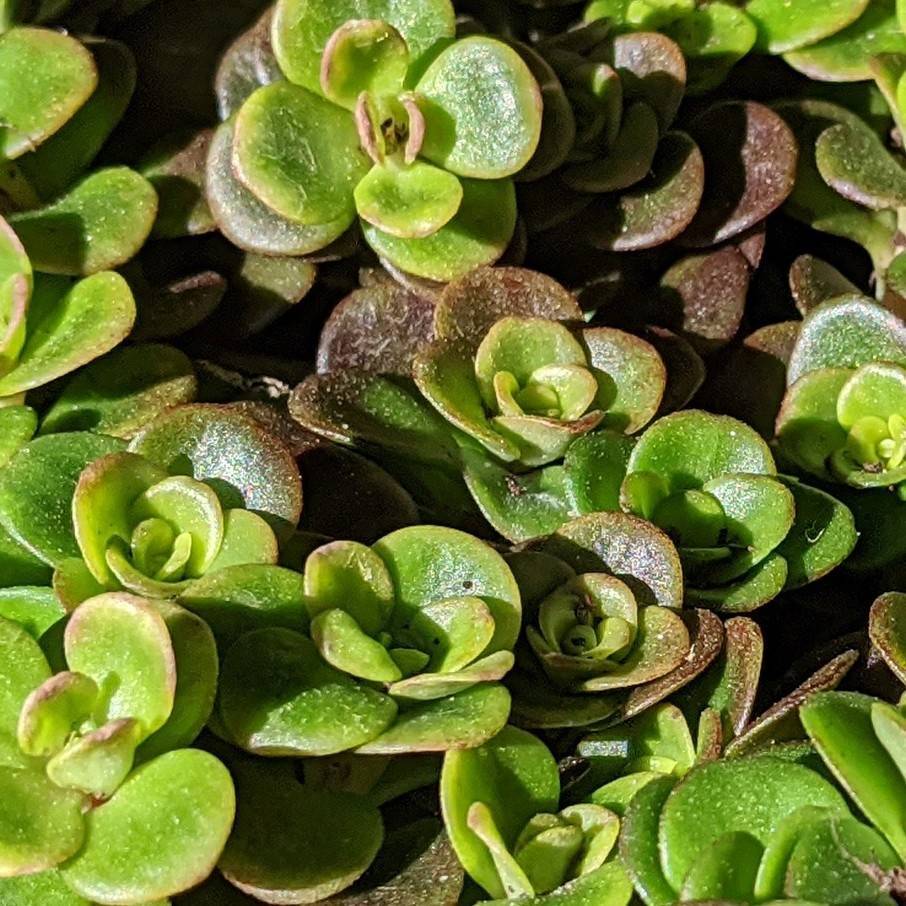
Chinese Sedum
Sedum tetractinum
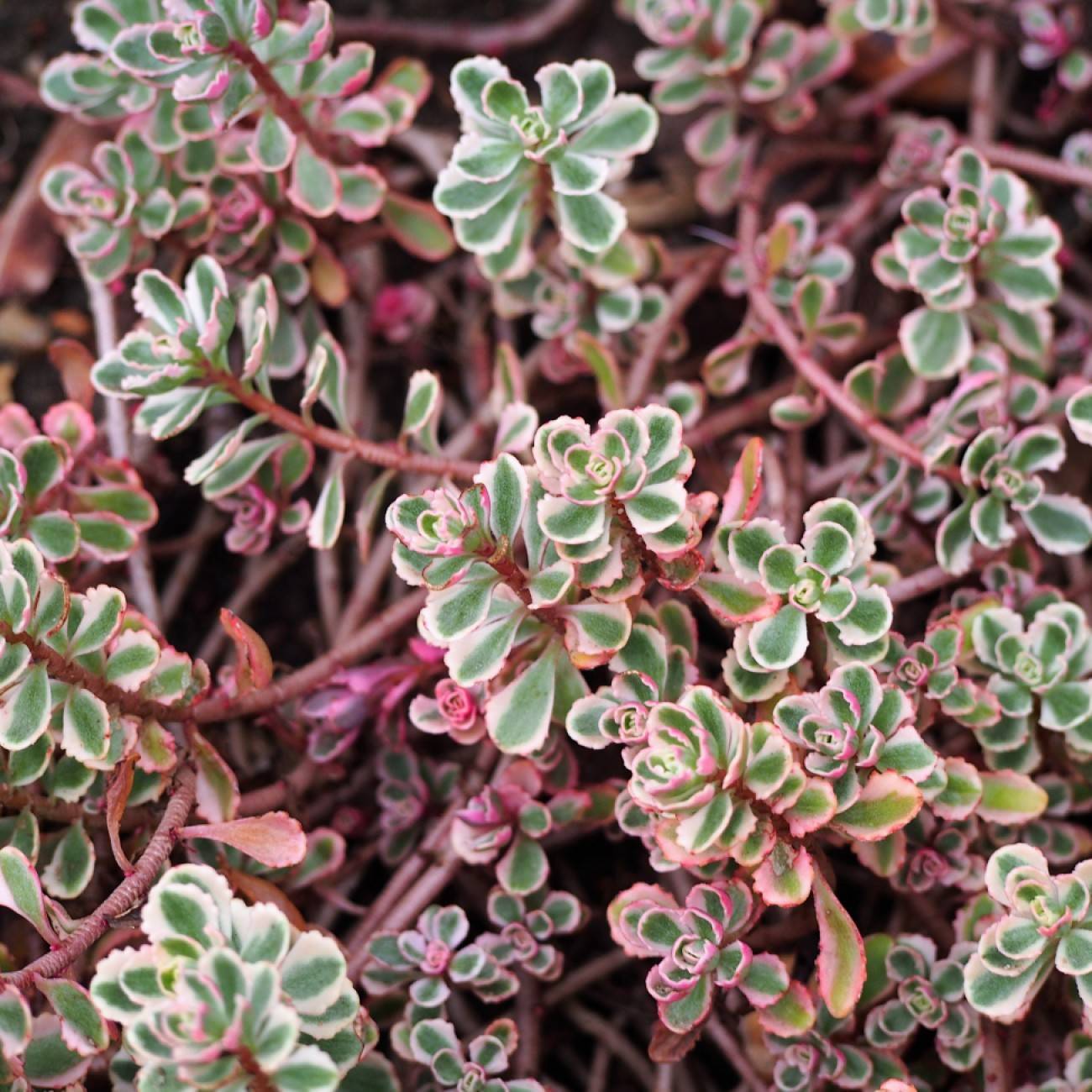
Caucasian Stonecrop
Phedimus spurius, formerly Sedum spurium
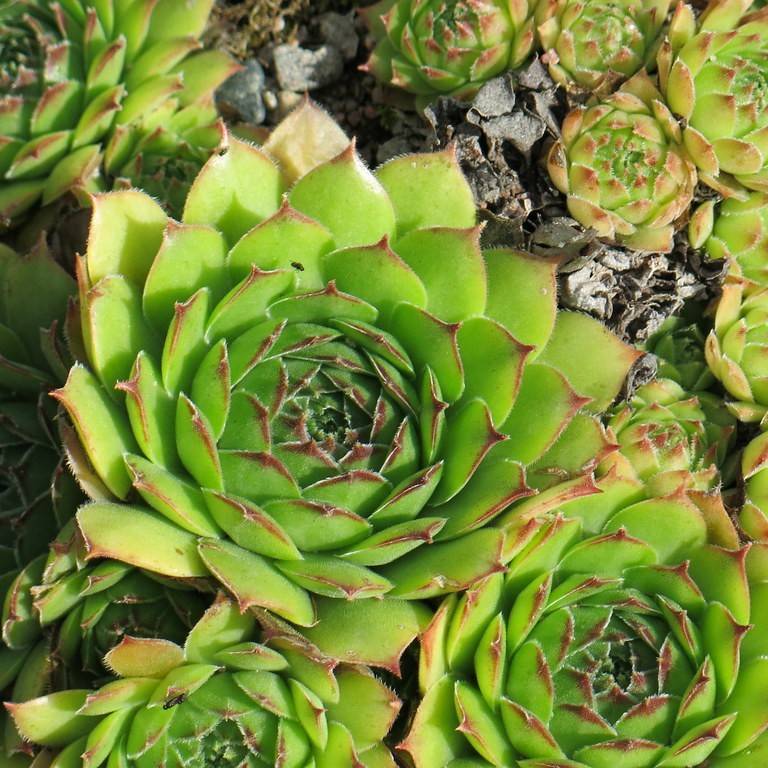
House Leek
Sempervivum tectorum
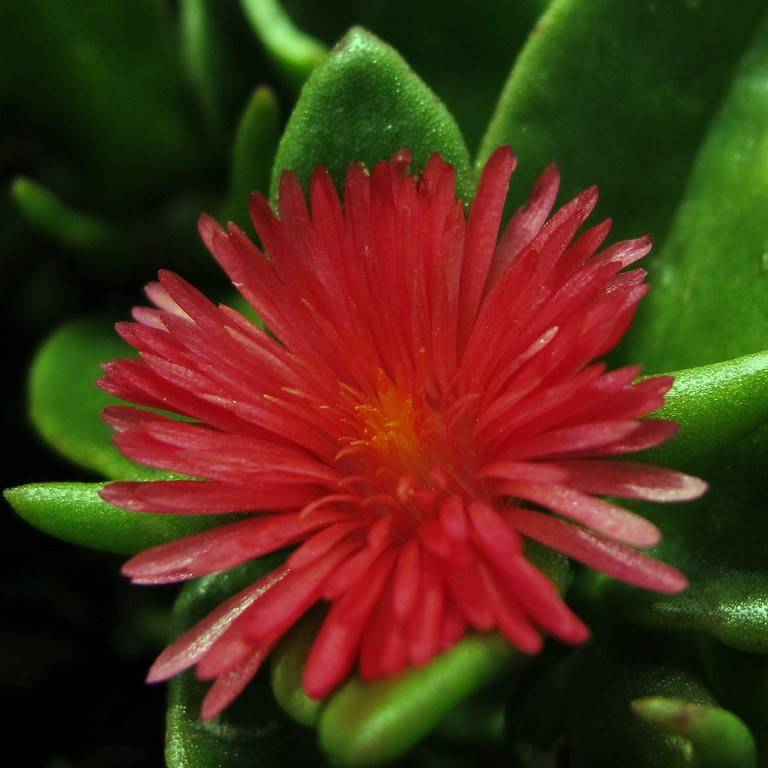
Heartleaf Iceplant
Mesembryanthemum cordifolium (syn. Aptenia cordifolia)
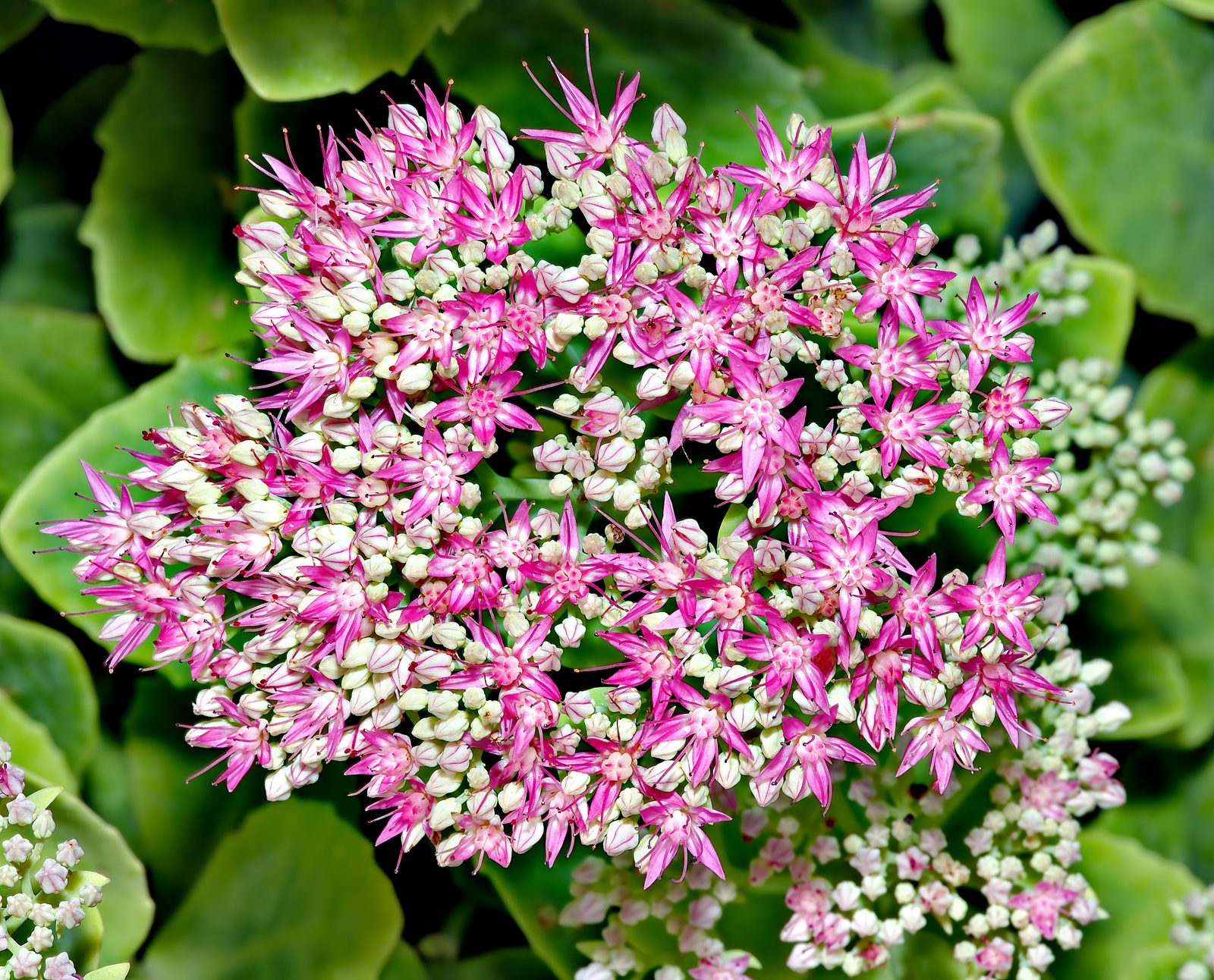
Hylotelephium
Hylotelephium spp.
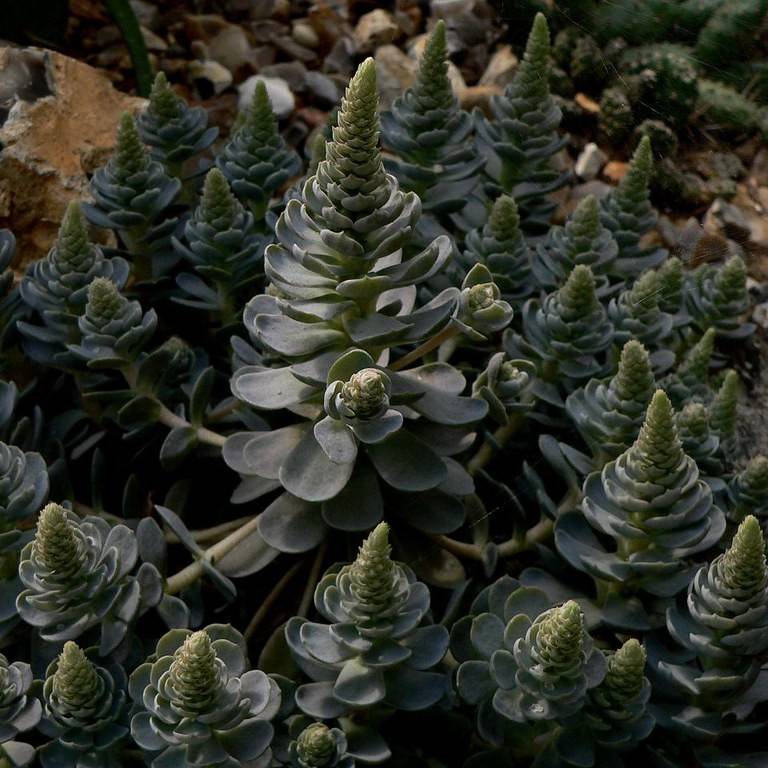
Chinese Dunce Cap
Orostachys iwarenge
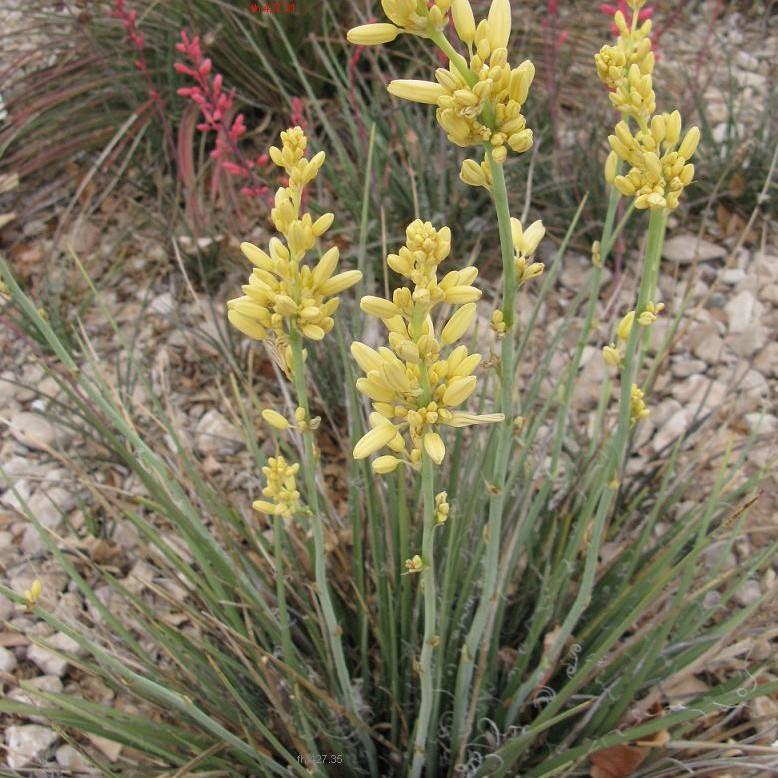
False Yucca
Hesperaloe parviflora
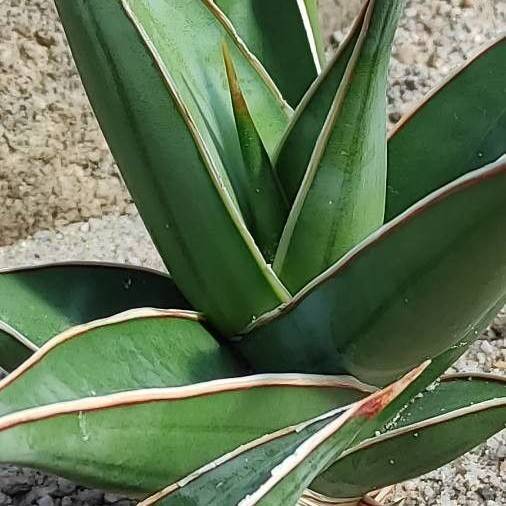
Blue Sansevieria
Sansevieria masoniana 'Blue' (syn. Dracaena masoniana 'Blue')