Hydnocarpus
Hydnocarpus spp.
Overview
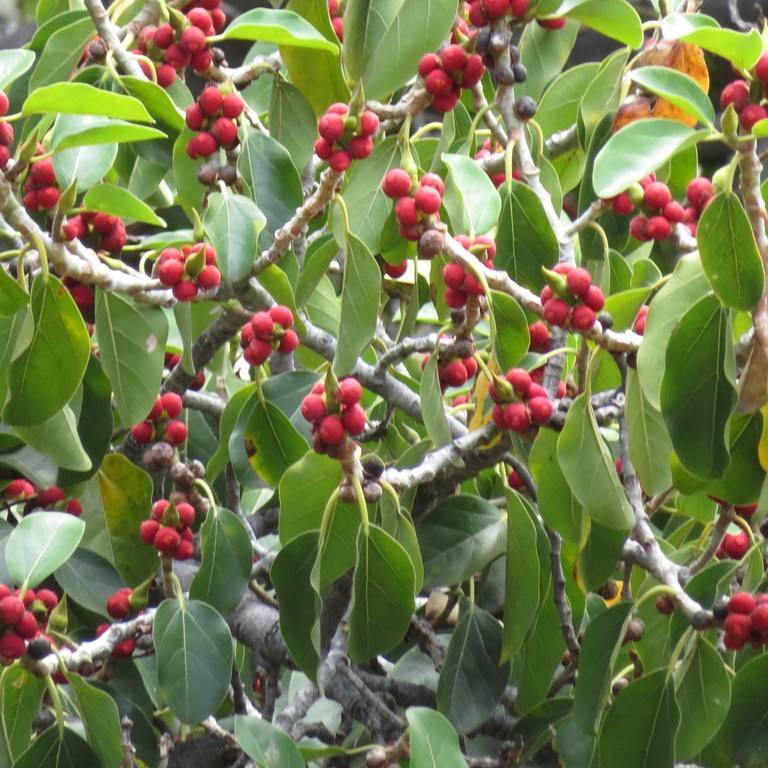
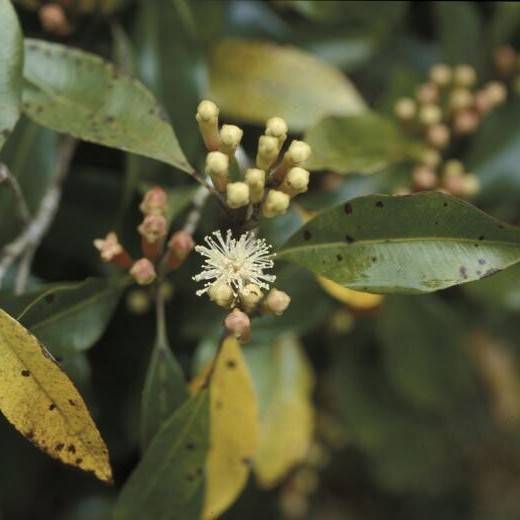
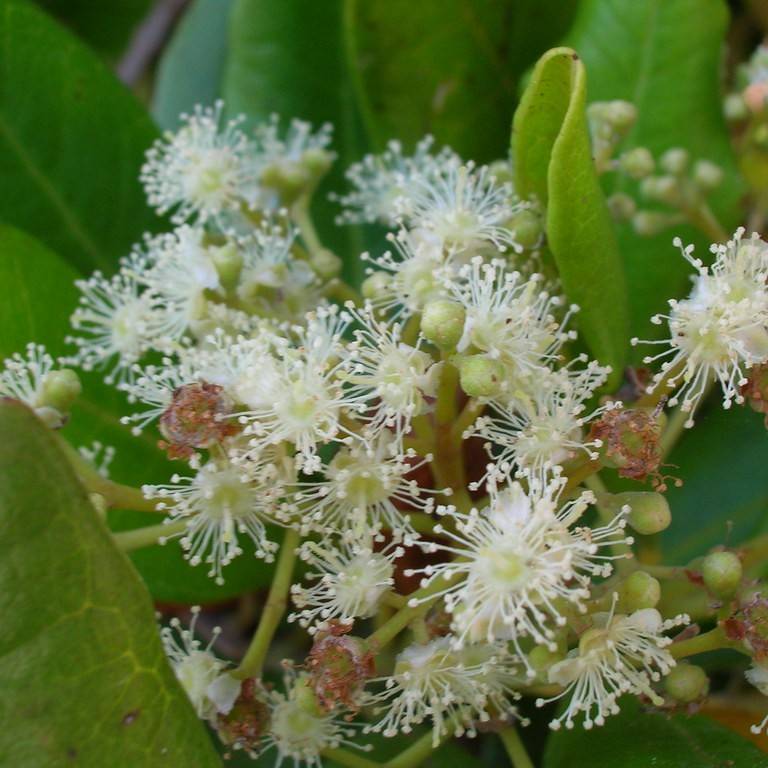
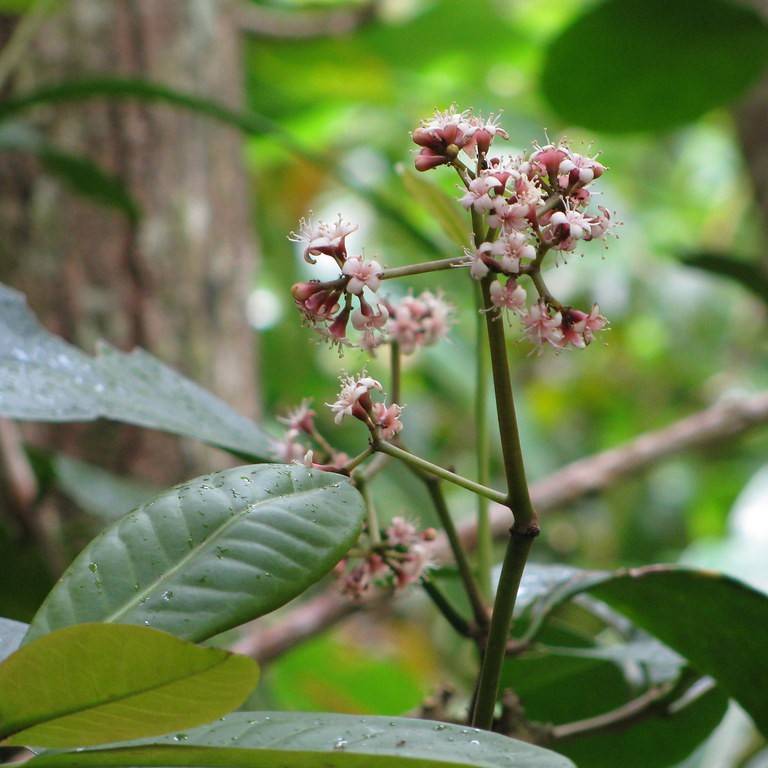
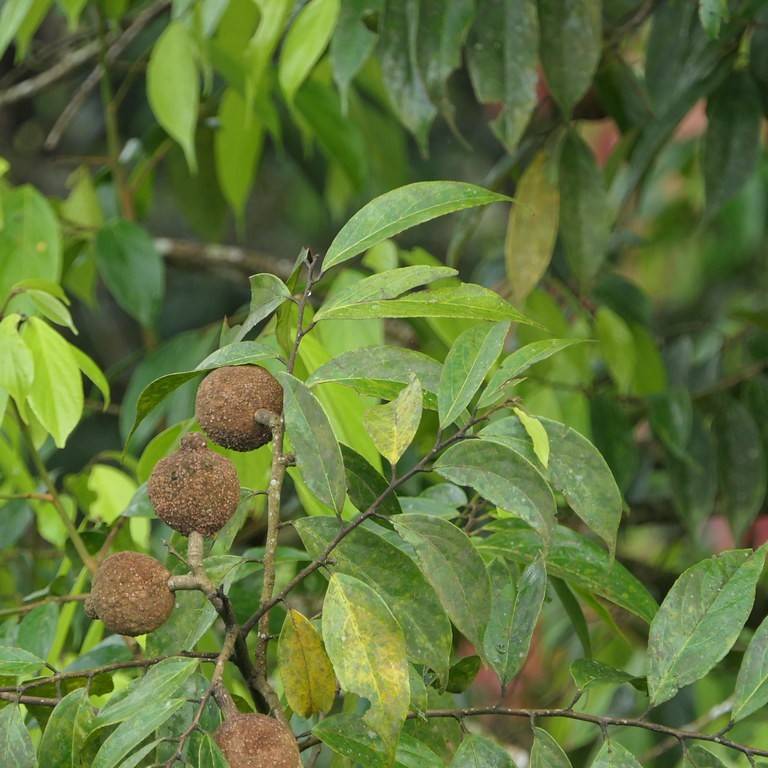
Hydnocarpus is a genus of around 40 evergreen tree species best known for producing chaulmoogra oil, a traditional and modern medicinal extract from its seeds. Trees feature leathery, glossy leaves, clustered pale yellow or greenish fragrant flowers, and distinctive woody, spiky fruit capsules that hold multiple large seeds. Most species thrive in undisturbed tropical forest ecosystems, though some are cultivated commercially for their valuable oil reserves.
Care Guide
Watering
Hydnocarpus requires consistent, deep watering during its active growing season, keeping the root zone evenly moist but never waterlogged to prevent root rot. Reduce watering frequency in cooler, drier months, allowing the top 2-3 inches of soil to dry out between applications to avoid over-saturating dormant roots.
Light
Young Hydnocarpus trees prefer partial, dappled shade to protect their delicate foliage from intense tropical sun scorch. Mature specimens tolerate full, direct sunlight, producing more abundant flowers and fruit when exposed to 6-8 hours of unfiltered light daily.
Soil
These trees thrive in deep, loamy, well-drained soil with a slightly acidic to neutral pH range of 5.5 to 7.0, rich in organic matter to support their extensive root systems. They do not tolerate heavy clay, sandy, or saline soils, which stunt growth and reduce seed production significantly.
Fertilizer
Apply a balanced, slow-release 10-10-10 NPK fertilizer twice yearly, at the start of the wet growing season and midway through, to support foliage, flower, and fruit development. Avoid excessive nitrogen fertilization, which promotes excessive leaf growth at the expense of seed and oil production.
Temperature
Hydnocarpus requires consistently warm tropical temperatures between 68-95°F (20-35°C) for optimal growth, and cannot tolerate sustained temperatures below 50°F (10°C) or frost, which will kill young trees and damage mature foliage. Cooler temperatures below 60°F (15°C) will trigger dormancy and halt growth temporarily.
Pruning
Prune Hydnocarpus trees annually during the dormant dry season to remove dead, damaged, or crossing branches, improving air circulation through the canopy and reducing fungal disease risk. Limit heavy pruning to shaping young trees to a strong central leader structure, as mature trees do not respond well to extensive cutting back.
Propagation
Hydnocarpus is most commonly propagated from fresh, ripe seeds, which should be sown immediately after extraction from the fruit capsule, as seeds lose viability quickly within 1-2 months of harvesting. Cuttings are rarely successful, so grafting of high-oil-yielding cultivars onto hardy rootstock is the primary asexual propagation method for commercial plantations.
Humidity
These tropical trees prefer high ambient humidity levels between 60-80%, typical of their native rainforest habitats, to support healthy leaf growth and prevent leaf edge browning. In drier growing conditions, regular misting or placement near a water source can supplement humidity, though mature trees tolerate short periods of lower humidity.
Repotting
Young Hydnocarpus saplings grown in containers should be repotted every 1-2 years in the early growing season, moving to a pot 2-3 inches larger in diameter each time to accommodate expanding root systems. Once trees reach 6 feet in height, they are best transplanted to permanent outdoor locations, as they quickly outgrow even large indoor containers.
Uses & Symbolism
Chaulmoogra oil extracted from Hydnocarpus seeds has been used for centuries in traditional Ayurvedic and Southeast Asian medicine to treat leprosy, skin conditions, and inflammatory disorders, and was a primary leprosy treatment prior to the development of modern multidrug therapies. Mature trees are also planted as shade trees in tropical agroforestry systems, and their dense, durable wood is used for small construction projects and craftwork.
Diseases & Pests
Hydnocarpus trees are susceptible to leaf spot and powdery mildew fungal infections, which spread rapidly in overly humid, poorly ventilated conditions and can cause defoliation if left untreated. Common pests include scale insects and mealybugs, which feed on sap from leaves and young branches, reducing growth and seed yield, while root rot occurs in waterlogged, poorly drained soils.
Related plants
Other plants you might like if you grow Hydnocarpus.