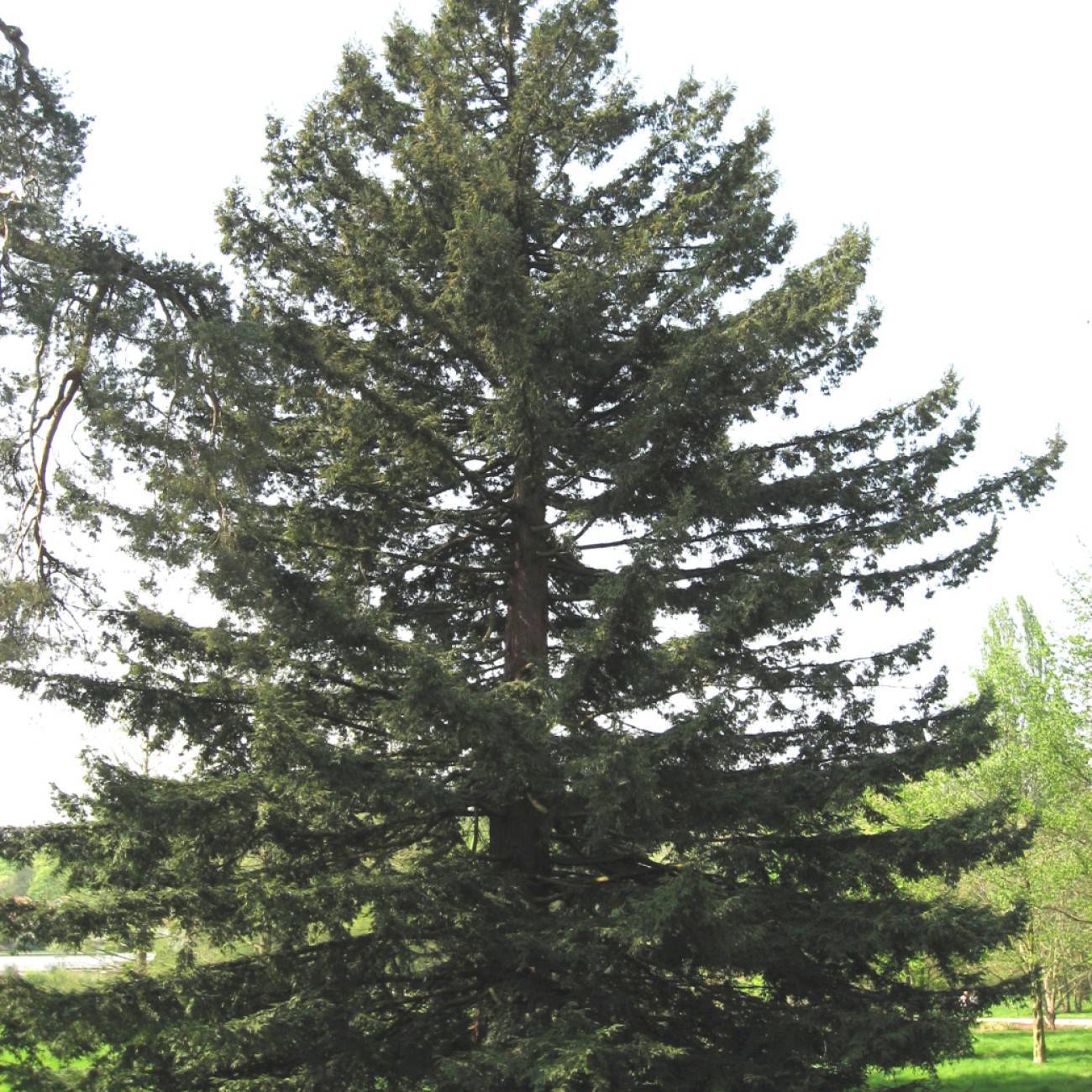
Coast Redwood
Sequoia sempervirens
Overview
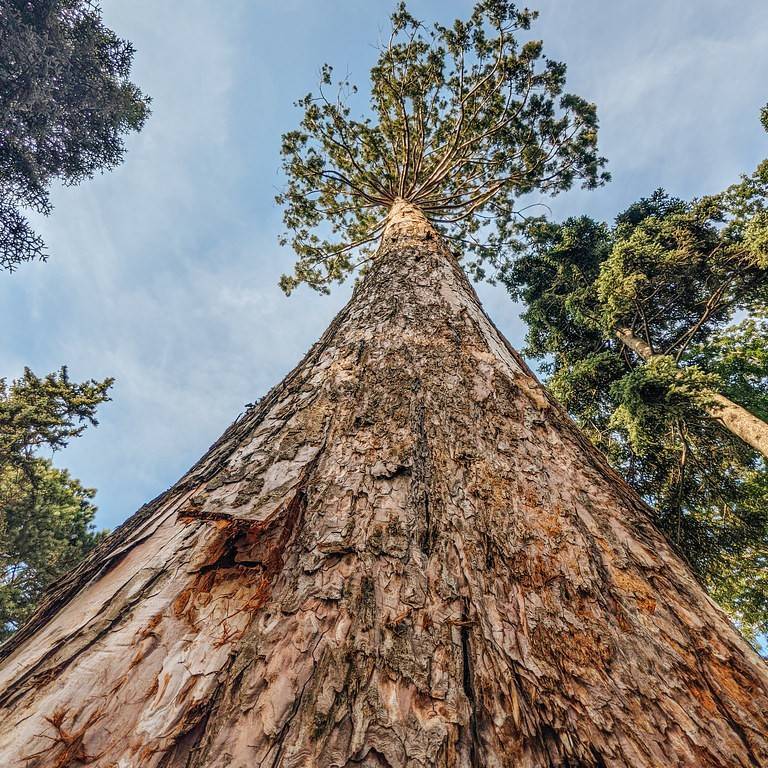
Coast redwoods are legendary evergreen conifers renowned for holding the record as the tallest tree species on Earth, with some wild specimens exceeding 375 feet in height and living over 2,200 years. Their fibrous, furrowed red-brown bark can grow up to 12 inches thick, providing natural fire resistance and protection against pest damage. While they naturally grow in dense, fog-shrouded coastal forests, they are also cultivated as large landscape trees in mild, moist temperate regions around the world.
Care Guide
Watering
Coast redwoods require consistent, abundant moisture, replicating their native foggy coastal habitat; water deeply and regularly, especially during dry periods, to keep the root zone evenly moist but not waterlogged. Young saplings are particularly sensitive to drought, so supplemental watering is critical for the first 3–5 years after planting to support root establishment. Avoid allowing the top 6 inches of soil to dry out completely, as prolonged drought can cause browning of foliage and stunted growth.
Light
Coast redwoods thrive in full, direct sunlight for a minimum of 6 hours per day, which supports their rapid vertical growth when mature. Young saplings can tolerate partial shade, especially in hotter inland regions, but will grow more slowly and develop a leggier form if kept in consistently low light conditions. For potted indoor specimens, place in a south or west-facing window with unobstructed light, and supplement with grow lights if natural light is insufficient.
Soil
This species prefers well-draining, deep, loamy soil with a slightly acidic to neutral pH range of 5.5 to 7.0, rich in organic matter to retain consistent moisture. Heavy clay soils should be amended with compost or sand to improve drainage, as waterlogged conditions can lead to root rot in young trees. Avoid compacted soils, as coast redwoods have extensive, shallow root systems that require aeration to thrive.
Fertilizer
Young coast redwoods benefit from a balanced, slow-release 10-10-10 fertilizer applied once annually in early spring, before new growth emerges, to support healthy root and foliage development. Mature, well-established trees rarely require supplemental fertilization, as they can extract sufficient nutrients from decomposing leaf litter and surrounding organic matter. Avoid over-fertilizing, especially with high-nitrogen formulas, as this can cause excessive, weak foliage growth that is prone to pest damage.
Temperature
Coast redwoods grow best in cool, mild climates with average summer temperatures between 60–75°F (16–24°C) and winter temperatures rarely dropping below 20°F (-7°C). They are hardy to USDA zones 7–10, and can tolerate short periods of frost down to 10°F (-12°C), but prolonged freezing temperatures can damage new growth and young saplings. Hot, dry temperatures above 90°F (32°C) can cause foliage scorch, so provide extra watering and occasional misting during heatwaves.
Pruning
Prune coast redwoods only to remove dead, damaged, or diseased branches, which can be done at any time of year with minimal risk to the tree. Avoid heavy pruning of live branches, especially on mature specimens, as this can disrupt the tree’s natural conical shape and create entry points for pests and disease. For young landscape trees, prune lower branches sparingly to create clearance if needed, but never remove more than 25% of the tree’s foliage in a single year.
Propagation
Coast redwoods are most commonly propagated from stem cuttings taken from semi-hardwood new growth in late summer or early fall, treated with rooting hormone and placed in a moist, well-draining propagation medium under high humidity. They can also be grown from fresh, stratified seeds, though germination rates are typically low, and seed-grown trees may take longer to establish than cutting-grown specimens. Wild coast redwoods also commonly sprout from burls at the base of mature trees, a natural asexual propagation method that can be replicated by harvesting small burl cuttings from healthy parent trees.
Humidity
Coast redwoods prefer high humidity levels between 60–80%, replicating their native foggy coastal environment, where they absorb a significant portion of their moisture through their foliage. In drier inland regions, mist the foliage of young trees regularly during summer months to boost ambient humidity and prevent foliage browning. Potted indoor specimens require frequent misting or placement near a humidifier, as typical indoor humidity levels below 40% will cause foliage desiccation.
Repotting
Potted coast redwood saplings should be repotted every 1–2 years in early spring, before new growth emerges, into a slightly larger container with fresh, loamy, well-draining potting mix. Once the tree reaches the desired maximum size for container growing, repot every 3–4 years to refresh the soil, trimming back up to 20% of the root ball to restrict growth if needed. Ensure containers have ample drainage holes to prevent waterlogging, and avoid planting in overly large pots, as this can lead to excess soil moisture and root rot.
Uses & Symbolism
Coast redwoods are widely harvested for their lightweight, decay-resistant, dimensionally stable lumber, which is used for construction, outdoor furniture, decking, and fence posts. They are planted as large ornamental landscape trees in parks, large properties, and public green spaces in mild temperate regions, valued for their stately form and evergreen foliage. Old-growth coast redwood forests are major ecotourism attractions, supporting rich, unique ecosystems and providing significant carbon sequestration benefits.
Diseases & Pests
Coast redwoods are relatively resistant to most pests and diseases, but young saplings are susceptible to root rot caused by overwatering or poorly draining soil. Sudden oak death, caused by the oomycete Phytophthora ramorum, can infect coast redwood foliage in wet, cool conditions, though it rarely kills mature healthy trees. Common pests include aphids, redwood scale, and bark beetles, which typically only attack stressed, drought-damaged or diseased specimens.
Related plants
Other plants you might like if you grow Coast Redwood.