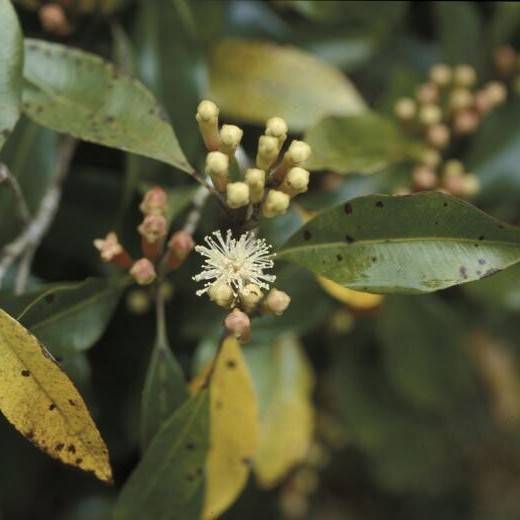
Clove
Syzygium aromaticum
Overview
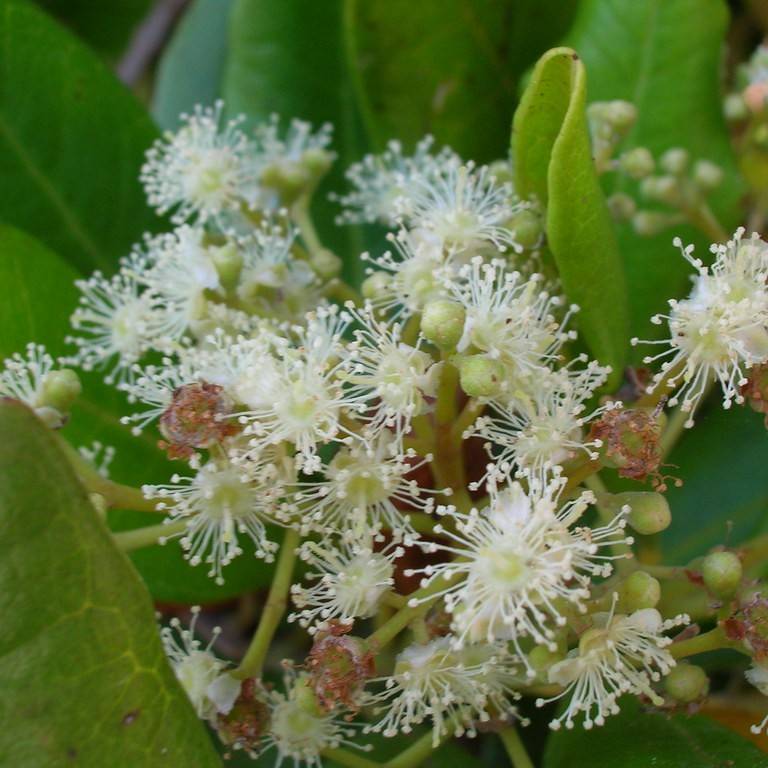
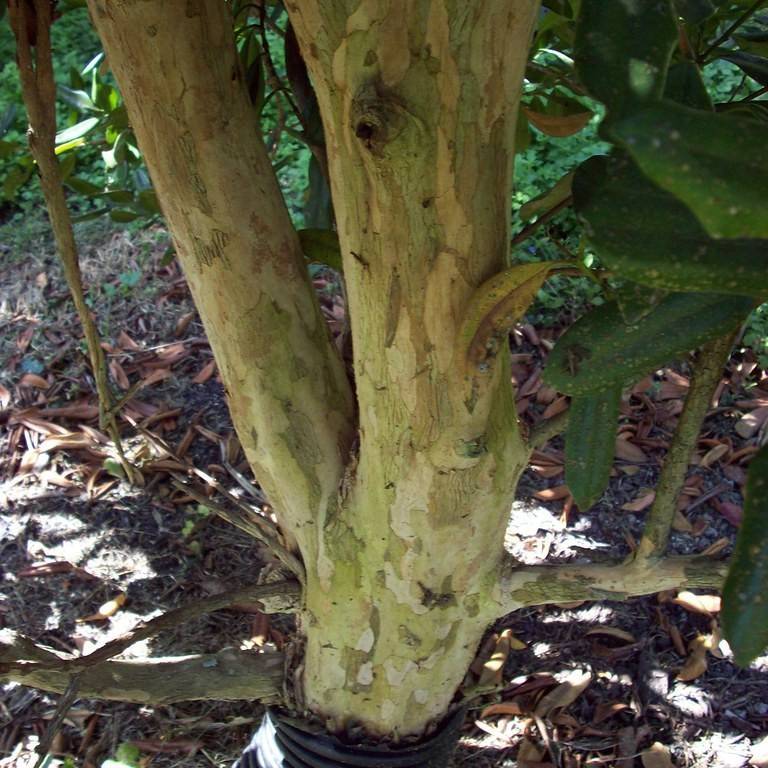
Native to Indonesia’s Maluku Islands, clove is a slow-growing evergreen tree cultivated across tropical regions for its pungent, aromatic buds. The tree produces small, crimson unopened flower buds that are harvested and dried to create the common kitchen spice. Beyond culinary use, clove has a long history of medicinal and aromatic applications across global cultures.
Care Guide
Watering
Clove trees require consistent, even moisture, with regular watering during dry periods to keep soil from drying out completely. Avoid waterlogged conditions, as soggy soil can cause root rot and damage the tree’s shallow root system. Reduce watering frequency during cooler, rainy seasons to prevent over-saturation.
Light
Clove trees thrive in full, direct sunlight for at least 6 to 8 hours daily to support healthy growth and flower bud production. Young saplings benefit from partial shade to protect tender foliage from intense midday sun until they are well established. Too much shade will reduce bud yields and lead to leggy, sparse growth.
Soil
Clove trees prefer rich, loamy, well-draining soil with a slightly acidic to neutral pH between 5.5 and 7.0. The soil should be high in organic matter to support the tree’s nutrient needs, and heavy clay soils should be amended with compost or sand to improve drainage. Avoid saline or alkaline soils, as these can stunt growth and reduce bud production.
Fertilizer
Apply a balanced, slow-release fertilizer with equal parts nitrogen, phosphorus, and potassium two to three times per year during the active growing season. Supplement with organic compost or well-rotted manure annually to boost soil organic content and support long-term health. Avoid over-fertilizing with high-nitrogen products, as these can promote foliage growth at the expense of flower bud production.
Temperature
Clove trees require a consistently warm, tropical climate with average temperatures between 70–85°F (21–29°C) to thrive. They are extremely frost-sensitive, and temperatures below 50°F (10°C) can cause leaf drop, stunted growth, or even tree death. In non-tropical regions, clove trees must be grown in containers and moved indoors during cold weather.
Pruning
Prune clove trees annually during the dormant season to remove dead, diseased, or crossing branches, improving air circulation and sunlight penetration through the canopy. Keep the tree at a manageable height of 10–15 feet if grown for harvest, as this makes collecting flower buds easier. Avoid heavy pruning, as this can reduce the following year’s bud yield.
Propagation
Clove trees are most commonly propagated from fresh, fully ripe seeds planted immediately after harvesting, as seeds lose viability quickly when stored. Semi-hardwood cuttings can also be used, though they have a lower success rate and require rooting hormone and consistent high humidity to root. Grafting onto hardier rootstock is sometimes used to improve disease resistance and adaptability to different soil types.
Humidity
Clove trees thrive in high humidity levels between 60% and 80%, typical of their native tropical rainforest habitat. Low humidity can cause leaf browning, reduced bud formation, and increased susceptibility to pest infestations. When grown indoors as a container plant, mist regularly or use a pebble tray to maintain adequate humidity levels.
Repotting
Container-grown clove saplings should be repotted every 1 to 2 years in the spring, moving to a pot one size larger with fresh, nutrient-rich potting mix. Mature container-grown trees only need repotting every 3 to 4 years, as they prefer slightly root-bound conditions to encourage flowering rather than excessive foliage growth. When repotting, avoid damaging the shallow, delicate root system to prevent transplant shock.
Uses & Symbolism
Dried clove buds are a widely used culinary spice, adding warm, pungent flavor to savory dishes, baked goods, beverages, and spice blends like garam masala and pumpkin spice. Clove oil, extracted from the buds, is used in traditional medicine for dental pain relief, as an antiseptic, and in aromatherapy products, perfumes, and cosmetics. The tree is also planted as an ornamental tropical specimen for its glossy foliage and attractive clusters of pink flowers.
Diseases & Pests
Clove trees are susceptible to dieback disease, a fungal infection that causes branch wilting and death, often triggered by poor drainage or physical damage to the tree. Common pests include scale insects, mealybugs, and clove stem borers, which feed on foliage and bore into stems, weakening the tree and reducing bud yields. Root rot can occur in waterlogged soil, leading to yellowing foliage, stunted growth, and eventual tree death if not addressed quickly.
Related plants
Other plants you might like if you grow Clove.