Allspice
Pimenta dioica
Overview
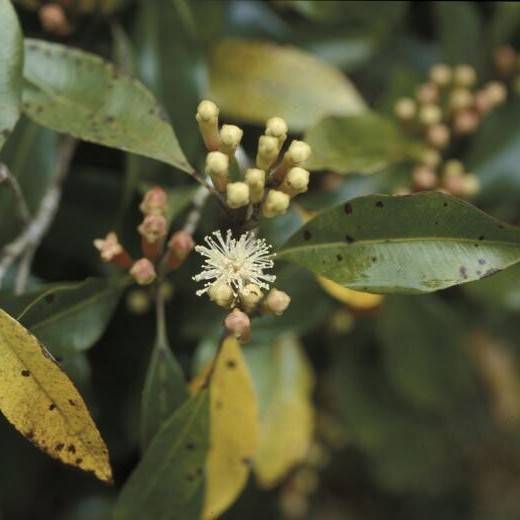
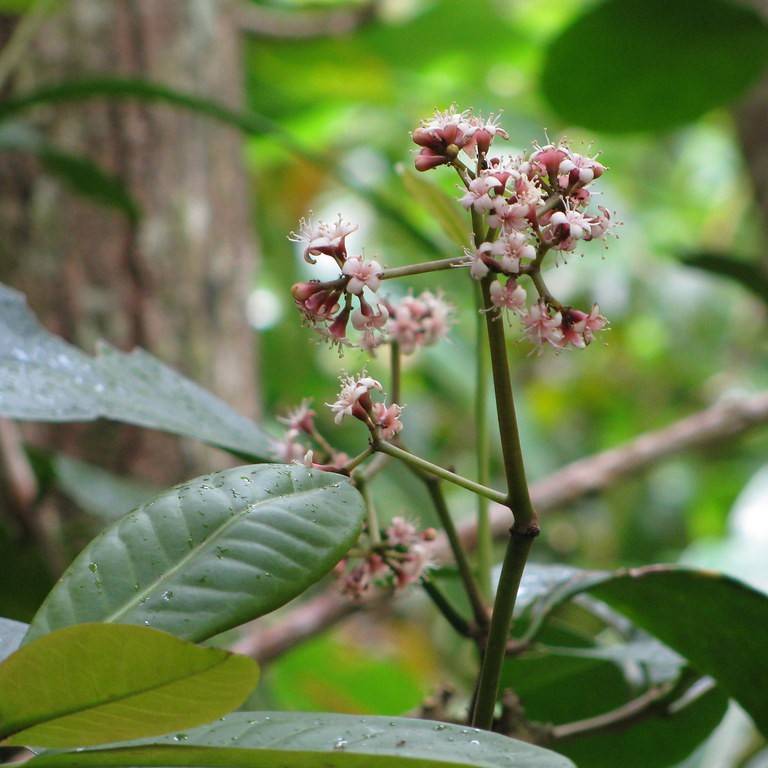
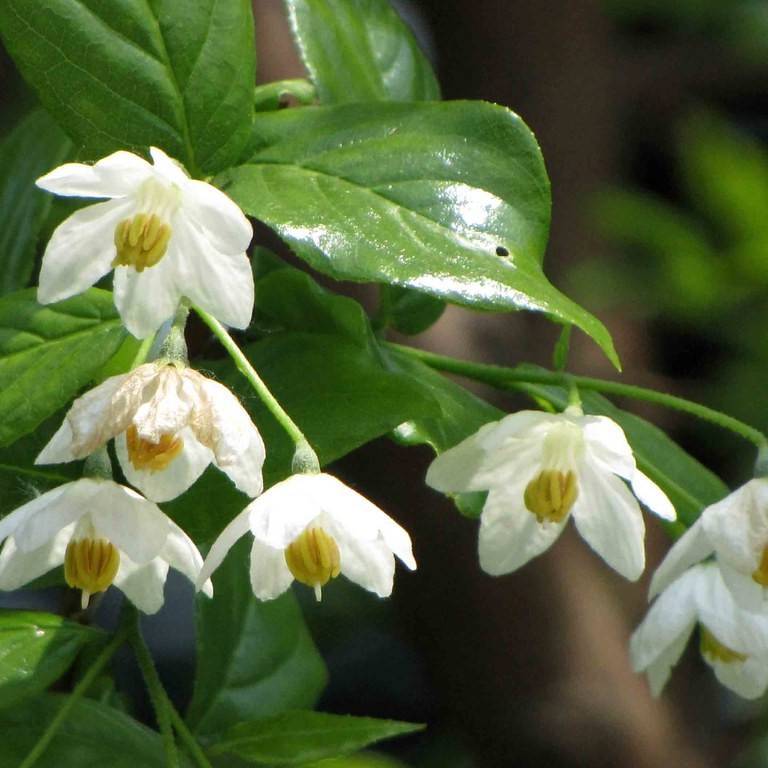
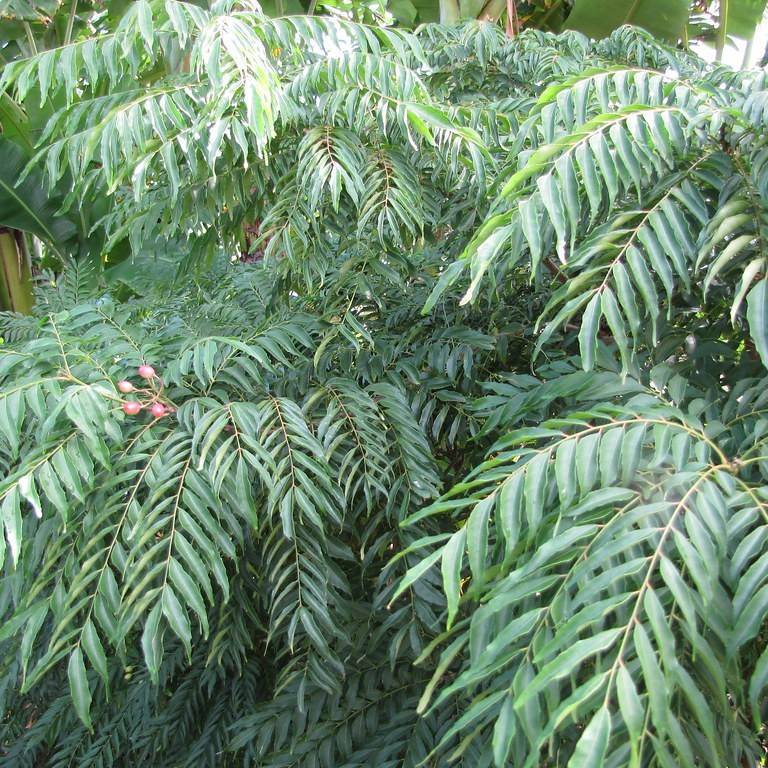
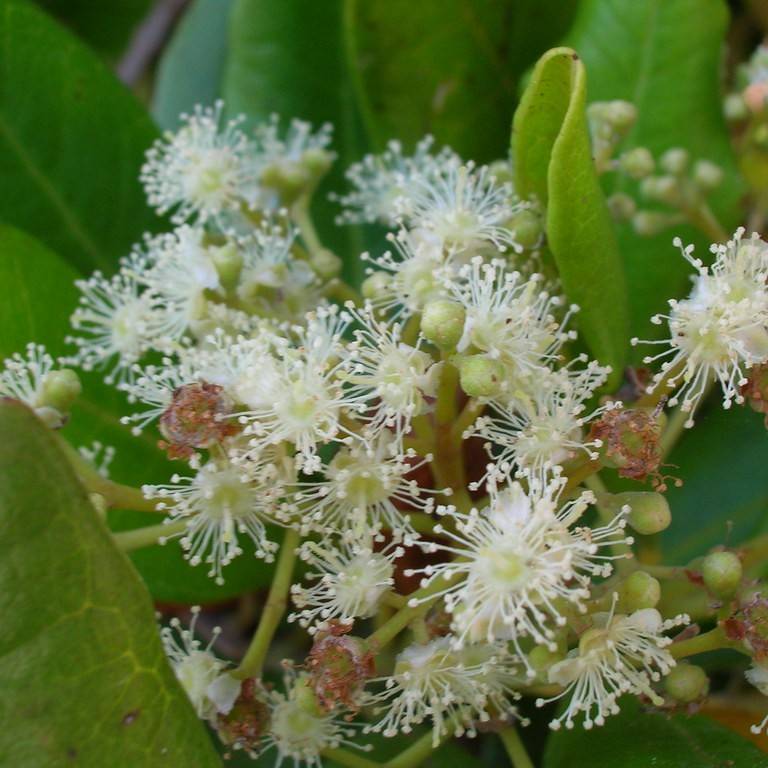
Allspice is a dense, evergreen tree with glossy, leathery oval leaves and small, fragrant white flower clusters that bloom in mid-summer. Female trees produce small, green berry-like fruits that ripen to reddish-brown, harvested before full ripening and dried to create the common culinary spice. The plant gets its name from its complex flavor profile, which mimics a blend of multiple warm spices.
Care Guide
Watering
Water regularly to keep soil consistently moist but not waterlogged, reducing frequency during the cooler dormant season to prevent root rot. Young trees require more frequent watering while establishing, while mature specimens have mild drought tolerance. Avoid overhead watering to minimize fungal risk to foliage and flowers.
Light
Allspice thrives in full sun, receiving at least 6 hours of direct sunlight daily for optimal growth and berry production. It can tolerate partial shade, but plants grown in lower light will produce fewer flowers and have less aromatic foliage and fruit. Indoor specimens require a bright, south-facing window or supplemental grow lights.
Soil
Prefers well-draining, loamy or sandy soil with a slightly acidic to neutral pH range of 5.5 to 7.0. Heavy, compacted soils that hold excess moisture will cause root rot, so amend heavy garden soil with compost or coarse sand to improve drainage before planting. Potted specimens do well in a high-quality potting mix formulated for tropical woody plants.
Fertilizer
Feed established allspice trees with a balanced, slow-release fertilizer formulated for fruit trees in early spring, just before new growth emerges. A second light application can be given in mid-summer to support berry development, but avoid fertilizing in fall and winter when growth is dormant. Young trees benefit from monthly applications of diluted liquid fertilizer during the growing season to support rapid establishment.
Temperature
Allspice requires warm, tropical to subtropical temperatures between 60–85°F (15–29°C) for optimal growth, and is damaged by temperatures below 32°F (0°C). Young trees are more frost-sensitive and require protection or covering if light freezes are expected, while mature specimens can tolerate brief dips to 28°F (-2°C) with minimal damage. Indoor plants should be kept away from cold drafts from windows or air conditioning units.
Pruning
Prune in late winter during the dormant season to remove dead, damaged, or crossing branches, and to maintain a manageable size for easier harvesting of berries. Light thinning of the canopy improves air circulation, reducing the risk of fungal diseases and allowing sunlight to reach inner branches. Avoid heavy pruning, as this can reduce flower and fruit production in the following growing season.
Propagation
Allspice is most commonly propagated from fresh seed, which should be sown within a few weeks of harvesting for the highest germination rate, typically taking 2–6 weeks under warm, moist conditions. It can also be propagated from semi-hardwood cuttings taken in late summer, though success rates are lower and cuttings may take several months to root. Note that allspice is dioecious, meaning separate male and female plants are required for female trees to produce fruit.
Humidity
Prefers moderate to high humidity levels between 50–70%, typical of its native tropical range. Dry air can cause leaf browning and drop, especially for indoor specimens during winter heating months. Increase humidity for potted indoor plants by placing the pot on a pebble tray filled with water, using a room humidifier, or grouping it with other tropical plants.
Repotting
Potted allspice trees should be repotted every 2–3 years in early spring, before new growth begins, moving up one pot size each time to accommodate root growth. Use a well-draining potting mix and ensure the new pot has adequate drainage holes to prevent waterlogging. Mature potted specimens can be top-dressed with fresh compost annually instead of repotting to reduce root disturbance.
Uses & Symbolism
Dried unripe allspice berries are a widely used culinary spice, featured in Caribbean jerk seasoning, Middle Eastern meat dishes, baked goods, pickling brines, and holiday beverages like mulled wine and eggnog. The aromatic leaves are used similarly to bay leaves in regional cooking, and essential oil extracted from the berries and leaves is used in perfumes, soaps, and natural toothpaste products. Historically, allspice has been used in traditional medicine to treat digestive issues, toothaches, and muscle pain.
Diseases & Pests
Allspice is relatively pest-resistant, but may be affected by common tropical pests including scale insects, mealybugs, and spider mites, which can be controlled with horticultural oil or insecticidal soap. Fungal diseases such as leaf spot and root rot can occur in overly wet, poorly drained conditions or with poor air circulation, so avoid overwatering and thin the canopy regularly to reduce risk. Young trees may be targeted by fruit flies that lay eggs in developing berries, which can be managed with organic fruit fly traps or protective netting during fruiting season.
Related plants
Other plants you might like if you grow Allspice.