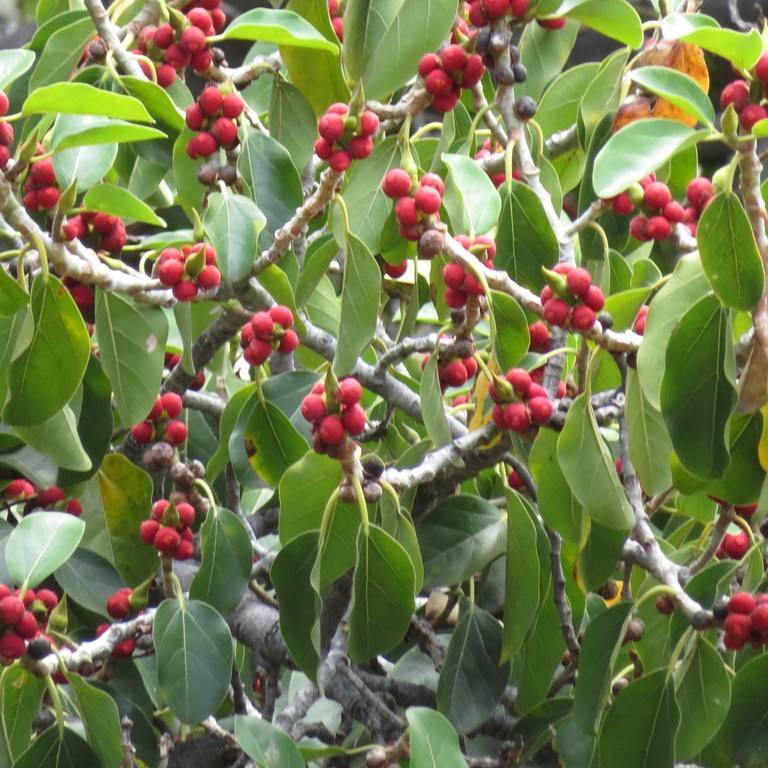
Banyan
Ficus benghalensis
Overview
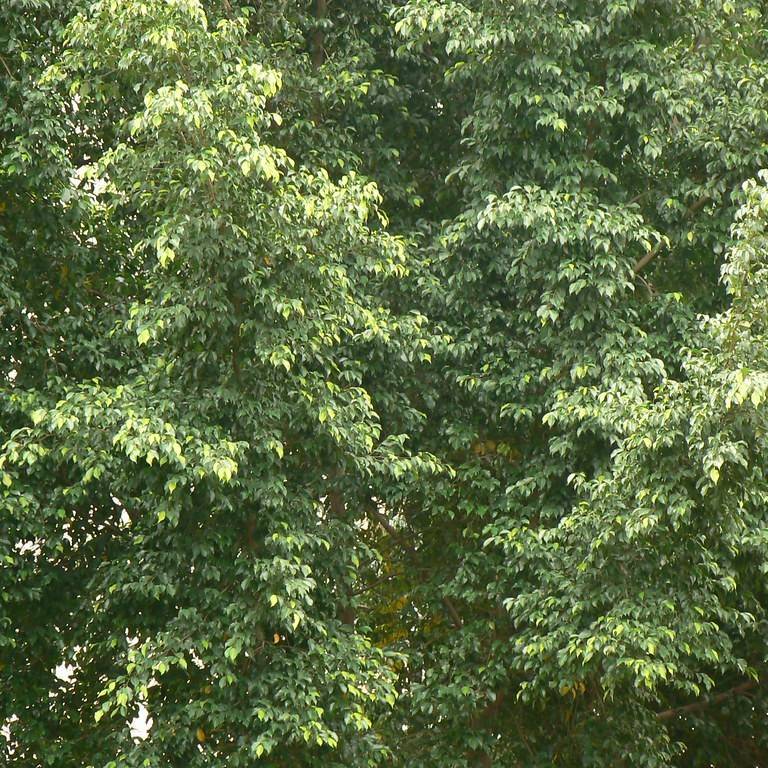
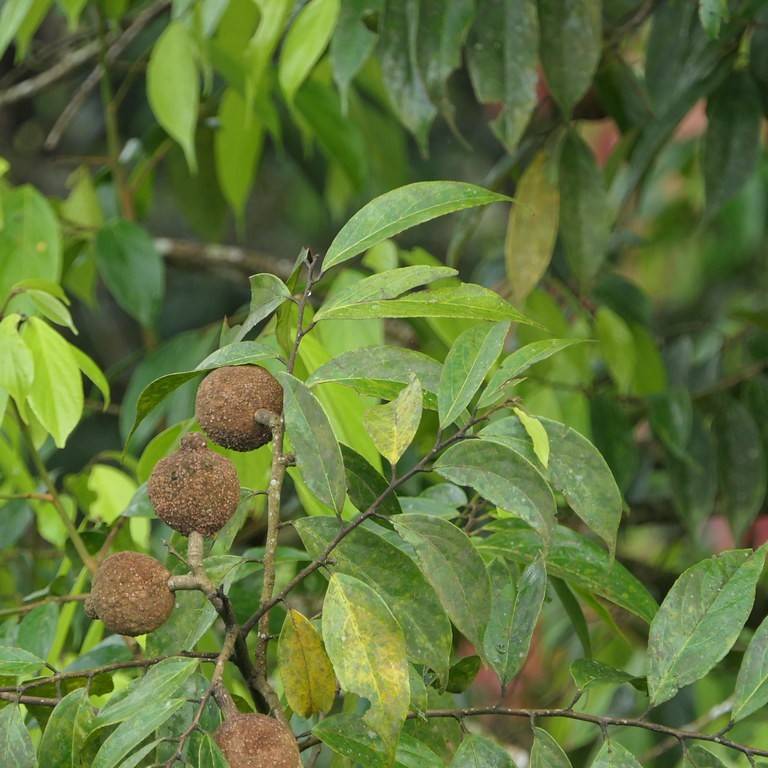
The banyan is the national tree of India, celebrated in South Asian cultural and religious traditions for its symbolic association with longevity and shelter. It is a strangler fig by nature, beginning life as an epiphyte growing on other trees before its roots reach the ground and eventually engulf and outcompete the host. Mature specimens are among the largest trees in the world by canopy area, creating entire microhabitats for birds, insects, and small wildlife in their native ranges.
Care Guide
Watering
Allow the top 2 to 3 inches of soil to dry out completely between waterings, reducing frequency significantly during the cooler winter months to avoid root rot. Overwatering is the most common issue for cultivated banyans, so ensure containers have ample drainage holes and empty any excess standing water from saucers promptly.
Light
Thrives in full, direct sunlight for 6 to 8 hours per day, though it can tolerate bright, indirect light for most of the day with a few hours of direct sun for optimal growth. Indoor specimens should be placed near a south or west-facing window, and may require supplemental grow lights in lower-light environments to prevent leggy, sparse growth.
Soil
Requires a well-draining, loamy potting mix with a slightly acidic to neutral pH between 6.0 and 7.0; a blend of regular potting soil, perlite, and orchid bark works well to improve drainage and aeration. Avoid heavy, water-retentive soils that stay saturated for long periods, as these can quickly cause root rot in sensitive banyan root systems.
Fertilizer
Feed with a balanced, slow-release 10-10-10 NPK fertilizer once every 2 to 3 months during the active growing season (spring through early fall) to support healthy foliage and root development. Do not fertilize during the winter dormant period, when the tree’s growth slows and excess nutrients will accumulate in the soil and burn sensitive root tissues.
Temperature
Prefers warm tropical temperatures between 65 and 85°F (18 and 29°C), and cannot tolerate sustained temperatures below 50°F (10°C), which can cause leaf drop and permanent cold damage. Outdoor specimens are only suitable for USDA hardiness zones 10 through 12, while indoor plants should be kept away from cold drafts from windows, doors, or air conditioning vents.
Pruning
Prune in late winter or early spring before new growth emerges, trimming back overgrown branches to control size, encourage a bushier growth habit, and remove any dead, diseased, or crossing branches. Wear gloves when pruning to avoid contact with the irritating sap, and make clean, angled cuts just above leaf nodes to promote healthy new regrowth.
Propagation
Easily propagated from stem cuttings taken in spring or summer; take a 4 to 6 inch healthy stem cutting with at least 2 to 3 leaf nodes, dip the cut end in rooting hormone, and plant it in moist, well-draining potting mix. Keep cuttings in a warm, humid location with bright indirect light, and roots should develop within 4 to 6 weeks; propagation from seed is possible but much slower and less reliable for cultivated specimens.
Humidity
Tolerates average household humidity levels between 40% and 60%, but will benefit from occasional misting, placement on a pebble tray filled with water, or use of a humidifier in drier indoor environments to prevent brown leaf tips. Avoid excessively dry conditions from nearby heating vents in winter, which can cause foliage to yellow and drop prematurely.
Repotting
Young banyan trees should be repotted every 1 to 2 years in spring to refresh the soil and accommodate growing root systems, moving up one pot size each time to avoid overpotting. Mature specimens can be repotted every 3 to 5 years, or simply have the top 2 to 3 inches of soil replaced annually to replenish nutrients without disturbing the established root ball.
Uses & Symbolism
In its native range, banyan wood is used for craftwork and firewood, while its bark, leaves, and fruits have long been used in traditional Ayurvedic medicine to treat a range of ailments from inflammation to digestive issues. It is widely planted as a large shade tree in public parks and open spaces across tropical regions, and smaller young specimens are popular as houseplants or trained as ornamental bonsai for indoor cultivation.
Diseases & Pests
Banyans are susceptible to common houseplant pests including scale, mealybugs, spider mites, and aphids, which can be controlled with regular neem oil applications or insecticidal soap sprays. Overwatering and poor drainage frequently lead to root rot, the most serious disease for cultivated specimens, which presents as yellowing leaves, wilting, and a sour odor from the soil; affected plants should be repotted immediately into fresh, dry soil with all rotted root tissue removed.
Related plants
Other plants you might like if you grow Banyan.