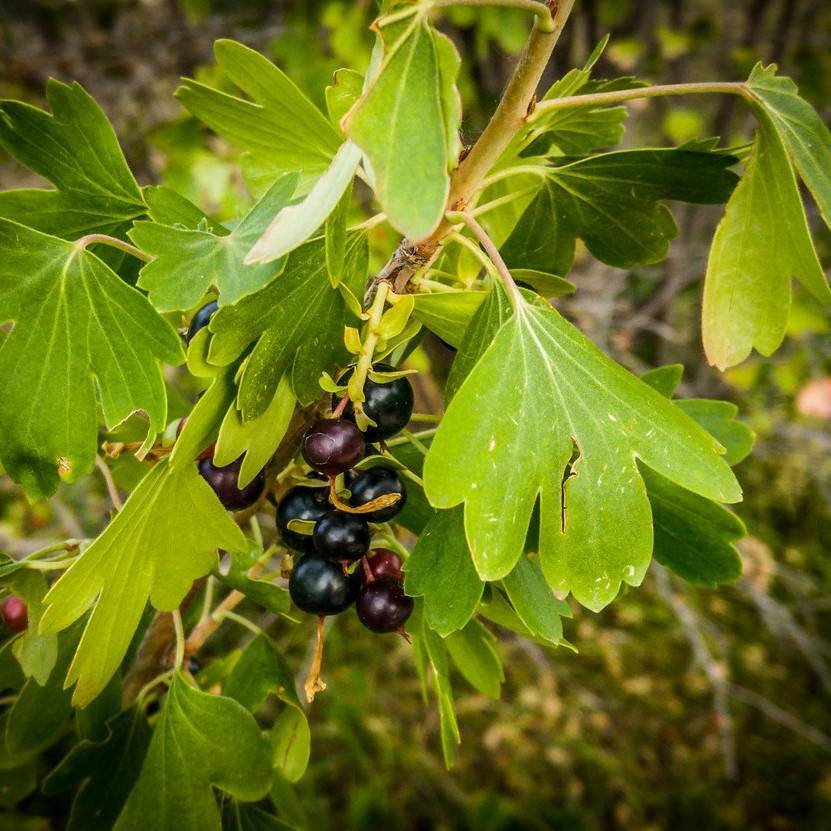
Clove Currant
Ribes odoratum
Overview
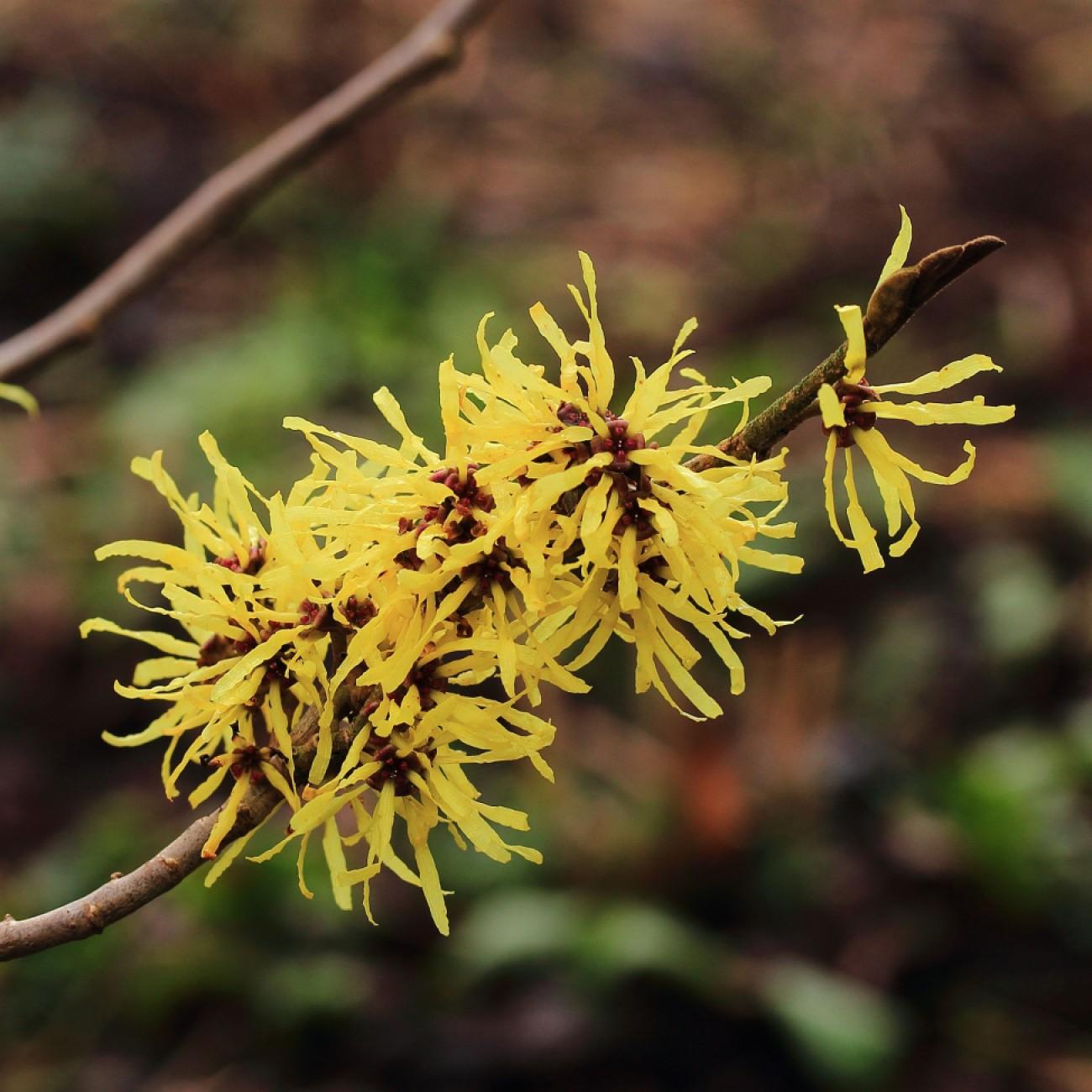
Clove currant is a hardy, thornless deciduous shrub valued for its intensely fragrant, tubular golden-yellow spring blooms that emit a distinct clove-like aroma. Following flowering, it bears clusters of small, round, sweet-tart berries that ripen to deep blue-black by late summer. Adaptable to a wide range of growing conditions, it is a low-maintenance choice for wildlife gardens, hedgerows, and edible landscapes.
Care Guide
Watering
Clove currant has moderate water needs, requiring consistent moisture during its first growing season to establish a deep root system. Once established, it is drought-tolerant, only needing supplemental watering during extended dry periods to support fruit production and foliage health. Avoid overwatering, as soggy soil can lead to root rot.
Light
This shrub thrives in full sun, which promotes the heaviest bloom and maximum fruit yield. It can tolerate partial shade, though flowering and fruiting will be reduced in shadier locations. For indoor cultivation, it requires bright, direct light for a minimum of 6 hours daily to perform well.
Soil
Clove currant adapts to a wide range of soil types, including sandy, loamy, and clay soils, as long as they are well-draining. It prefers a slightly acidic to neutral pH range of 6.0 to 7.5, though it can tolerate mildly alkaline conditions. Adding organic matter such as compost to the planting hole improves soil structure and nutrient availability for young plants.
Fertilizer
Apply a balanced, slow-release 10-10-10 fertilizer in early spring before new growth emerges to support healthy foliage, flowering, and fruit development. Avoid over-fertilizing, as excessive nitrogen can promote lush vegetative growth at the expense of blooms and fruit. A light topdress of compost in fall can also provide slow-release nutrients for the next growing season.
Temperature
Clove currant is cold-hardy, thriving in USDA zones 3 through 8, and can tolerate winter temperatures as low as -40°F (-40°C). It requires a period of winter chill (approximately 800 to 1,000 hours below 45°F / 7°C) to break dormancy and produce blooms the following spring. It tolerates summer heat well in its native range, though extra moisture may be needed during extreme heatwaves.
Pruning
Prune clove currant in late winter or early spring while the shrub is dormant to remove dead, damaged, or crossing branches and improve air circulation. Once the plant is 3 to 4 years old, remove up to one-third of the oldest woody stems each year to encourage new, productive growth, as fruit is borne on 1- to 3-year-old wood. Thinning the center of the shrub also increases light penetration, supporting better flowering and fruit ripening.
Propagation
Clove currant is most commonly propagated via softwood cuttings taken in early summer, which root readily in moist, well-draining medium under high humidity. It can also be propagated from seed, though seeds require 3 to 4 months of cold stratification to germinate, and seedlings may not retain the exact characteristics of the parent plant. Suckers that form at the base of established shrubs can also be dug up and transplanted in early spring or late fall.
Humidity
Clove currant tolerates a wide range of humidity levels, from the semi-arid conditions of the Great Plains to the more humid climates of the eastern United States. Good air circulation around the foliage helps prevent fungal diseases in areas with high summer humidity. It does not require extra humidity when grown outdoors, though indoor specimens may benefit from occasional misting during very dry winter conditions.
Repotting
If grown in containers, repot clove currant every 2 to 3 years in early spring before new growth begins, using a well-draining potting mix amended with compost. Choose a pot that is 2 to 3 inches larger in diameter than the current container to accommodate root growth. Ensure the pot has adequate drainage holes to prevent waterlogging, and trim any circling roots during repotting to encourage healthy root development.
Uses & Symbolism
Clove currant is widely planted as an ornamental shrub for its fragrant spring blooms, attractive foliage, and fall color, making it a popular choice for borders, hedgerows, and wildlife gardens. Its edible berries are used to make jams, jellies, pies, and beverages, and are a valuable food source for birds, pollinators, and small mammals. It is also used in ecological restoration projects for erosion control and to support native pollinator populations.
Diseases & Pests
Clove currant is relatively resistant to common Ribes diseases such as powdery mildew and leaf spot, though poor air circulation and high humidity can lead to occasional fungal infections. Common pests include aphids, currant borers, and spider mites, which can be managed with horticultural oil or insecticidal soap. It is an alternate host for white pine blister rust, so it should not be planted in areas where eastern white pine is grown commercially or ecologically important.
Related plants
Other plants you might like if you grow Clove Currant.