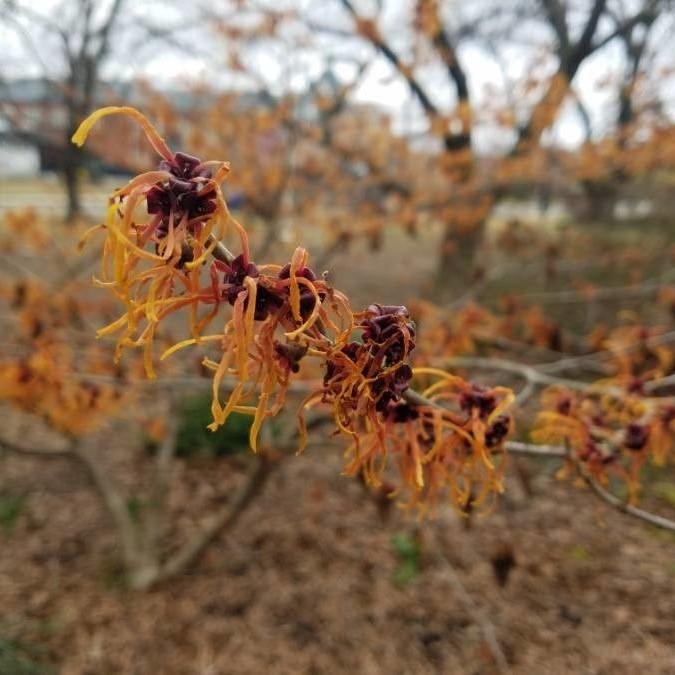
Chinese Witch Hazel
Hamamelis mollis
Overview
Chinese witch hazel is a cold-hardy deciduous shrub celebrated for its late winter to early spring bloom period, when clusters of sweetly scented, crinkled bright yellow flowers emerge on bare branches before foliage appears. Its broad, soft, fuzzy green leaves turn striking shades of golden yellow, orange, and red in autumn, adding multi-season interest to landscapes. It grows in a rounded, open habit, making it a popular specimen plant for mixed borders, woodland gardens, and winter interest displays.
Care Guide
Watering
Water newly planted shrubs deeply once or twice weekly for the first two years to establish a robust root system, keeping soil consistently moist but not waterlogged. Mature plants are moderately drought tolerant, requiring supplemental water only during extended dry spells, especially in late summer when flower buds form for the next season. Avoid overwatering in heavy, poorly drained soils to prevent root rot.
Light
Thrives in full sun to partial shade, with at least four hours of direct sunlight daily to encourage abundant flowering and vibrant autumn foliage color. In regions with very hot, intense summer sun, light afternoon shade helps prevent leaf scorch and reduces stress on the plant. Too much dense shade will result in sparse blooms and a leggy growth habit.
Soil
Prefers fertile, well-drained, loamy soil with a slightly acidic to neutral pH between 5.5 and 7.0, though it can tolerate mildly alkaline conditions. Amend heavy clay soils with compost or well-rotted leaf mold at planting time to improve drainage and add organic matter, as the plant does not tolerate standing water around its roots. A thick layer of organic mulch spread around the root zone helps retain moisture and regulate soil temperature.
Fertilizer
Feed established plants in early spring, just before new growth emerges, with a balanced, slow-release granular fertilizer formulated for acid-loving shrubs, applying it evenly around the drip line and watering thoroughly to work it into the soil. Avoid high-nitrogen fertilizers, which can encourage excessive leaf growth at the expense of flower production. An annual top-dressing of compost or well-rotted manure in fall can also provide sufficient nutrients for healthy growth without additional fertilization for mature specimens.
Temperature
Hardy in USDA zones 5 through 8, tolerating winter temperatures as low as -20°F (-29°C) without damage to established plants. It requires a period of winter chill to trigger proper bloom, so it does not perform well in regions with consistently mild, frost-free winters. Late spring frosts can occasionally damage emerging new growth, but plants typically recover fully within a single growing season.
Pruning
Prune immediately after flowering finishes in early spring, before new leaf growth and next year’s flower buds begin to form, to avoid reducing the following season’s bloom display. Remove dead, damaged, or crossing branches first to improve air circulation through the canopy, then thin out overcrowded growth to maintain the shrub’s natural rounded shape. Mature plants rarely need heavy pruning, but old, overgrown specimens can be rejuvenated by cutting back up to one-third of the oldest stems to ground level every few years.
Propagation
The most reliable method for home gardeners is softwood cuttings taken in early summer, using 4-6 inch long stem tips with healthy new growth, dipped in rooting hormone and placed in a moist, well-drained rooting medium under high humidity until roots form in 8-12 weeks. It can also be propagated from seed, but seeds require a double stratification period (warm then cold) to break dormancy, and seedlings can take 5-7 years to reach flowering maturity. Grafting onto hardy rootstock is the primary method used commercially to ensure consistent flower color and fragrance in named cultivars.
Humidity
Adaptable to a wide range of humidity levels, thriving in the moderate humidity typical of temperate climates, with no special humidity requirements once established. It can tolerate dry air conditions better than many other woodland shrubs, though prolonged periods of very low humidity combined with high heat may cause leaf edge browning. Good air circulation around the foliage helps prevent fungal diseases in areas with high summer humidity.
Repotting
Chinese witch hazel is almost exclusively grown in-ground, as it develops a deep, extensive root system that is not well suited to long-term container growth. If temporarily grown in a pot for the first 1-2 years before planting out, repot annually in early spring before new growth emerges, using a slightly larger container with a well-drained, acidic potting mix amended with compost. Ensure containers have ample drainage holes to prevent waterlogging, as root rot can develop quickly in soggy potting media.
Uses & Symbolism
Widely planted as an ornamental specimen shrub in temperate gardens for its winter bloom, sweet fragrance, and vibrant autumn foliage, often featured in mixed borders, woodland gardens, and winter interest plantings. Extracts from its bark and leaves have astringent properties, used in traditional Chinese medicine and in some commercial skincare products to soothe skin irritation and reduce inflammation. Its cut branches with unopened flower buds can be forced indoors in late winter to bloom early, providing fragrant winter decor.
Diseases & Pests
Generally resistant to most pests and diseases, though it can occasionally be affected by powdery mildew, leaf spot, and coral spot fungal diseases, especially in areas with poor air circulation and prolonged wet foliage. Common pests include aphids, scale insects, and Japanese beetles, which feed on foliage, though infestations are rarely severe enough to cause significant damage to healthy plants. Root rot can occur in poorly drained, waterlogged soils, so proper site selection with good drainage is critical to prevent this fatal condition.
Related plants
Other plants you might like if you grow Chinese Witch Hazel.
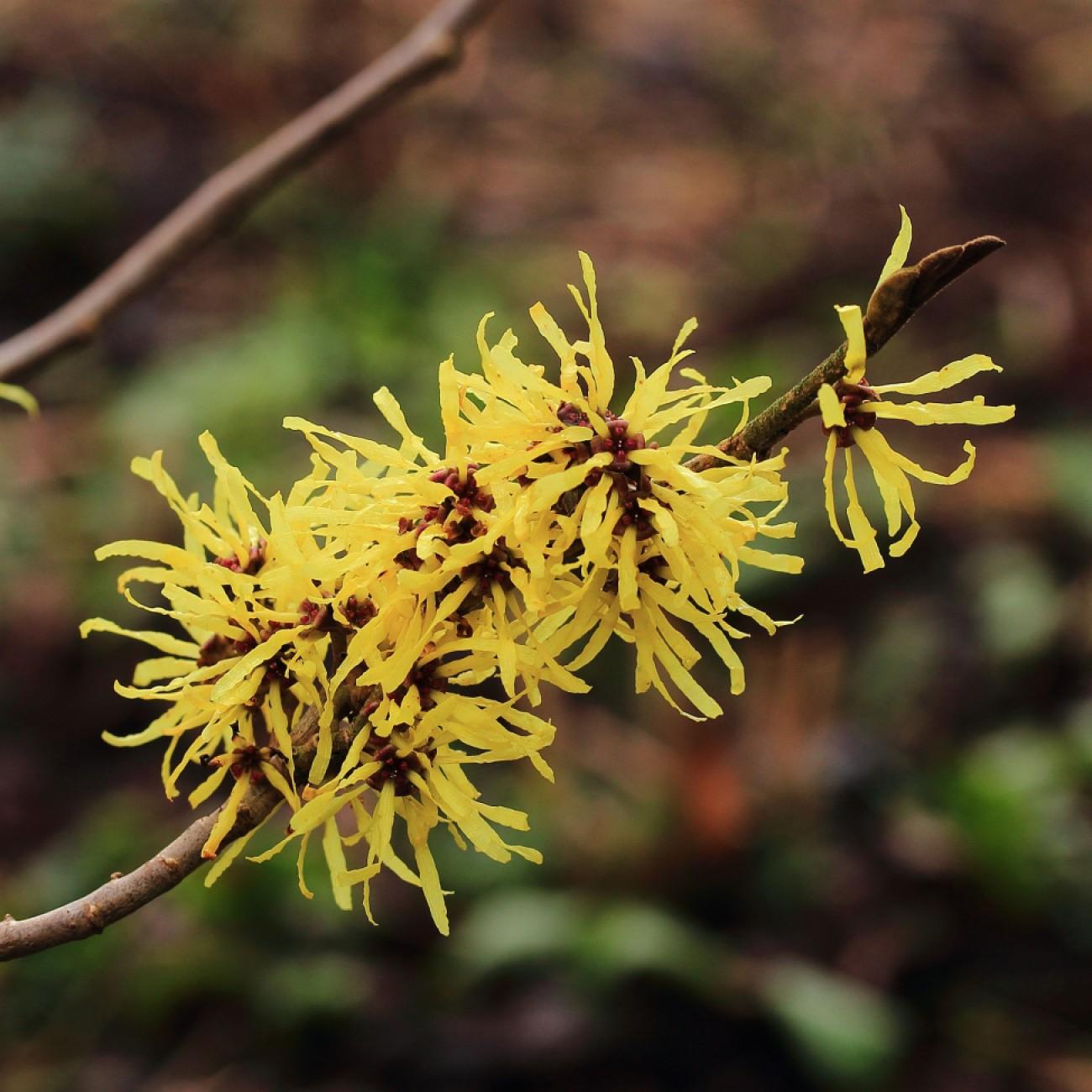
Hybrid Witch Hazel
Hamamelis × intermedia
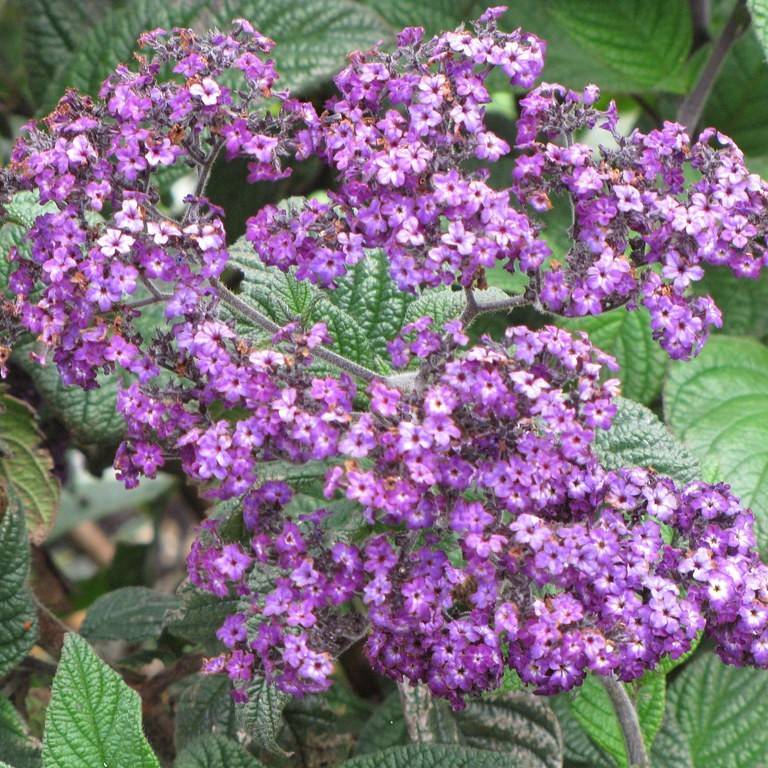
Heliotrope
Heliotropium arborescens
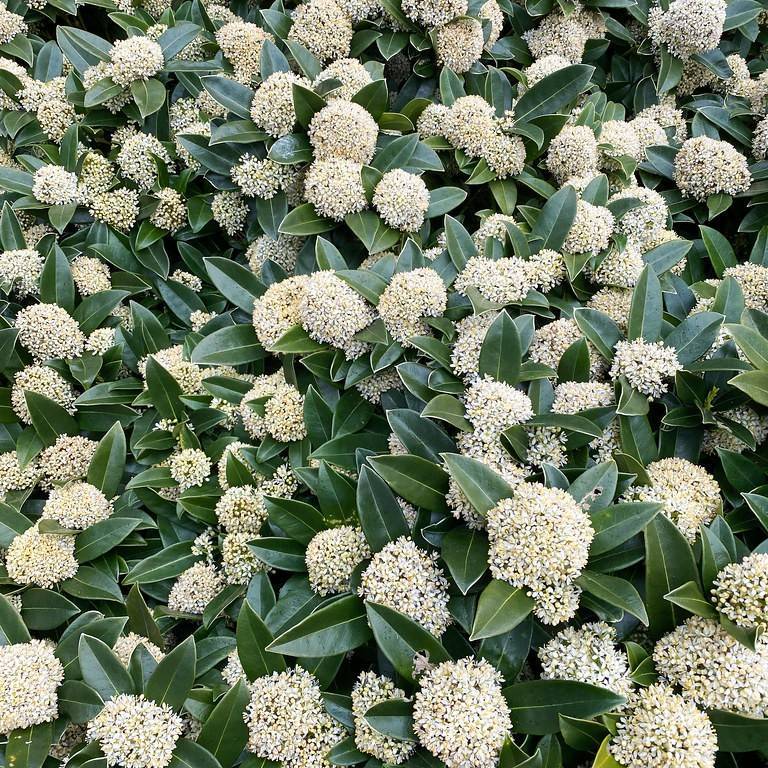
Japanese Skimmia
Skimmia japonica
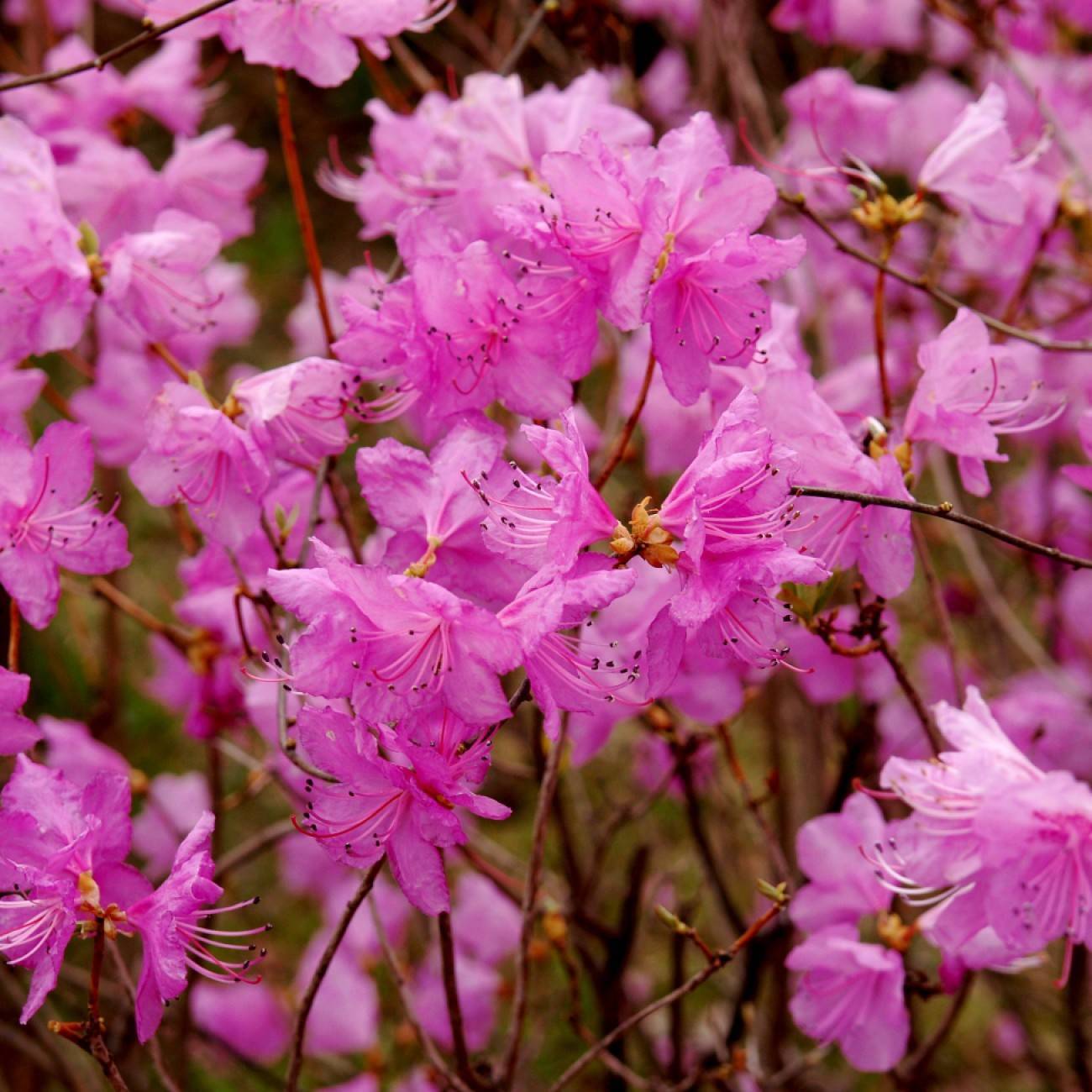
Korean Rhododendron
Rhododendron mucronulatum
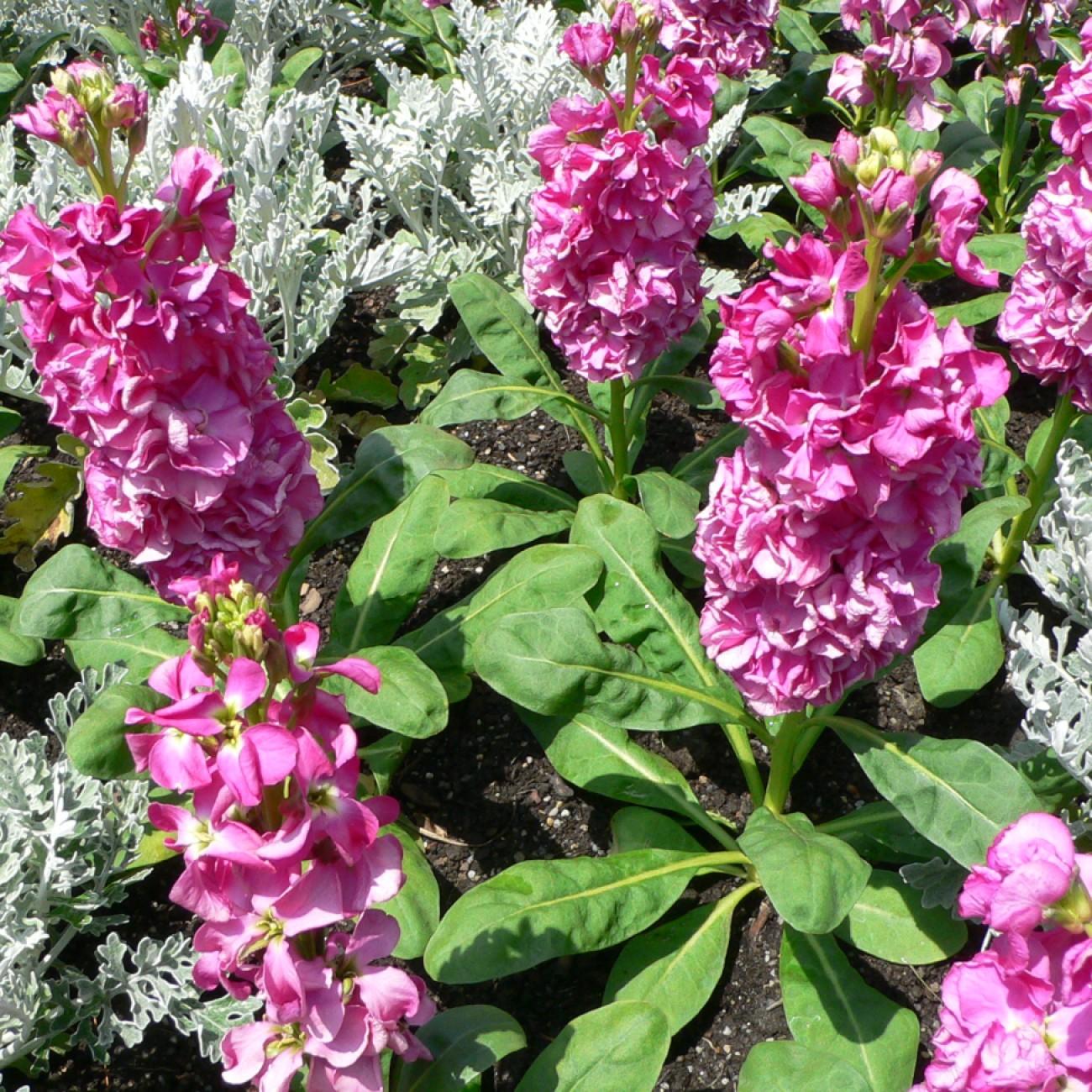
Brompton Stock
Matthiola incana var. annua
%22%2F%3E%0A%20%20%20%20%20%20%3Ccircle%20cx%3D%22920%22%20cy%3D%22180%22%20r%3D%2290%22%20fill%3D%22%23cfe8d5%22%2F%3E%0A%20%20%20%20%20%20%3Cpath%20d%3D%22M600%20590c-90-180-215-255-310-280%200%20165%20118%20296%20270%20296h40z%22%20fill%3D%22%2379b88e%22%2F%3E%0A%20%20%20%20%20%20%3Cpath%20d%3D%22M600%20590c80-150%20198-212%20302-228-8%20142-123%20255-270%20255h-32z%22%20fill%3D%22%235c9f73%22%2F%3E%0A%20%20%20%20%20%20%3Cpath%20d%3D%22M600%20610V360%22%20stroke%3D%22%234f8c64%22%20stroke-width%3D%2218%22%20stroke-linecap%3D%22round%22%2F%3E%0A%20%20%20%20%20%20%3Ctext%20x%3D%22600%22%20y%3D%22700%22%20text-anchor%3D%22middle%22%20font-family%3D%22Arial%2C%20sans-serif%22%20font-size%3D%2244%22%20fill%3D%22%23365c45%22%3E%0A%20%20%20%20%20%20%20%20Plant%20image%20coming%20soon%0A%20%20%20%20%20%20%3C%2Ftext%3E%0A%20%20%20%20%3C%2Fsvg%3E%0A%20%20)
Dahurian Rhododendron
Rhododendron dahuricum
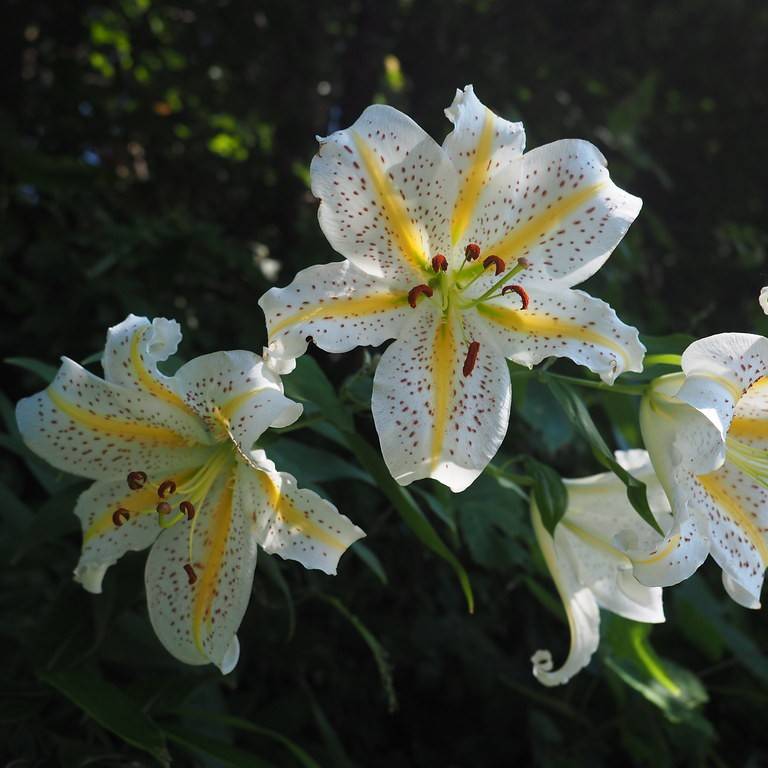
Golden Rayed Lily
Lilium auratum
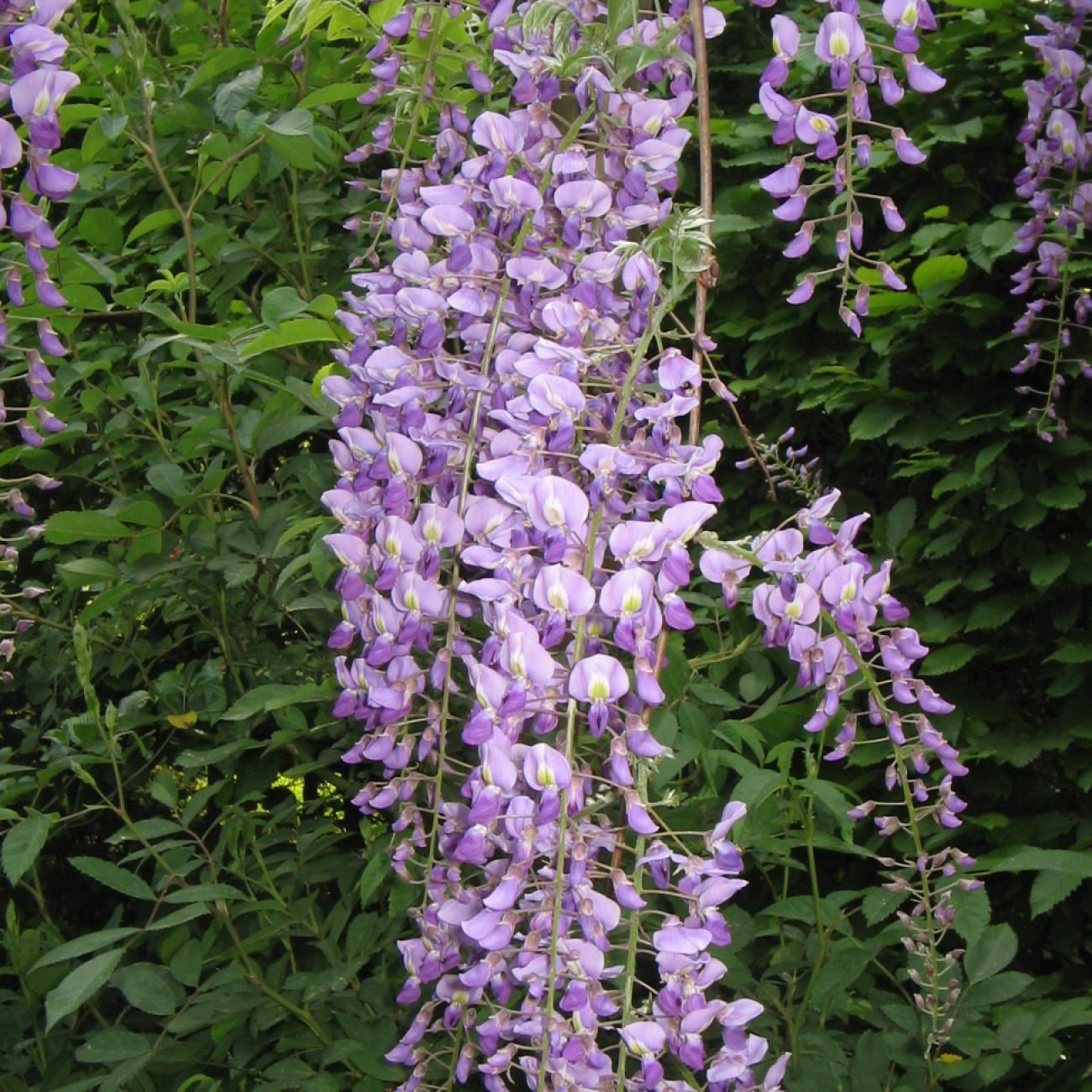
Japanese Wisteria
Wisteria floribunda