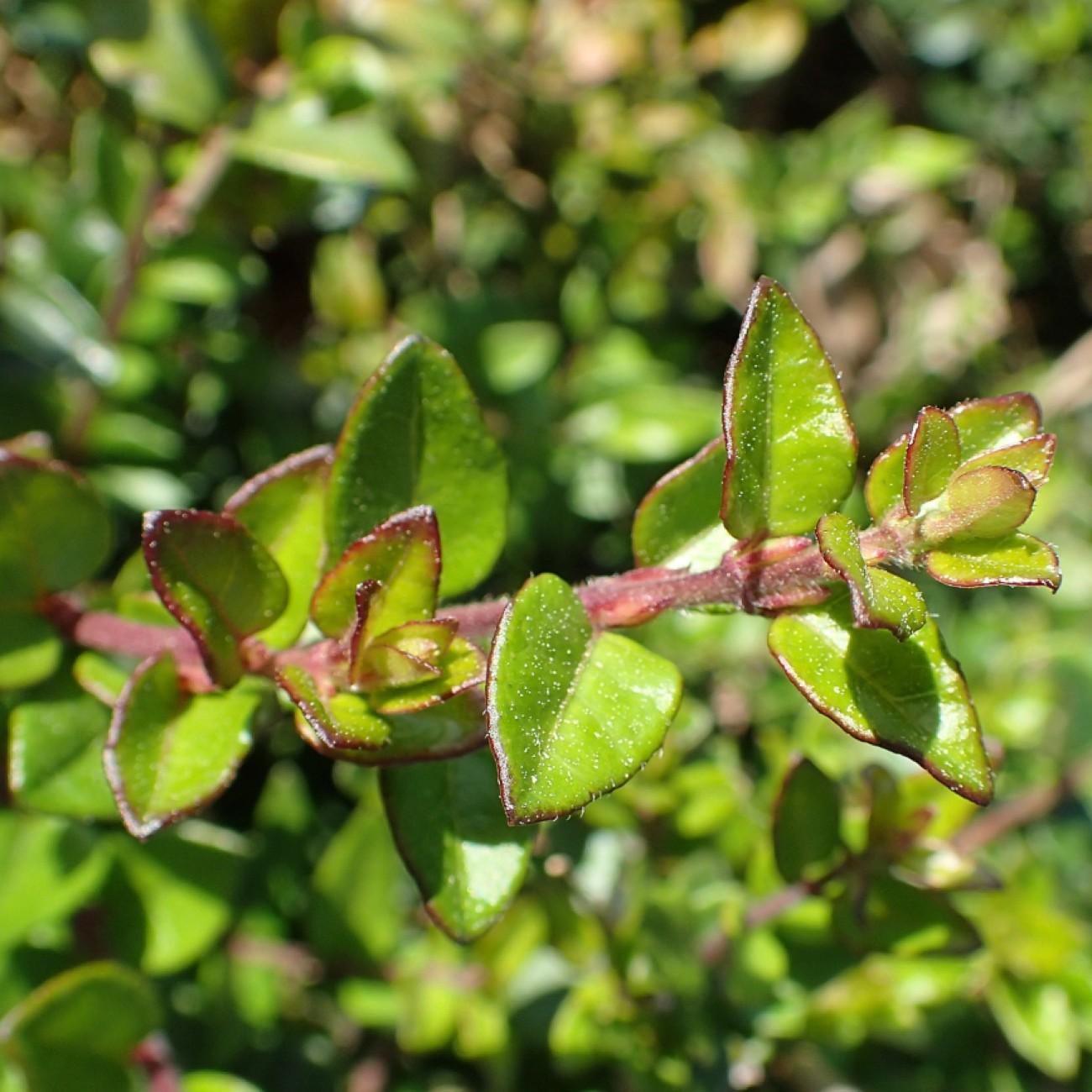
Honeysuckle
Lonicera spp.
Overview
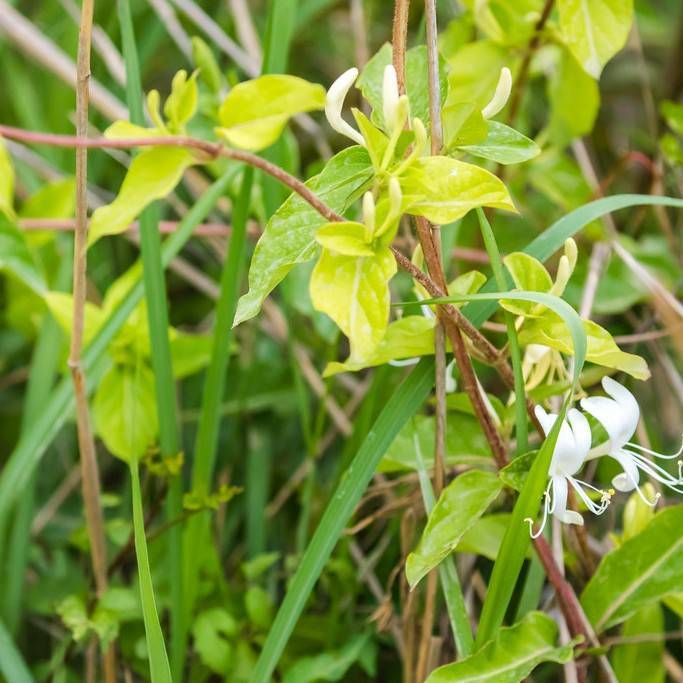
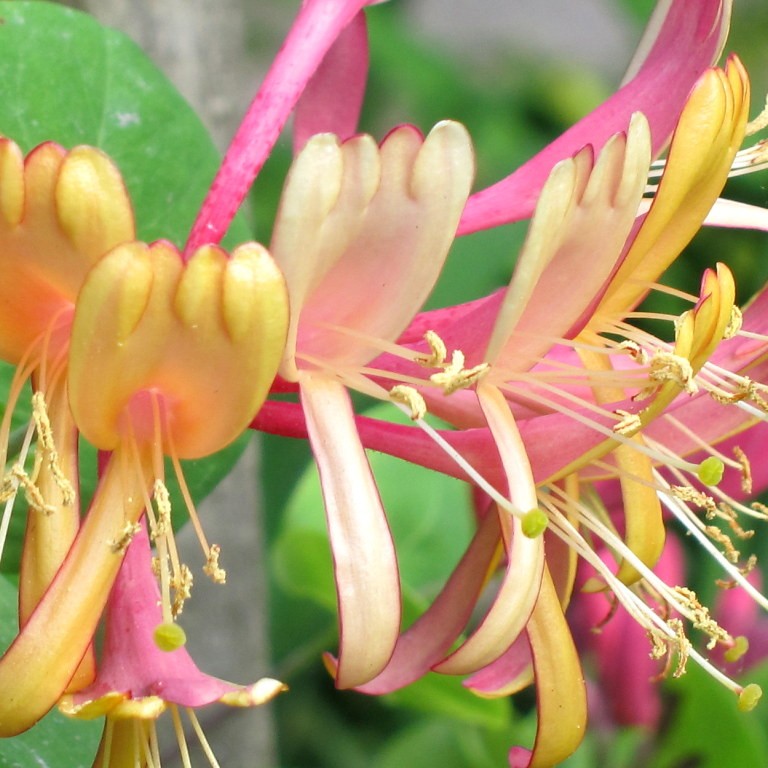
Honeysuckle is a diverse genus of over 180 species, ranging from low-growing shrubs to twining climbing vines, prized for their intensely sweet, tubular flowers that bloom in shades of white, yellow, pink, and red. The flowers produce abundant nectar that is a favorite of hummingbirds, bees, and butterflies, while many varieties produce small, glossy berries in autumn that support wild bird populations. Many cultivated varieties are fast-growing, adaptable, and often used to cover arbors, fences, and trellises in temperate gardens, though some non-native species are considered invasive in parts of North America.
Care Guide
Watering
Water newly planted honeysuckle deeply once or twice a week for the first growing season to establish a strong root system, keeping soil consistently moist but not waterlogged. Once established, most species are drought-tolerant, requiring supplemental watering only during extended periods of hot, dry weather, as overwatering increases risk of root rot. Avoid wetting foliage when watering to reduce fungal disease risk.
Light
Honeysuckle thrives in full sun, which encourages the most abundant flowering and strongest growth, requiring a minimum of 6 hours of direct sunlight daily. It can tolerate partial shade, though bloom production will be reduced and vines may become leggy as they stretch toward brighter light. In extremely hot climates, provide light afternoon shade to prevent leaf scorch and reduce moisture stress.
Soil
Honeysuckle adapts to a wide range of well-drained soil types, including sandy, loam, and clay soils, preferring a neutral to slightly acidic pH between 6.0 and 7.0. It does not tolerate waterlogged, poorly draining soil, so amend heavy clay soils with compost or peat moss to improve drainage before planting. Adding a 2-3 inch layer of organic mulch around the base helps retain soil moisture, suppress weeds, and regulate soil temperature.
Fertilizer
Fertilize established honeysuckle once annually in early spring, just before new growth emerges, using a balanced, slow-release 10-10-10 fertilizer formulated for flowering shrubs and vines. Avoid overfertilizing, especially with high-nitrogen formulas, as this can promote excessive foliage growth at the expense of flower production and reduce overall plant hardiness. Potted honeysuckle may benefit from a second light feeding in mid-summer if growth appears stunted or foliage is pale.
Temperature
Most common honeysuckle species are hardy in USDA zones 4 through 9, tolerating winter temperatures as low as -30°F (-34°C) once established. Young plants may require winter protection, such as a layer of mulch around the base or burlap wrapping, in the coldest parts of their range to prevent frost damage. Extreme summer temperatures above 95°F (35°C) may cause temporary wilting, which typically resolves with supplemental watering and light afternoon shade.
Pruning
Prune honeysuckle immediately after flowering ends in late spring or early summer to avoid cutting off next year’s flower buds, which form on old wood for most species. Remove dead, damaged, or diseased stems first, then thin overcrowded growth to improve air circulation through the center of the plant, reducing fungal disease risk. Vigorous climbing varieties can be cut back by up to one-third annually to control size and prevent overgrowth on structures.
Propagation
Honeysuckle is most easily propagated via softwood cuttings taken in late spring or early summer, selecting 4-6 inch stem tips with no flower buds, removing lower leaves, and rooting in moist potting mix under high humidity. It can also be propagated by layering: bend a low-growing stem to the ground, cover a section with 2-3 inches of soil, leave the tip exposed, and roots will form at the buried node within 2-3 months, after which the new plant can be separated from the parent. Growing from seed is possible but requires cold stratification for 2-3 months, and seed-grown plants may not retain the exact traits of the parent cultivar.
Humidity
Honeysuckle tolerates a wide range of humidity levels, thriving in the moderate humidity of its native temperate regions, with ideal levels between 40% and 60%. It adapts well to drier conditions once established, though very low humidity may increase risk of spider mite infestations on foliage. High humidity combined with poor air circulation can encourage powdery mildew and other fungal diseases, so ensure plants have adequate space for airflow around stems and leaves.
Repotting
Potted honeysuckle should be repotted every 2-3 years in early spring before new growth begins, selecting a pot 2-3 inches larger than the current one with ample drainage holes. Use a well-draining potting mix amended with compost or perlite to improve aeration and drainage, and gently loosen tangled roots before planting to encourage outward growth. Large, mature potted specimens that are difficult to repot can be top-dressed annually by removing the top 2-3 inches of old soil and replacing it with fresh, nutrient-rich potting mix.
Uses & Symbolism
Honeysuckle is widely used as an ornamental landscape plant, with climbing varieties trained to cover arbors, trellises, fences, and walls for privacy, vertical interest, and abundant fragrant blooms, while shrubby varieties are used as hedges, ground covers, or border plantings. The fragrant flowers are used in some traditional herbal medicine practices for anti-inflammatory and cold-relief properties, and edible flower nectar can be safely consumed in small quantities, though other plant parts are toxic. It is also valued in wildlife gardens for supporting pollinators like hummingbirds, bees, and butterflies during the growing season, and berries provide food for songbirds in autumn.
Diseases & Pests
Honeysuckle is susceptible to powdery mildew, a fungal disease that appears as a white, powdery coating on leaves, especially in conditions of high humidity and poor air circulation, which can be treated with neem oil or fungicidal sprays and prevented by proper spacing and pruning. Aphids, scale insects, and spider mites are common sap-sucking pests that feed on honeysuckle foliage, causing yellowing, stunted growth, and leaf drop, and can be controlled with insecticidal soap, horticultural oil, or natural predators like ladybugs. Root rot can occur in poorly draining, waterlogged soil, causing wilting, yellowing foliage, and eventual plant death, which is best prevented by planting in well-drained soil and avoiding overwatering.
Related plants
Other plants you might like if you grow Honeysuckle.