%22%2F%3E%0A%20%20%20%20%20%20%3Ccircle%20cx%3D%22920%22%20cy%3D%22180%22%20r%3D%2290%22%20fill%3D%22%23cfe8d5%22%2F%3E%0A%20%20%20%20%20%20%3Cpath%20d%3D%22M600%20590c-90-180-215-255-310-280%200%20165%20118%20296%20270%20296h40z%22%20fill%3D%22%2379b88e%22%2F%3E%0A%20%20%20%20%20%20%3Cpath%20d%3D%22M600%20590c80-150%20198-212%20302-228-8%20142-123%20255-270%20255h-32z%22%20fill%3D%22%235c9f73%22%2F%3E%0A%20%20%20%20%20%20%3Cpath%20d%3D%22M600%20610V360%22%20stroke%3D%22%234f8c64%22%20stroke-width%3D%2218%22%20stroke-linecap%3D%22round%22%2F%3E%0A%20%20%20%20%20%20%3Ctext%20x%3D%22600%22%20y%3D%22700%22%20text-anchor%3D%22middle%22%20font-family%3D%22Arial%2C%20sans-serif%22%20font-size%3D%2244%22%20fill%3D%22%23365c45%22%3E%0A%20%20%20%20%20%20%20%20Plant%20image%20coming%20soon%0A%20%20%20%20%20%20%3C%2Ftext%3E%0A%20%20%20%20%3C%2Fsvg%3E%0A%20%20)
Climbing Polyantha Rose
Rosa 'Climbing Polyantha'
Overview
Climbing Polyantha Roses are vigorous, woody climbing cultivars derived from the compact Polyantha rose group, selectively bred for long, trailing canes that attach to supports via sharp thorns. They produce abundant clusters of 1 to 2 inch, double or semi-double blooms in shades of pink, red, white, or peach, with a mild, sweet floral fragrance that attracts pollinators including bees and butterflies. Unlike many large climbing roses, their compact flower size and heavy repeat blooming make them popular for small garden spaces and vertical landscaping projects. Most varieties are cold-hardy to USDA zone 5, with some selections thriving down to zone 4 with winter protection.
Care Guide
Watering
Water deeply 1 to 2 times per week, providing 1 to 1.5 inches of water each session to encourage deep root growth; avoid wetting foliage to reduce fungal disease risk. Reduce watering frequency in fall and winter, allowing the top 2 to 3 inches of soil to dry out between sessions to prevent root rot in cooler, dormant conditions. Container-grown specimens may require more frequent watering during hot summer months, as their root space is limited.
Light
Plant in full sun, receiving a minimum of 6 hours of direct, unfiltered sunlight daily to support abundant blooming and strong, disease-resistant growth. Tolerates light partial shade, but reduced sun exposure will lead to fewer blooms, weaker cane growth, and higher susceptibility to fungal pathogens. In very hot, arid climates, provide light afternoon shade to prevent leaf scorch and extend the lifespan of individual blooms.
Soil
Grows best in fertile, loamy, well-drained soil with a slightly acidic pH between 6.0 and 6.5, amended with organic matter such as compost or well-rotted manure to improve nutrient content and drainage. Avoid heavy, waterlogged clay soils, which cause root rot, and extremely sandy soils that drain too quickly and cannot retain adequate nutrients. If planting in heavy soil, amend with perlite or coarse sand to improve drainage before placing the root ball.
Fertilizer
Apply a balanced, slow-release rose fertilizer (10-10-10 NPK) in early spring just as new growth emerges, followed by a second application after the first flush of blooms to support repeat flowering through the growing season. Avoid fertilizing after late summer, as this can encourage tender new growth that will be damaged by early winter frosts. Container-grown plants benefit from a diluted liquid rose fertilizer applied every 4 to 6 weeks during the active growing period, as nutrients leach out of potting mix more quickly.
Temperature
Thrives in average summer temperatures between 60 and 85°F (15 to 29°C), with established plants tolerating short periods of temperatures up to 100°F (38°C) if provided with adequate water. Most varieties are cold-hardy to -20°F (-29°C) (USDA zone 5), but require winter protection in colder zones, such as wrapping canes in burlap or mounding mulch over the root zone to insulate against extreme temperature fluctuations. Provide shelter from harsh, drying winter winds to prevent cane dieback in cold climates.
Pruning
Prune in late winter or early spring while the plant is still dormant, removing dead, damaged, or diseased canes first, followed by any crossing or crowded canes to improve air circulation through the plant. Trim side shoots on established main canes back to 2 to 3 healthy buds to encourage heavy blooming along the length of the canes, and train new canes horizontally along supports to promote more abundant flower production, as horizontal canes produce more bloom sites than vertical ones. Remove spent blooms regularly throughout the growing season to encourage continuous repeat flowering, cutting back to the first set of healthy, five-leaflet leaves below each spent flower cluster.
Propagation
Most commonly propagated via softwood cuttings taken in late spring or early summer, selecting 4 to 6 inch long, healthy, non-flowering shoots, dipping the cut end in rooting hormone, and placing in a well-drained, sterile potting mix under high humidity until roots develop in 4 to 8 weeks. Can also be propagated via hardwood cuttings taken in late fall after the plant has gone dormant, planting cuttings directly in a prepared garden bed or container and leaving them over winter to root by spring. Grafting onto hardy rose rootstock is used commercially to improve disease resistance and cold hardiness, but is less common for home garden propagation.
Humidity
Prefers average ambient humidity between 40 and 60%, which supports healthy growth without encouraging fungal disease development. High humidity above 70% combined with poor air circulation increases risk of powdery mildew, black spot, and other common rose fungal pathogens, so ensure plants are spaced appropriately and not crowded by other vegetation. In very dry, arid climates, occasional misting of the surrounding area (not directly on foliage) can help raise humidity, but avoid leaving foliage wet for extended periods.
Repotting
Container-grown Climbing Polyantha Roses should be repotted every 2 to 3 years in late winter before new growth emerges, moving to a pot 2 to 3 inches larger than the previous one with drainage holes to prevent waterlogging. Use a high-quality, well-drained potting mix formulated for roses, amended with compost or aged manure to add nutrients, and gently loosen the root ball before planting to encourage new root growth into the fresh soil. After repotting, water thoroughly and place in a partially shaded location for 1 to 2 weeks to allow the plant to acclimate before moving back to full sun.
Uses & Symbolism
Widely used in landscape design to cover trellises, arbors, fences, pergolas, and unsightly garden structures, adding vertical interest and long-lasting seasonal color to outdoor spaces. Cut blooms are popular for floral arrangements, as their small, clustered flowers hold up well in vases and add delicate texture to bouquets. The ripe rose hips produced after flowering are high in vitamin C, and can be harvested to make jams, jellies, teas, and herbal remedies once seeds are removed.
Diseases & Pests
Most common fungal diseases include black spot, powdery mildew, and rust, which thrive in humid, poorly ventilated conditions; prevent these by watering at the base of the plant, spacing to allow air circulation, and applying fungicidal sprays at the first sign of infection. Common insect pests include aphids, spider mites, Japanese beetles, and rose slugs, which feed on foliage and sap, weakening the plant and reducing blooming; treat infestations with insecticidal soap, neem oil, or appropriate horticultural pesticides, and encourage natural predators such as ladybugs to control aphid populations. Root rot can occur in waterlogged, poorly drained soil, so ensure planting sites or containers have adequate drainage and avoid overwatering, especially during cool, dormant periods.
Related plants
Other plants you might like if you grow Climbing Polyantha Rose.
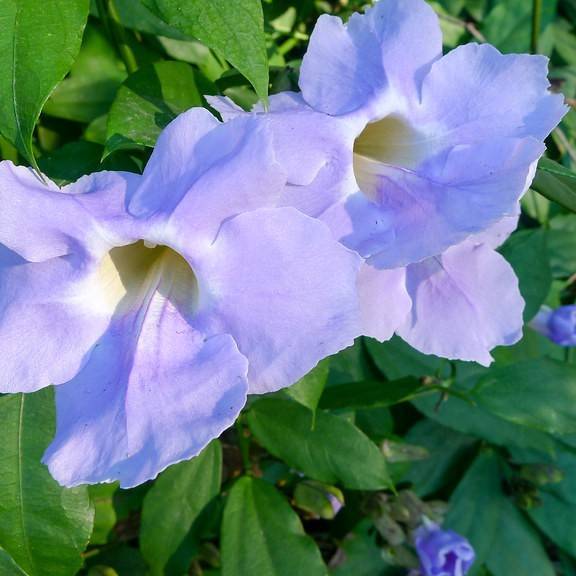
Blue Trumpet Vine
Thunbergia grandiflora
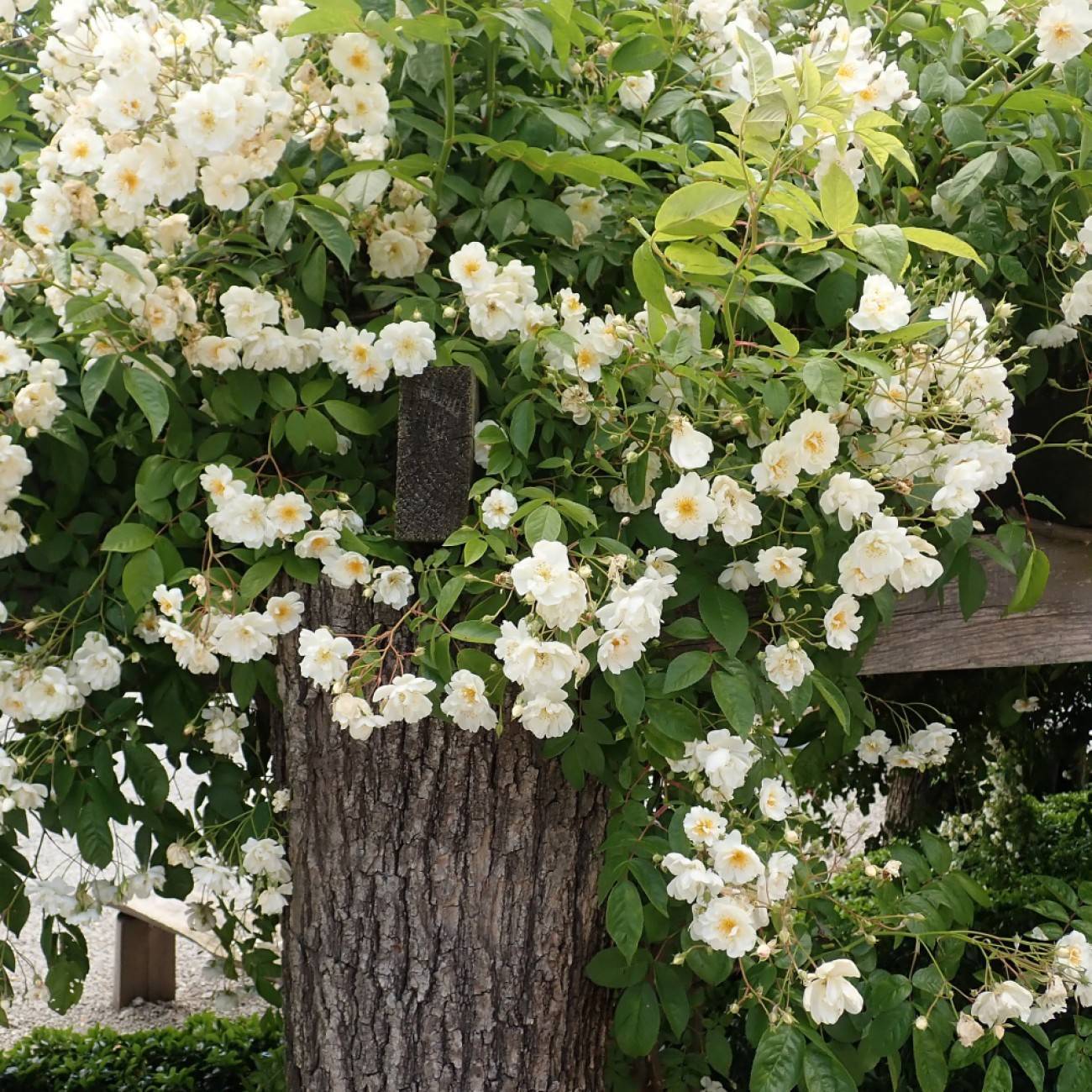
Hybrid Wichurana Rose
Rosa × wichurana
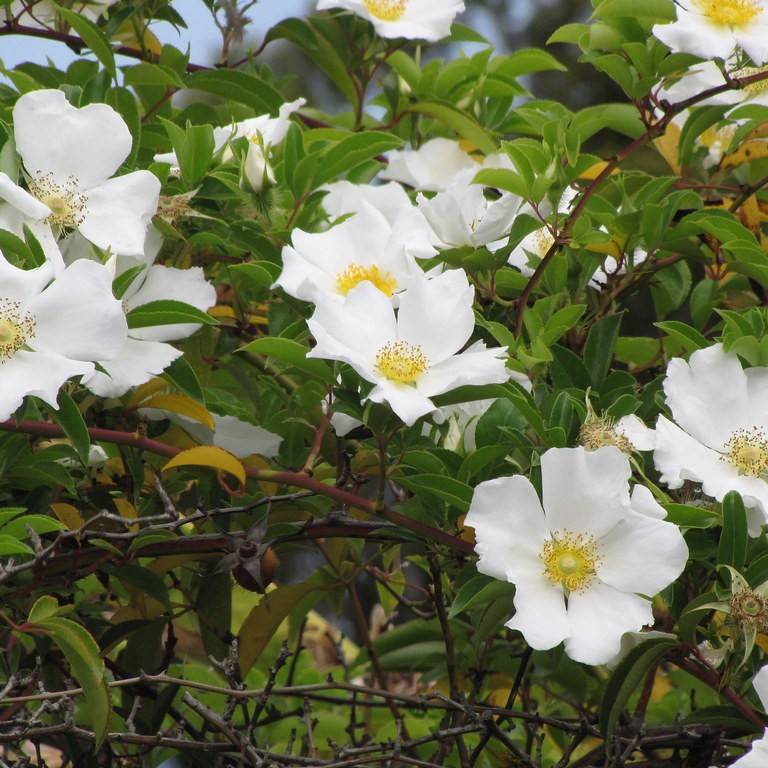
Cherokee Rose
Rosa laevigata
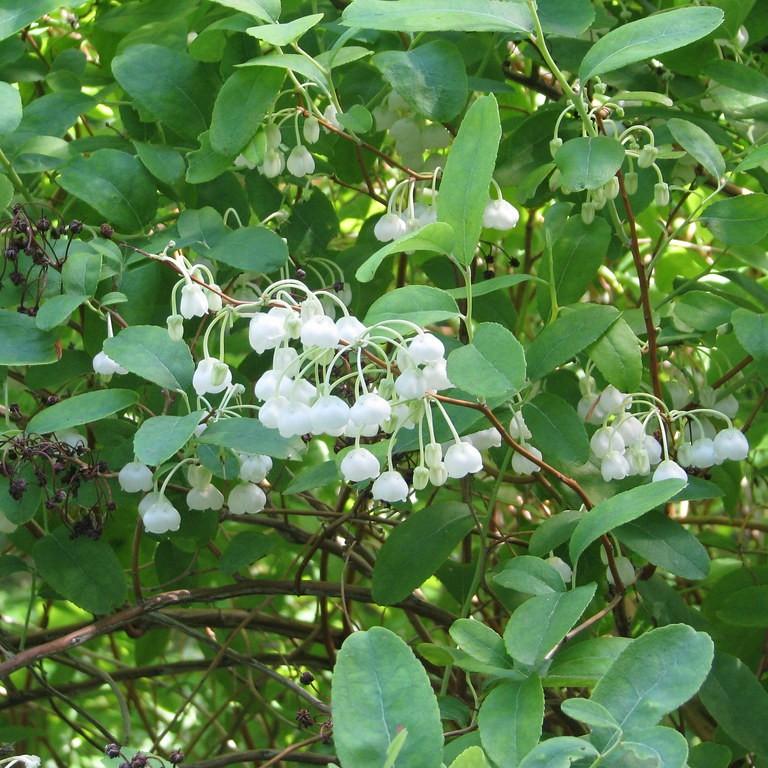
Dusty Zenobia
Zenobia pulverulenta
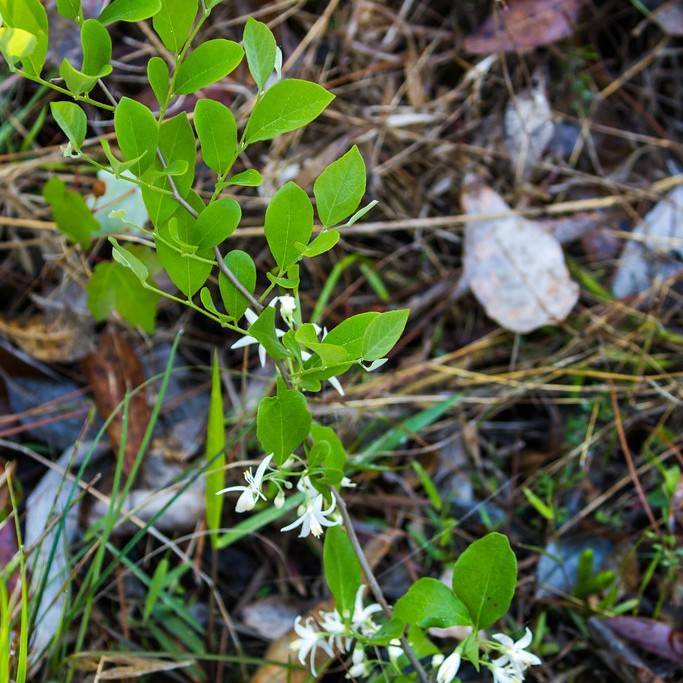
American Snowbell
Styrax americanus
Large Flowered Climbing Rose
Rosa 'Large Flowered Climbing' (hybrid group)
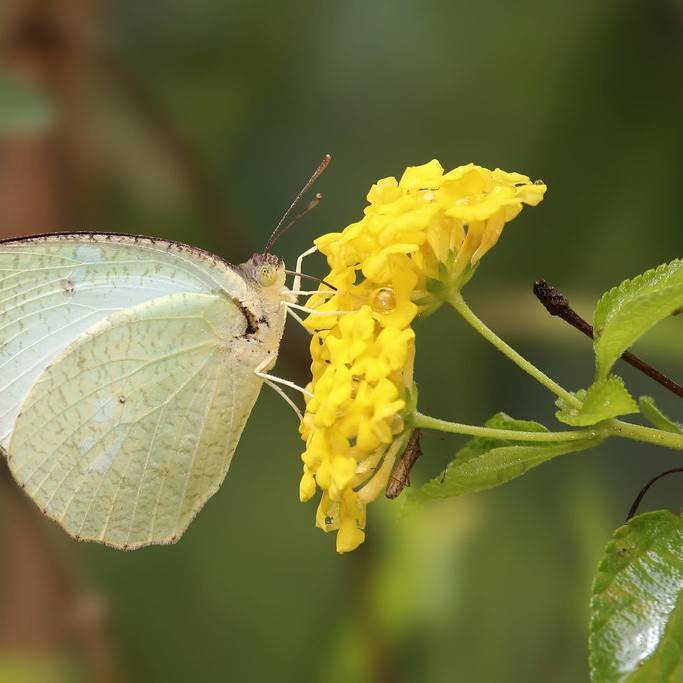
Emperor's Candlesticks
Senna alata
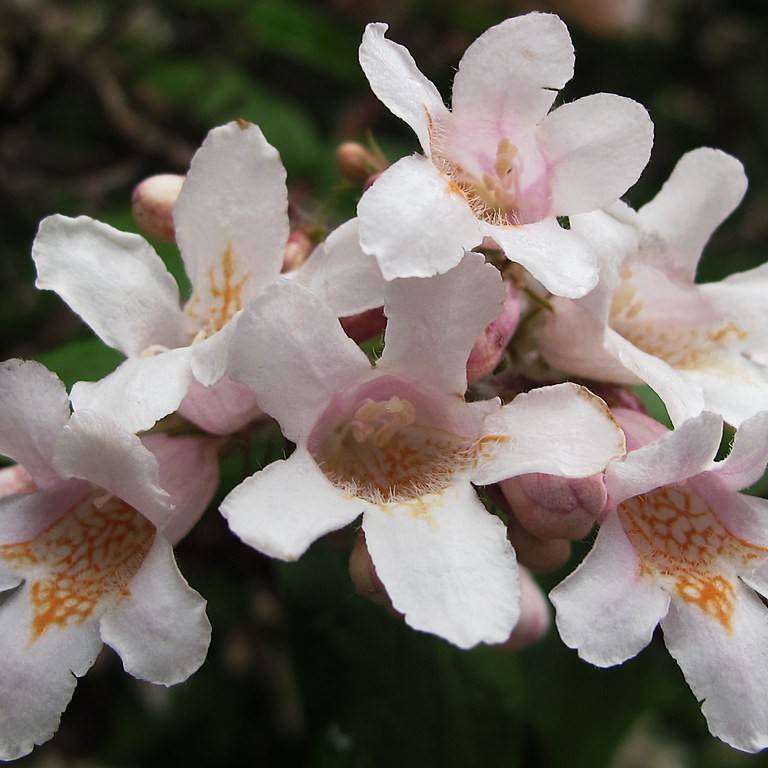
Beautybush
Kolkwitzia amabilis