Hybrid Multiflora Rose
Rosa multiflora 'Hybrida'
Overview
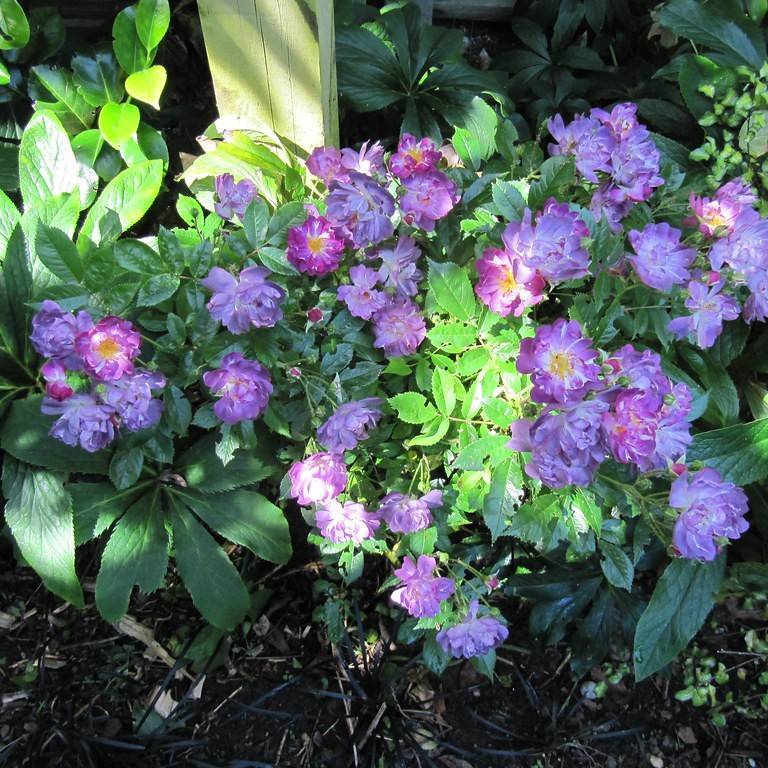
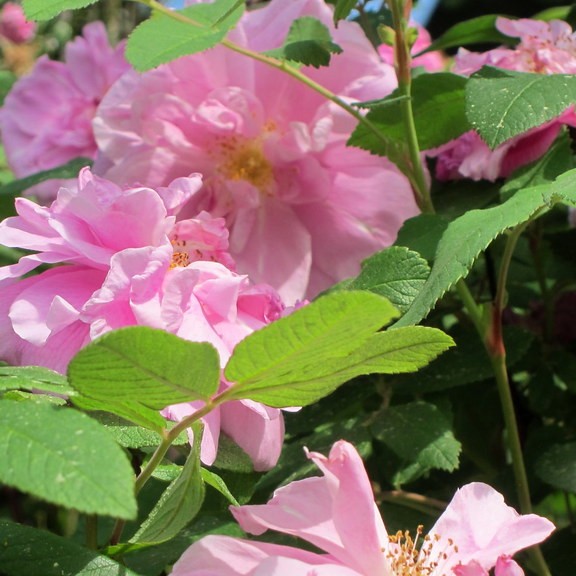
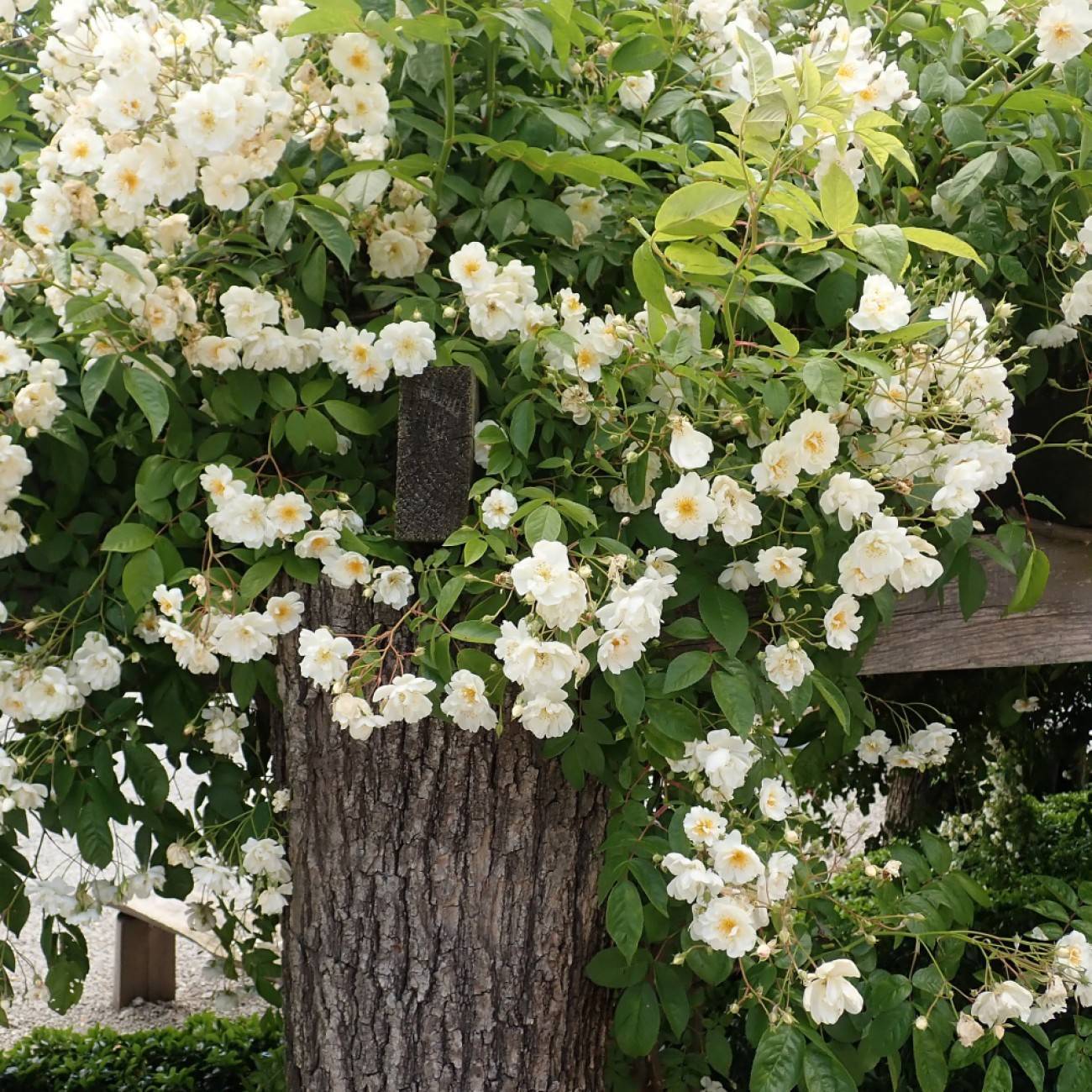
Hybrid Multiflora Rose is a robust cross of the wild Rosa multiflora, selected for its prolific flowering, hardiness, and adaptability to a wide range of growing conditions. It produces cascading clusters of 10 to 50 small, usually white, pink, or pale red blooms in early to mid-summer, followed by small, red, berry-like hips that persist through winter. While it is valued for ornamental and functional uses, it is classified as an invasive species in some North American regions due to its aggressive spreading habit via root suckers and bird-dispersed seeds.
Care Guide
Watering
Water newly planted Hybrid Multiflora Roses deeply once or twice per week to establish a strong root system, keeping the soil consistently moist but not waterlogged. Once established, the shrub is highly drought-tolerant, requiring supplemental watering only during extended periods of hot, dry weather to support healthy bloom production. Avoid overhead watering to reduce the risk of foliar fungal diseases, directing water at the base of the plant instead.
Light
Grow Hybrid Multiflora Rose in full sun, defined as at least 6 hours of direct, unfiltered sunlight per day, to maximize flower production and maintain dense, healthy foliage. The plant can tolerate partial shade, but shaded conditions will lead to reduced blooming, sparser growth, and increased susceptibility to fungal infections. Plant in an open, unobstructed location with good air circulation to support light penetration and reduce disease risk.
Soil
This adaptable rose thrives in most well-drained soil types, including loam, sandy loam, and clay loam, with a preferred slightly acidic to neutral pH range of 6.0 to 7.0. It can tolerate poor, compacted, or moderately alkaline soils far better than most hybrid rose varieties, making it suitable for difficult planting sites where other roses struggle. Avoid heavy, waterlogged soils, as prolonged standing moisture will cause root rot and eventual plant death.
Fertilizer
Apply a balanced, slow-release rose fertilizer (such as a 10-10-10 NPK formula) in early spring just as new leaf growth emerges, to support vigorous cane development and abundant bloom production. A second light application of fertilizer can be applied immediately after the first flush of flowering ends, to encourage healthy root and foliage growth through the rest of the growing season. Avoid fertilizing after late summer, as this will stimulate tender new growth that is vulnerable to damage from early fall frosts.
Temperature
Hybrid Multiflora Rose is extremely cold-hardy, tolerating winter temperatures as low as -30°F (-34°C), corresponding to USDA hardiness zones 3 through 9. It can withstand high summer temperatures up to 100°F (38°C) without stress, provided it has adequate soil moisture and good air circulation. In regions with severe, snow-free winters, a 2 to 3 inch layer of mulch around the base of the plant will protect the root system from extreme cold and temperature fluctuations.
Pruning
Prune Hybrid Multiflora Rose in late winter or early spring before new growth begins, removing dead, damaged, or diseased canes first, followed by any crossing or crowded canes to improve air flow through the shrub. To control size and prevent aggressive spreading, cut back overly long canes by up to one-third of their length each year, and dig up any unwanted root suckers that emerge outside the desired planting area. After flowering, you can deadhead spent bloom clusters to improve the plant's appearance, though leaving spent blooms to develop into hips provides valuable food for wild birds in winter.
Propagation
The most reliable method of propagating Hybrid Multiflora Rose is via hardwood cuttings taken in late fall or early winter, when the plant is dormant; select 6 to 8 inch long, healthy, mature canes, dip the cut end in rooting hormone, and plant in moist, well-drained potting mix, keeping the cuttings cool and slightly moist until roots develop the following spring. It can also be propagated via softwood cuttings taken in early summer, after the first flush of flowering has ended, with cuttings rooting in 4 to 6 weeks under warm, humid conditions. Because it is a hybrid cultivar, seeds collected from the hips will not grow true to the parent plant, so seed propagation is not recommended for retaining the hybrid's desired characteristics.
Humidity
Hybrid Multiflora Rose tolerates a wide range of humidity levels, from dry continental climates to humid coastal regions, with no specific humidity requirements for healthy growth. High humidity combined with poor air circulation and low light can increase the risk of fungal diseases such as black spot and powdery mildew, so ensure the plant is sited in an open, well-ventilated area if grown in humid climates. Regular pruning to thin out dense inner foliage will also reduce moisture retention on leaves and minimize fungal disease risk in humid conditions.
Repotting
Hybrid Multiflora Rose is almost exclusively grown as an outdoor landscape plant, and is rarely kept in containers long-term due to its large size and aggressive spreading habit. If grown temporarily in a pot for transplanting, repot only when the plant becomes severely root-bound, using a large, heavy container with ample drainage holes and a high-quality, well-drained rose potting mix. Once the plant reaches 2 to 3 feet in height, it should be transplanted to a permanent outdoor location, as container growth will stunt its development and reduce flowering.
Uses & Symbolism
Hybrid Multiflora Rose is widely planted as a dense, thorny hedging plant for privacy screens, property boundary markers, and natural livestock fencing, as its tangled, prickly canes create an impenetrable barrier. It is also used for erosion control on steep slopes, roadsides, and reclaimed land, as its extensive root system holds soil in place and its vigorous growth establishes quickly in poor soil. The plant's abundant fragrant blooms attract pollinators such as bees and butterflies, while its winter hips provide a critical food source for birds and small mammals, making it a popular addition to wildlife gardens.
Diseases & Pests
Hybrid Multiflora Rose is far more disease-resistant than most hybrid rose varieties, but it can still be affected by common rose fungal diseases such as black spot, powdery mildew, and rust, particularly in humid, poorly ventilated growing conditions. Common pests include aphids, spider mites, rose slugs, and Japanese beetles, which feed on foliage and blooms; minor infestations can be controlled with insecticidal soap or neem oil, while severe infestations may require targeted synthetic insecticides. Rose rosette disease, a viral infection spread by tiny eriophyid mites, is a serious threat to all multiflora rose varieties, causing abnormal red growth, witches' broom, and eventual plant death; infected plants must be removed and destroyed to prevent spread to other roses.
Related plants
Other plants you might like if you grow Hybrid Multiflora Rose.
%22%2F%3E%0A%20%20%20%20%20%20%3Ccircle%20cx%3D%22920%22%20cy%3D%22180%22%20r%3D%2290%22%20fill%3D%22%23cfe8d5%22%2F%3E%0A%20%20%20%20%20%20%3Cpath%20d%3D%22M600%20590c-90-180-215-255-310-280%200%20165%20118%20296%20270%20296h40z%22%20fill%3D%22%2379b88e%22%2F%3E%0A%20%20%20%20%20%20%3Cpath%20d%3D%22M600%20590c80-150%20198-212%20302-228-8%20142-123%20255-270%20255h-32z%22%20fill%3D%22%235c9f73%22%2F%3E%0A%20%20%20%20%20%20%3Cpath%20d%3D%22M600%20610V360%22%20stroke%3D%22%234f8c64%22%20stroke-width%3D%2218%22%20stroke-linecap%3D%22round%22%2F%3E%0A%20%20%20%20%20%20%3Ctext%20x%3D%22600%22%20y%3D%22700%22%20text-anchor%3D%22middle%22%20font-family%3D%22Arial%2C%20sans-serif%22%20font-size%3D%2244%22%20fill%3D%22%23365c45%22%3E%0A%20%20%20%20%20%20%20%20Plant%20image%20coming%20soon%0A%20%20%20%20%20%20%3C%2Ftext%3E%0A%20%20%20%20%3C%2Fsvg%3E%0A%20%20)