%22%2F%3E%0A%20%20%20%20%20%20%3Ccircle%20cx%3D%22920%22%20cy%3D%22180%22%20r%3D%2290%22%20fill%3D%22%23cfe8d5%22%2F%3E%0A%20%20%20%20%20%20%3Cpath%20d%3D%22M600%20590c-90-180-215-255-310-280%200%20165%20118%20296%20270%20296h40z%22%20fill%3D%22%2379b88e%22%2F%3E%0A%20%20%20%20%20%20%3Cpath%20d%3D%22M600%20590c80-150%20198-212%20302-228-8%20142-123%20255-270%20255h-32z%22%20fill%3D%22%235c9f73%22%2F%3E%0A%20%20%20%20%20%20%3Cpath%20d%3D%22M600%20610V360%22%20stroke%3D%22%234f8c64%22%20stroke-width%3D%2218%22%20stroke-linecap%3D%22round%22%2F%3E%0A%20%20%20%20%20%20%3Ctext%20x%3D%22600%22%20y%3D%22700%22%20text-anchor%3D%22middle%22%20font-family%3D%22Arial%2C%20sans-serif%22%20font-size%3D%2244%22%20fill%3D%22%23365c45%22%3E%0A%20%20%20%20%20%20%20%20Plant%20image%20coming%20soon%0A%20%20%20%20%20%20%3C%2Ftext%3E%0A%20%20%20%20%3C%2Fsvg%3E%0A%20%20)
Climbing Miniature Rose
Rosa hybrida 'Climbing Miniature'
Overview
Climbing Miniature Roses are specially bred hybrids that combine the small, abundant blooms of miniature roses with the vining growth habit of climbing roses, producing masses of 1-2 inch flowers in shades of red, pink, yellow, white, and bi-color from spring through fall. Their flexible stems grow upward with support, making them versatile for small-space gardening, where they add vertical color without the large footprint of standard climbing rose varieties. These roses are prized for their repeat-blooming habit, with flushes of flowers occurring every 4-6 weeks during the growing season, and many varieties have a mild, sweet fragrance similar to full-sized roses.
Care Guide
Watering
Water deeply once or twice per week, allowing the top 1-2 inches of soil to dry out between waterings to prevent root rot; avoid wetting foliage to reduce fungal disease risk, and reduce watering frequency in winter when growth slows. Container-grown specimens may require more frequent watering, especially during hot, dry weather, as soil in pots dries out faster than in-ground beds.
Light
Requires full sun, meaning a minimum of 6-8 hours of direct sunlight daily to produce abundant blooms and maintain strong, healthy growth; too little light will result in sparse flowering, leggy stems, and increased susceptibility to pests. When grown indoors, place in a south-facing window or supplement with grow lights to meet light requirements, rotating the plant regularly to ensure even growth.
Soil
Prefers well-draining, loamy soil with a slightly acidic pH between 6.0 and 6.5, enriched with organic matter such as compost or well-rotted manure to improve nutrient content and moisture retention. Avoid heavy, clay soils that hold excess water, as this can lead to root rot; for container planting, use a high-quality rose potting mix mixed with perlite to enhance drainage.
Fertilizer
Feed with a balanced, slow-release rose fertilizer in early spring just as new growth emerges, and repeat every 4-6 weeks during the growing season to support continuous blooming; use a fertilizer with a higher phosphorus content to encourage flower production over excessive foliage growth. Stop fertilizing 6-8 weeks before the first expected frost date to prevent tender new growth from being damaged by cold temperatures, and skip fertilization entirely during the winter dormant period.
Temperature
Thrives in temperatures between 60-75°F (15-24°C) during the growing season, and can tolerate winter temperatures down to -10°F (-23°C) when grown in USDA hardiness zones 5-9, provided the roots are mulched for insulation. Indoor specimens should be kept away from cold drafts and heating vents, which can cause foliage to dry out and drop, and may benefit from a 6-8 week period of cool dormancy at 40-50°F (4-10°C) in winter to encourage healthy spring growth.
Pruning
Prune in late winter or early spring before new growth begins, removing dead, damaged, or diseased stems first, then cutting back remaining canes by one-third to one-half to encourage vigorous new growth and abundant blooms. Throughout the growing season, deadhead spent flowers by cutting just above a leaf node with five leaflets to stimulate new flower production, and trim back any overly long or unruly stems to maintain the desired shape and encourage branching.
Propagation
Most easily propagated via softwood cuttings taken in late spring or early summer from healthy, non-flowering stems, cutting 4-6 inch sections just below a leaf node, removing lower leaves, dipping the cut end in rooting hormone, and planting in moist, well-draining potting mix. Keep cuttings in a warm, humid environment with bright, indirect light until roots develop in 4-6 weeks, then transplant to larger containers or in-ground locations once the root system is established.
Humidity
Prefers moderate humidity levels between 40-60%, which is typical of most outdoor growing environments; very low humidity can cause leaf edges to brown and flower buds to drop before opening. Indoor specimens may benefit from occasional misting during dry winter months, or placing the pot on a tray filled with pebbles and water to increase ambient humidity around the plant, ensuring the pot is not sitting directly in standing water to avoid root rot.
Repotting
Container-grown Climbing Miniature Roses should be repotted every 2-3 years in early spring before new growth starts, moving to a pot one size larger than the current one with fresh rose potting mix to refresh nutrients and provide room for root growth. When repotting, gently loosen bound roots and remove any dead or rotting root sections, and ensure the new pot has adequate drainage holes to prevent waterlogging; in-ground specimens do not require repotting, but benefit from annual top-dressing with compost to improve soil quality.
Uses & Symbolism
Climbing Miniature Roses are widely used in ornamental gardening to add vertical color to trellises, arbors, fences, porch posts, and small garden structures, where their compact size makes them ideal for small yards, balconies, and patios. They also grow well in large containers with supports, making them suitable for bright indoor spaces or outdoor patios, and their long-lasting cut flowers are popular for small floral arrangements and bouquets.
Diseases & Pests
Common fungal diseases include powdery mildew, black spot, and rust, which thrive in humid, wet conditions with poor air circulation; these can be prevented by avoiding overhead watering, spacing plants to allow air flow, and applying fungicidal sprays if symptoms appear. Common pests include aphids, spider mites, thrips, and Japanese beetles, which feed on foliage and flower buds; infestations can be controlled with insecticidal soap, neem oil, or targeted pesticides, and regular inspection of new growth helps catch infestations early before they spread.
Related plants
Other plants you might like if you grow Climbing Miniature Rose.
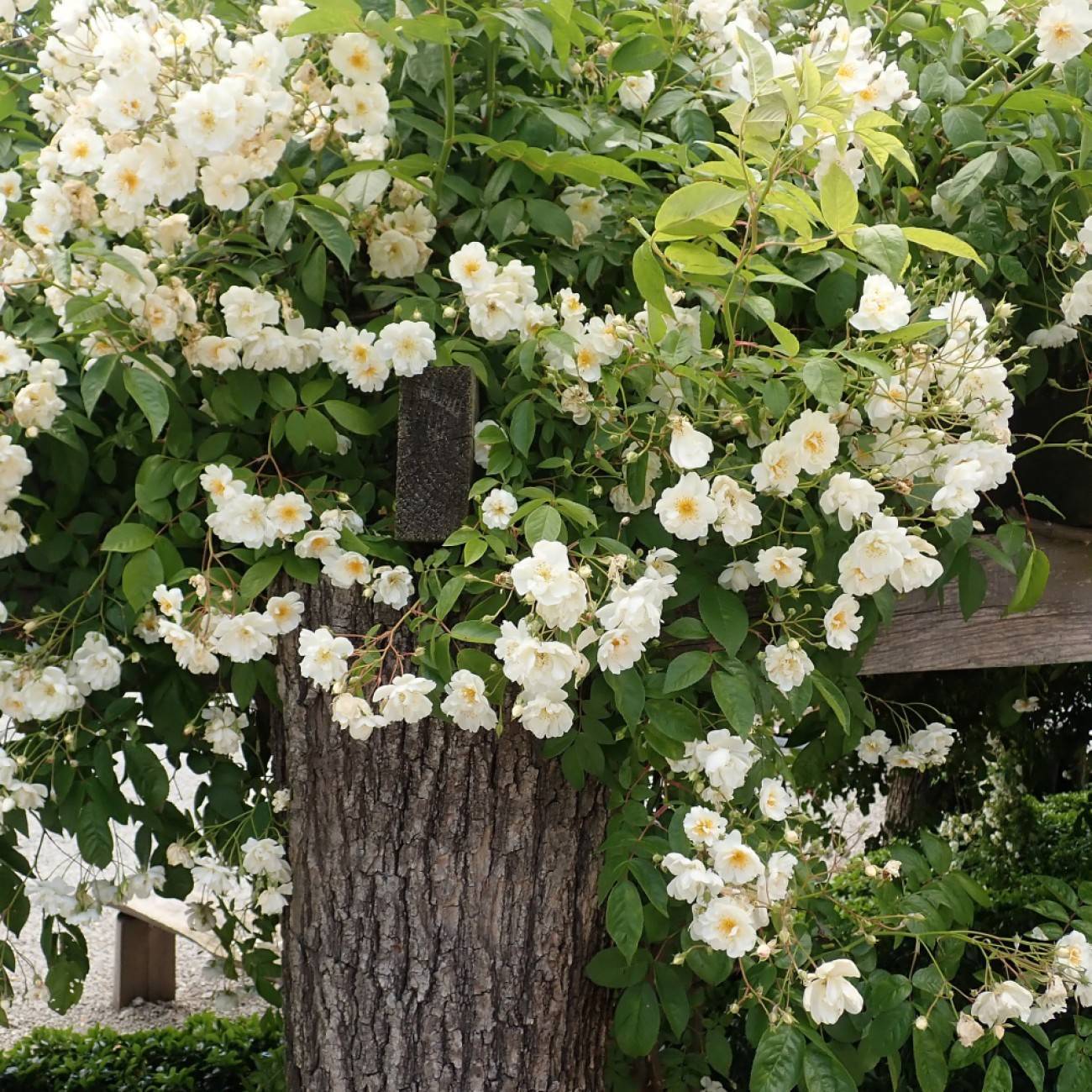
Hybrid Wichurana Rose
Rosa × wichurana
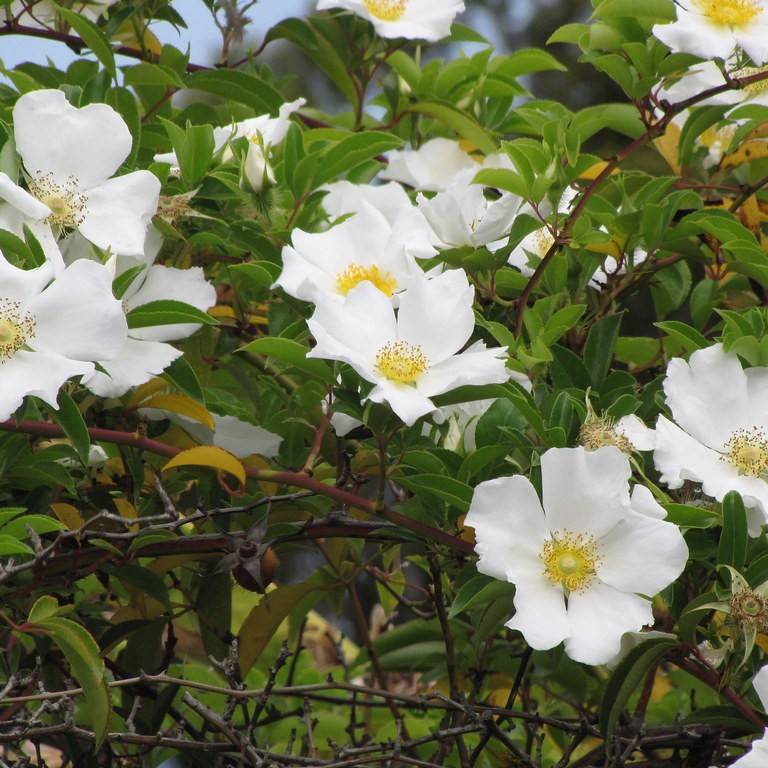
Cherokee Rose
Rosa laevigata
Large Flowered Climbing Rose
Rosa 'Large Flowered Climbing' (hybrid group)
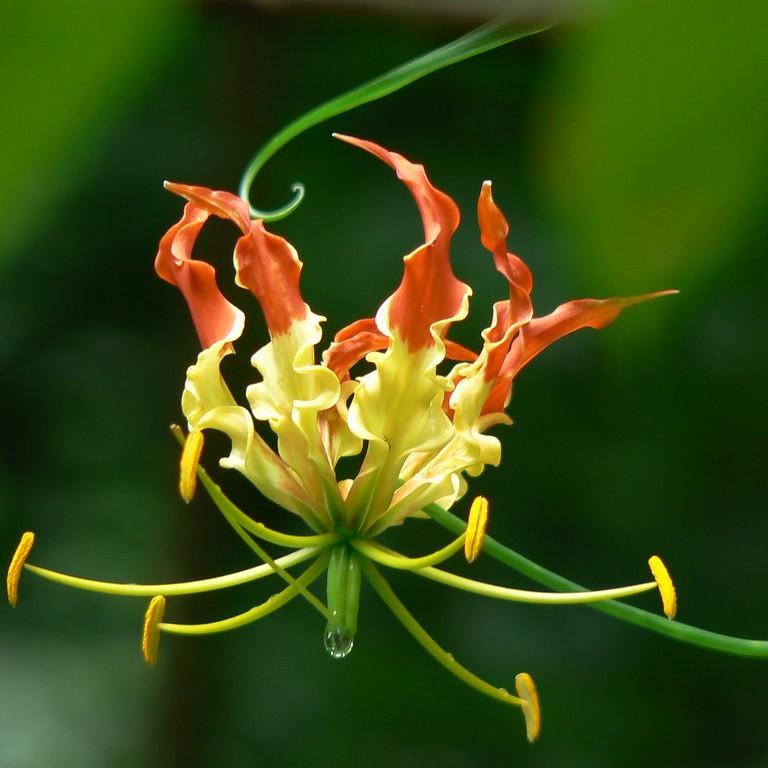
Gloriosa Lily
Gloriosa superba
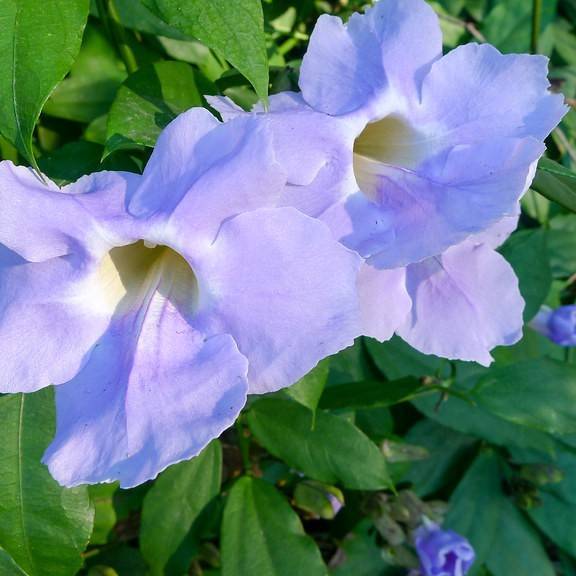
Blue Trumpet Vine
Thunbergia grandiflora
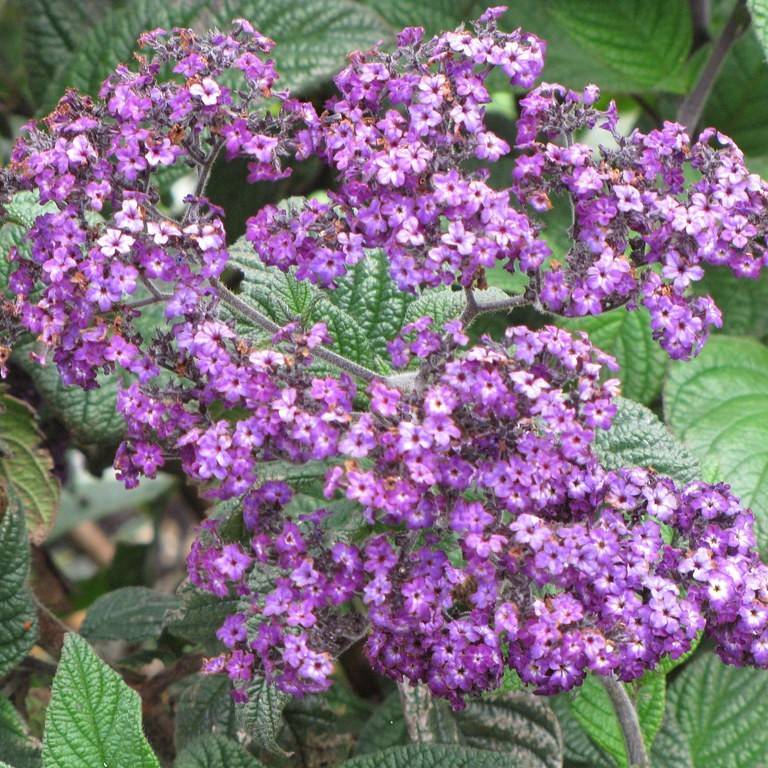
Heliotrope
Heliotropium arborescens
Climbing Polyantha Rose
Rosa 'Climbing Polyantha'
Climbing Tea Rose
Rosa 'Climbing Tea' (hybrid tea climbing cultivar group)