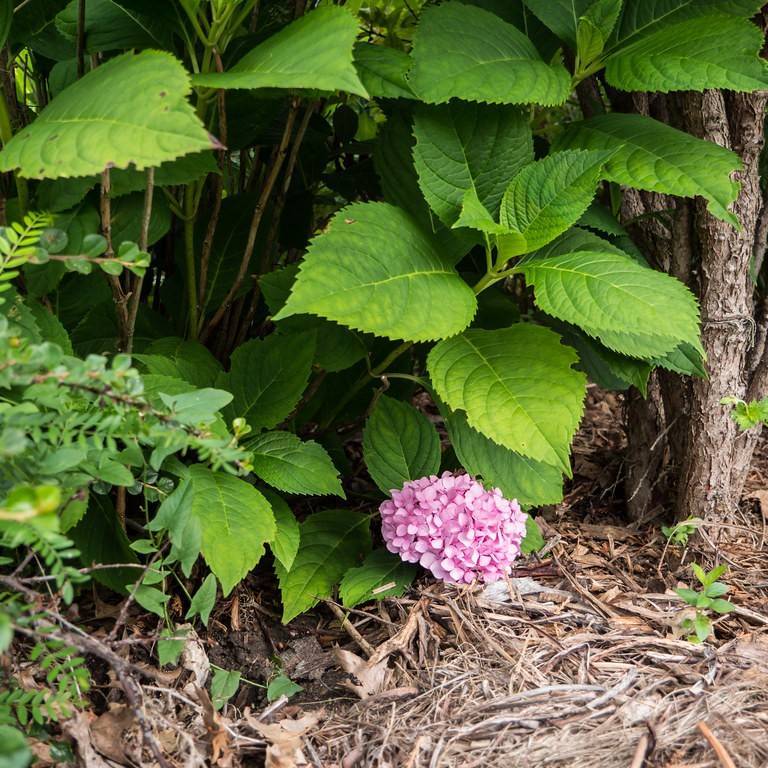
Bigleaf Hydrangea
Hydrangea macrophylla
Overview
Bigleaf hydrangea is a beloved deciduous shrub distinguished by its broad, glossy dark green leaves and showy, dome-shaped flower clusters that bloom from early to late summer. It is famous for its color-changing blooms: acidic soil produces blue flowers, neutral to alkaline soil yields pink or purple blooms, and white varieties stay largely unaffected by pH. Native to East Asia, it is widely cultivated in temperate regions worldwide for its ornamental value in landscapes and cut flower arrangements.
Care Guide
Watering
Keep soil consistently moist but not waterlogged, as bigleaf hydrangeas are prone to root rot in saturated conditions. Water deeply 1-2 times per week during dry periods, reducing frequency in cooler, wetter weather to avoid overhydration. Mulch around the base to retain soil moisture and reduce evaporation during hot summer months.
Light
Grow in partial shade with 4-6 hours of dappled morning sunlight and protection from harsh midday and afternoon sun, which can scorch leaves and cause blooms to fade prematurely. Too much shade will reduce flower production, resulting in sparse, small clusters. Indoor specimens thrive near bright, east-facing windows with filtered light.
Soil
Plant in rich, well-draining, loamy soil with a high organic matter content to support healthy root growth. Adjust soil pH with aluminum sulfate to lower pH for blue blooms, or garden lime to raise pH for pink blooms, making amendments several months before blooming season for best results. A soil pH between 5.2 and 5.5 is ideal for blue flowers, while 6.0 to 6.2 supports pink blooms.
Fertilizer
Feed with a balanced, slow-release 10-10-10 fertilizer in early spring as new growth emerges, and again in mid-summer to support ongoing bloom production. Avoid high-nitrogen fertilizers, as they encourage excessive leaf growth at the expense of flowers. Cease fertilization by late summer to prevent tender new growth that can be damaged by early fall frost.
Temperature
Thrives in temperatures between 60-70°F (15-21°C) during the growing season, and requires a 6-8 week period of cool 40-45°F (4-7°C) temperatures in winter to stimulate dormancy and future bloom production. Hardy in USDA zones 5-9; protect young plants from harsh winter winds and frost with burlap wraps or mulch insulations, as flower buds form on old wood and can be damaged by cold snaps. Indoor specimens should be kept away from cold drafts and heating vents that dry out foliage.
Pruning
Prune immediately after flowering finishes in late summer, as bigleaf hydrangeas set next year’s flower buds on old wood from the current growing season. Remove only spent flower heads, dead, damaged, or crossing branches to improve air circulation and maintain a tidy shape, avoiding heavy pruning which can remove future bloom buds. For overgrown shrubs, remove up to one-third of the oldest stems at ground level every 2-3 years to encourage new, vigorous growth.
Propagation
Most easily propagated via softwood cuttings taken in early summer, selecting 4-6 inch long non-flowering stem tips with at least 2-3 leaf nodes. Remove lower leaves, dip the cut end in rooting hormone, and plant in a well-draining moist potting mix, keeping cuttings in bright, indirect light with high humidity until roots form in 3-4 weeks. It can also be propagated by layering in spring, where a low-growing stem is bent to the ground, partially buried, and left to root before being separated from the parent plant the following year.
Humidity
Prefers moderate to high humidity levels between 50-70%, which supports lush foliage and prevents leaf edge browning in dry conditions. Indoor specimens may benefit from regular misting, placement on a pebble tray filled with water, or use of a humidifier during dry winter heating periods. Avoid placing plants near dry air sources like fireplaces or heating vents that can quickly desiccate foliage.
Repotting
Potted bigleaf hydrangeas should be repotted every 2-3 years in early spring before new growth emerges, moving to a pot 1-2 inches larger than the current container to avoid overpotting and excess soil moisture retention. Use a high-quality, well-draining potting mix amended with compost or peat moss to support nutrient retention and proper drainage. After repotting, water thoroughly and place in bright, indirect light for 1-2 weeks to reduce transplant shock.
Uses & Symbolism
Widely used as a landscape specimen shrub, hedge, or border planting in temperate gardens for its long-lasting, colorful summer blooms. Its large, sturdy flower heads are highly valued as cut flowers for fresh arrangements, and can be dried for long-lasting decorative use. Some traditional East Asian medicine practices use extracts from the leaves and roots for small-scale medicinal applications, though consumption is not recommended due to toxicity.
Diseases & Pests
Common fungal diseases include powdery mildew, leaf spot, and botrytis blight, which thrive in overly moist, poorly ventilated conditions and can be prevented by spacing plants for air circulation and avoiding overhead watering. Pests such as aphids, spider mites, and scale insects may infest foliage, particularly on indoor or stressed plants, and can be controlled with insecticidal soap or neem oil treatments. Root rot is a frequent issue in waterlogged, poorly draining soil, and can be avoided by following proper watering guidelines and amending heavy soil with organic matter to improve drainage.
Related plants
Other plants you might like if you grow Bigleaf Hydrangea.
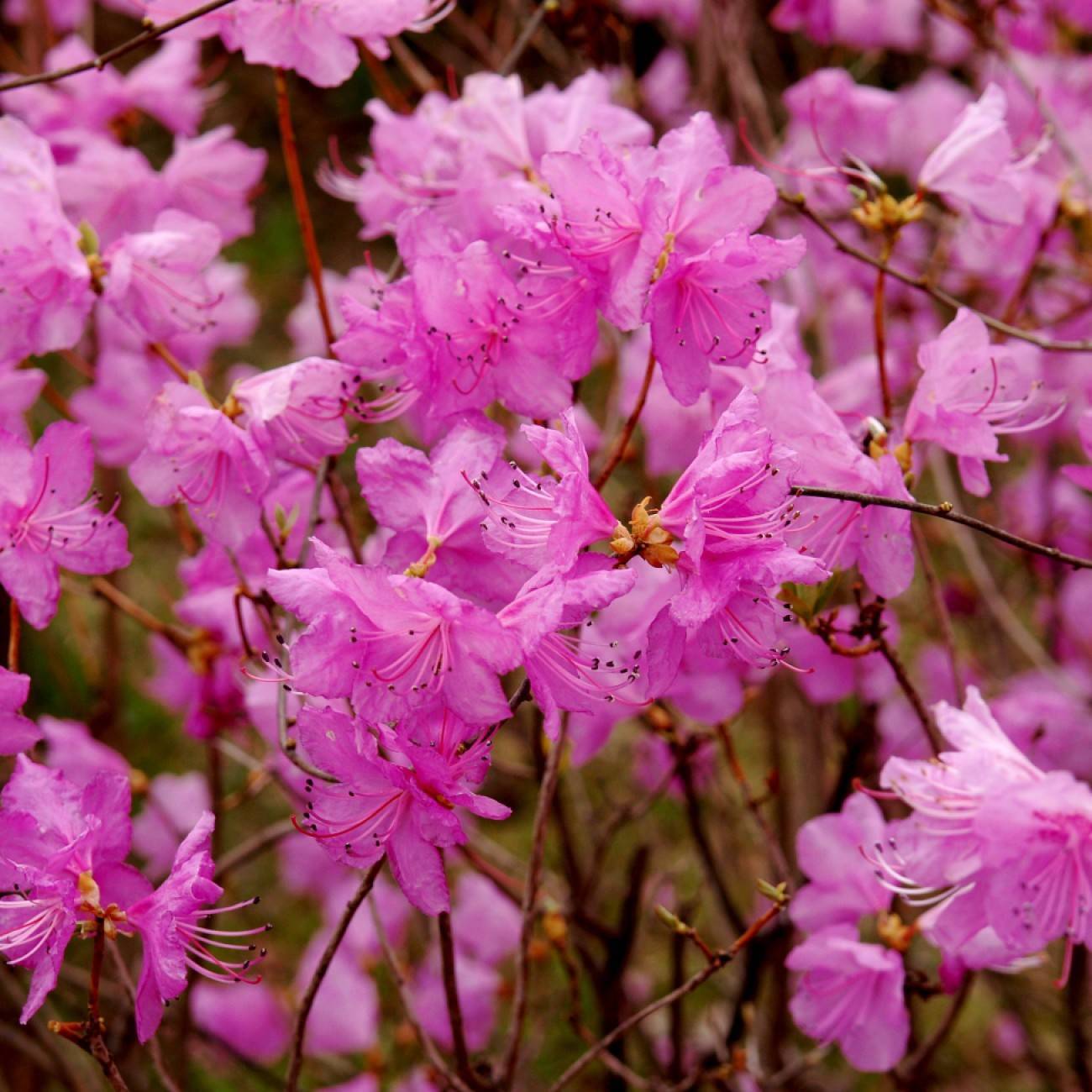
Korean Rhododendron
Rhododendron mucronulatum
%22%2F%3E%0A%20%20%20%20%20%20%3Ccircle%20cx%3D%22920%22%20cy%3D%22180%22%20r%3D%2290%22%20fill%3D%22%23cfe8d5%22%2F%3E%0A%20%20%20%20%20%20%3Cpath%20d%3D%22M600%20590c-90-180-215-255-310-280%200%20165%20118%20296%20270%20296h40z%22%20fill%3D%22%2379b88e%22%2F%3E%0A%20%20%20%20%20%20%3Cpath%20d%3D%22M600%20590c80-150%20198-212%20302-228-8%20142-123%20255-270%20255h-32z%22%20fill%3D%22%235c9f73%22%2F%3E%0A%20%20%20%20%20%20%3Cpath%20d%3D%22M600%20610V360%22%20stroke%3D%22%234f8c64%22%20stroke-width%3D%2218%22%20stroke-linecap%3D%22round%22%2F%3E%0A%20%20%20%20%20%20%3Ctext%20x%3D%22600%22%20y%3D%22700%22%20text-anchor%3D%22middle%22%20font-family%3D%22Arial%2C%20sans-serif%22%20font-size%3D%2244%22%20fill%3D%22%23365c45%22%3E%0A%20%20%20%20%20%20%20%20Plant%20image%20coming%20soon%0A%20%20%20%20%20%20%3C%2Ftext%3E%0A%20%20%20%20%3C%2Fsvg%3E%0A%20%20)
Dahurian Rhododendron
Rhododendron dahuricum
Grandiflora Rose
Rosa 'Grandiflora' group
Deciduous Azalea
Rhododendron spp. (subgenus Pentanthera)
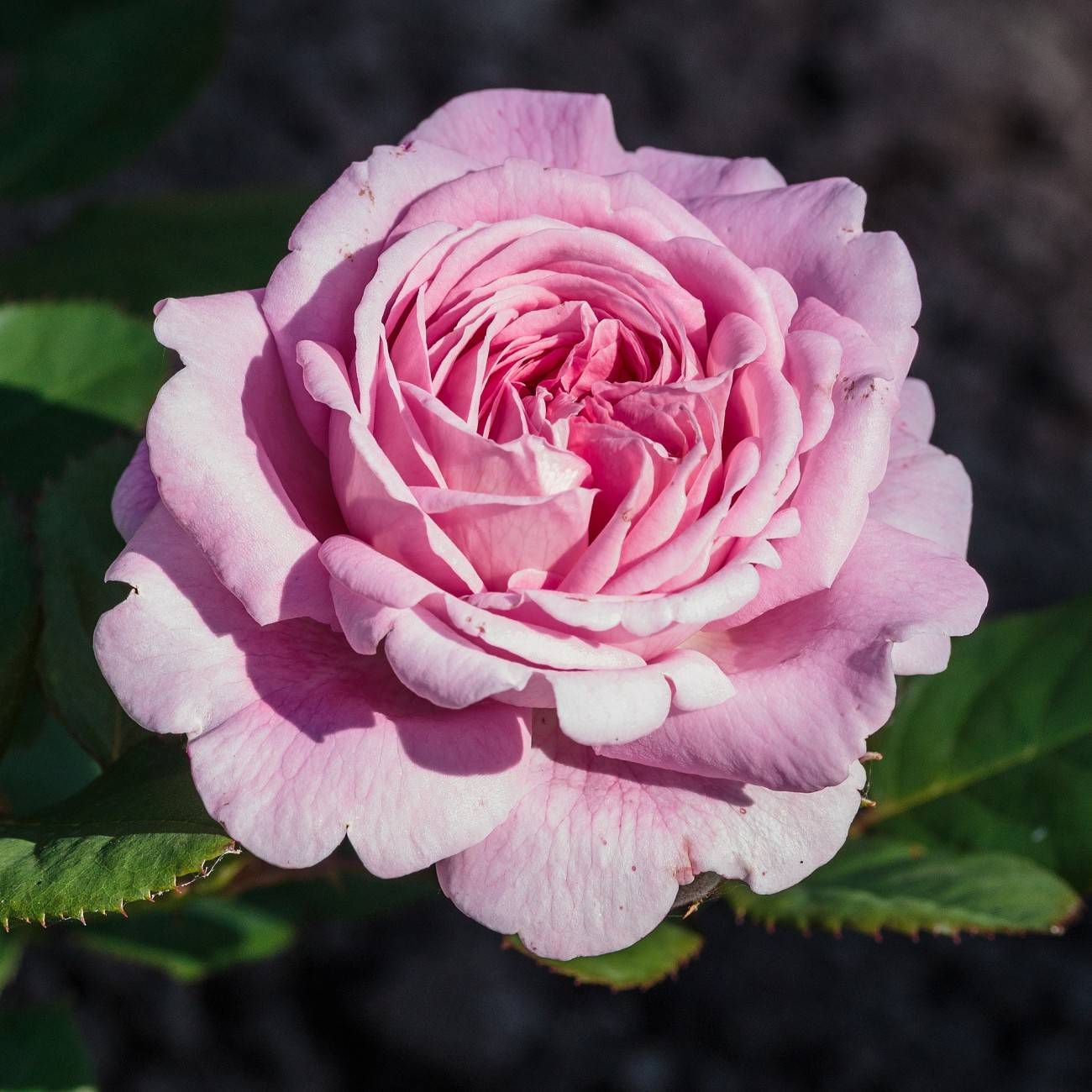
Hybrid Tea Rose
Rosa hybrida (Hybrid Tea Group)
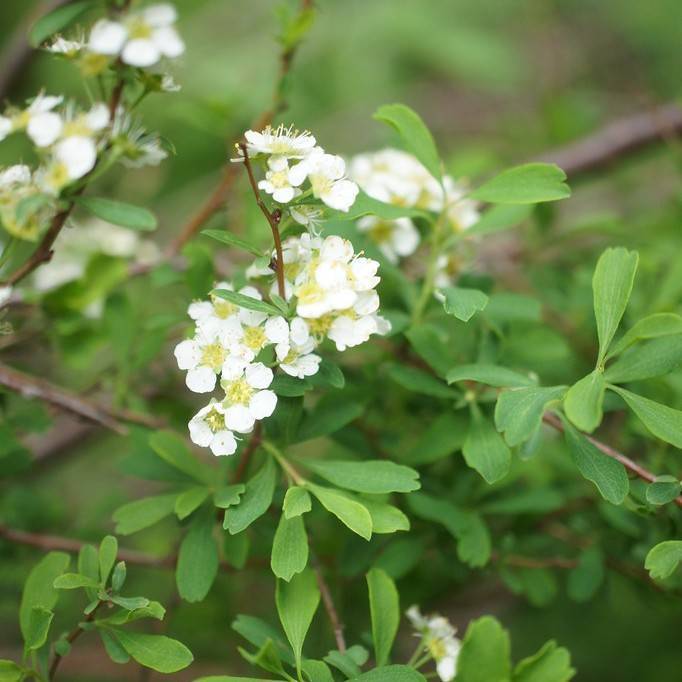
Iberian Spirea
Spiraea hypericifolia
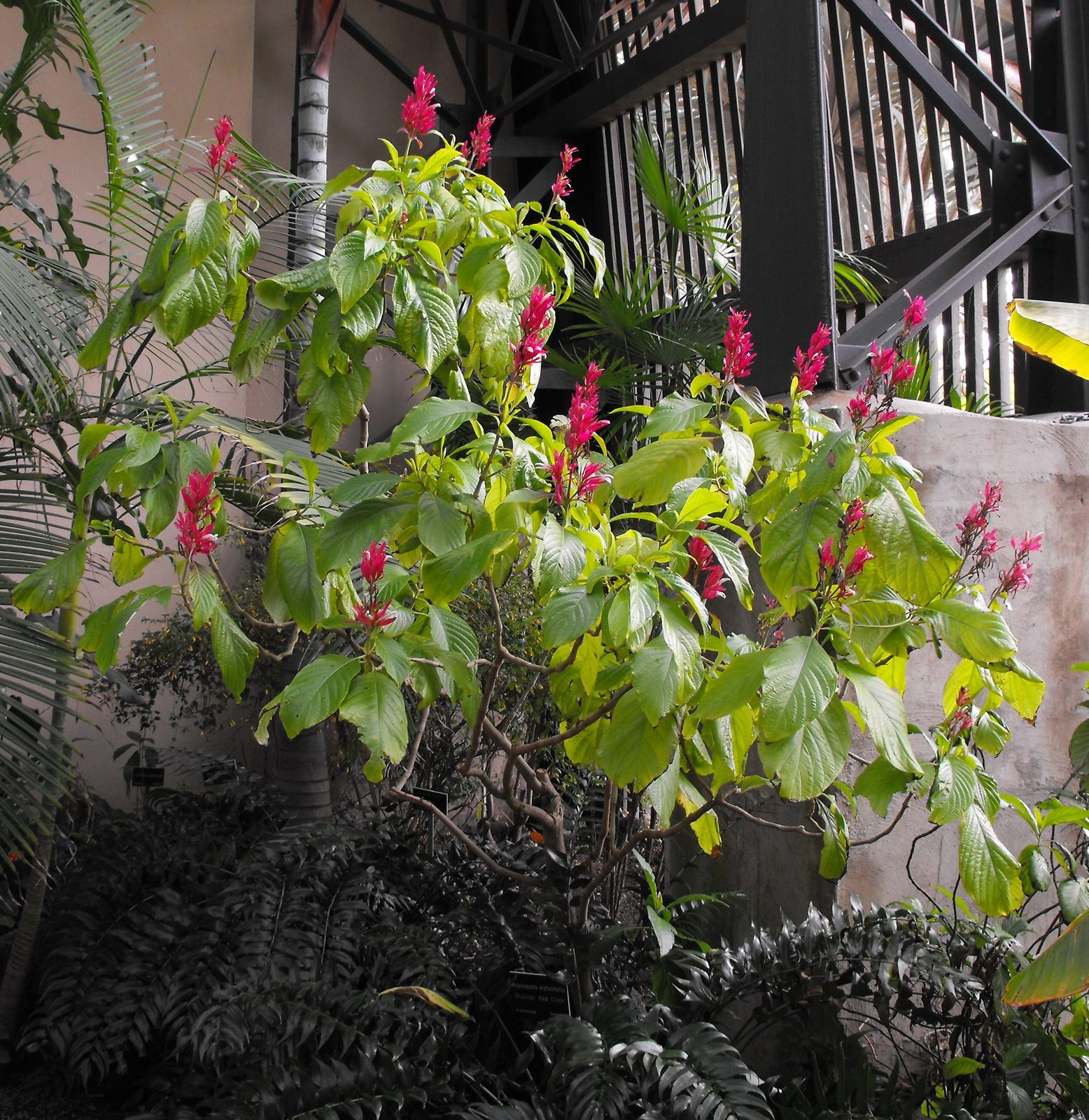
Brazilian Red Cloak
Megaskepasma erythrochlamys
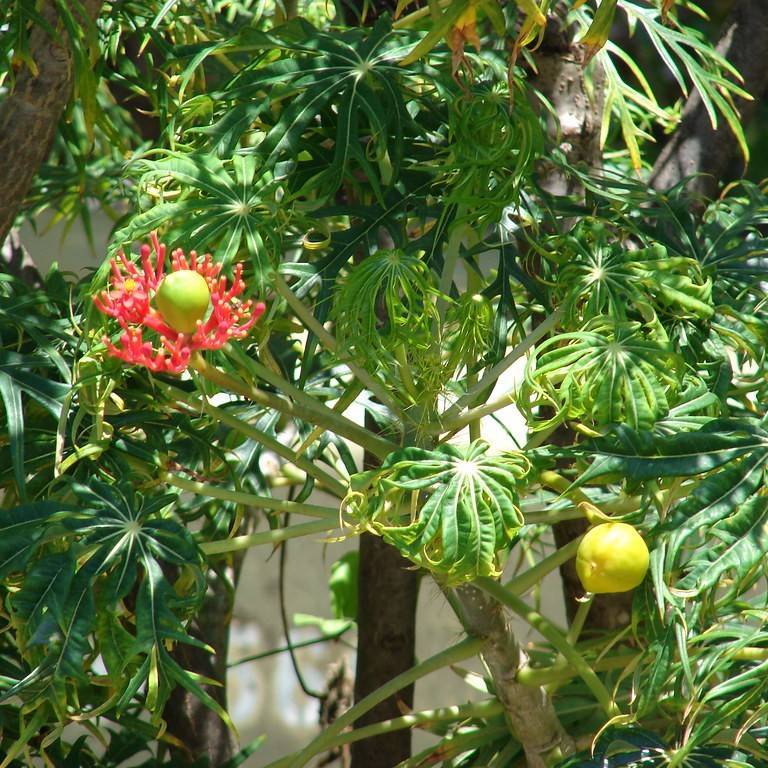
Coralbush
Jatropha multifida