Common Jasmine
Jasminum officinale
Overview
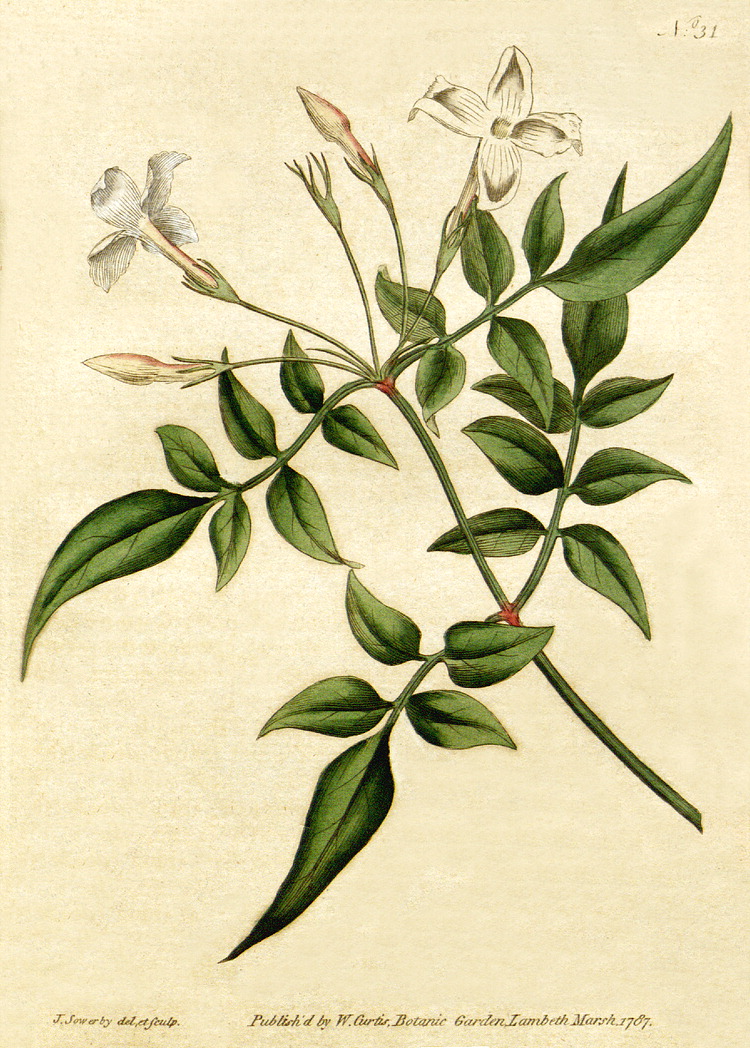
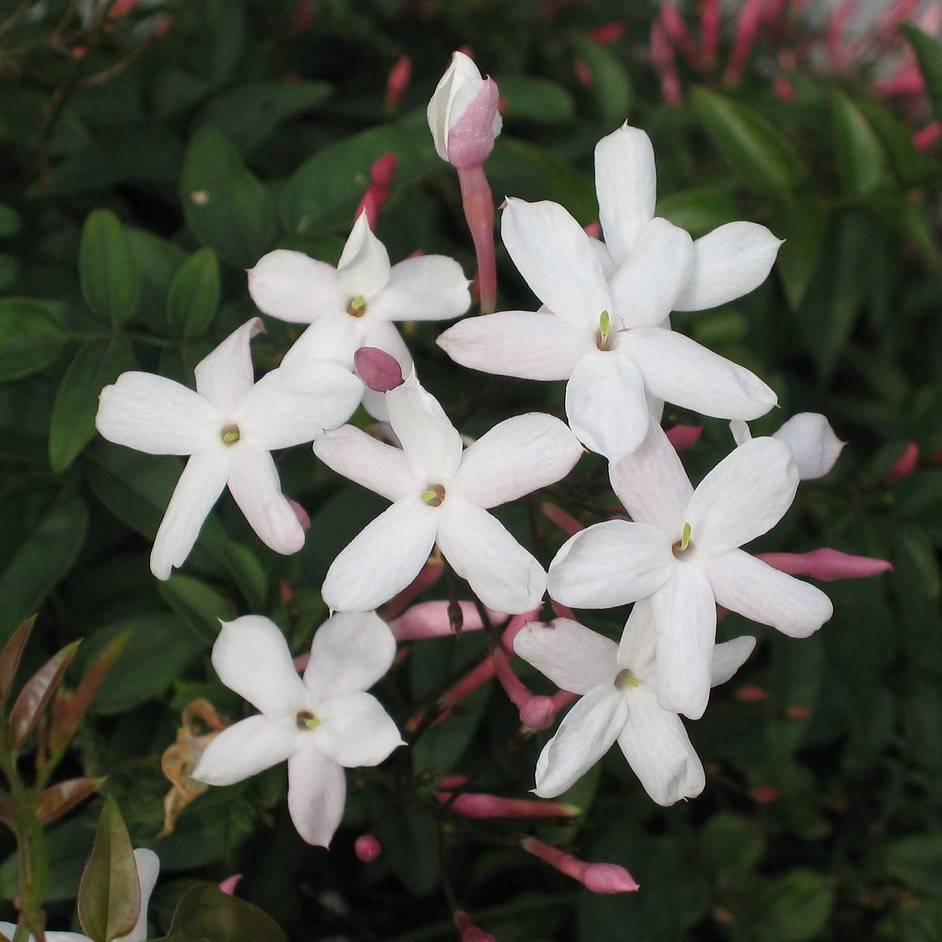
Common jasmine, also called poet's jasmine, is a fast-growing vining plant that produces masses of star-shaped, waxy white flowers from late spring to early fall. Its intensely sweet, heady fragrance is iconic, making it a popular choice for arbors, trellises, and garden borders near patios or windows where its scent can be enjoyed. It is hardy in temperate to subtropical climates, and can be grown indoors in cooler regions with sufficient light.
Care Guide
Watering
Water common jasmine regularly during the growing season, keeping the soil consistently moist but not waterlogged to prevent root rot. Reduce watering frequency in fall and winter, allowing the top 1-2 inches of soil to dry out between waterings when the plant is dormant. Avoid wetting the foliage directly when watering to lower the risk of fungal diseases.
Light
Common jasmine thrives in full sun to partial shade, requiring at least 4-6 hours of direct sunlight daily to produce abundant blooms. In regions with extremely hot, intense summer sun, provide light afternoon shade to prevent leaf scorch. When grown indoors, place it near a south-facing window that receives bright, indirect light for most of the day.
Soil
Plant common jasmine in well-draining, loamy soil with a slightly acidic to neutral pH between 6.0 and 7.5 for optimal growth. Amending heavy clay or sandy soils with organic matter such as compost or well-rotted manure will improve drainage and nutrient retention. For container-grown plants, use a high-quality potting mix formulated for flowering vines, mixed with perlite to enhance drainage.
Fertilizer
Feed common jasmine with a balanced, slow-release fertilizer with an NPK ratio of 10-10-10 in early spring, just as new growth begins to emerge. Follow up with a phosphorus-rich liquid fertilizer every 2-3 weeks during the blooming season to support flower production. Avoid fertilizing in late fall and winter, as this can stimulate tender new growth that is vulnerable to cold damage.
Temperature
Common jasmine grows best in temperatures between 60-75°F (15-24°C) during the active growing season. It is hardy to USDA zones 7-10, tolerating brief dips down to 10°F (-12°C) when planted outdoors in well-protected locations. Indoor-grown plants should be kept away from cold drafts from windows or heating vents, and provided with a cool rest period at 40-50°F (4-10°C) in winter to encourage spring blooming.
Pruning
Prune common jasmine immediately after it finishes flowering in late summer or early fall to maintain its shape and control its spread. Remove any dead, damaged, or diseased stems first, then cut back overgrown vines by up to one-third to encourage bushier, more compact growth. For mature, overgrown plants, perform a hard prune in early spring, cutting stems back to 2-3 feet above the ground to rejuvenate growth.
Propagation
Common jasmine is most easily propagated from semi-hardwood cuttings taken in late summer, using 4-6 inch stem sections with at least 2-3 leaf nodes. Dip the cut end in rooting hormone powder, plant it in a moist, well-draining rooting medium, and keep it in a warm, humid location with bright indirect light until roots develop in 4-6 weeks. It can also be propagated from seed, but seed-grown plants take several years to mature and bloom, and may not retain the characteristics of the parent plant.
Humidity
Common jasmine prefers moderate to high humidity levels between 40-60% for optimal growth and flowering. In dry indoor environments or during periods of low outdoor humidity, mist the plant regularly with room-temperature water, or place its container on a tray filled with pebbles and water to increase ambient humidity around the foliage. Avoid placing indoor plants near dry air sources like space heaters or air conditioning units, which can cause leaf browning and drop.
Repotting
Repot container-grown common jasmine every 2-3 years in early spring, just before new growth emerges, moving it to a pot that is 1-2 inches larger in diameter than the current one. Gently loosen the root ball before placing it in fresh potting mix, and water thoroughly after repotting to help the plant settle in. For large, mature plants that are difficult to repot, refresh the top 2-3 inches of potting mix annually to replenish nutrients.
Uses & Symbolism
Common jasmine is widely grown as an ornamental plant for its showy, fragrant blooms, used to cover arbors, trellises, fences, and walls in gardens, or grown in hanging baskets and containers for patios and indoor spaces. Its flowers are harvested for use in perfumes, essential oils, teas, and potpourris, and it holds cultural significance in many regions as a symbol of love, purity, and good fortune. It also provides nectar for pollinators including bees, butterflies, and hummingbirds, supporting local ecosystem health.
Diseases & Pests
Common jasmine is relatively pest-resistant, but may be affected by aphids, spider mites, whiteflies, and scale insects, which can be controlled with insecticidal soap, neem oil, or horticultural oil. Fungal diseases such as powdery mildew, leaf spot, and root rot can occur in overly wet conditions or when air circulation is poor, so avoid overwatering and prune dense growth to improve airflow around the plant. Yellowing leaves may indicate nutrient deficiency, overwatering, or insufficient light, which can be corrected by adjusting care practices accordingly.
Related plants
Other plants you might like if you grow Common Jasmine.
%22%2F%3E%0A%20%20%20%20%20%20%3Ccircle%20cx%3D%22920%22%20cy%3D%22180%22%20r%3D%2290%22%20fill%3D%22%23cfe8d5%22%2F%3E%0A%20%20%20%20%20%20%3Cpath%20d%3D%22M600%20590c-90-180-215-255-310-280%200%20165%20118%20296%20270%20296h40z%22%20fill%3D%22%2379b88e%22%2F%3E%0A%20%20%20%20%20%20%3Cpath%20d%3D%22M600%20590c80-150%20198-212%20302-228-8%20142-123%20255-270%20255h-32z%22%20fill%3D%22%235c9f73%22%2F%3E%0A%20%20%20%20%20%20%3Cpath%20d%3D%22M600%20610V360%22%20stroke%3D%22%234f8c64%22%20stroke-width%3D%2218%22%20stroke-linecap%3D%22round%22%2F%3E%0A%20%20%20%20%20%20%3Ctext%20x%3D%22600%22%20y%3D%22700%22%20text-anchor%3D%22middle%22%20font-family%3D%22Arial%2C%20sans-serif%22%20font-size%3D%2244%22%20fill%3D%22%23365c45%22%3E%0A%20%20%20%20%20%20%20%20Plant%20image%20coming%20soon%0A%20%20%20%20%20%20%3C%2Ftext%3E%0A%20%20%20%20%3C%2Fsvg%3E%0A%20%20)