Hybrid Sedge
Carex x hybrida
Overview
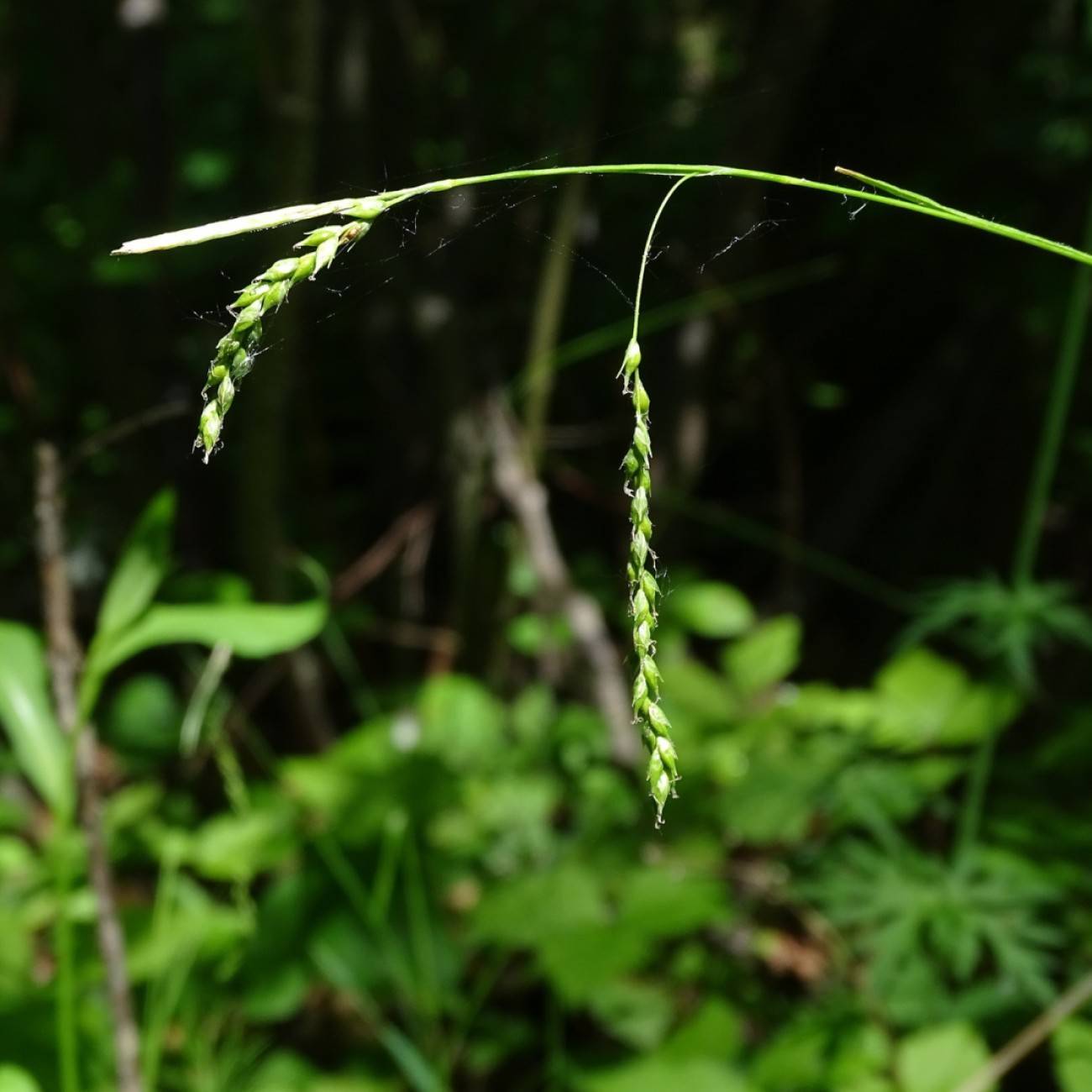
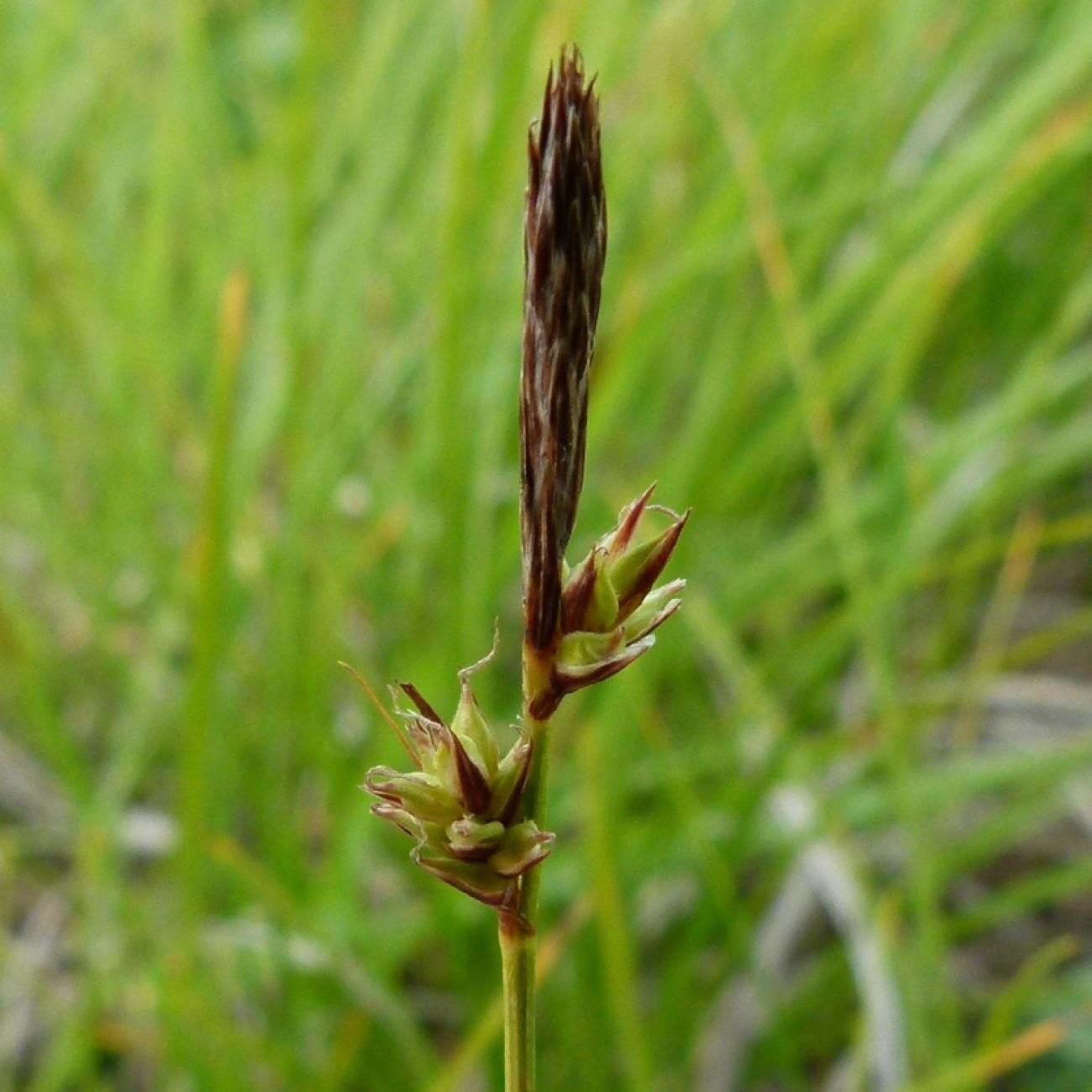
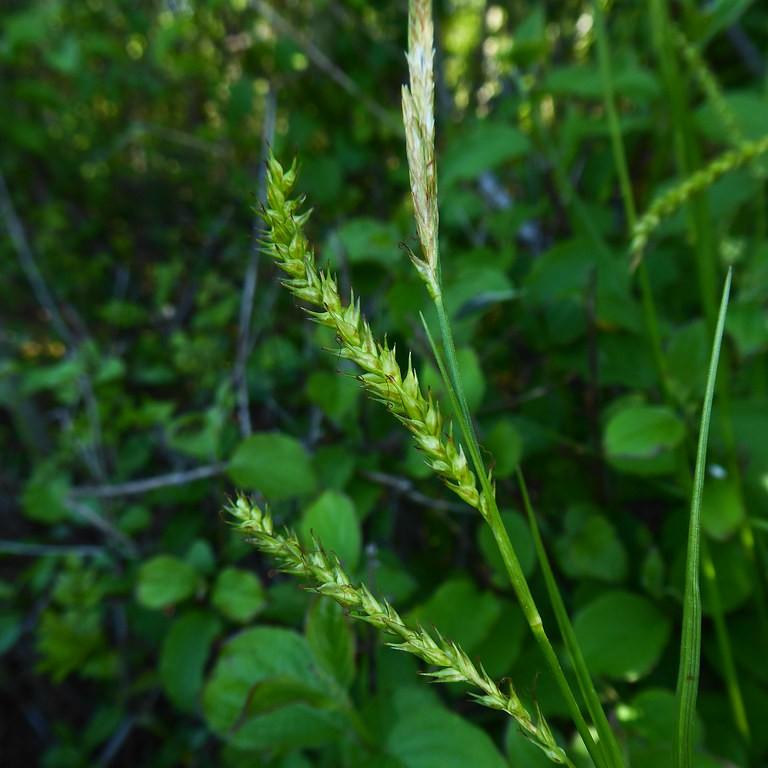
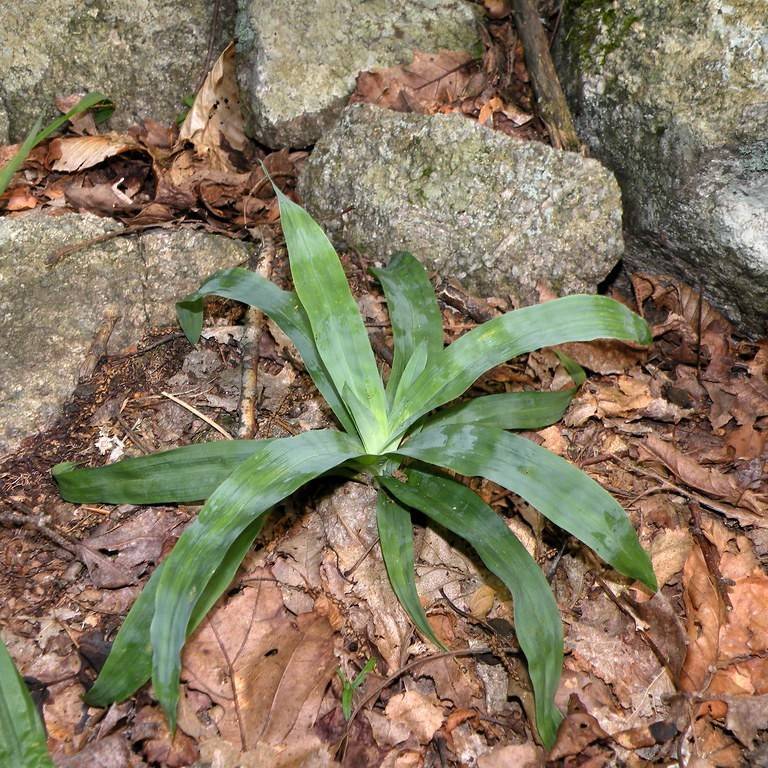
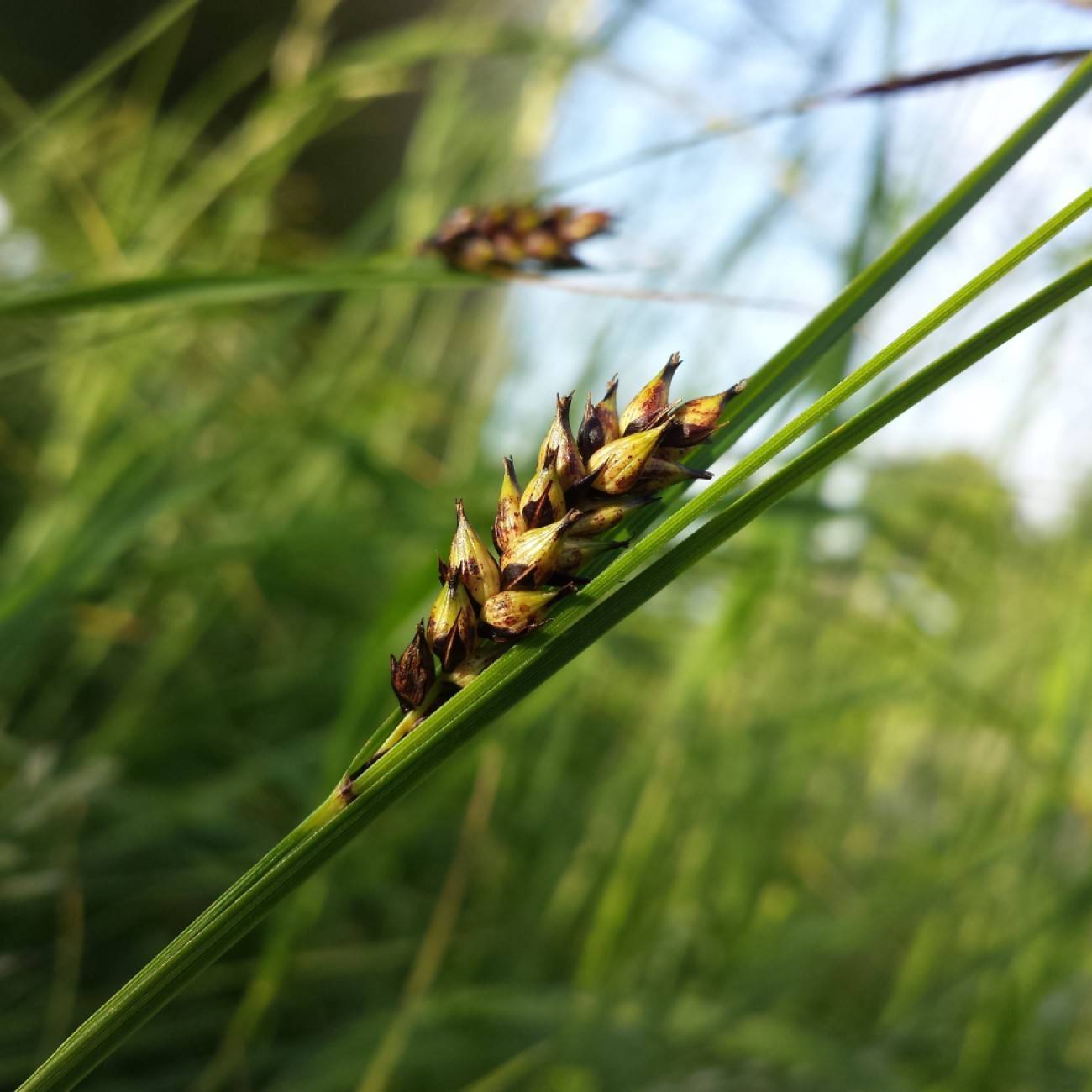
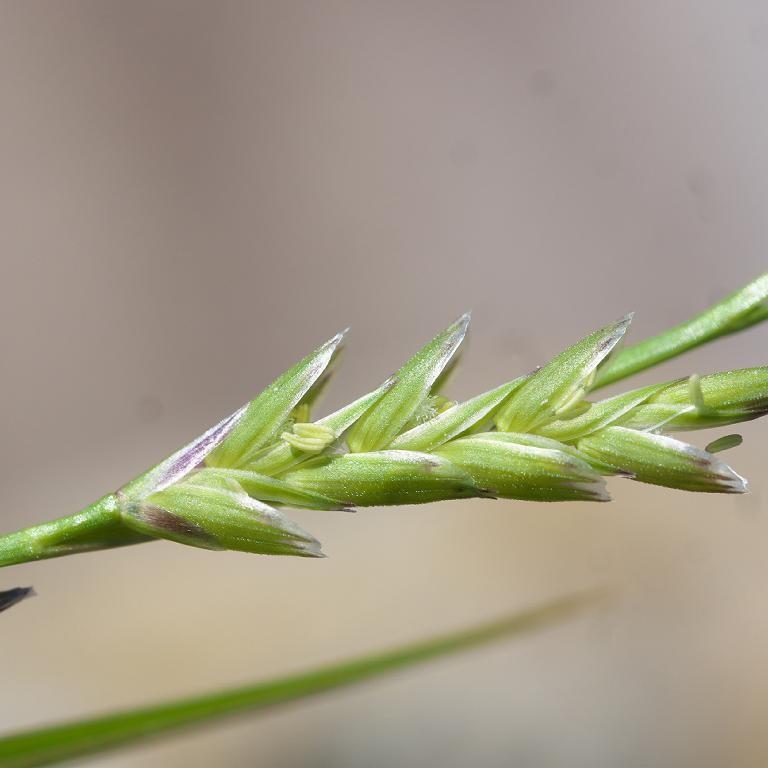
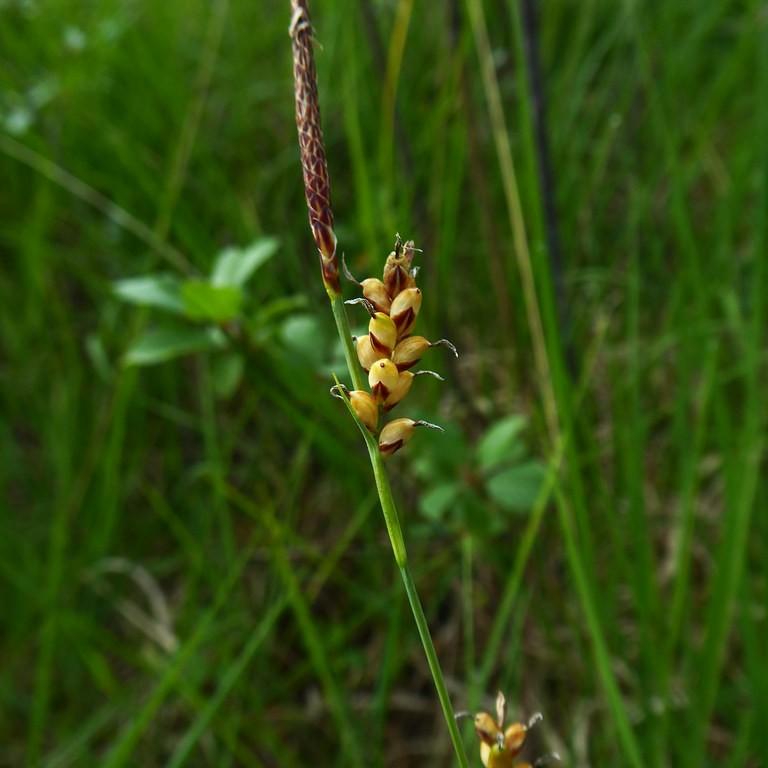
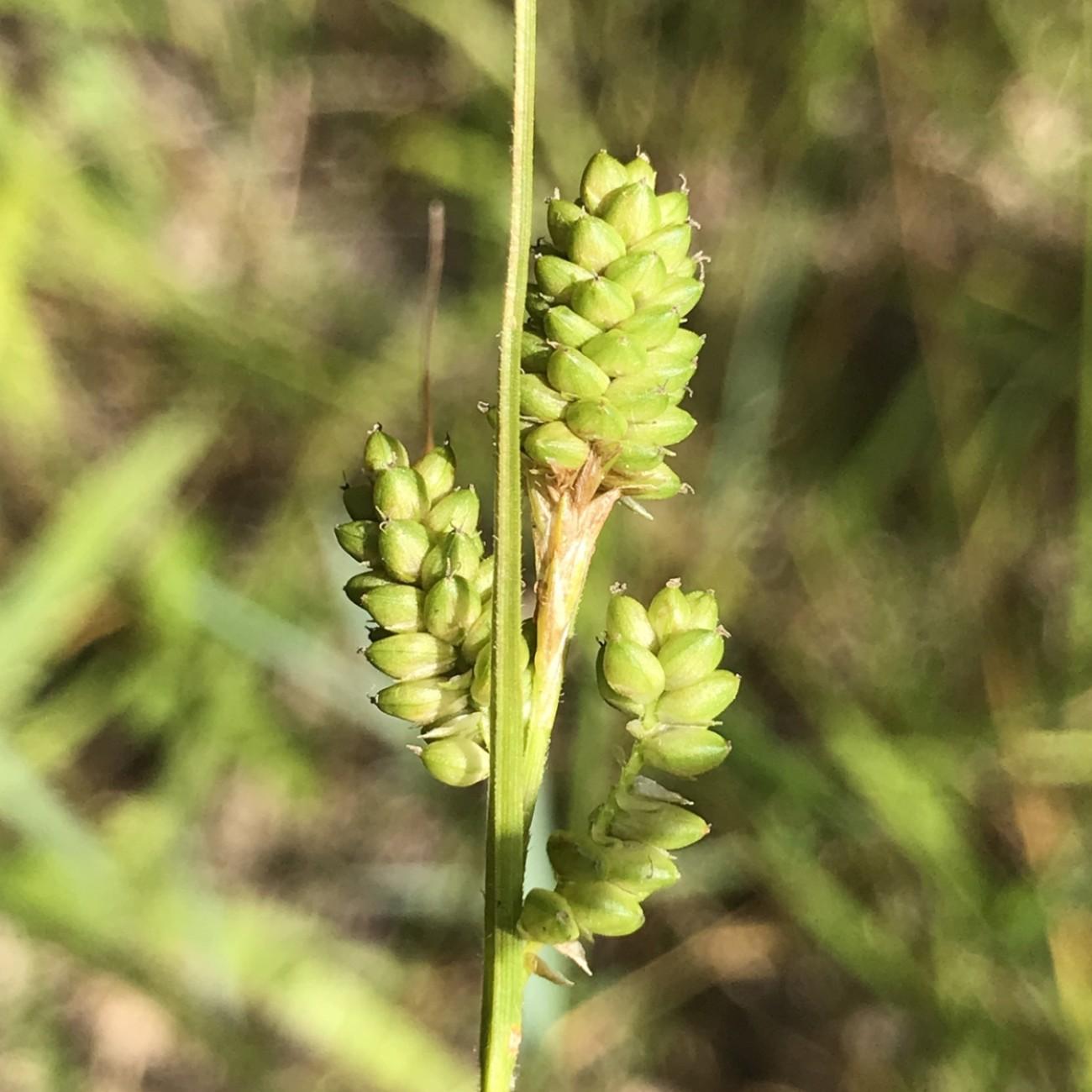
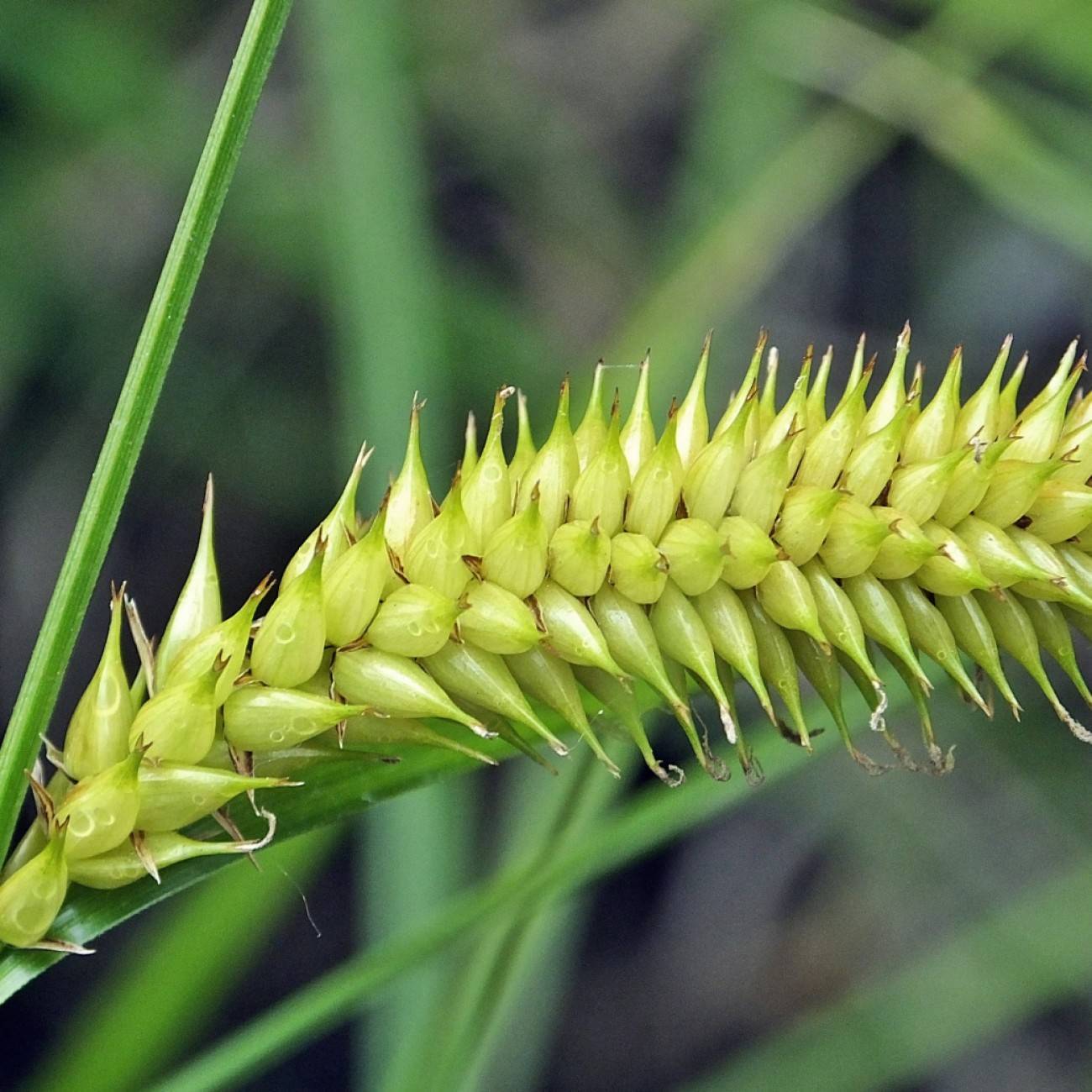
Hybrid sedge is a group of interspecific Carex crosses bred for improved ornamental traits, including variegated foliage, consistent clumping growth, and tolerance for a wider range of growing conditions than wild sedge species. Most varieties form dense, mound-shaped tufts of narrow, arching leaves that stay green from early spring through late fall, with some retaining mild evergreen color in mild winter climates. Though rarely grown for its small, insignificant brown flower spikes, its foliage provides soft texture that contrasts well with broad-leaved perennials in garden beds.
Care Guide
Watering
Hybrid sedge prefers consistently moist, even damp soil, and tolerates periodic standing water better than most ornamental grasses; water regularly to prevent the soil from drying out completely, especially during hot, dry summer spells. Established plants have mild drought tolerance, but prolonged dryness will cause leaf tips to brown and growth to slow. Avoid overwatering in poorly drained containers, as this can lead to root rot in potted specimens.
Light
Most hybrid sedge varieties thrive in partial to full shade, making them ideal for understory plantings or north-facing garden spots. They can tolerate full sun only if planted in consistently wet soil, as direct sun in dry conditions will scorch leaf edges and stunt growth. Variegated cultivars retain their bright leaf markings best in bright, indirect light, rather than deep full shade.
Soil
Hybrid sedge adapts to a wide range of soil types, including clay, loam, and sandy soil, as long as the medium holds consistent moisture. It prefers slightly acidic to neutral soil pH, between 5.5 and 7.0, and tolerates poorly drained, wet soil that would cause root rot in many other ornamental plants. For container growth, use a rich, peat-based potting mix with added perlite to improve moderate drainage while retaining moisture.
Fertilizer
Hybrid sedge is a light feeder that rarely requires heavy fertilization; a single application of balanced, slow-release 10-10-10 fertilizer in early spring as new growth emerges is sufficient for the full growing season. Avoid high-nitrogen fertilizers, as these can cause overly leggy growth that disrupts the plant’s neat clumping form. Potted specimens may benefit from a half-strength liquid fertilizer application once in mid-summer if growth appears stunted.
Temperature
Hybrid sedge is hardy in USDA zones 4 through 9, tolerating winter lows as low as -30°F (-34°C) without protection when planted in the ground. It prefers cool to moderate summer temperatures between 60°F and 75°F (15°C to 24°C), and may go semi-dormant during extended periods of heat above 90°F (32°C). In regions with very hot summers, plant hybrid sedge in full shade to prevent heat stress.
Pruning
Prune hybrid sedge once annually in late winter or very early spring, before new growth emerges, cutting back all old foliage to 2-3 inches above the soil line to make room for fresh, healthy leaves. Remove any brown, dead leaf blades or spent flower stalks throughout the growing season as needed to keep the clump looking neat. Avoid heavy pruning after mid-fall, as this can leave the plant vulnerable to winter damage.
Propagation
The most reliable method of propagating hybrid sedge is division, done in early spring just as new growth starts or in early fall before the first frost, as hybrid cultivars do not grow true from seed. Dig up the entire clump, gently separate the root mass into smaller sections with at least 3-5 healthy leaf shoots each, and replant the divisions immediately at the same depth they were growing originally. Water new divisions thoroughly for the first 2-3 weeks until they establish new root systems.
Humidity
Hybrid sedge adapts well to average ambient humidity levels between 40% and 70%, which are typical of its native temperate habitat. It tolerates higher humidity in wetland or rain garden plantings without issue, and rarely suffers from low humidity stress even in drier inland regions, as long as its soil moisture needs are met. Potted indoor specimens may benefit from occasional misting if placed near dry heating vents in winter, to prevent leaf tip browning.
Repotting
Potted hybrid sedge should be repotted every 2-3 years in early spring, before new growth begins, to refresh the potting mix and prevent the root system from becoming root-bound. Choose a container that is 1-2 inches larger in diameter than the current pot, with drainage holes to prevent excess water buildup at the root zone. After repotting, water thoroughly and place the plant in partial shade for 1 week to reduce transplant shock.
Uses & Symbolism
Hybrid sedge is widely used as a low-maintenance ground cover in shaded garden beds, rain gardens, and along pond edges, where its tolerance for wet soil helps stabilize banks and filter runoff. It is also a popular choice for container plantings on shaded patios, and as a filler plant in mixed perennial borders to add soft, fine texture alongside broad-leaved hostas and ferns. Some low-growing varieties are used as a drought-tolerant, low-mow alternative to traditional lawn grass in shaded yards.
Diseases & Pests
Hybrid sedge is relatively pest and disease resistant, but can be susceptible to aphid and spider mite infestations during hot, dry spells, which suck sap from leaf blades and cause yellowing or stippling. Overly wet, poorly drained soil can lead to root rot or fungal leaf spot diseases, which appear as small brown lesions on foliage. Rust may also occur in very humid conditions, forming orange powdery spots on the undersides of leaves, which can be treated with a copper-based fungicide if severe.
Related plants
Other plants you might like if you grow Hybrid Sedge.