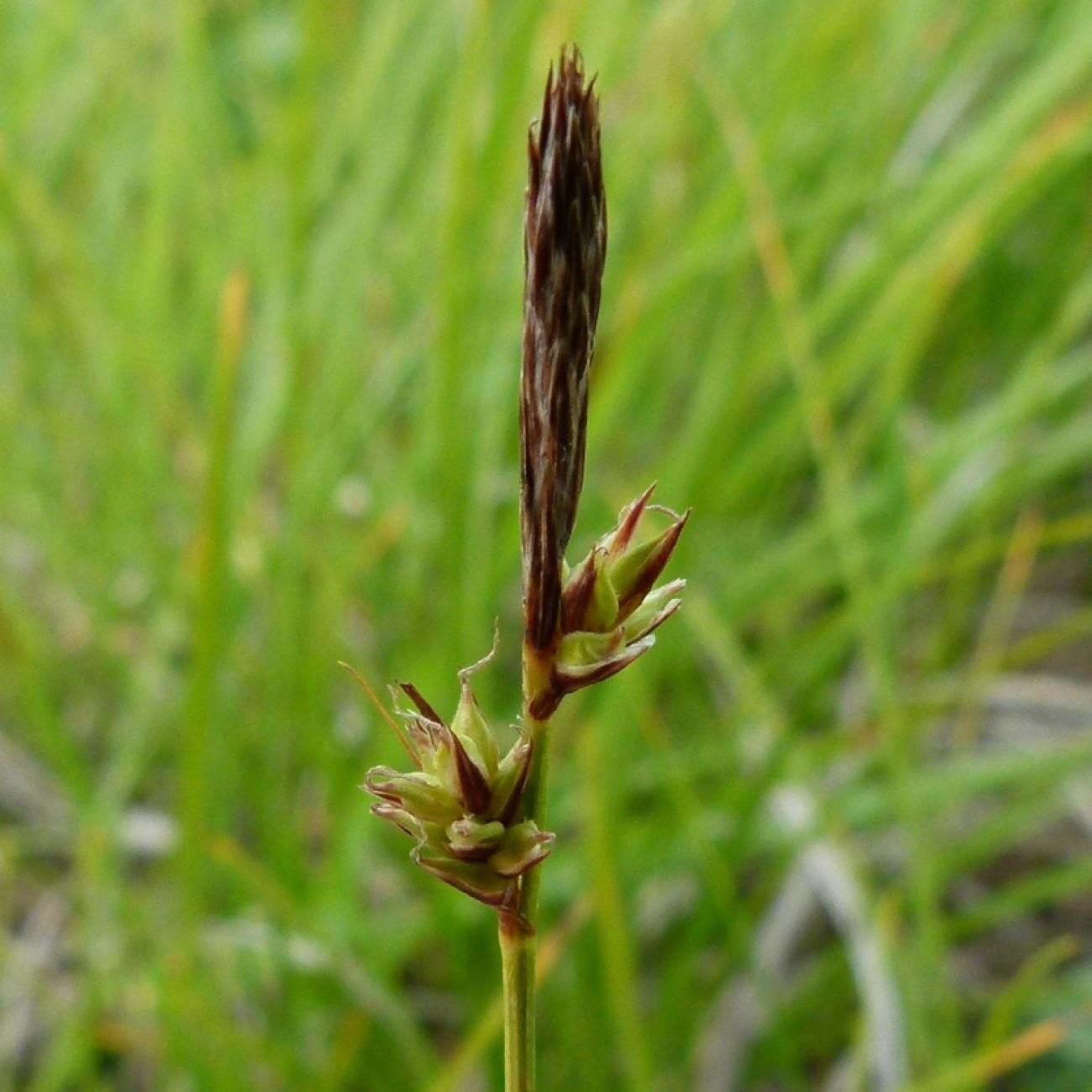
Forest Sedge
Carex sylvatica
Overview
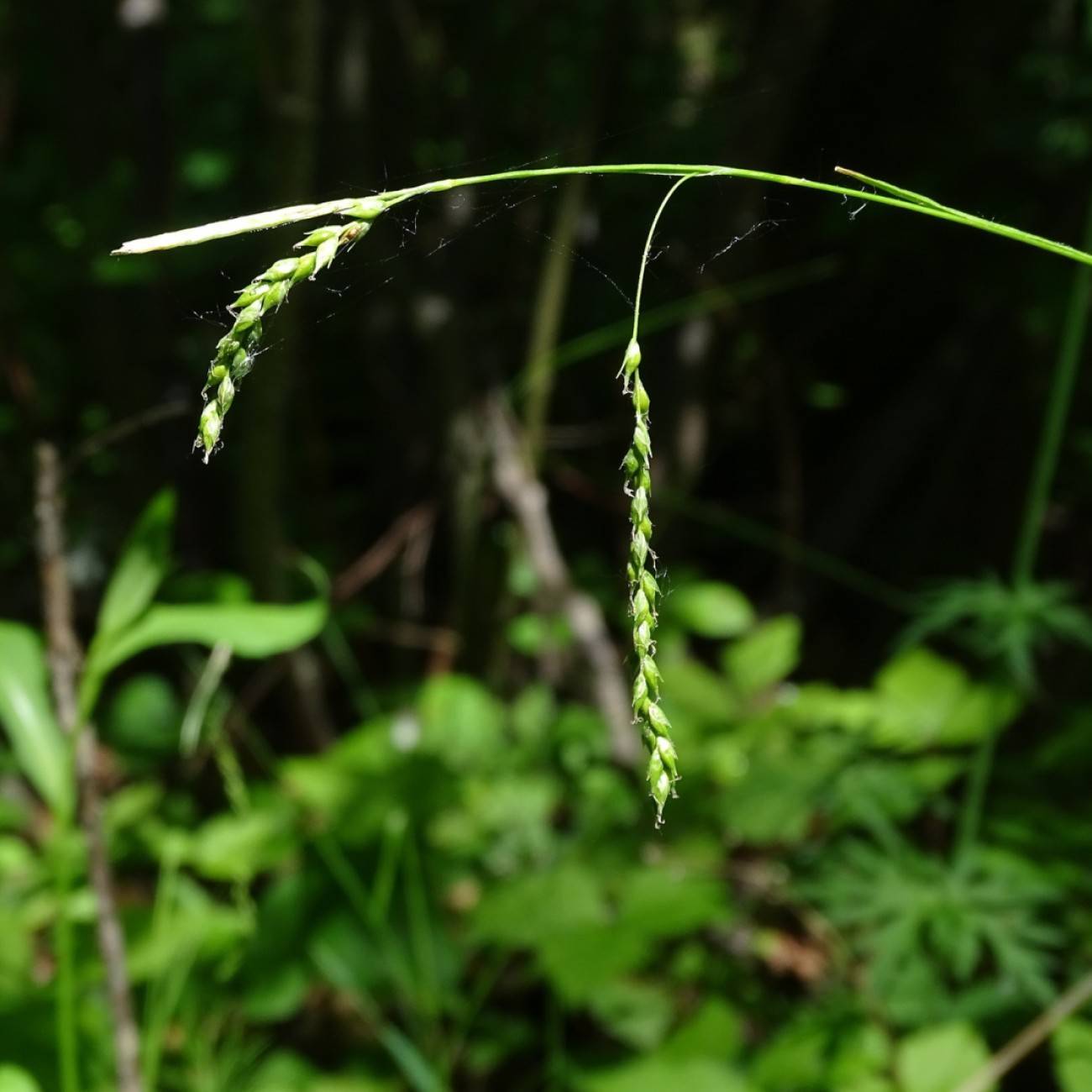
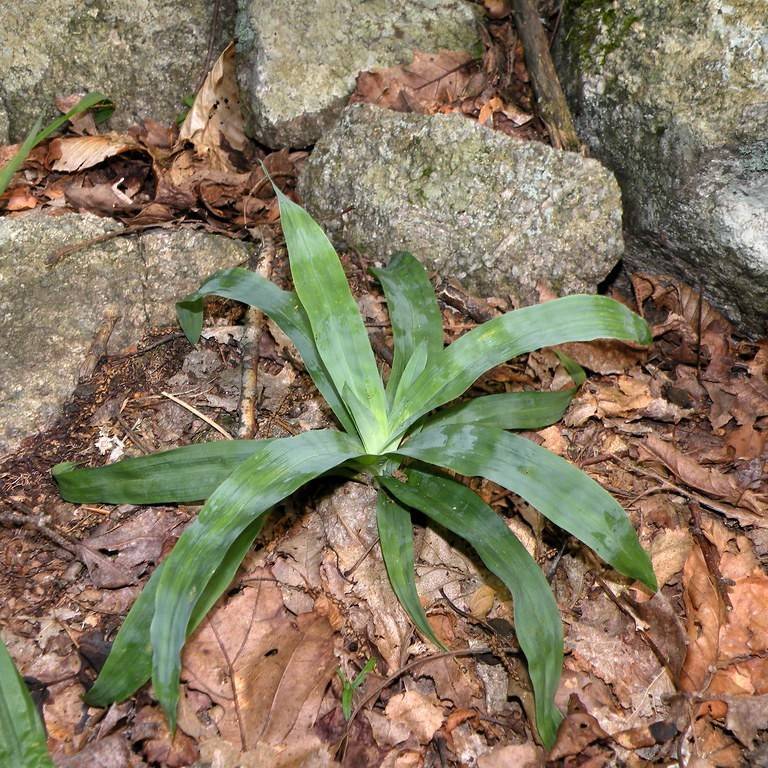
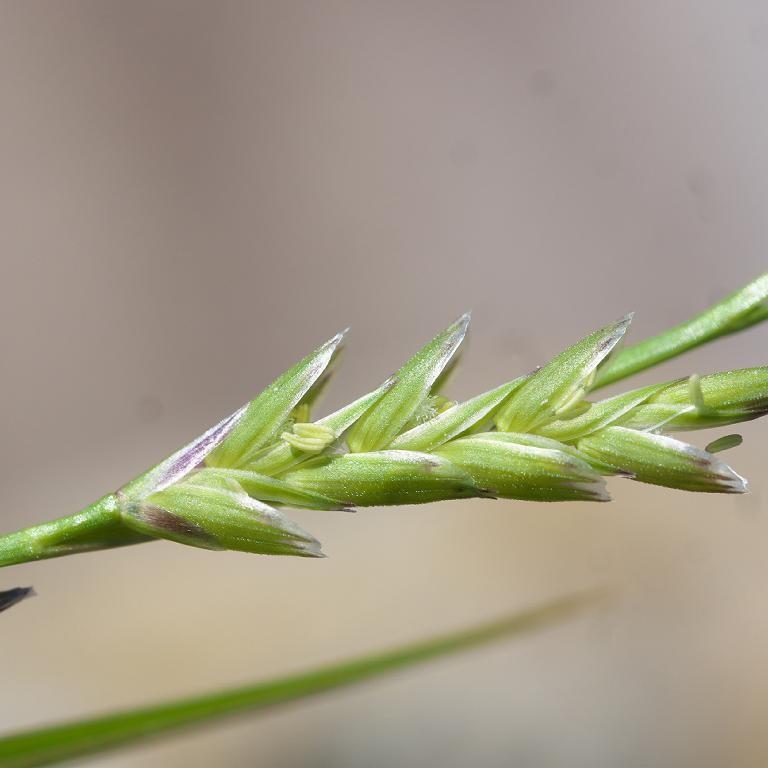
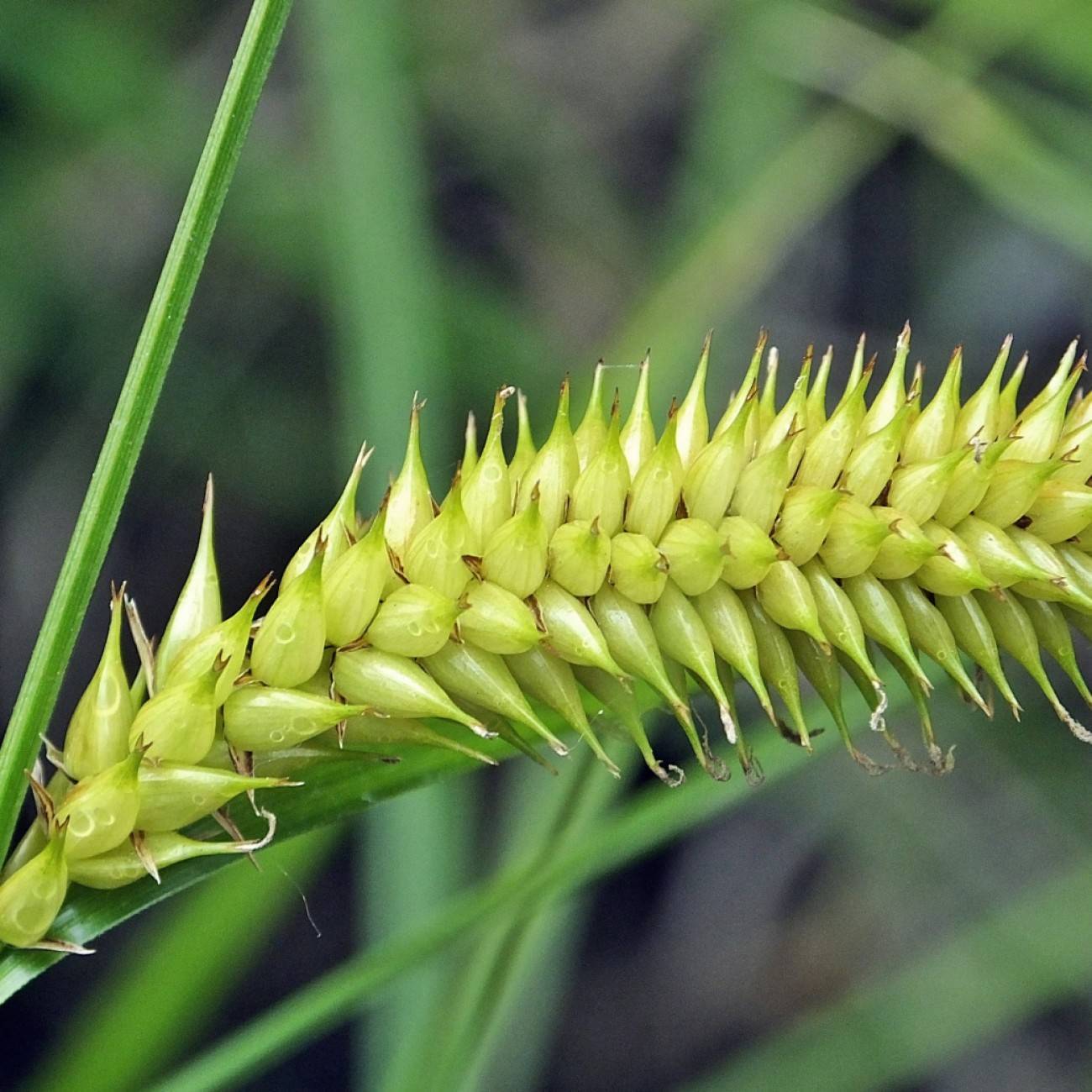
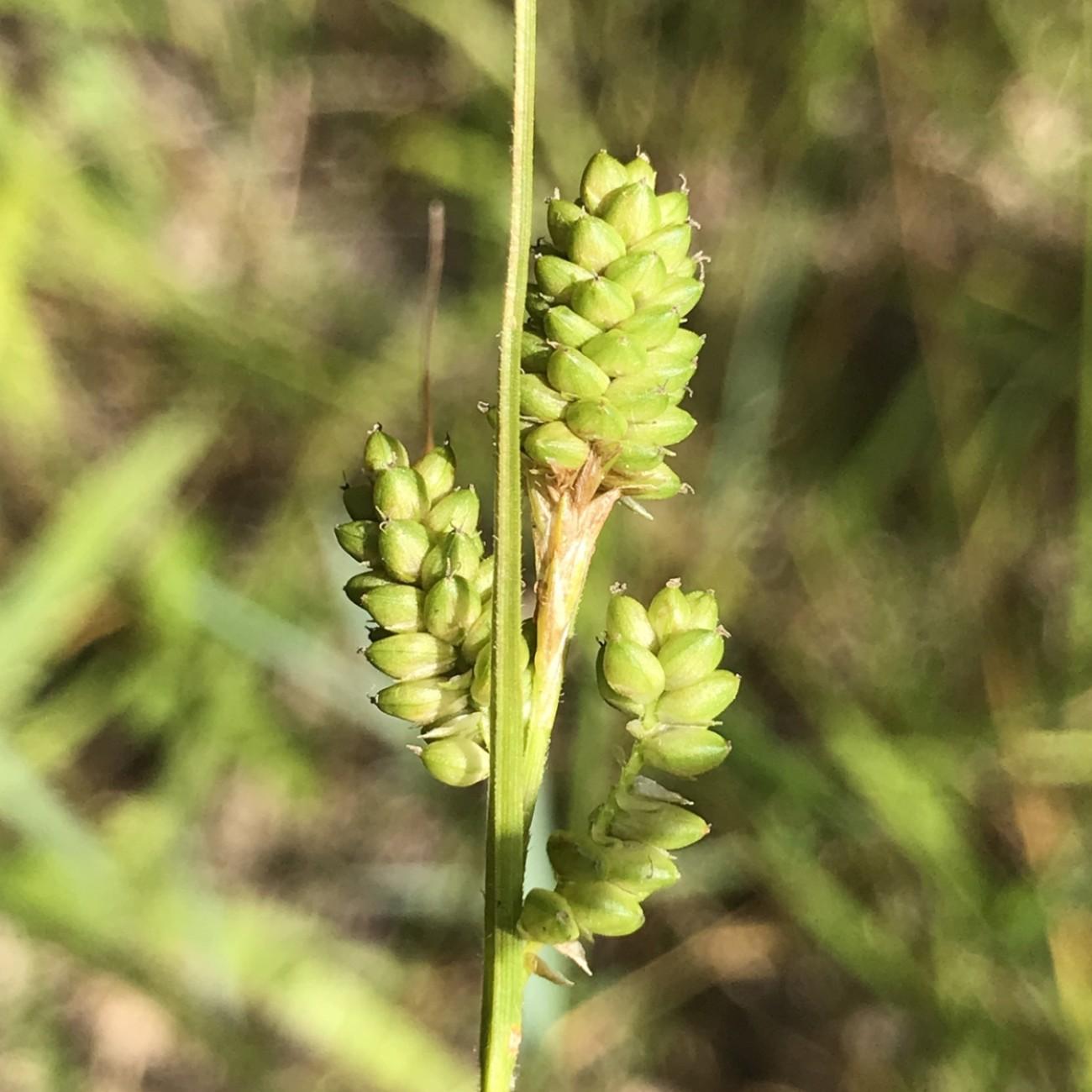
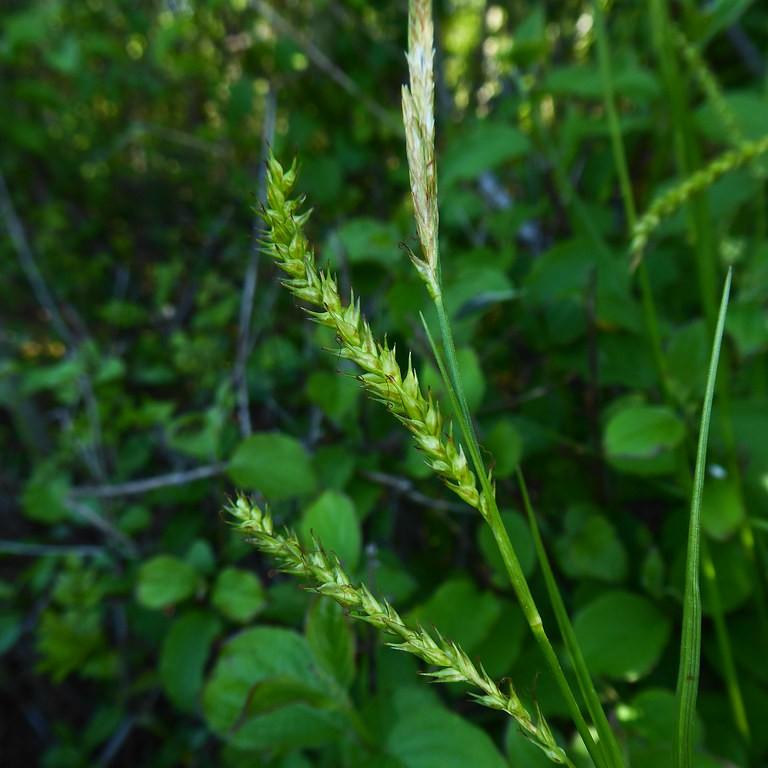
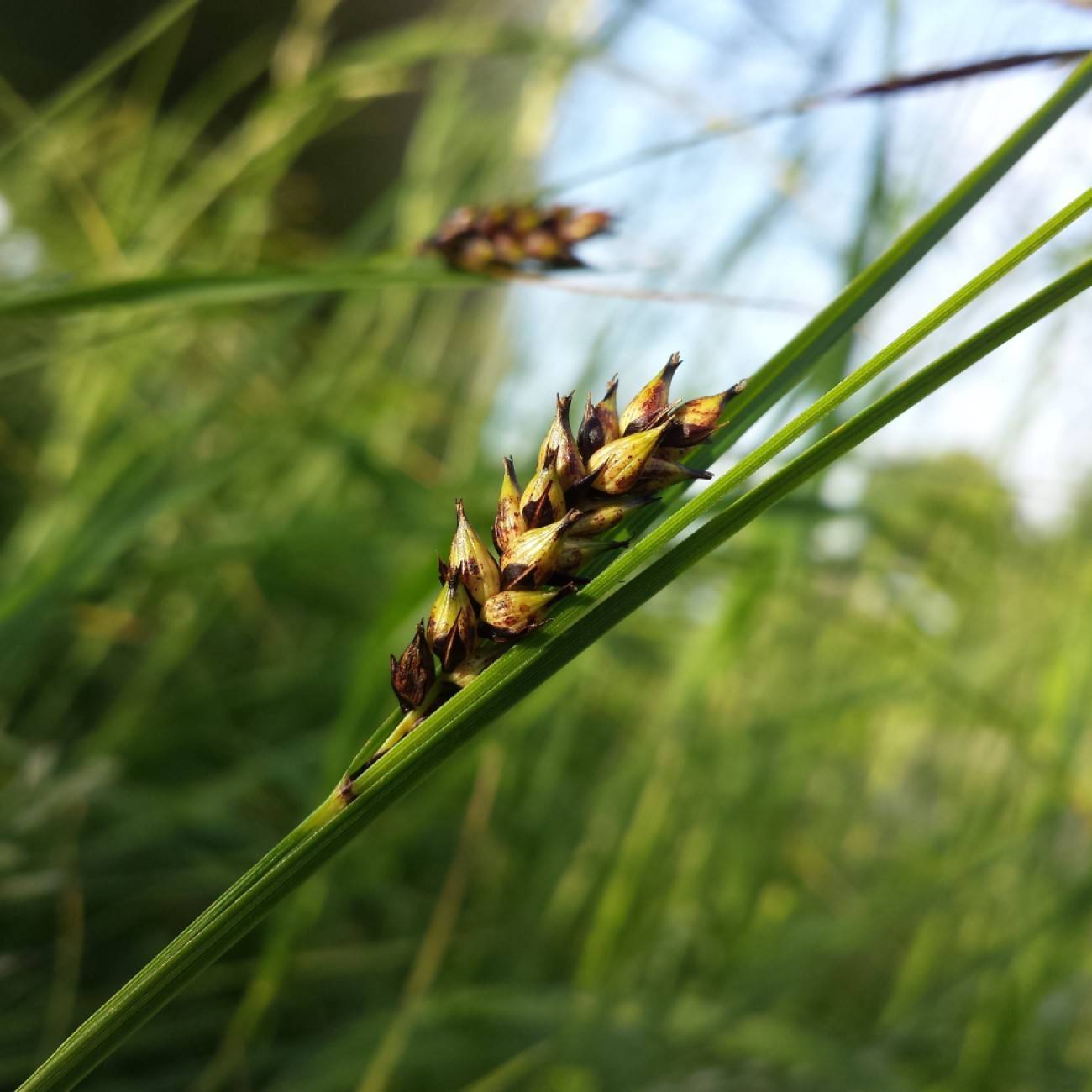
Forest sedge is a low-growing, clump-forming grass-like perennial native to temperate woodland understories. It produces soft, narrow, arching green leaves that form dense mounds, with subtle, inconspicuous brown flower spikes appearing in late spring. Adaptable to low-light, damp conditions, it spreads slowly via short rhizomes without becoming invasive, making it a popular low-maintenance ground cover for shaded landscapes.
Care Guide
Watering
Forest sedge prefers consistently moist, well-drained soil, and should be watered regularly to keep the root zone evenly damp, especially during periods of drought. Avoid overwatering or waterlogged conditions, which can cause root rot, and reduce watering frequency during the cooler winter months when growth slows.
Light
Thrives in partial to full shade, mimicking its natural woodland understory habitat, and can tolerate deep shade where many other ground covers fail to grow. Avoid exposing it to direct, intense midday sunlight, which can scorch its delicate foliage and cause browning at the leaf tips.
Soil
Adaptable to a wide range of soil types, including loam, clay, and sandy soils, as long as they retain moisture and drain well. It prefers slightly acidic to neutral pH levels, and benefits from amending planting sites with organic matter such as leaf mold or compost to mimic its native forest floor environment.
Fertilizer
Forest sedge has low nutrient requirements and typically does not need regular fertilization when grown in organically rich soil. A light application of balanced, slow-release granular fertilizer in early spring can support healthy growth if planted in poor, low-nutrient soil, but over-fertilization will cause lanky, sparse foliage.
Temperature
Hardy in USDA zones 4 to 8, tolerating winter temperatures as low as -30°F (-34°C) and thriving in cool, temperate climates. It prefers mild summer temperatures between 60-75°F (15-24°C), and may go dormant or show foliage stress if exposed to prolonged heat above 90°F (32°C) without adequate shade and moisture.
Pruning
Little pruning is required; simply trim back any brown, damaged, or dead foliage in early spring before new growth emerges to keep clumps looking neat. If clumps become too large or untidy after several years, you can cut the entire plant back to 2-3 inches (5-8 cm) above the soil line in late winter to encourage fresh, dense growth.
Propagation
Most easily propagated by division in early spring or late fall, when you can dig up mature clumps, split them into smaller sections with intact roots and foliage, and replant immediately at the same depth. It can also be grown from seed sown directly outdoors in fall, though seed-grown plants take 2-3 years to reach mature clump size.
Humidity
Adaptable to average ambient humidity levels between 40-60%, which is typical of its native temperate woodland habitats. It does not require extra humidity when grown outdoors, and only needs occasional misting if grown as an indoor houseplant in very dry, heated environments.
Repotting
When grown in containers, forest sedge should be repotted every 2-3 years in early spring, moving it to a slightly larger pot with fresh, organically rich potting mix. Ensure the container has adequate drainage holes to prevent waterlogging, and gently loosen tangled roots before repotting to encourage healthy new growth.
Uses & Symbolism
Forest sedge is primarily used as a low-maintenance ground cover for shaded garden areas, woodland edges, and rain gardens, where it helps prevent soil erosion and suppresses weed growth. It is also a popular choice for native plant and wildlife gardens, as its dense foliage provides shelter for small invertebrates and its seeds are a food source for songbirds and small mammals. Its compact, clumping habit makes it suitable for container planting on shaded patios or as a low edging plant for shaded walkways.
Diseases & Pests
Forest sedge is relatively pest and disease resistant, though it can occasionally be affected by rust fungus, which causes orange or brown spots on foliage, especially in overly humid, poorly ventilated conditions. Aphids and spider mites may infest stressed plants, particularly when grown indoors or in very dry conditions, and can be controlled with insecticidal soap or a strong jet of water. Root rot can occur if plants are grown in waterlogged, poorly drained soil, so proper site selection and moderate watering are key to preventing this issue.
Related plants
Other plants you might like if you grow Forest Sedge.