Hirsute Sedge
Carex hirta
Overview
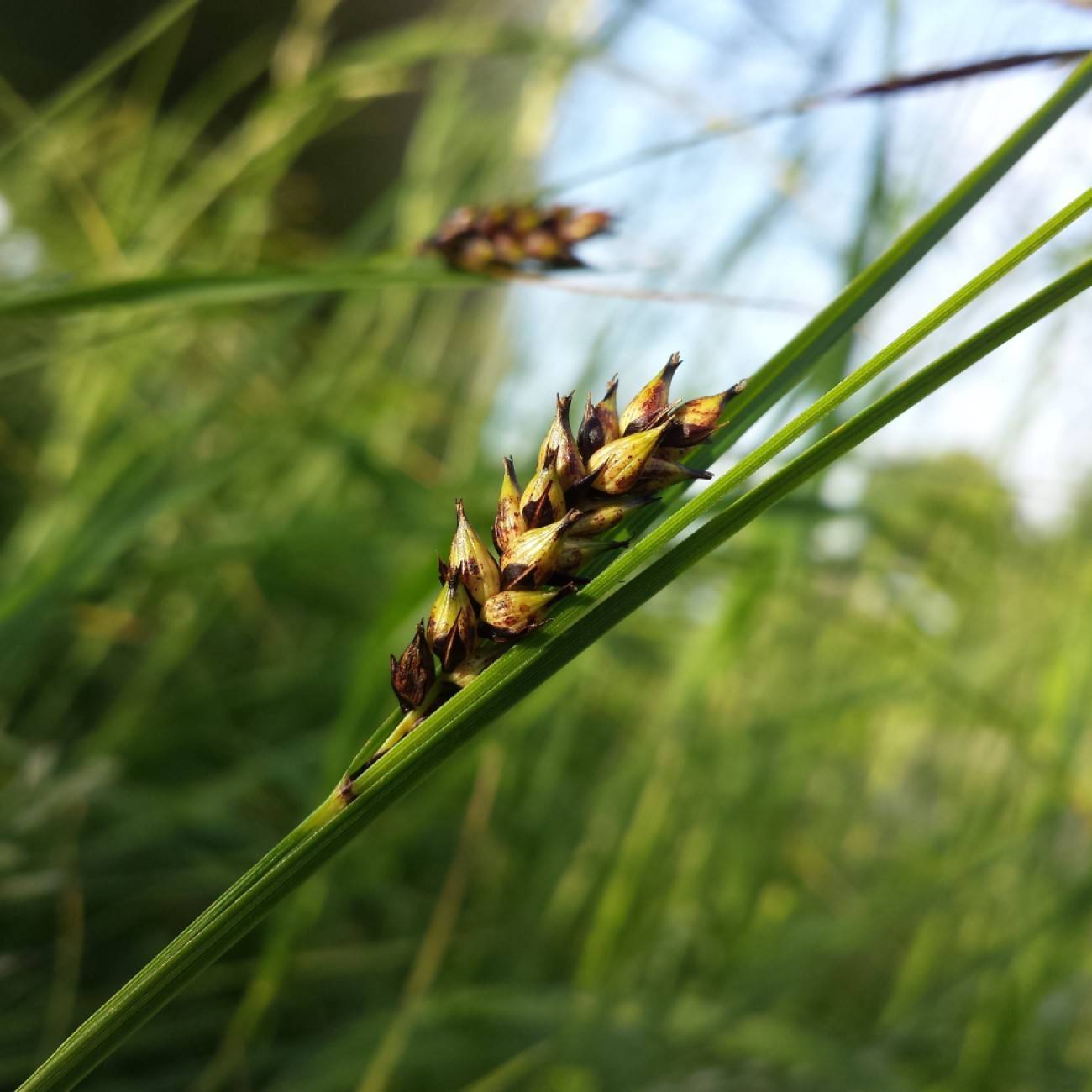
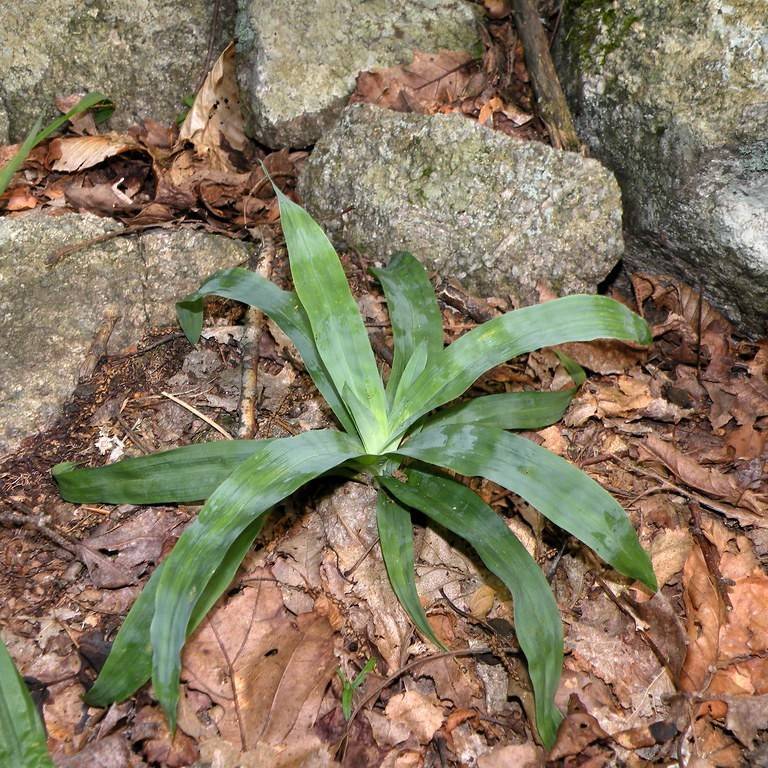
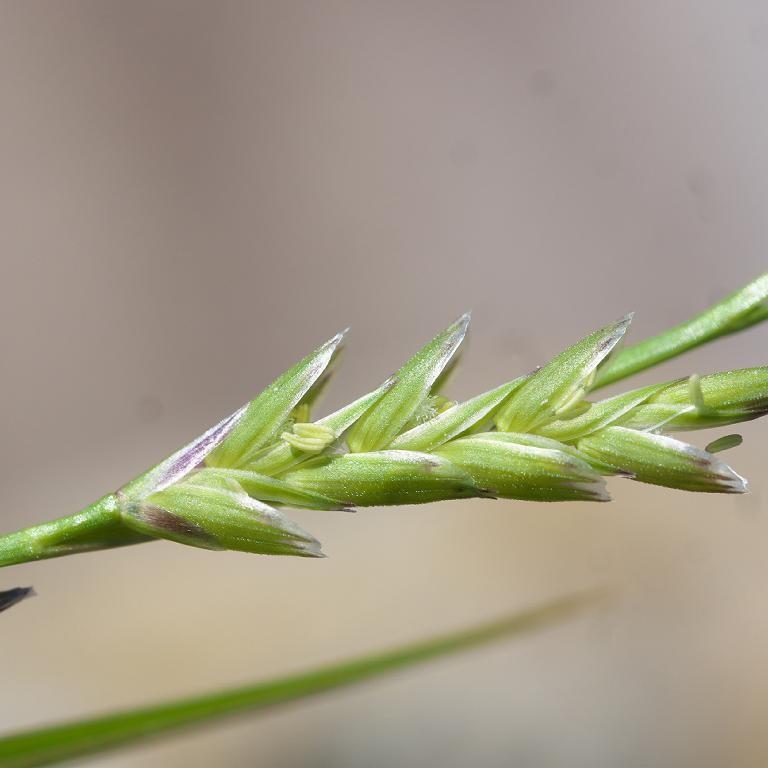
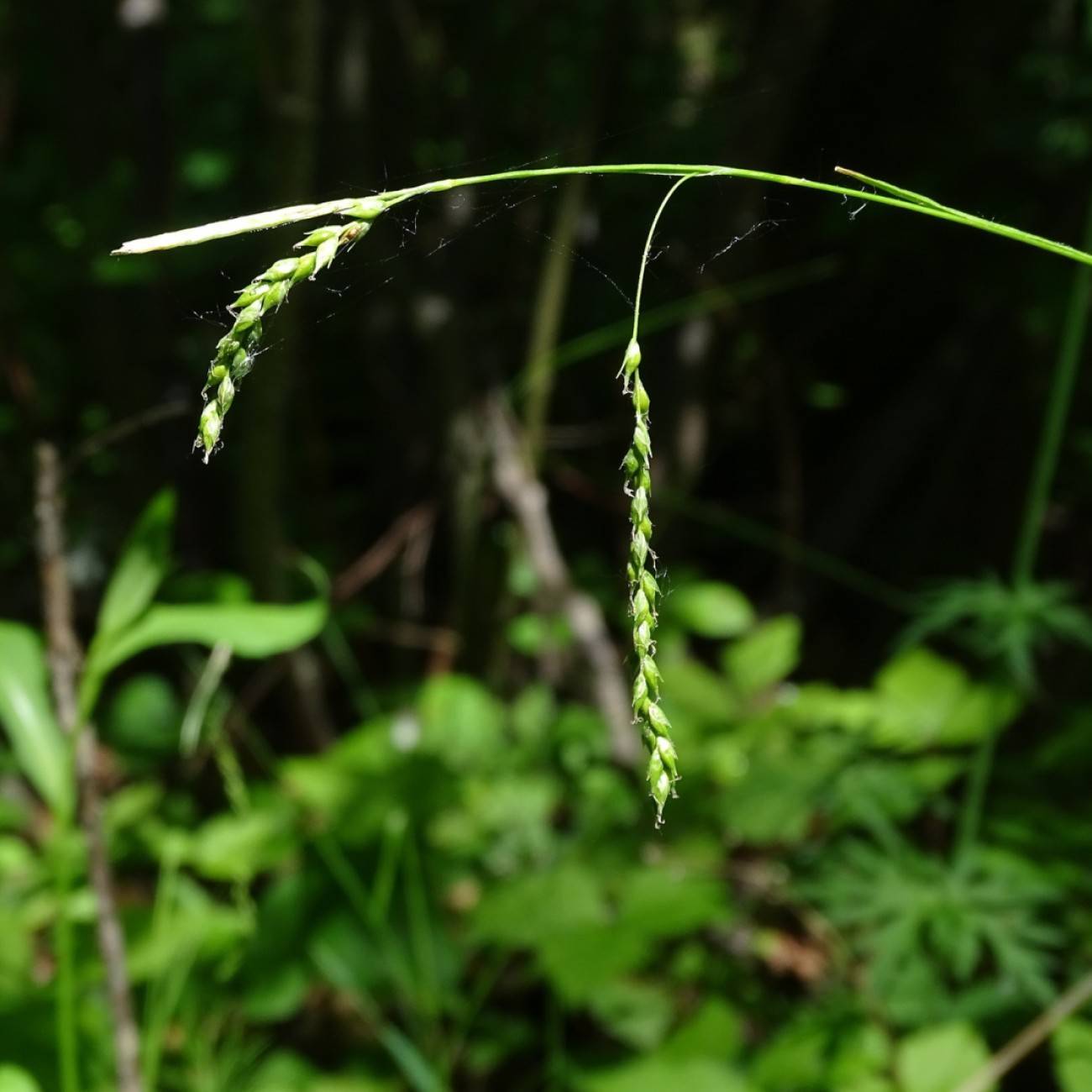
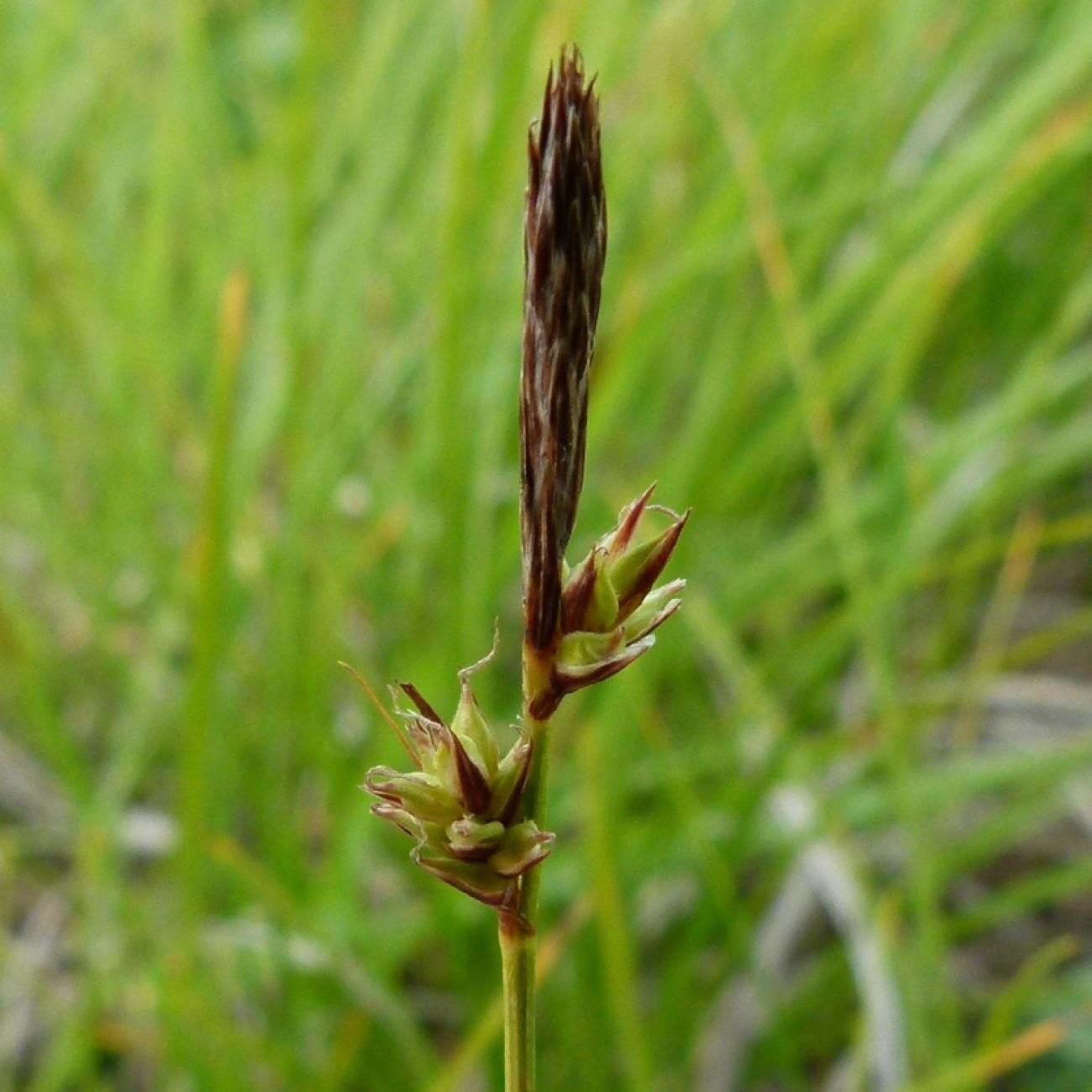
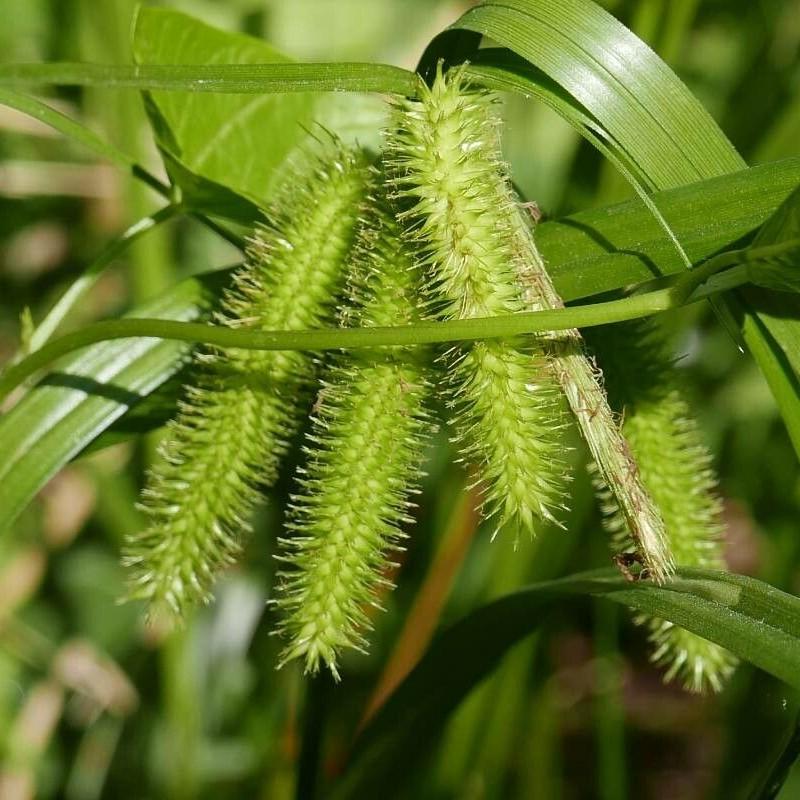
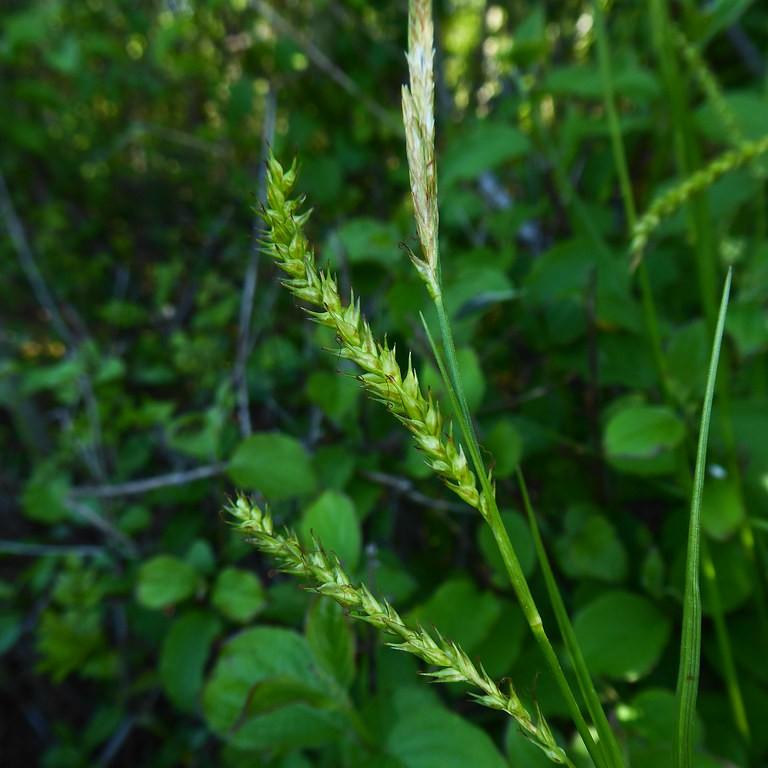
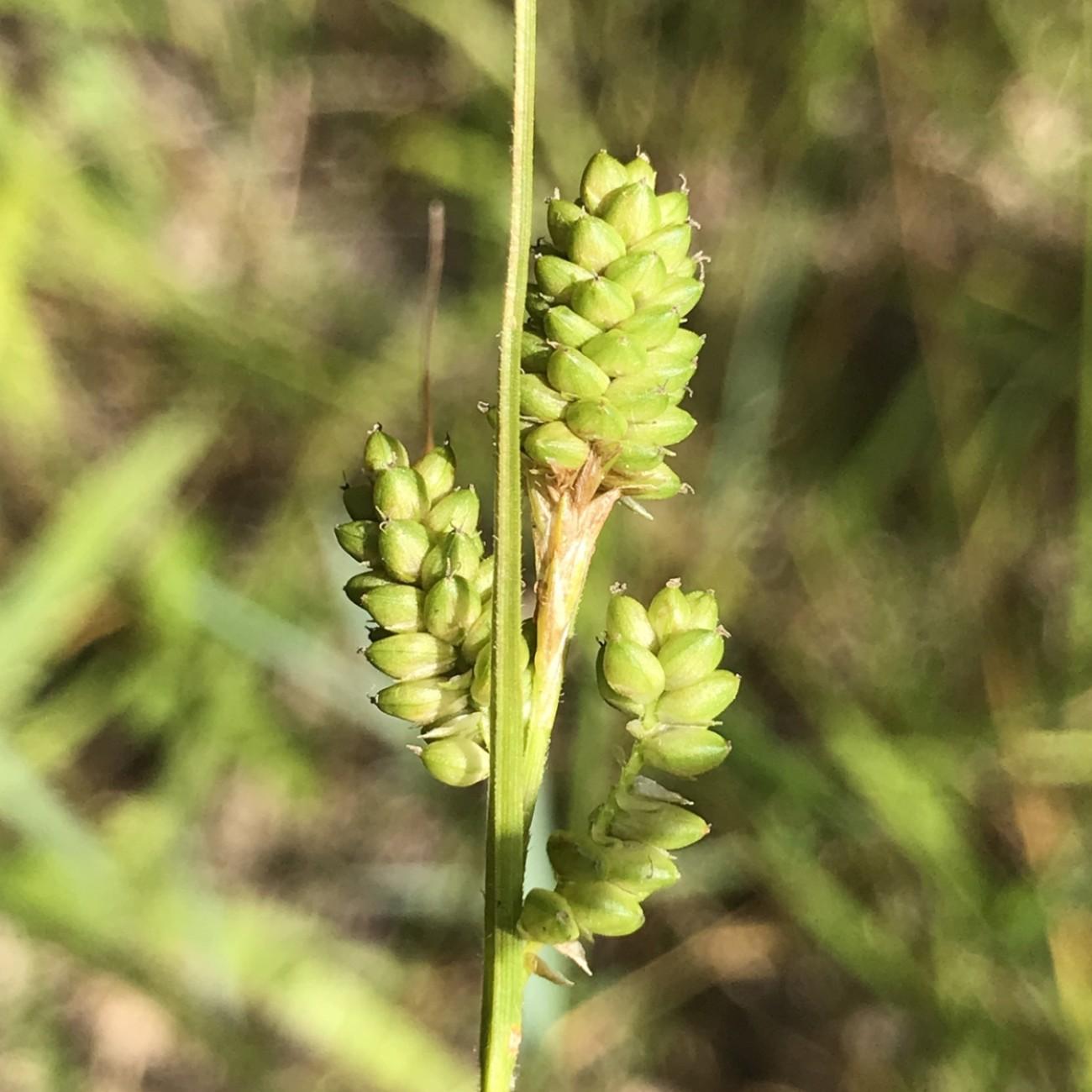
Hirsute Sedge, distinguished by its soft, hair-covered stems and leaves, forms dense tufts that spread slowly via short rhizomes. It produces inconspicuous greenish-brown spikelets in late spring to early summer, with male and female flowers borne on separate spikes. This adaptable sedge thrives in a range of damp conditions, making it a valuable addition to rain gardens, wildlife habitats, and naturalized landscape areas.
Care Guide
Watering
Hirsute Sedge prefers consistently moist to wet soil, so water regularly to prevent the growing medium from drying out completely, especially during periods of hot, dry weather. It can tolerate short periods of shallow standing water, making it suitable for the edges of ponds or water features. Reduce watering frequency in winter when growth slows, but never let the soil dry out entirely.
Light
This sedge grows best in full sun to partial shade, with optimal performance in locations that receive 4-6 hours of direct sunlight daily. In hotter climates, it benefits from light afternoon shade to prevent foliage scorching and reduce moisture loss. It can survive in deeper shade, though growth will be sparser and flowering may be reduced.
Soil
Hirsute Sedge adapts to a wide range of soil types, including loam, clay, and sandy soils, as long as they retain moisture well. It tolerates acidic to neutral pH levels, and can even thrive in moderately nutrient-poor soils. For container growth, use a rich, loamy potting mix amended with peat moss or compost to improve moisture retention.
Fertilizer
This low-maintenance plant requires minimal fertilization; a light application of balanced, slow-release fertilizer in early spring is sufficient to support healthy growth for the season. Avoid over-fertilizing, as this can cause overly lush, floppy growth that is more prone to pest issues. If planted in nutrient-rich garden soil, additional fertilization may not be necessary at all.
Temperature
Hirsute Sedge is cold-hardy, tolerating winter temperatures down to USDA zone 4, and can survive light frosts without damage. It grows best in moderate temperatures between 60-75°F (15-24°C), and can withstand short periods of higher heat as long as soil moisture is maintained. In extremely cold climates, a light layer of mulch in late fall will protect the root system through winter.
Pruning
Prune Hirsute Sedge in late winter or early spring, cutting back old, dead foliage to within a few inches of the ground to make way for new, fresh growth. Remove any yellow or damaged leaves throughout the growing season to keep the clump looking tidy and prevent the spread of fungal diseases. If grown as a ground cover, you can trim back overly spreading rhizomes annually to contain its growth to your desired area.
Propagation
Hirsute Sedge is most easily propagated by division in early spring, when new growth is just emerging: dig up mature clumps, separate them into smaller sections with healthy roots and foliage, and replant immediately at the same depth they were growing. It can also be grown from seed, which should be sown directly outdoors in fall or cold-stratified for 6-8 weeks before sowing in spring. Seed-grown plants typically take 1-2 years to reach mature size and begin flowering.
Humidity
This plant tolerates a wide range of humidity levels, from moderate outdoor ambient humidity to higher levels common in wetland or riparian habitats. It has no special humidity requirements when grown outdoors in its preferred zones, and adapts well to average household humidity if grown as a potted houseplant. In extremely dry conditions, occasional misting of the foliage can help prevent leaf tip browning, though it is not required.
Repotting
If grown in containers, repot Hirsute Sedge every 2-3 years in early spring, just before new growth begins. Choose a pot that is 1-2 inches larger in diameter than the current one, with drainage holes to prevent waterlogged soil, though this plant tolerates wet conditions well. Gently loosen the root ball when repotting, and refresh the potting mix with organic matter to boost moisture retention and nutrient levels.
Uses & Symbolism
Hirsute Sedge is widely used in rain gardens, bioswales, and riparian restoration projects to stabilize soil, absorb excess runoff, and provide habitat for small pollinators and beneficial insects. Its soft, clumping growth habit makes it an attractive low ground cover for damp, shaded areas of the landscape where many other plants struggle to thrive. It is also occasionally planted in wildlife gardens, as its seeds provide a food source for small birds and its dense foliage offers shelter for amphibians and small mammals.
Diseases & Pests
Hirsute Sedge is relatively pest and disease resistant, though it can occasionally develop fungal issues such as leaf spot or rust if grown in poorly ventilated, overly saturated conditions for extended periods. Aphids and spider mites may infest stressed plants, especially those grown in hot, dry locations with insufficient moisture. Providing good air circulation around clumps, avoiding overhead watering, and maintaining consistent soil moisture will help prevent most common pest and disease problems.
Related plants
Other plants you might like if you grow Hirsute Sedge.