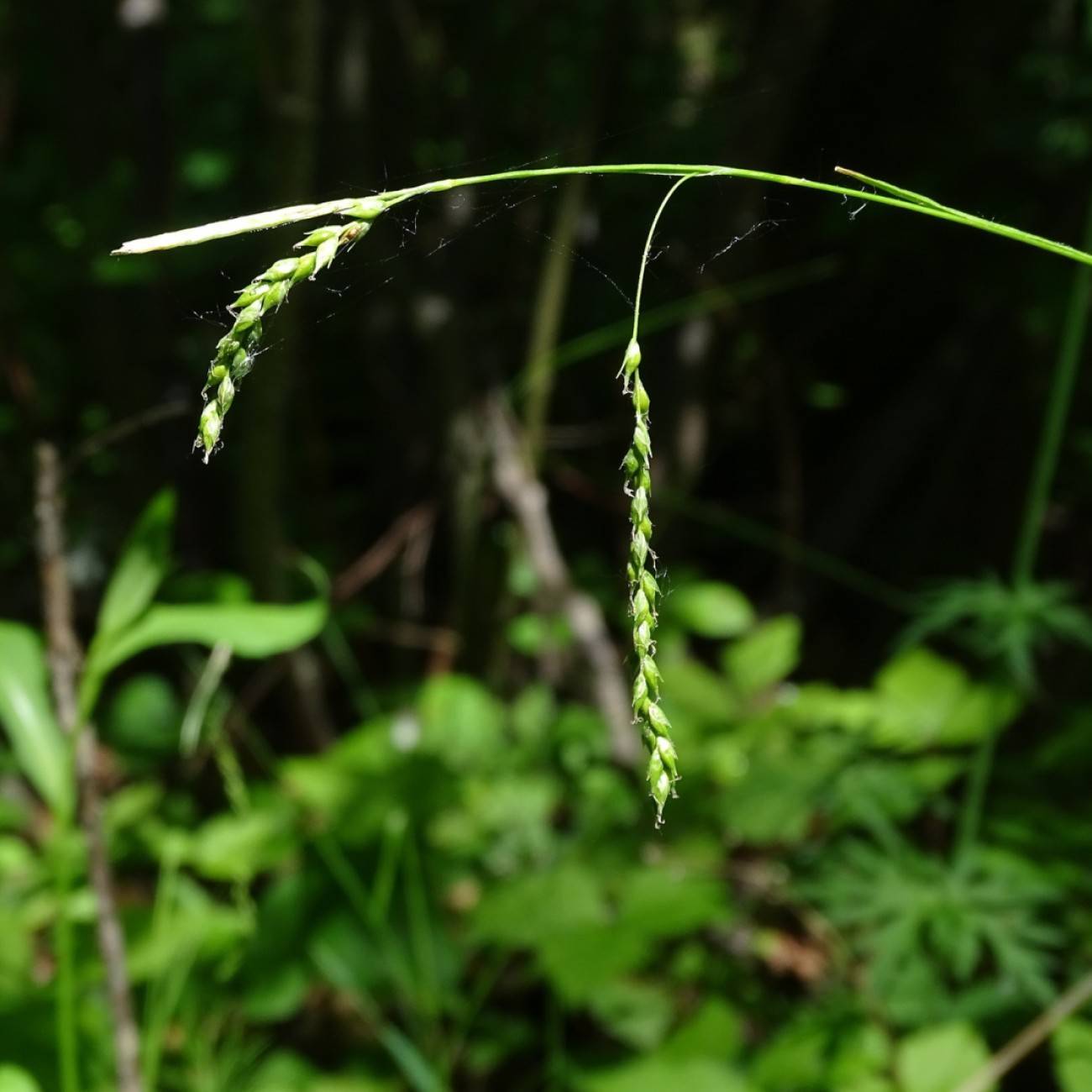
Drooping Wood Sedge
Carex arctata
Overview
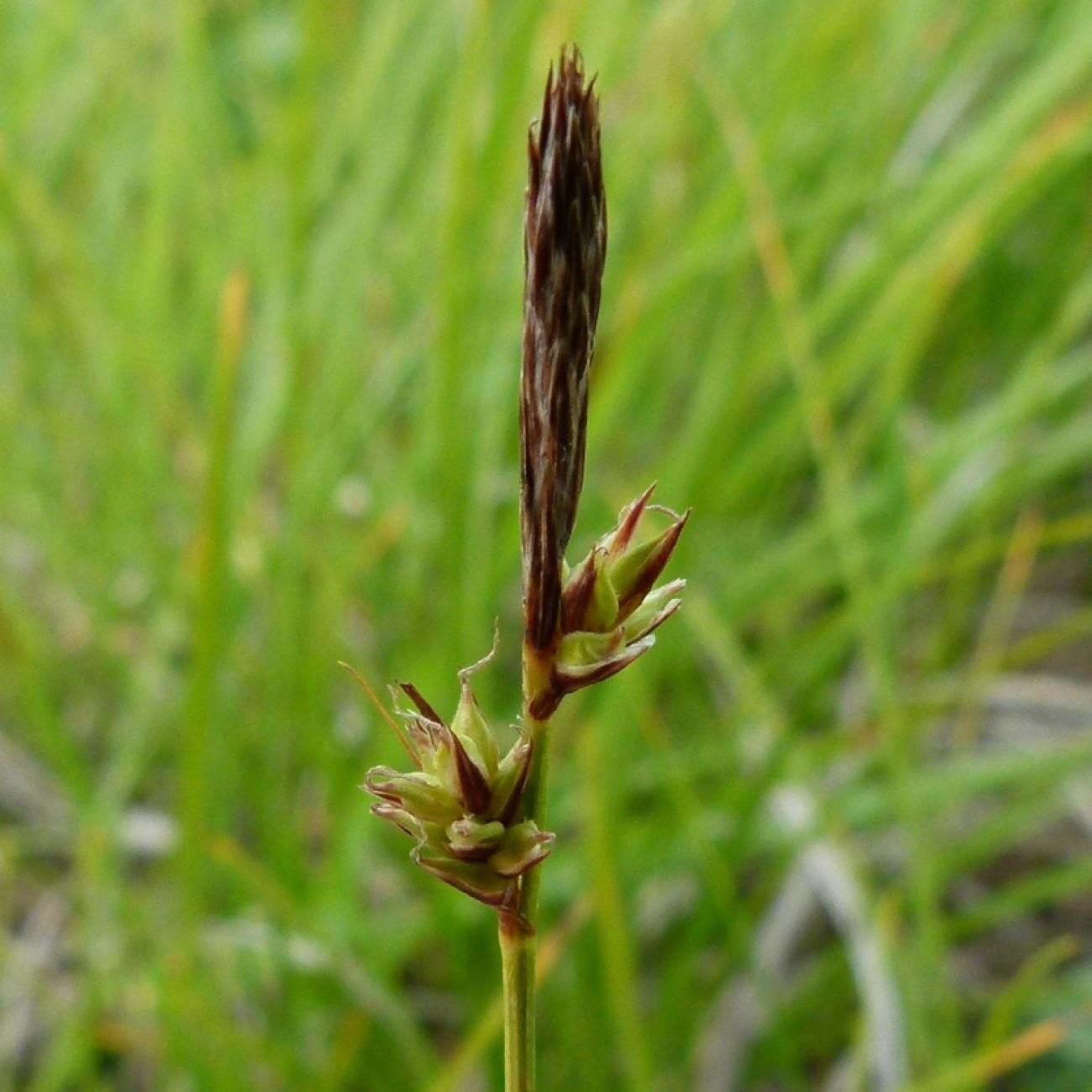
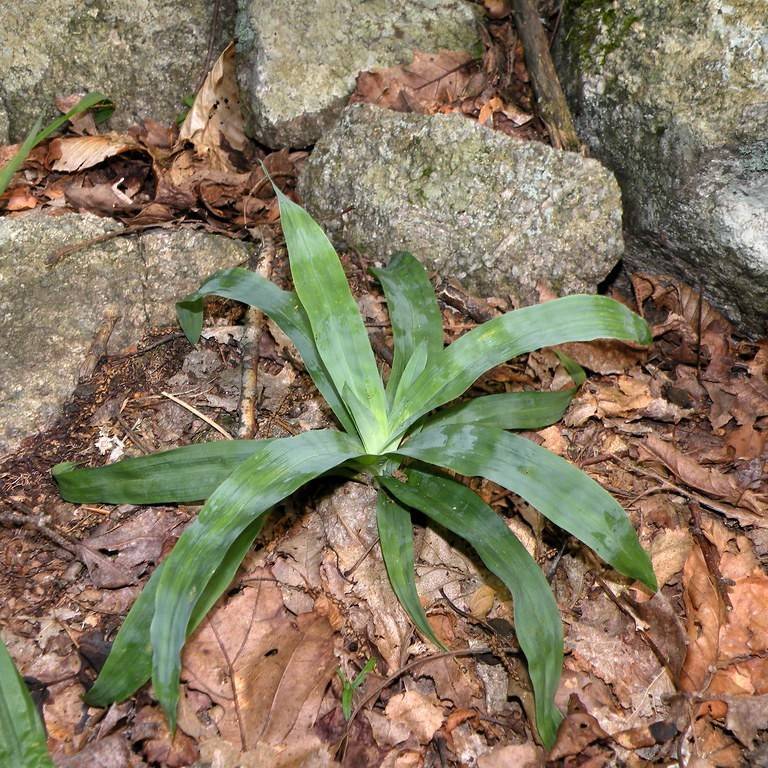
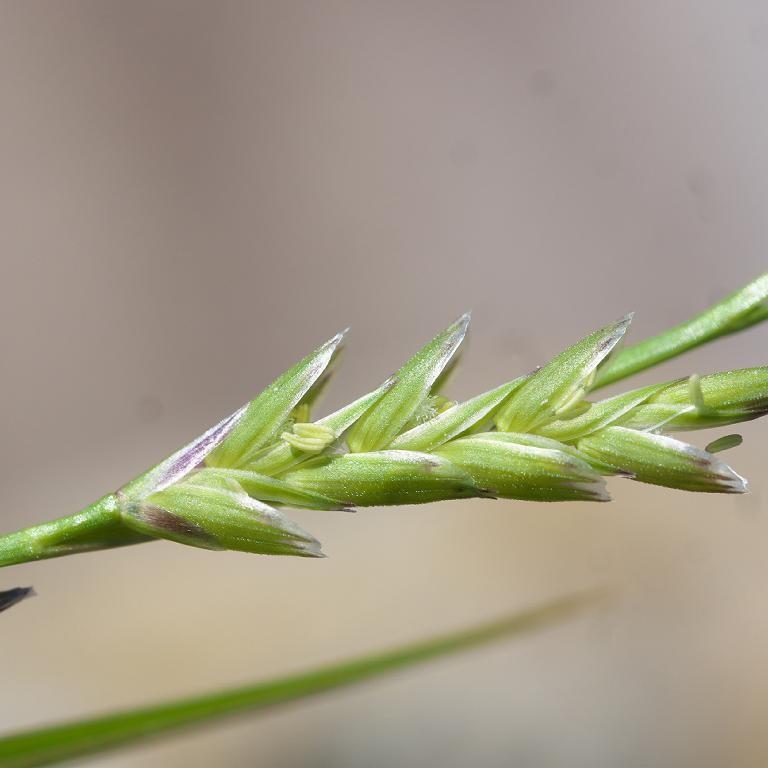
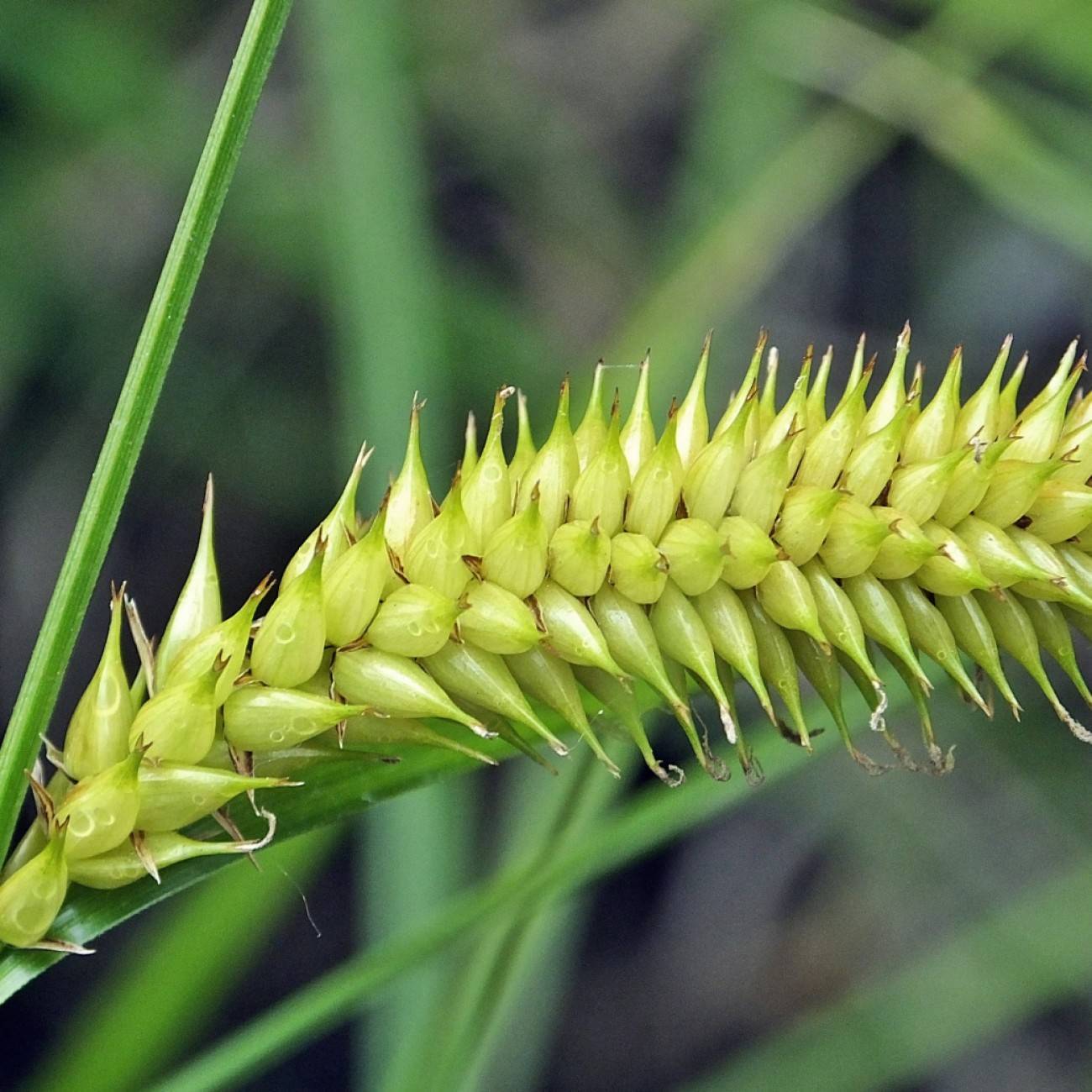
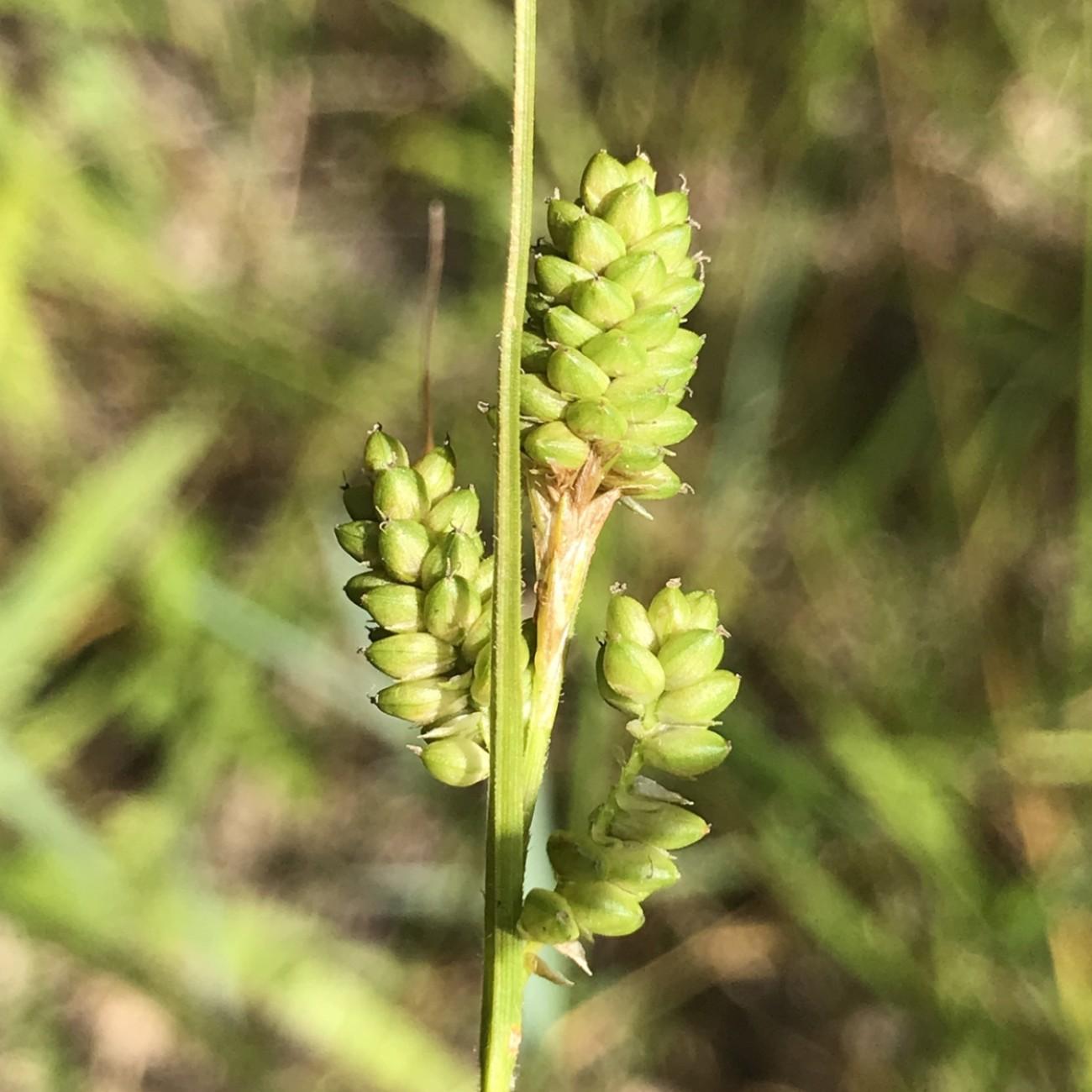
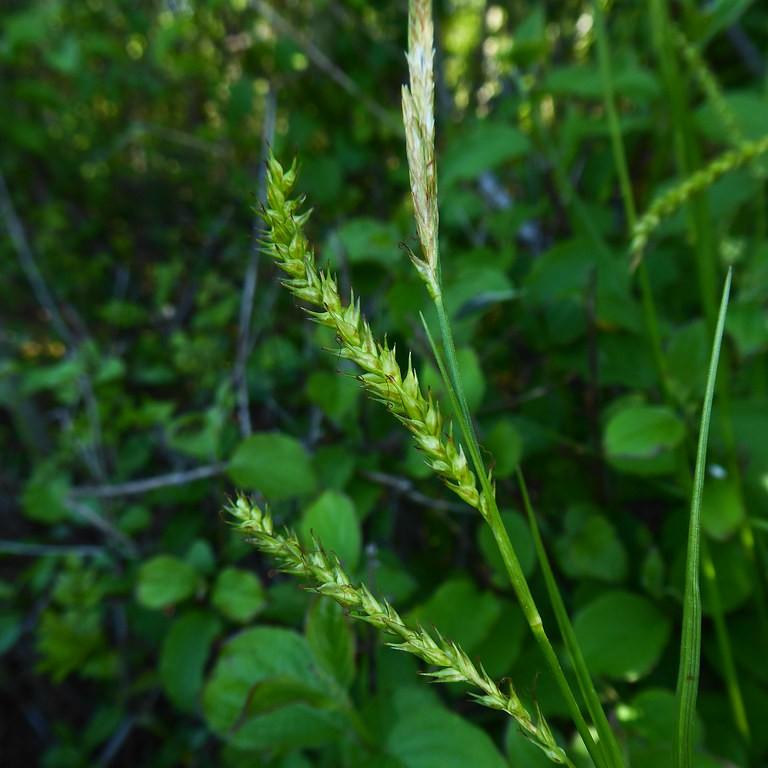
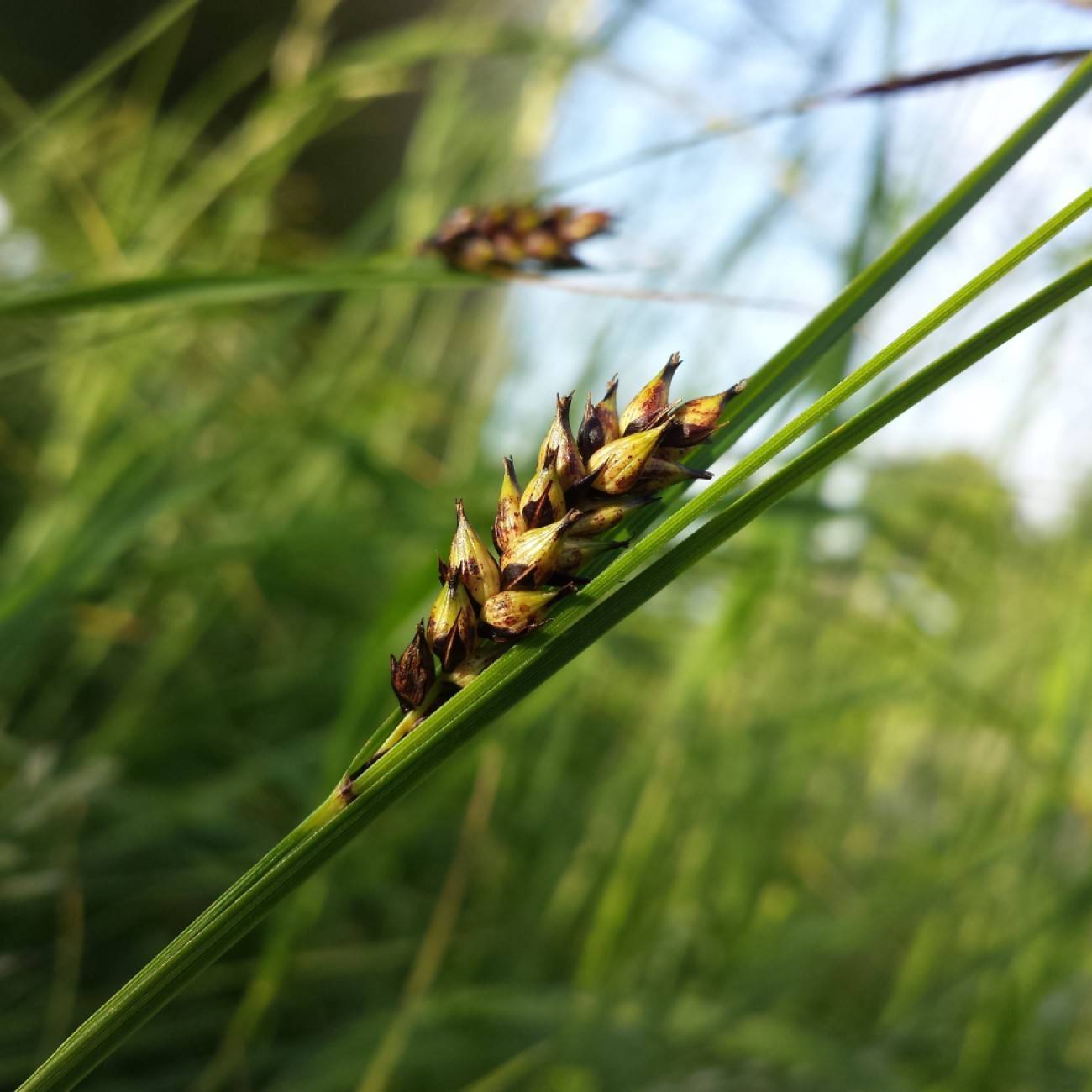
Drooping wood sedge is a clumping perennial sedge native to rich deciduous and mixed woodlands across eastern North America. It features fine, narrow, deep green foliage that forms loose, cascading mounds, with delicate, pendulous spikelets of tiny flowers appearing in late spring, followed by drooping seed heads that persist through summer. It is a cool-season grass relative that stays semi-evergreen in milder parts of its range, providing year-round ground cover in shaded landscapes.
Care Guide
Watering
Drooping wood sedge prefers consistently moist, well-drained soil, and should be watered regularly to keep the root zone from drying out completely, especially during periods of summer drought. It tolerates occasional short-term flooding but will suffer if left in standing water for extended periods, so avoid overwatering in heavy, poorly draining soils. Established plants have moderate drought tolerance for short spans, but perform best with steady moisture levels matching their native woodland habitat.
Light
This species thrives in partial to full shade, mirroring the dappled or deep shade of its native woodland understory habitat. It can tolerate a few hours of direct morning sun, but intense midday or afternoon sun will scorch its foliage and cause it to turn brown. Too much sun also increases its water requirements and can stunt its growth, so position it in shaded locations for best performance.
Soil
Drooping wood sedge grows best in rich, loamy, slightly acidic to neutral soil with high organic matter content, matching the leaf-mold rich soils of its native forest floors. It adapts to a range of soil textures including sandy loam and silty clay, as long as drainage is adequate, and will tolerate moderately compacted soil better than many other ornamental ground covers. Amend heavy or nutrient-poor soils with compost or leaf mold before planting to boost organic content and improve drainage.
Fertilizer
This low-maintenance sedge rarely needs supplemental fertilizer if planted in organically rich soil, as it is adapted to the relatively low nutrient levels of natural woodland habitats. If growing in poor, depleted soil, apply a thin layer of compost or a balanced, slow-release granular fertilizer in early spring before new growth emerges. Avoid over-fertilizing, as this can cause overly lush, floppy growth that loses its graceful cascading form and may attract pests.
Temperature
Drooping wood sedge is cold hardy in USDA zones 3 through 8, tolerating winter temperatures as low as -40°F (-40°C) without protection. It prefers cool growing conditions and will go dormant earlier in hot, southern climates if not provided with ample shade and moisture. It does not tolerate extended periods of temperatures above 90°F (32°C) without supplementary watering and deep shade, which can cause foliage to die back temporarily.
Pruning
Pruning is minimal for drooping wood sedge; simply cut back any dead or brown foliage in late winter or early spring before new growth emerges to keep the clump looking tidy. You can trim back any damaged or scorched foliage at any point during the growing season to improve the plant’s appearance, but avoid cutting back more than one-third of the foliage at once. Deadheading spent seed heads is optional, as the drooping seed heads add ornamental interest and provide food for native bird species.
Propagation
Drooping wood sedge is most easily propagated by division in early spring before new growth starts, or in early fall, by digging up mature clumps and splitting them into smaller sections with a sharp knife, ensuring each section has a healthy root system and several growing shoots. It can also be grown from seed sown directly outdoors in fall, as the seeds require a period of cold stratification over winter to germinate successfully in spring. Seed-grown plants take 2 to 3 years to reach mature flowering size, while divided clumps will establish and spread quickly in their first growing season.
Humidity
This species tolerates a wide range of humidity levels, from the moderate humidity of northern woodlands to the higher humidity of southern Appalachian forests, and adapts well to average outdoor humidity in its hardiness range. It does not require supplemental humidity, but consistent soil moisture will help it cope with periods of low humidity better than dry soil. Very low humidity combined with high sun exposure will cause leaf tip browning, so ensure it is planted in shade in drier climates to prevent damage.
Repotting
Drooping wood sedge is almost exclusively grown outdoors as a landscape plant, so repotting is rarely necessary, though it can be grown in large containers for shaded patios or balconies. Container-grown plants should be repotted every 2 to 3 years in early spring, moving them to a pot one size larger with fresh, loamy potting mix amended with compost to replenish nutrients. If the clump becomes too large for its container, divide it during repotting to keep it manageable and encourage healthy new growth.
Uses & Symbolism
Drooping wood sedge is widely used as a low-maintenance, shade-loving ground cover in woodland gardens, native plant landscapes, and rain gardens, where it helps control erosion on sloped shaded sites. Its graceful arching foliage and drooping seed heads add textural contrast to shaded border plantings, and it serves as a host plant for several species of native skipper butterflies, while its seeds provide food for songbirds and small mammals. It is also planted under mature trees where traditional lawn grasses will not grow, as it tolerates root competition and deep shade far better than most turf species.
Diseases & Pests
Drooping wood sedge has very few pest or disease issues, with the most common problems being root rot caused by prolonged standing water in poorly draining soils, and leaf spot fungal infections that occur in overly wet, crowded conditions with poor air circulation. Aphids and spider mites may occasionally infest stressed plants, especially those grown in too much sun or overly dry soil, but these can be controlled with a strong spray of water or insecticidal soap if populations become problematic. Deer and rabbits rarely browse this species, making it a good choice for landscapes with high wildlife pressure.
Related plants
Other plants you might like if you grow Drooping Wood Sedge.