Bristly Stalk Sedge
Carex leptalea
Overview
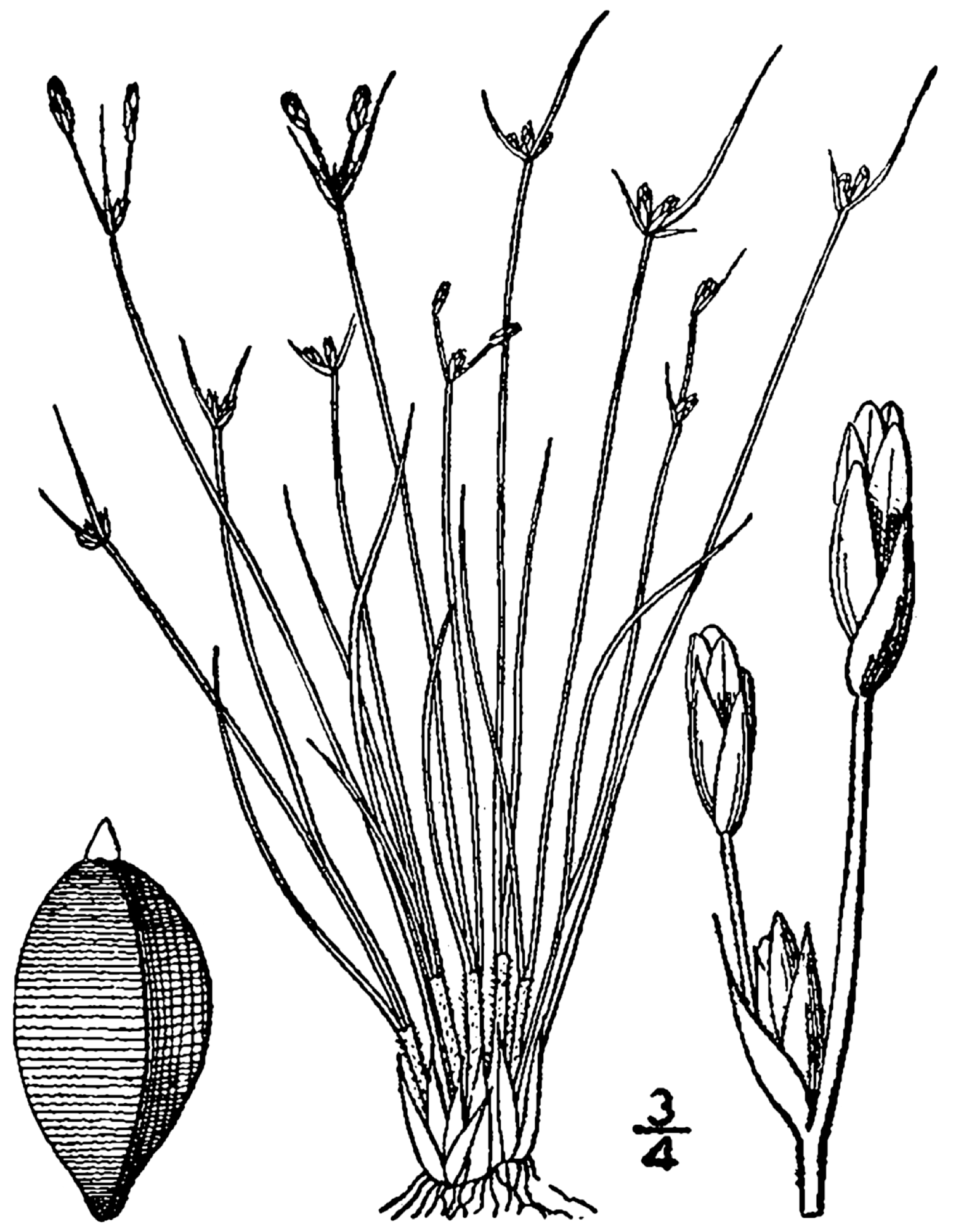
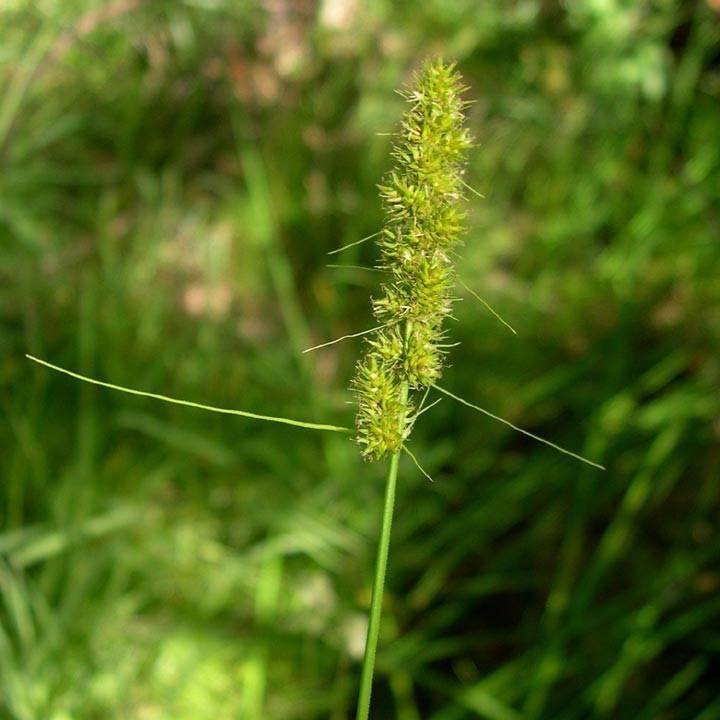
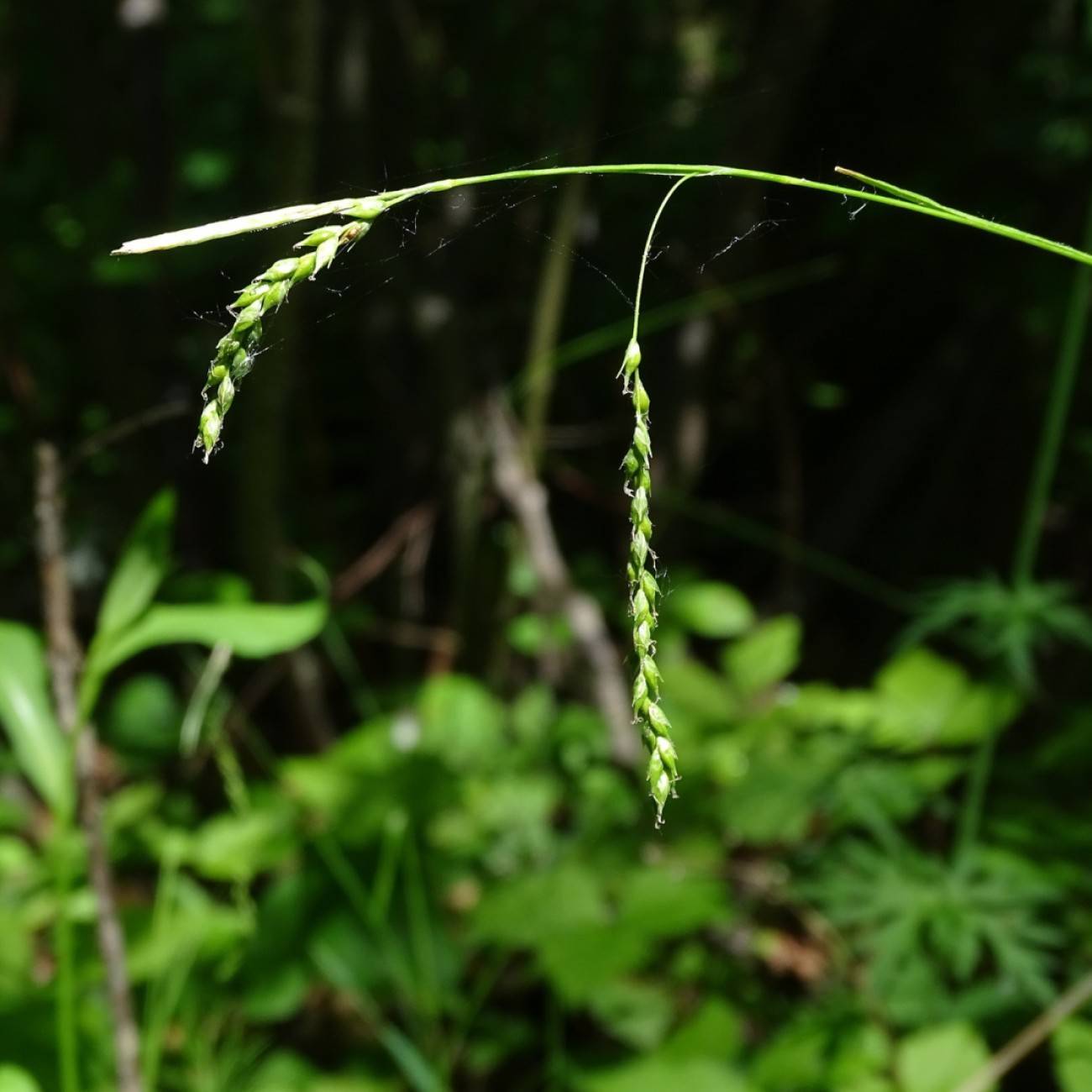
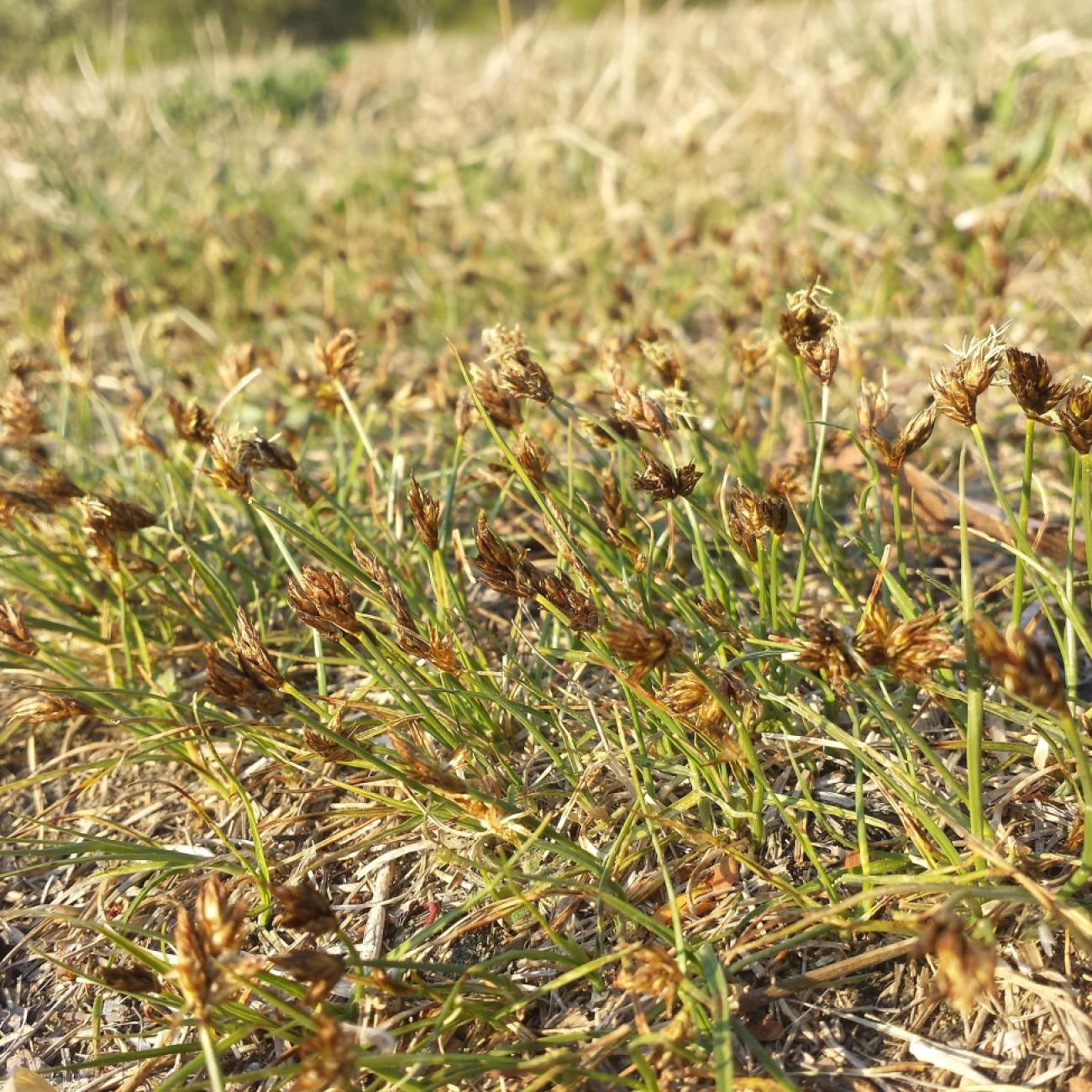
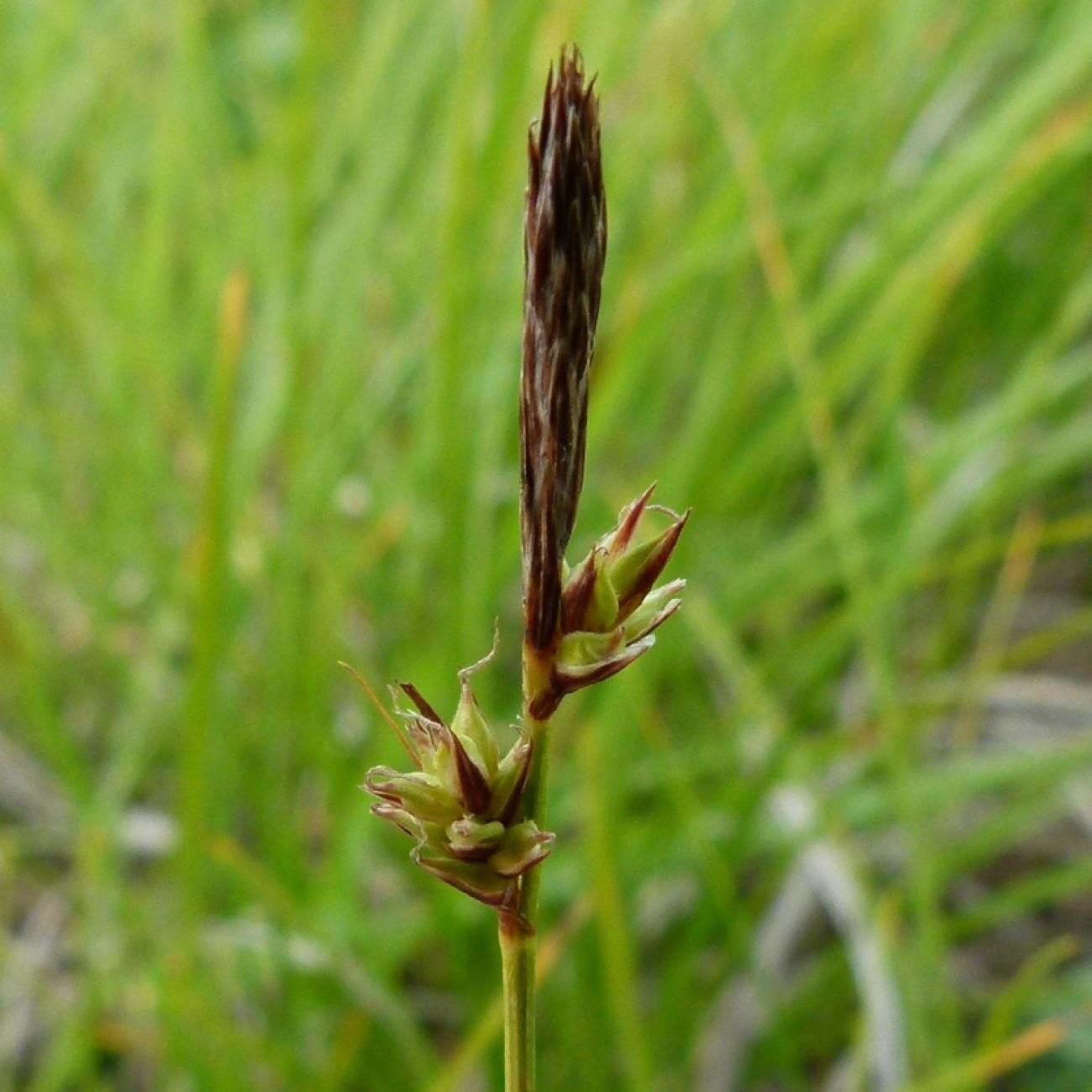
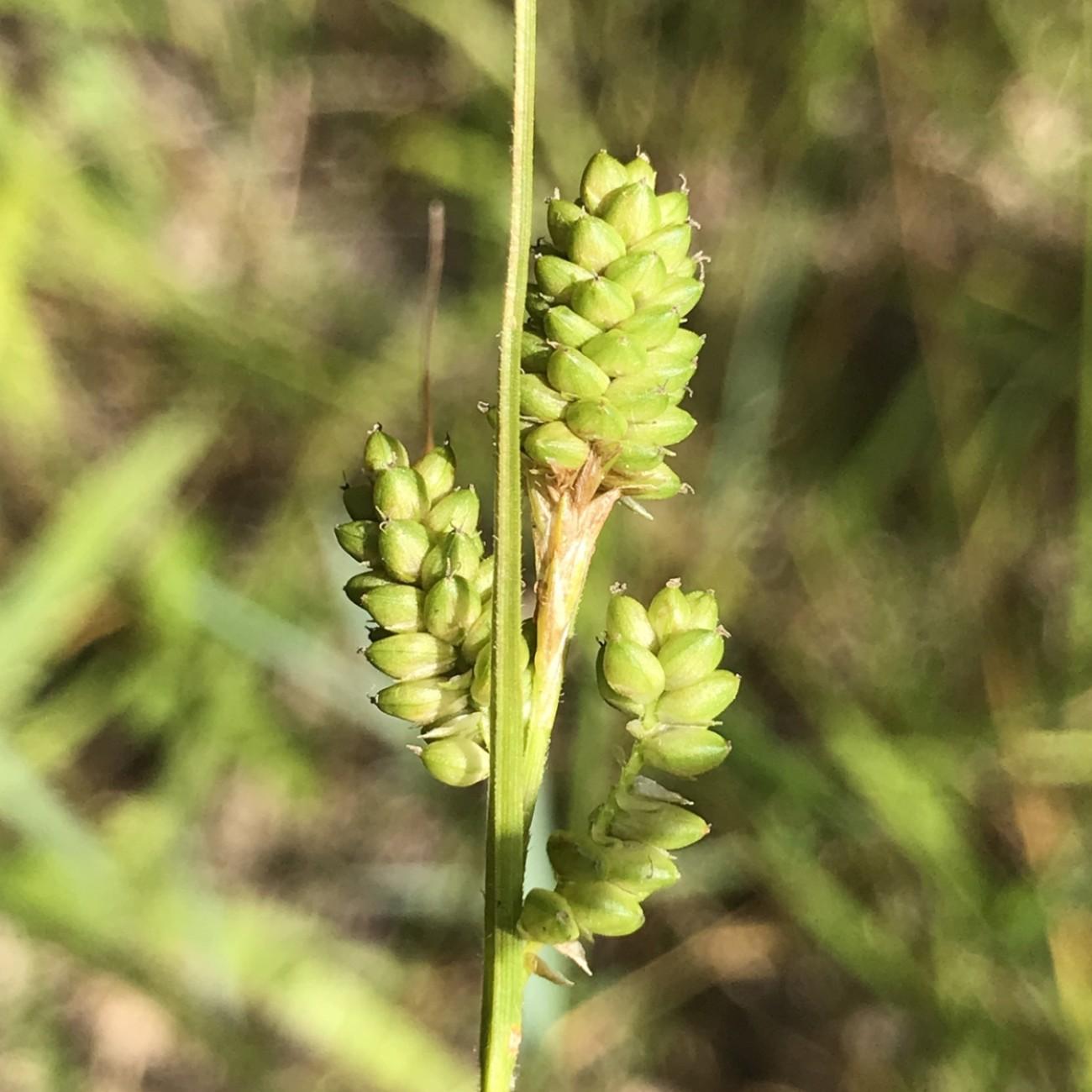
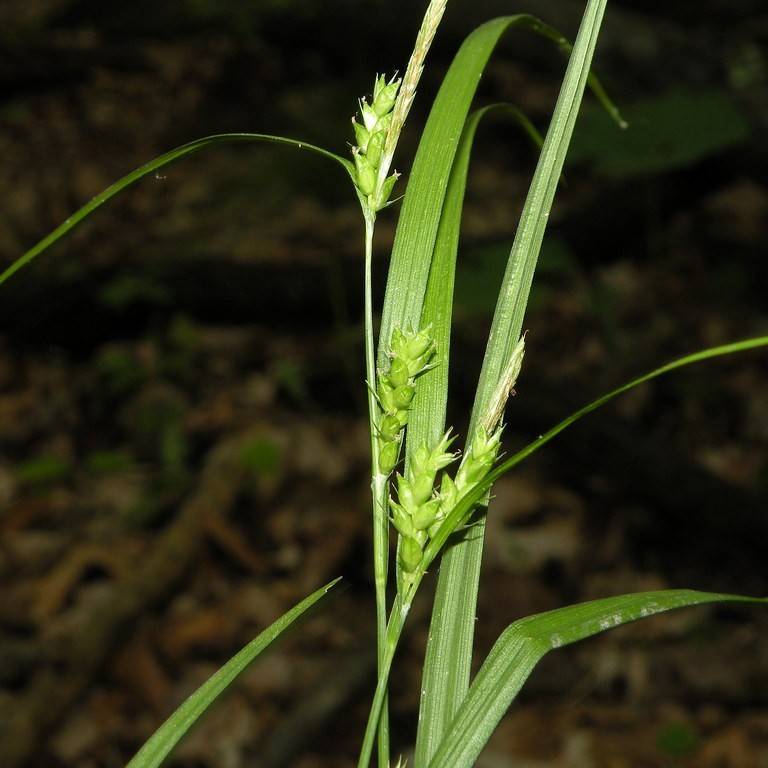
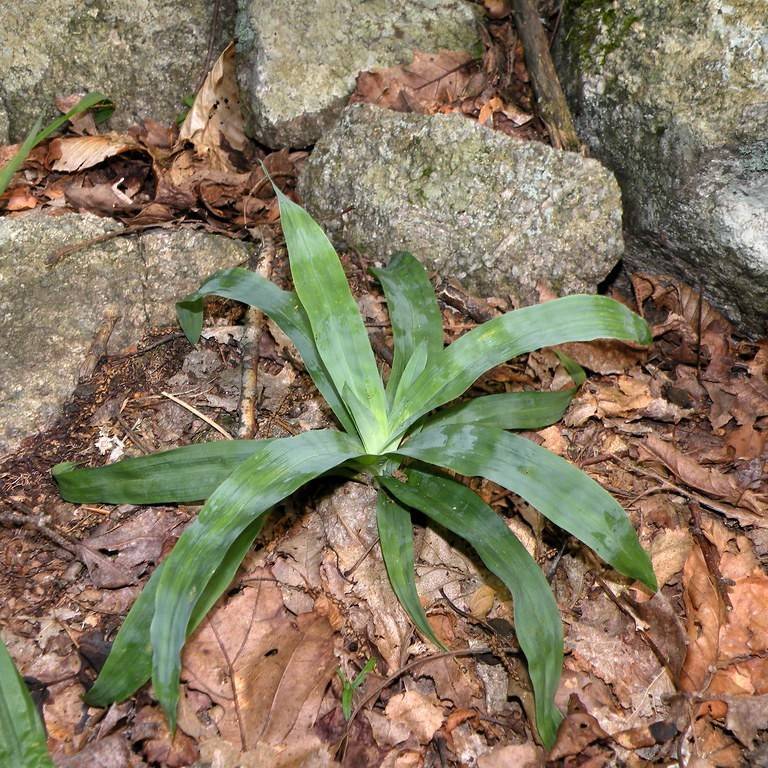
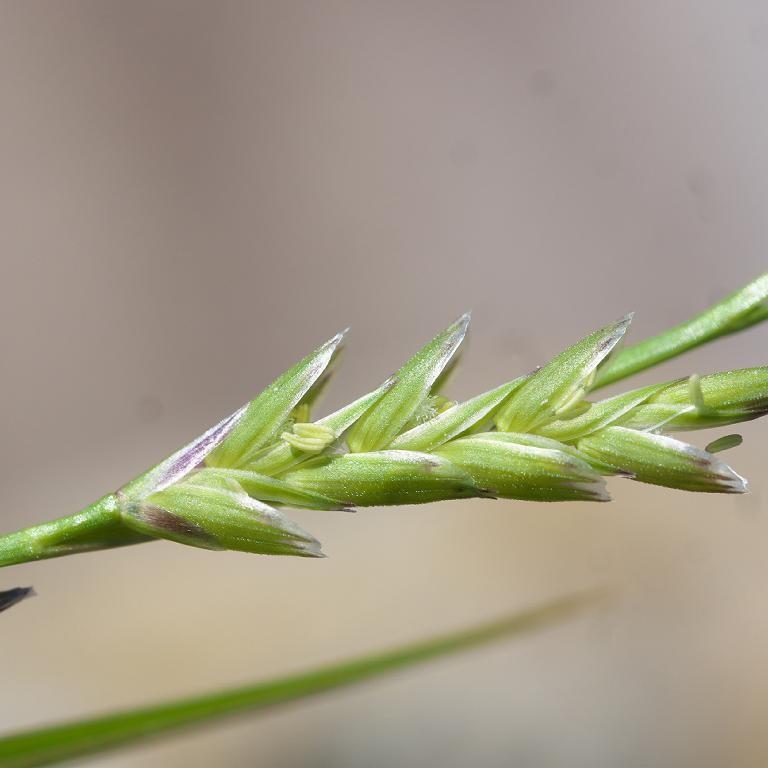
Bristly Stalk Sedge is a low-growing, grass-like perennial that forms dense, soft clumps of narrow, arching foliage. It produces tiny, inconspicuous greenish flower spikes on thin, bristly stalks from late spring to mid-summer, which support native pollinators and small seed-eating birds. Adapted to consistently moist, shaded habitats, it is a hardy, low-maintenance species useful for erosion control along water edges and in wet garden spots.
Care Guide
Watering
Bristly Stalk Sedge requires consistently moist to wet soil, and tolerates periodic shallow flooding. Water regularly to prevent the soil from drying out completely, especially if grown in full sun or well-draining soil; it thrives in areas with constant access to groundwater. It is drought intolerant, so supplemental irrigation is critical during prolonged dry spells.
Light
This sedge grows best in partial to full shade, mimicking its native understory wetland habitat. It can tolerate full sun only if planted in consistently saturated soil, as exposure to direct sunlight without adequate moisture will scorch its fine foliage. In deeper shade, it will spread more slowly and maintain a denser, lusher clump form.
Soil
Bristly Stalk Sedge prefers acidic, loamy, or sandy soil with high organic content, but it will adapt to heavy clay soils as long as drainage is poor to moderate. It tolerates a wide pH range from 5.0 to 7.5, but grows most vigorously in slightly acidic conditions. It is not suitable for dry, fast-draining soils that cannot hold consistent moisture.
Fertilizer
Fertilization is rarely required for this sedge, as it thrives in nutrient-poor wetland soils. If grown in very lean, sandy soil, apply a thin layer of compost or a slow-release, low-nitrogen fertilizer in early spring to support new growth. Over-fertilization will cause excessive, floppy growth and reduce its natural hardiness.
Temperature
This species is hardy in USDA zones 3 through 8, tolerating winter temperatures as low as -40°F (-40°C). It thrives in cool to moderate summer temperatures, and may go dormant early during extended periods of heat above 90°F (32°C) if soil moisture is insufficient. It has no special cold protection needs in its suitable hardiness zones, as it dies back to the ground in winter and re-emerges reliably in spring.
Pruning
Pruning is minimal for Bristly Stalk Sedge; cut back dead foliage to the ground in late winter or early spring before new growth emerges to keep clumps neat and encourage fresh, healthy leaves. Remove any damaged or yellowing foliage during the growing season as needed to maintain appearance, but avoid cutting back more than one-third of the live foliage at a time. To prevent unwanted self-seeding, trim off flower stalks after blooming if you do not want new seedlings to spread.
Propagation
Bristly Stalk Sedge is most easily propagated by dividing mature clumps in early spring or late fall, when the plant is dormant. Separate clumps into smaller sections with intact root systems and replant immediately at the same depth as the original plant, watering thoroughly to settle the soil. It can also be grown from seed sown directly in moist, shady soil in fall, as cold stratification over winter improves germination rates; seeds will sprout in early spring once temperatures rise consistently above 50°F (10°C).
Humidity
This sedge prefers moderate to high humidity levels typical of its native wetland and forested habitats, tolerating humidity levels between 50% and 80%. It will grow in average household humidity if grown as a houseplant, but benefits from occasional misting or placement near a humidifier if indoor air is very dry. Low humidity for extended periods will cause leaf tips to brown and reduce overall vigor.
Repotting
If grown in containers, repot Bristly Stalk Sedge every 2 to 3 years in early spring, before new growth begins, using a rich, moisture-retentive potting mix. Choose a pot with drainage holes, and size up only 1 to 2 inches larger than the previous container to prevent excess soil from staying waterlogged for too long. After repotting, water thoroughly and keep the soil consistently moist for the first month to help roots establish in the new medium.
Uses & Symbolism
Bristly Stalk Sedge is widely used in rain gardens, bioswales, and wetland restoration projects to control erosion, filter stormwater runoff, and provide habitat for native insects, birds, and amphibians. Its soft, fine foliage makes it an attractive low groundcover for shaded, moist garden areas, where it pairs well with ferns, wildflowers, and other moisture-loving perennials. It is also planted as a native alternative to non-native ornamental grasses in naturalized landscapes, supporting local ecosystem health while requiring minimal maintenance.
Diseases & Pests
Bristly Stalk Sedge is relatively pest and disease resistant, but can be susceptible to fungal leaf spots and rust in overly humid, poorly ventilated conditions, especially if foliage stays wet for extended periods. Root rot may occur if the plant is grown in poorly draining soil that stays completely waterlogged for months at a time, though it tolerates short periods of flooding well. Occasional aphids or spider mites may infest stressed plants, particularly if grown in overly dry conditions; these can be controlled with a strong spray of water or insecticidal soap.
Related plants
Other plants you might like if you grow Bristly Stalk Sedge.