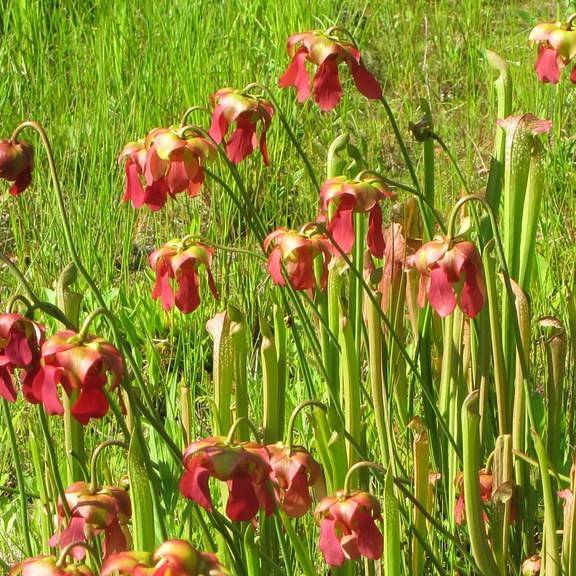
Hybrid Pitcher Plant
Nepenthes × hybrida
Overview
Hybrid pitcher plants are intentionally bred crosses between wild Nepenthes species, selected for improved vigor, varied pitcher colors and shapes, and better adaptability to home growing conditions. Their specialized pitfall traps produce sweet nectar to lure insects, which fall into the digestive fluid inside the pitcher to provide the plant with supplemental nitrogen in nutrient-poor habitats. These hybrids are far more forgiving than most wild Nepenthes species, making them a popular choice for new carnivorous plant enthusiasts.
Care Guide
Watering
Keep soil consistently moist but not waterlogged year-round, using distilled, rain, or reverse-osmosis water only, as tap water minerals will damage sensitive roots. Water thoroughly when the top 1 inch of soil feels slightly dry, and empty excess water from saucers to prevent root rot.
Light
Provide bright, indirect light for 10-14 hours daily; a south-facing window with a sheer curtain to filter direct midday sun is ideal. Too little light results in stunted growth and no pitcher formation, while excessive direct sun will scorch foliage and fade pitcher colors.
Soil
Use a well-draining, acidic, nutrient-free carnivorous plant mix, typically a 1:1 blend of long-fiber sphagnum moss and perlite or pumice. Avoid regular potting soil, compost, or mixes with added fertilizers, as these will burn the plant’s sensitive root system.
Fertilizer
Do not apply regular fertilizer, as the plant obtains all required nutrients from digested insects; if grown indoors with few bugs, feed 1-2 freeze-dried bloodworms or small insects per mature pitcher every 2-3 months during the growing season. Overfeeding or using chemical fertilizers will cause root burn and may kill the plant.
Temperature
Most hybrid pitcher plants thrive in daytime temperatures between 70-85°F (21-29°C) and nighttime temperatures of 55-65°F (13-18°C), with lowland hybrids tolerating warmer temperatures and highland hybrids preferring cooler nighttime drops. Avoid prolonged exposure to temperatures below 50°F (10°C) or above 95°F (35°C), as these extremes can cause stress and leaf drop.
Pruning
Trim away brown, dried pitchers or dead foliage at the base of the stem with clean, sharp scissors to improve airflow and direct energy to new growth. Prune back overlong trailing vines by up to one-third in early spring if you wish to maintain a more compact, bushy shape.
Propagation
Easiest to propagate via stem cuttings in spring or early summer: take a 3-4 inch cutting with 2-3 leaves, dip the cut end in rooting hormone, and plant in moist sphagnum moss under high humidity until roots form in 4-8 weeks. Hybrid pitcher plants do not grow true from seed, so cuttings are the only way to preserve the unique traits of a specific cultivar.
Humidity
Maintain humidity levels between 50-70% for optimal growth and pitcher formation; mist regularly, place the pot on a pebble tray filled with water, or use a small humidifier if indoor air is dry. Low humidity will cause new pitchers to dry out before they fully develop, and may lead to brown leaf edges.
Repotting
Repot every 1-2 years in early spring, when roots begin to grow out of the drainage holes or the sphagnum moss starts to decompose and compact. Choose a pot only 1-2 inches larger than the current root ball, as overly large pots retain excess moisture that can lead to root rot.
Uses & Symbolism
Hybrid pitcher plants are primarily grown as ornamental houseplants or outdoor bog garden specimens, valued for their unusual, colorful pitcher structures and conversation-starting carnivorous habit. They also provide natural pest control by trapping and digesting small flying insects such as gnats, fruit flies, and mosquitoes in their pitchers. Some specialty growers cultivate rare, showy hybrid cultivars for carnivorous plant shows and hobbyist collections.
Diseases & Pests
Common pests include aphids, mealybugs, and scale insects, which feed on tender new growth; treat infestations with insecticidal soap or neem oil, avoiding chemical pesticides that may harm the plant. Root rot is the most prevalent disease, caused by overwatering, poorly draining soil, or use of mineral-rich tap water, and can be prevented by following proper watering and soil guidelines. Fungal leaf spot may occur in overly humid, poorly ventilated conditions, and can be managed by improving airflow and removing affected foliage.
Related plants
Other plants you might like if you grow Hybrid Pitcher Plant.