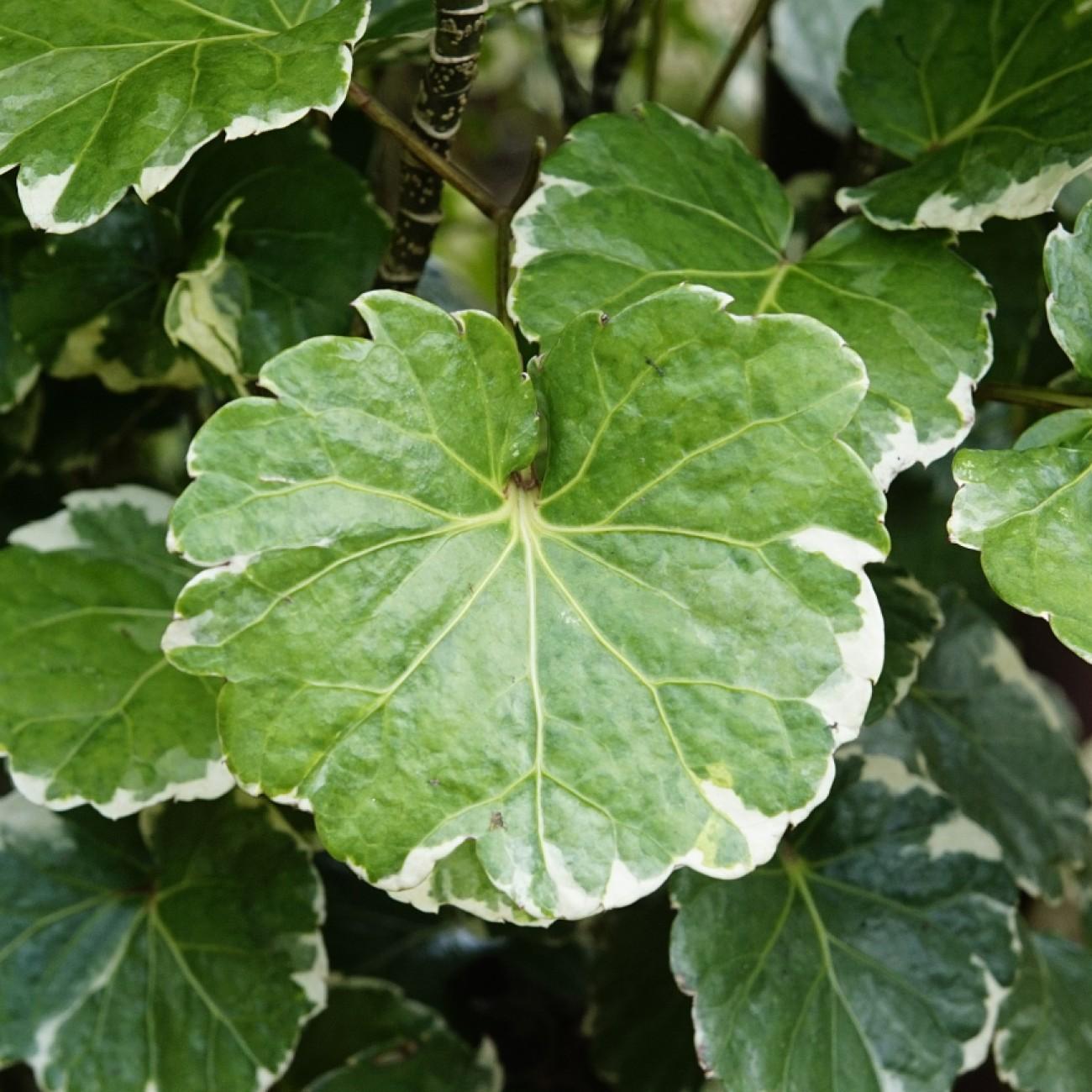
Balfour Aralia
Polyscias scutellaria 'Balfourii'
Overview
Balfour Aralia, a cultivar of the shield aralia, is prized for its compact, bushy growth habit and distinctive foliage: leathery, cup-shaped leaves edged in creamy white, growing on slender, woody stems. In its native tropical habitat, it produces small, insignificant greenish-white flowers followed by dark berries, though flowering is extremely rare when grown indoors. It is a slow-growing plant that retains its ornamental appeal for decades with proper care, making it a favored choice for indoor containers, office spaces, and shaded tropical landscapes.
Care Guide
Watering
Allow the top 1-2 inches of soil to dry out completely between waterings, as overwatering is the most common cause of root rot in Balfour Aralia. Reduce watering frequency significantly in the winter months when the plant’s growth slows, ensuring the pot has adequate drainage holes to prevent standing water. Avoid using cold or heavily chlorinated water, as this can cause leaf tip browning.
Light
Thrives in bright, indirect light, such as that from a north or east-facing window, to maintain its variegated leaf pattern; prolonged direct sunlight will scorch its delicate foliage. It can tolerate low light conditions for short periods, but extended low light will cause it to lose variegation, produce leggy growth, and drop leaves. Rotate the plant every 2-3 weeks to ensure even growth on all sides.
Soil
Requires a well-draining, loamy potting mix with a slightly acidic to neutral pH (6.0 to 7.0) to support healthy root growth. A mix of standard potting soil, perlite, and orchid bark or peat moss works well, as it balances moisture retention with sufficient aeration to prevent waterlogged roots. Avoid heavy, compacted soils that hold excess moisture for long periods.
Fertilizer
Feed with a balanced, water-soluble houseplant fertilizer diluted to half strength once every 4-6 weeks during the active growing season (spring and summer). Do not fertilize in fall or winter, when the plant is dormant, as this can cause salt buildup in the soil and burn the root system. Flush the soil every 3-4 months to remove accumulated fertilizer salts, which can cause leaf tip burn.
Temperature
Prefers consistent warm temperatures between 65-85°F (18-29°C) for optimal growth, and cannot tolerate temperatures below 55°F (13°C) without sustaining cold damage. Avoid placing the plant near cold drafts, air conditioning vents, or heating sources, as sudden temperature fluctuations can cause sudden leaf drop. Outdoor plants in USDA hardiness zones 10-12 can be grown year-round, while those in cooler climates must be brought indoors before the first frost.
Pruning
Prune in early spring before new growth emerges to shape the plant, remove dead or yellowing leaves, and encourage bushier, more compact growth. Cut back leggy stems to just above a leaf node to stimulate new branching, as Balfour Aralia responds well to regular trimming. Disinfect pruning tools before use to prevent the spread of bacterial or fungal pathogens between plants.
Propagation
Most commonly propagated from stem cuttings taken in spring or early summer, using 4-6 inch cuttings with at least 2-3 healthy leaf nodes. Dip the cut end in rooting hormone powder to speed up root development, then plant in a moist, well-draining propagation mix and keep in a warm, humid location with bright indirect light until roots form in 4-8 weeks. Propagation from seed is possible but very slow and rarely done for cultivated 'Balfourii' specimens.
Humidity
Thrives in moderate to high humidity levels between 50-70%, which mimics its native tropical island habitat. If indoor humidity drops below 40%, use a pebble tray filled with water, a room humidifier, or regular misting of the foliage to raise humidity levels and prevent leaf tip browning. Avoid placing the plant near dry, forced air vents in winter to minimize moisture loss from leaves.
Repotting
Repot young Balfour Aralia plants every 2-3 years in spring, moving to a pot only 1-2 inches larger than the previous one to avoid excess soil holding unused moisture. Mature plants can be repotted every 4-5 years, or when roots begin to grow out of the drainage holes at the bottom of the pot. After repotting, keep the plant in bright indirect light and avoid fertilizing for 4-6 weeks to allow new roots to establish without burn risk.
Uses & Symbolism
Primarily grown as an ornamental houseplant for its attractive variegated foliage and air-purifying properties, as it filters common volatile organic compounds like formaldehyde and benzene from indoor air. In tropical climates, it is used as a low hedge, foundation planting, or shaded border shrub in landscape designs. In its native range, the leaves of the parent species Polyscias scutellaria are sometimes used in traditional medicine for wound care and as a culinary wrapper for steamed dishes.
Diseases & Pests
Balfour Aralia is relatively pest-resistant, but it can be affected by common houseplant pests including spider mites, mealybugs, and scale insects, which thrive in dry, low-humidity conditions. Overwatering and poor drainage frequently lead to root rot, a fungal condition that causes yellowing leaves, wilting, and eventual plant death if not addressed quickly. Leaf spot diseases can occur if foliage is consistently wet or the plant is kept in poorly ventilated spaces, which can be mitigated by avoiding overhead watering and improving air circulation.
Related plants
Other plants you might like if you grow Balfour Aralia.
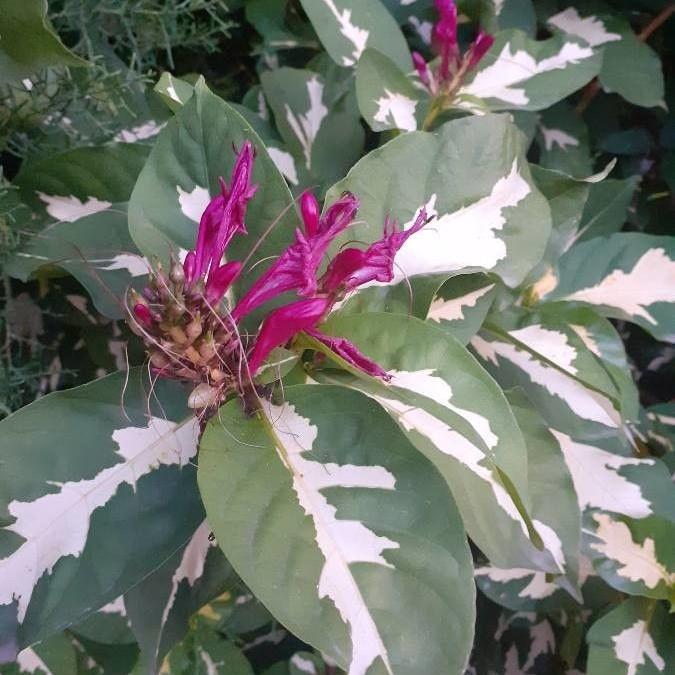
Caricature Plant
Graptophyllum pictum
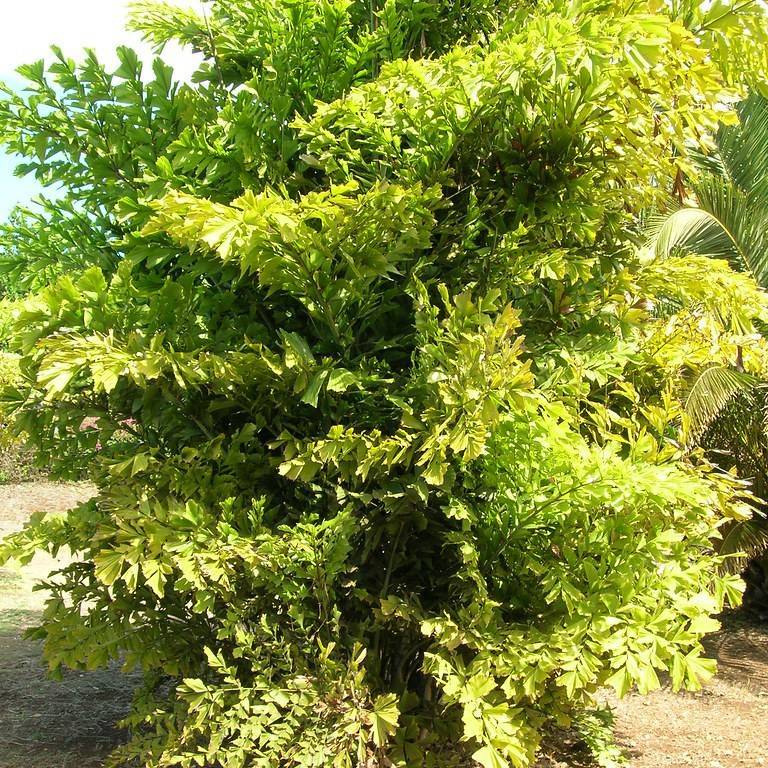
Fishtail Palm
Caryota mitis
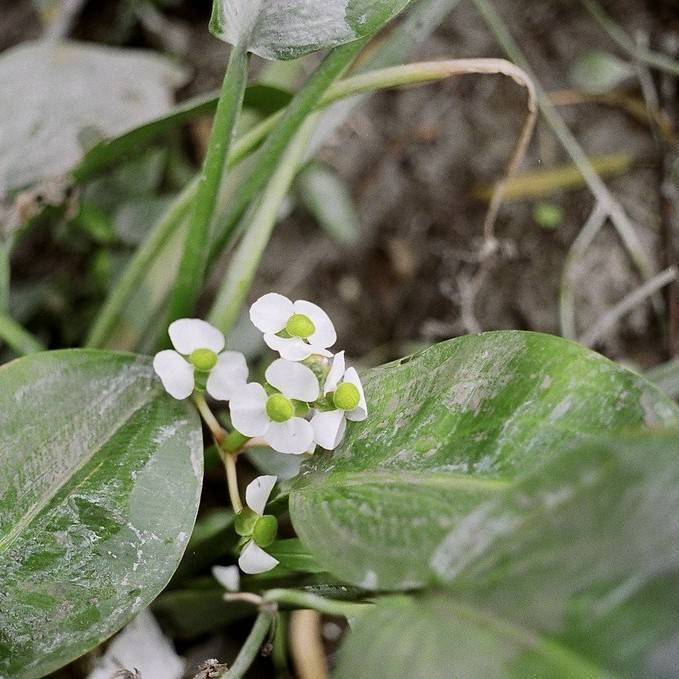
Arrowhead Plant
Syngonium podophyllum
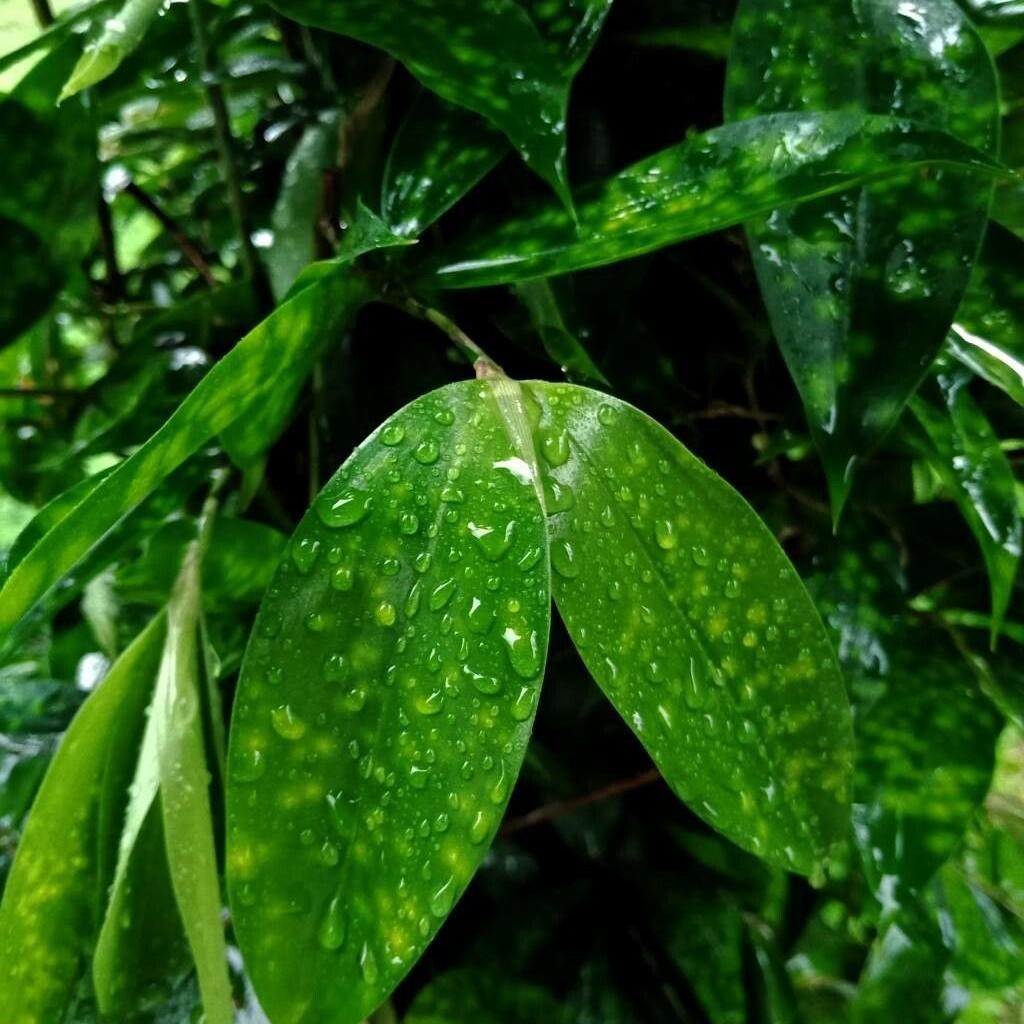
Gold Dust Dracaena
Dracaena surculosa 'Florida Beauty'
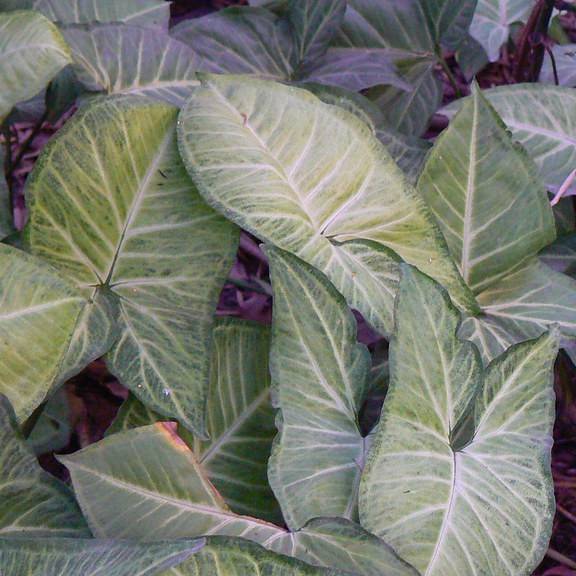
Arrowhead Plant
Syngonium podophyllum
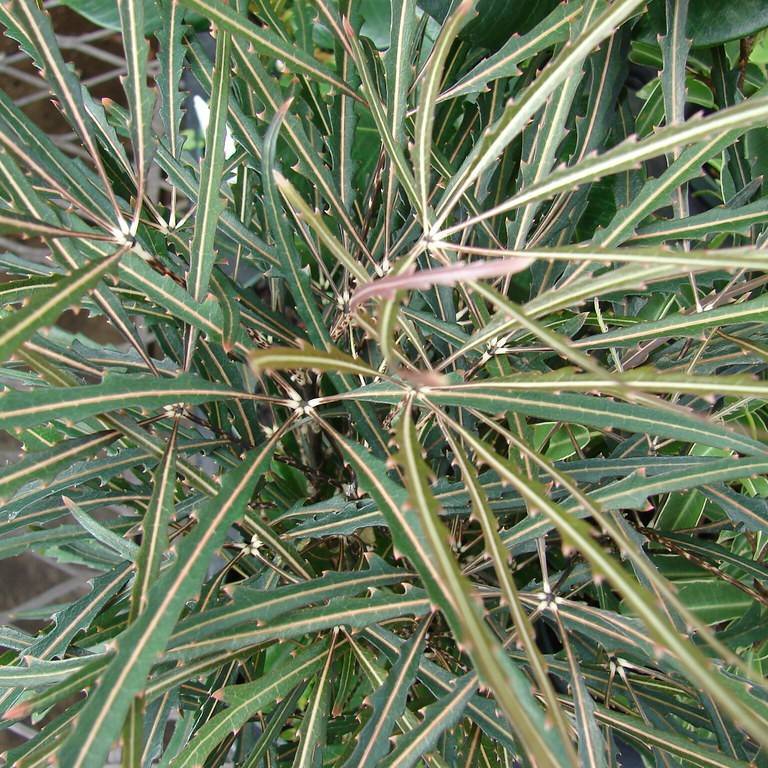
False Aralia
Plerandra elegantissima (syn. Schefflera elegantissima)
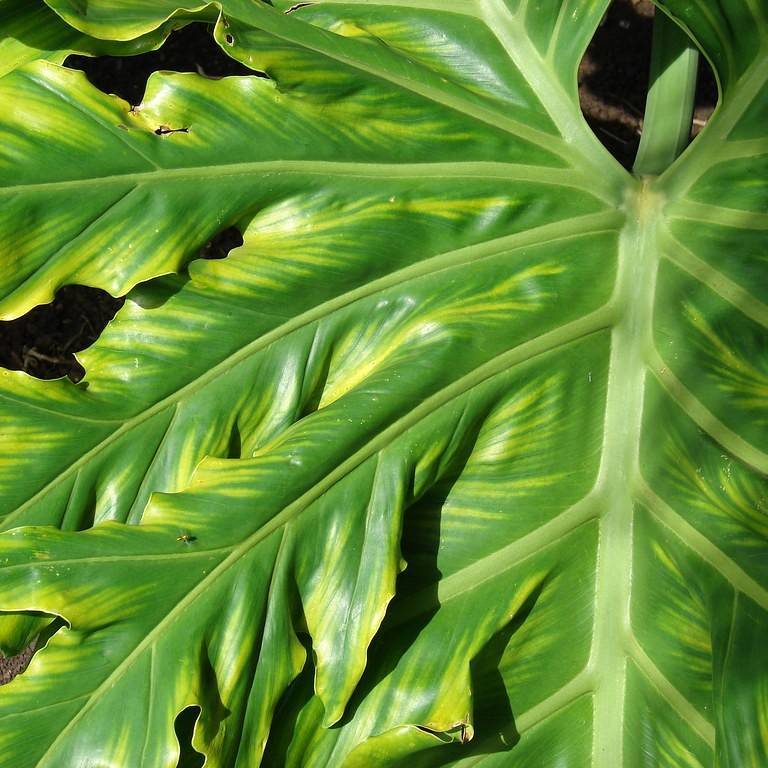
Horsehead Philodendron
Philodendron bipennifolium
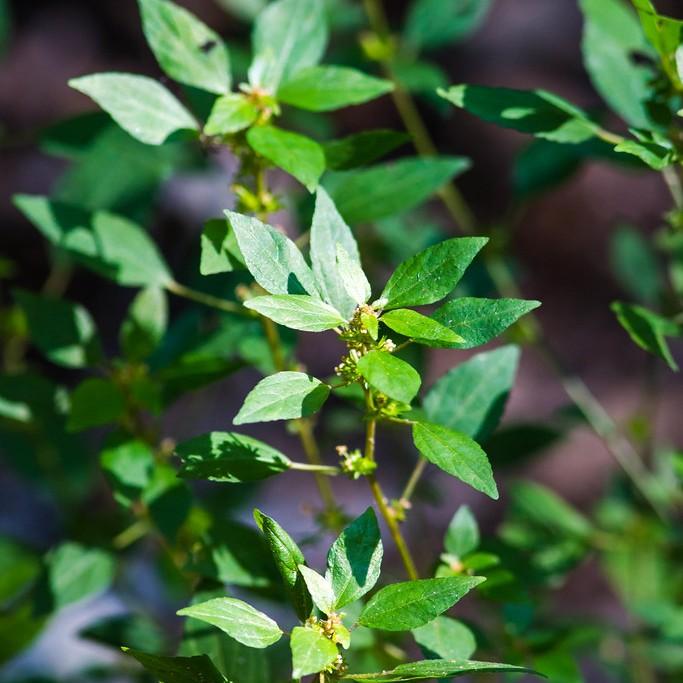
Common Copperleaf
Acalypha wilkesiana