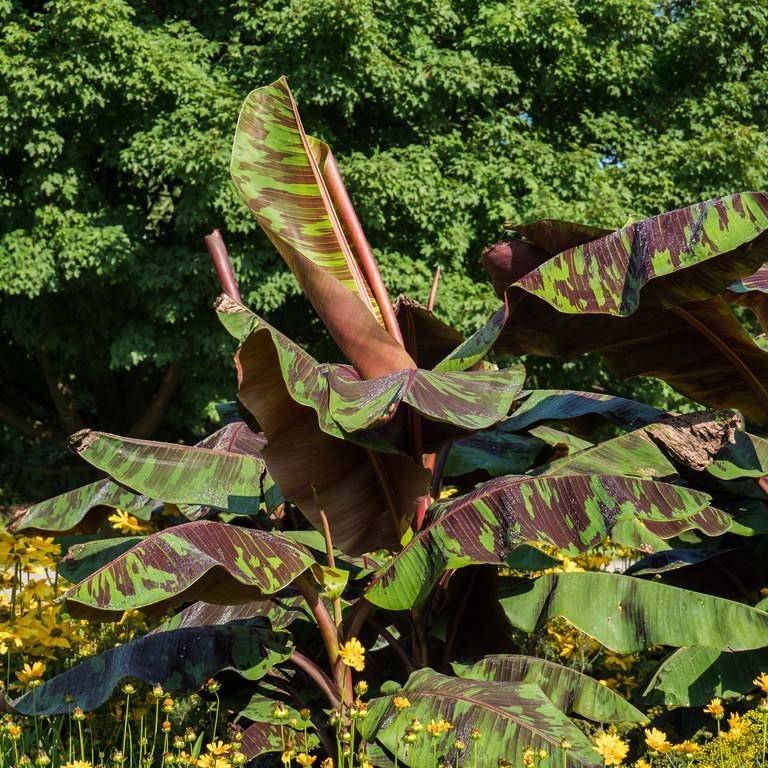
Blood Banana
Musa acuminata 'Zebrina'
Overview
The blood banana is a compact, fast-growing Musa cultivar prized for its dramatic foliage marked with dark red, almost maroon splotches across green leaf blades. Unlike edible banana varieties, it produces small, seedy, red-skinned fruit that is not palatable for human consumption, though it is occasionally consumed by birds and wildlife in its native range. It is a popular tropical landscaping plant in warm climates and a sought-after large houseplant for bright indoor spaces.
Care Guide
Watering
Water blood bananas consistently to keep the soil evenly moist but not waterlogged, as saturated soil can quickly lead to root rot. Reduce watering frequency slightly in the winter months when growth slows, allowing the top 1-2 inches of soil to dry out between waterings. Avoid letting the plant sit in standing water in its saucer to prevent fungal root issues.
Light
Blood bananas thrive in full sun to partial shade, requiring at least 6 hours of bright, direct light daily to develop their signature deep red leaf variegation. When grown indoors, place them near a south or west-facing window, supplementing with grow lights if natural light is insufficient to prevent pale, sparse foliage. Too much intense midday sun in extremely hot climates may scorch leaf edges, so provide light afternoon shade in these regions.
Soil
Plant blood bananas in a rich, well-draining, loamy soil with a slightly acidic to neutral pH between 5.5 and 7.0 for optimal growth. A mix of potting soil, compost, perlite, and orchid bark works well for container-grown specimens, ensuring excess moisture drains rapidly while retaining enough nutrients to support fast growth. Avoid heavy, compacted clay soils that hold excess water around the root system.
Fertilizer
Feed blood bananas every 2-4 weeks during the active growing season (spring through fall) with a balanced, water-soluble fertilizer diluted to half strength to support rapid foliage growth. Use a fertilizer with a slightly higher potassium content to encourage healthy leaf development and strong root systems, avoiding over-fertilization that can cause leaf tip burn. Suspend fertilization entirely in the winter when the plant enters a period of slower growth.
Temperature
Blood bananas prefer warm tropical temperatures between 65-85°F (18-29°C) and will suffer damage if exposed to temperatures below 50°F (10°C) for extended periods. Outdoor plants in zones 9-11 can be grown year-round, while those in cooler climates should be brought indoors before the first frost or grown exclusively as container plants. Sudden temperature drops or drafts from doors or windows can cause leaf drop in indoor specimens.
Pruning
Prune away yellowed, browned, or damaged leaves as they appear to improve air circulation and maintain the plant's neat appearance. Cut back spent flower stalks after fruiting to redirect energy back to the main plant and new suckers that emerge at the base. If growing in a container, thin out excess suckers periodically to prevent overcrowding and keep the plant at a manageable size.
Propagation
Blood bananas are most easily propagated by dividing the small suckers (pups) that grow from the base of mature, healthy plants in spring or early summer. Use a clean, sharp knife to separate pups with their own root systems from the parent plant, then plant them in individual pots with fresh, well-draining soil and keep them warm and moist until established. They can also be grown from seed, though seed-grown plants take much longer to reach maturity and may not retain the exact variegation of the parent cultivar.
Humidity
Blood bananas thrive in high humidity levels between 50-70%, replicating their native tropical environment. Indoor plants benefit from regular misting, placement on a pebble tray filled with water, or use of a humidifier to counteract dry indoor air, especially during winter heating months. Low humidity can cause leaf edges to turn brown and crispy, and may slow overall growth.
Repotting
Repot young blood bananas annually in spring as they grow quickly and can quickly outgrow their containers, moving them to a pot 1-2 inches larger in diameter each time. Mature specimens only need repotting every 2-3 years, or when roots begin to grow out of the drainage holes or the plant becomes root-bound. Use a heavy, stable pot to prevent the top-heavy plant from tipping over, and ensure the pot has ample drainage holes to prevent waterlogging.
Uses & Symbolism
Blood bananas are primarily grown as ornamental plants for tropical landscaping in warm climates, adding dramatic color and texture to garden beds, borders, and patio containers. They are popular large houseplants for bright indoor spaces, bringing a lush tropical feel to living areas, offices, and conservatories. In their native range, their strong leaf fibers are occasionally used for crafting small textiles and woven goods.
Diseases & Pests
Blood bananas are susceptible to common banana pests including aphids, spider mites, and mealybugs, which tend to infest the undersides of leaves and can be controlled with neem oil or insecticidal soap. Fungal diseases such as leaf spot and root rot are common in overly wet conditions, so proper watering practices and well-draining soil are essential to prevent these issues. They may also be affected by Panama disease, a soil-borne fungal pathogen that affects many Musa species, so avoid planting them in soil where infected banana plants have previously grown.
Related plants
Other plants you might like if you grow Blood Banana.
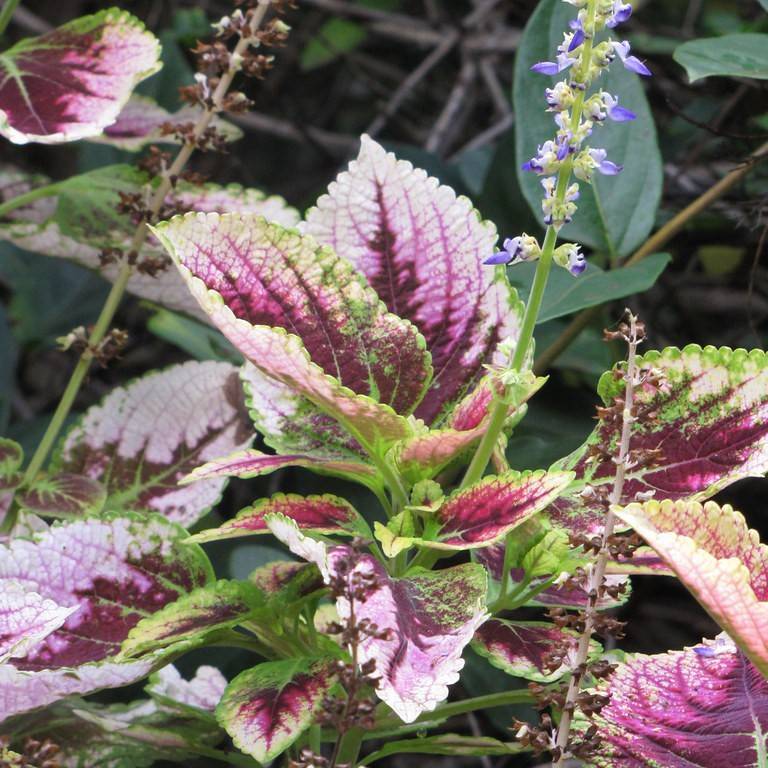
Coleus
Plectranthus scutellarioides (syn. Solenostemon scutellarioides)
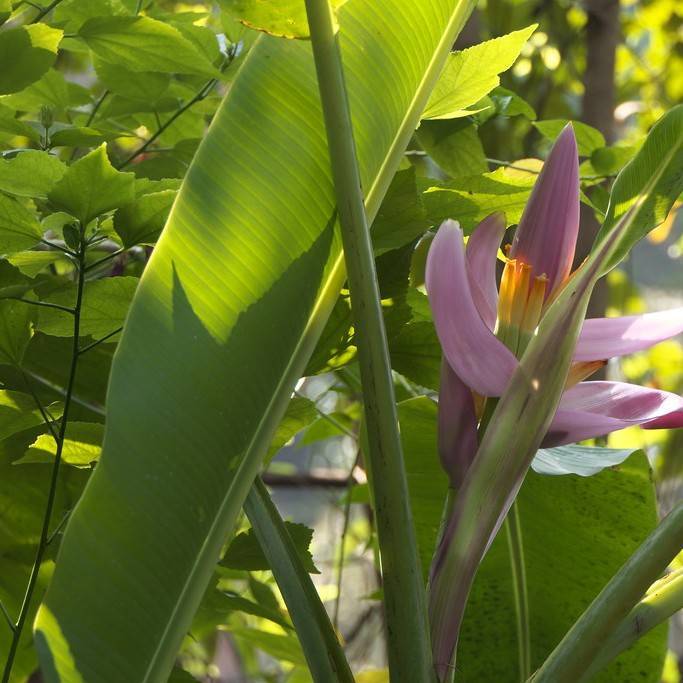
Flowering Banana
Musa ornata
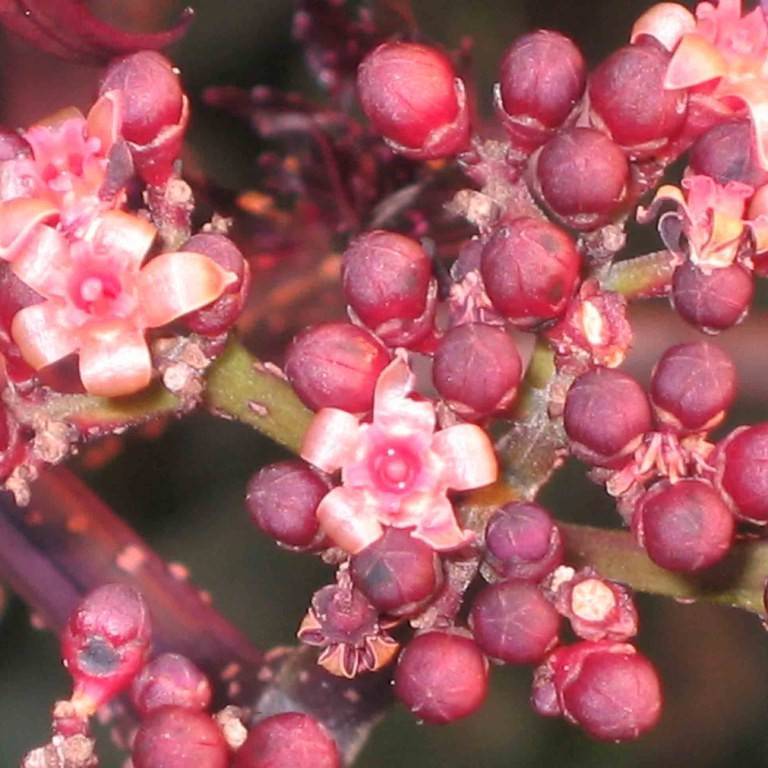
Leea
Leea coccinea
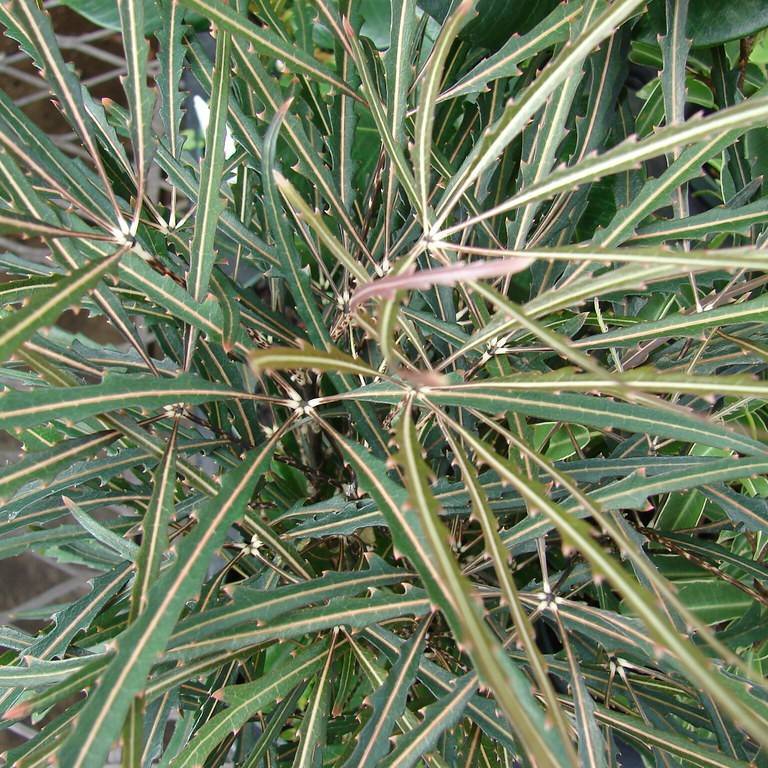
False Aralia
Plerandra elegantissima (syn. Schefflera elegantissima)
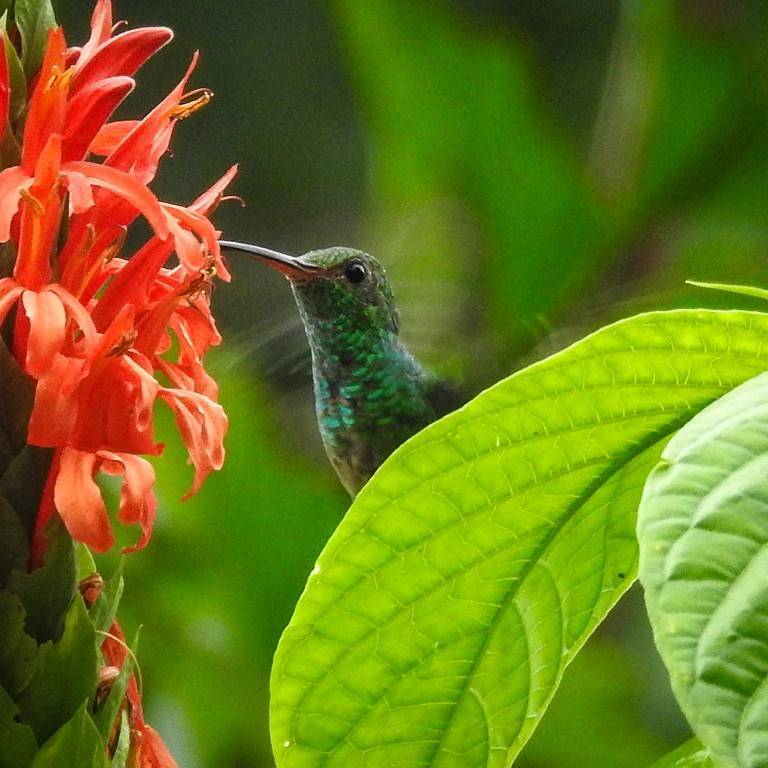
Cardinal's Guard
Pachystachys coccinea
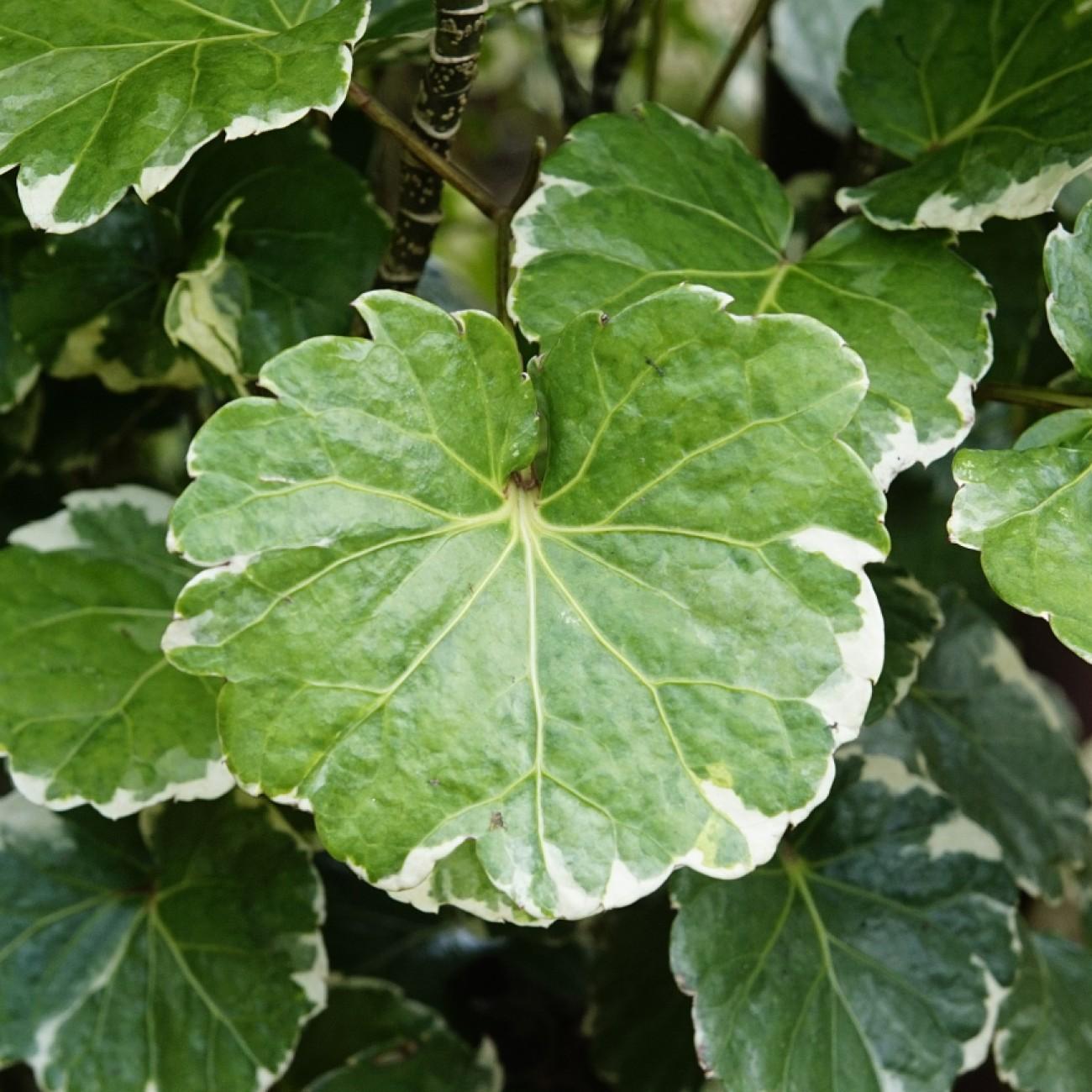
Balfour Aralia
Polyscias scutellaria 'Balfourii'
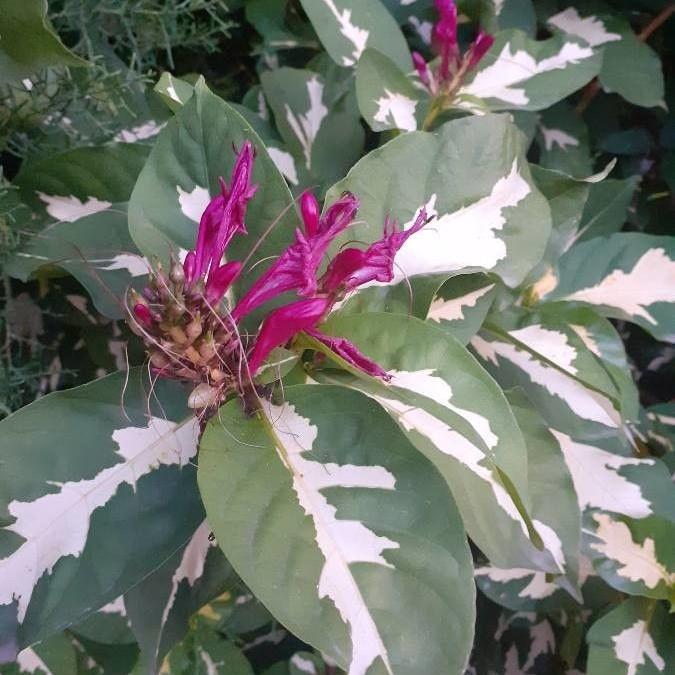
Caricature Plant
Graptophyllum pictum
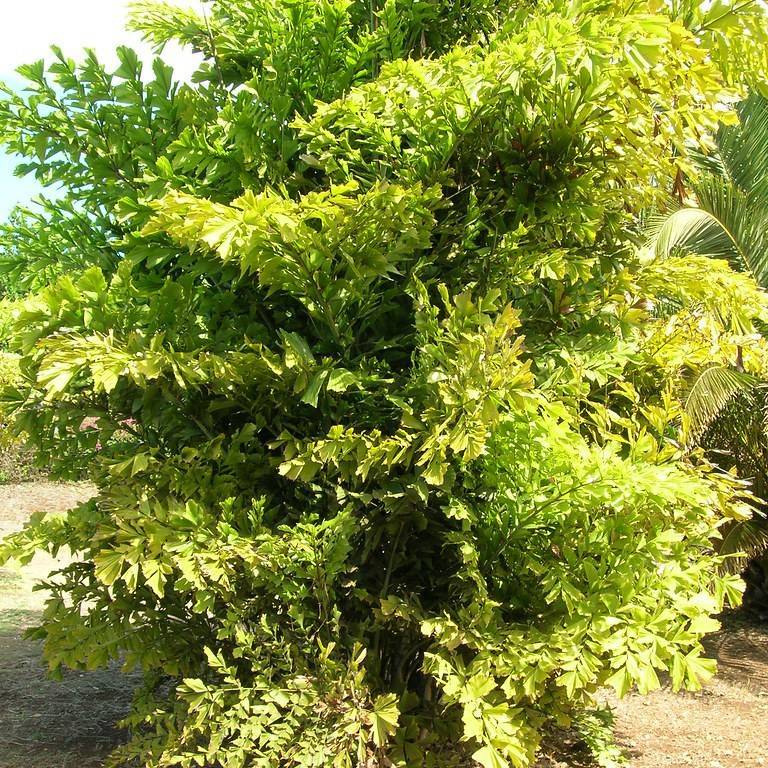
Fishtail Palm
Caryota mitis