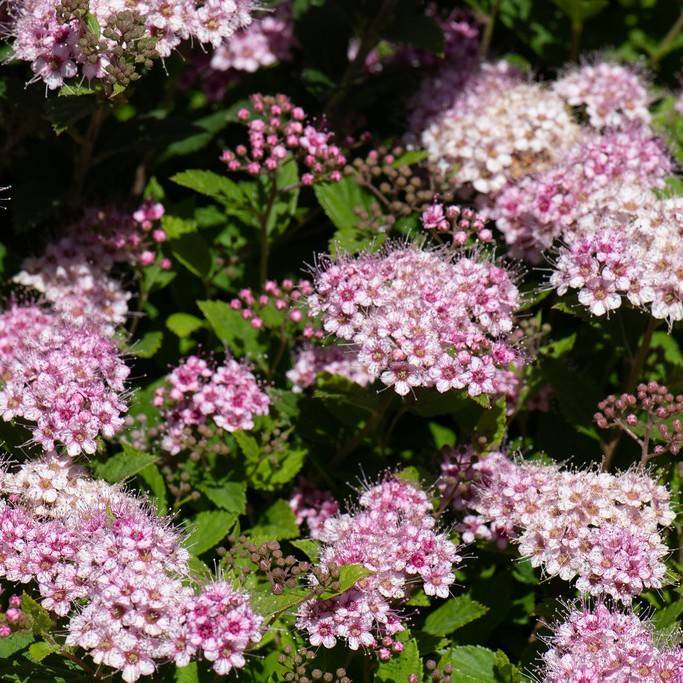
Japanese Meadowsweet
Spiraea japonica
Overview
Japanese Meadowsweet is a mounded deciduous shrub distinguished by its serrated, oval green leaves that often take on warm yellow, orange, or red hues in autumn. From late spring to mid-summer, it produces flat-topped clusters of tiny, vibrant flowers that attract pollinators including bees, butterflies, and beneficial hoverflies. It is widely cultivated as a landscape shrub across temperate regions, with many cultivars developed for varied flower colors and compact growth habits.
Care Guide
Watering
Water newly planted Japanese Meadowsweet regularly to keep the soil evenly moist for the first growing season as it establishes a robust root system. Once established, it is moderately drought tolerant, requiring supplemental watering only during extended periods of hot, dry weather to prevent leaf scorch and support consistent blooming. Avoid overwatering or planting in waterlogged sites, as this can lead to root rot and other fungal issues.
Light
Grow Japanese Meadowsweet in full sun to encourage the most abundant, vibrant flowering and a dense, well-shaped mounding form. It can tolerate partial shade, though plants grown in shadier conditions will produce fewer blooms and may develop a leggy, sparse growth habit over time. In regions with extremely hot, intense summer sun, light afternoon shade can help prevent leaf burn without significantly reducing flowering.
Soil
Japanese Meadowsweet adapts to a wide range of soil types, including sandy, loam, and clay soils, as long as the site offers good drainage. It prefers a slightly acidic to neutral soil pH between 6.0 and 7.0, though it can tolerate mildly alkaline conditions as well. Amending heavy clay or very sandy soils with organic matter such as compost before planting will improve soil structure, moisture retention, and nutrient availability for better growth.
Fertilizer
Feed established Japanese Meadowsweet once annually in early spring, just before new leaf growth emerges, using a balanced, slow-release granular shrub fertilizer. Avoid over-fertilizing, as excessive nitrogen can lead to lush, soft foliage growth that is more prone to pest infestations and reduces the abundance of flower clusters. Young, newly planted shrubs do not require fertilizer in their first growing season, as the nutrients in amended soil are sufficient to support establishment.
Temperature
Japanese Meadowsweet thrives in temperate climates, with a hardiness range suitable for USDA zones 4 through 8, tolerating winter lows down to -30°F (-34°C). It can tolerate occasional summer heat spikes up to 95°F (35°C) if provided with adequate moisture and protection from intense midday sun in warmer regions. Extreme, unseasonable late spring frosts can damage emerging new growth and flower buds, so covering young plants during unexpected cold snaps is recommended.
Pruning
Prune Japanese Meadowsweet in late winter or early spring before new growth begins to remove dead, damaged, or crossing branches and maintain a neat, mounded shape. For older, overgrown shrubs, perform a rejuvenation pruning every 3-4 years by cutting the entire plant back to 6-12 inches (15-30 cm) above the soil line to encourage fresh, vigorous new growth and abundant flowering. After the initial summer bloom period, lightly trimming off spent flower clusters can encourage a smaller second flush of blooms later in the season.
Propagation
Japanese Meadowsweet is most commonly propagated from softwood cuttings taken in early summer, using 4-6 inch (10-15 cm) stem tips stripped of lower leaves and rooted in a moist, well-draining potting mix under indirect light. It can also be propagated by division in early spring or late fall, by digging up mature clumps and separating them into smaller sections with healthy root systems and multiple growing points before replanting. While it can be grown from seed, cultivars will not come true from seed, so vegetative propagation methods are preferred for maintaining consistent flower color and growth habit.
Humidity
Japanese Meadowsweet prefers average ambient humidity levels between 40% and 60%, which is typical of most temperate growing regions. It can tolerate slightly higher humidity in coastal areas, provided there is good air circulation around the foliage to prevent fungal leaf spot diseases. It does not thrive in extremely arid conditions, so occasional misting or mulching around the base to retain soil moisture can help support growth in dry, low-humidity climates.
Repotting
Japanese Meadowsweet is primarily grown in landscape settings, but if cultivated in containers, repot young plants every 1-2 years in early spring before new growth emerges, moving to a pot one size larger with fresh, well-draining potting mix. Mature container-grown plants can be repotted every 3-4 years, or when roots begin to grow out of the drainage holes and the plant shows signs of reduced vigor or water runs straight through the pot. When repotting, gently loosen bound roots and trim away any rotten or damaged root sections to encourage healthy new root growth.
Uses & Symbolism
Japanese Meadowsweet is widely used as an ornamental shrub in landscape borders, foundation plantings, pollinator gardens, and mass plantings for erosion control on sloped sites. Its long-lasting cut flower clusters are popular for fresh floral arrangements, and dried clusters can be used in dried wreaths and craft projects. Some indigenous communities historically used parts of the plant for traditional medicinal purposes to treat mild pain and inflammation, though it is not widely used for this purpose today.
Diseases & Pests
Japanese Meadowsweet is relatively pest and disease resistant, but it can be susceptible to fungal issues including leaf spot, powdery mildew, and root rot when grown in poorly drained soil or conditions with high humidity and poor air circulation. Common pests that may infest the plant include aphids, spider mites, and scale insects, which can be controlled with insecticidal soap, neem oil, or horticultural oil sprays applied at the first sign of infestation. Deer and rabbit browsing is rare, as the foliage has a slightly bitter taste that discourages most herbivores from feeding heavily on the plant.
Related plants
Other plants you might like if you grow Japanese Meadowsweet.
%22%2F%3E%0A%20%20%20%20%20%20%3Ccircle%20cx%3D%22920%22%20cy%3D%22180%22%20r%3D%2290%22%20fill%3D%22%23cfe8d5%22%2F%3E%0A%20%20%20%20%20%20%3Cpath%20d%3D%22M600%20590c-90-180-215-255-310-280%200%20165%20118%20296%20270%20296h40z%22%20fill%3D%22%2379b88e%22%2F%3E%0A%20%20%20%20%20%20%3Cpath%20d%3D%22M600%20590c80-150%20198-212%20302-228-8%20142-123%20255-270%20255h-32z%22%20fill%3D%22%235c9f73%22%2F%3E%0A%20%20%20%20%20%20%3Cpath%20d%3D%22M600%20610V360%22%20stroke%3D%22%234f8c64%22%20stroke-width%3D%2218%22%20stroke-linecap%3D%22round%22%2F%3E%0A%20%20%20%20%20%20%3Ctext%20x%3D%22600%22%20y%3D%22700%22%20text-anchor%3D%22middle%22%20font-family%3D%22Arial%2C%20sans-serif%22%20font-size%3D%2244%22%20fill%3D%22%23365c45%22%3E%0A%20%20%20%20%20%20%20%20Plant%20image%20coming%20soon%0A%20%20%20%20%20%20%3C%2Ftext%3E%0A%20%20%20%20%3C%2Fsvg%3E%0A%20%20)
Hebe
Hebe spp.
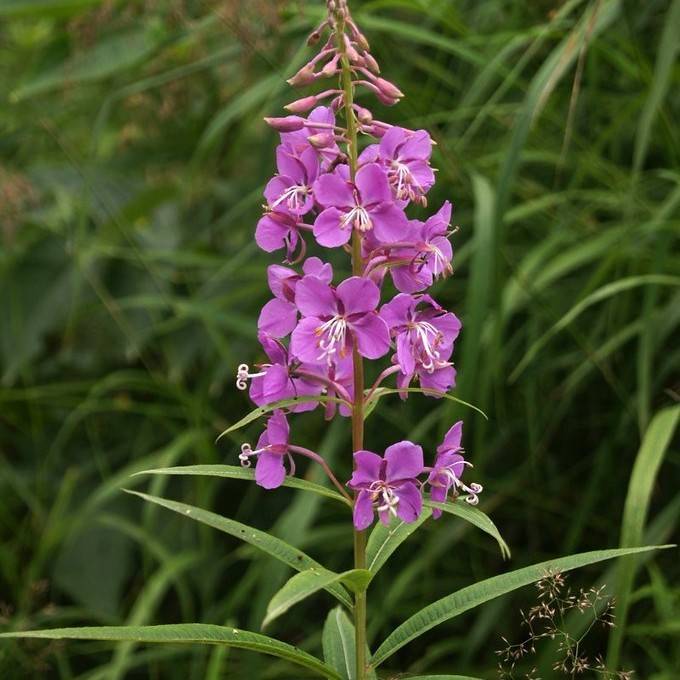
Hybrid Fireweed
Chamerion angustifolium 'Album' or interspecific Chamerion hybrids

Kalimeris
Kalimeris indica
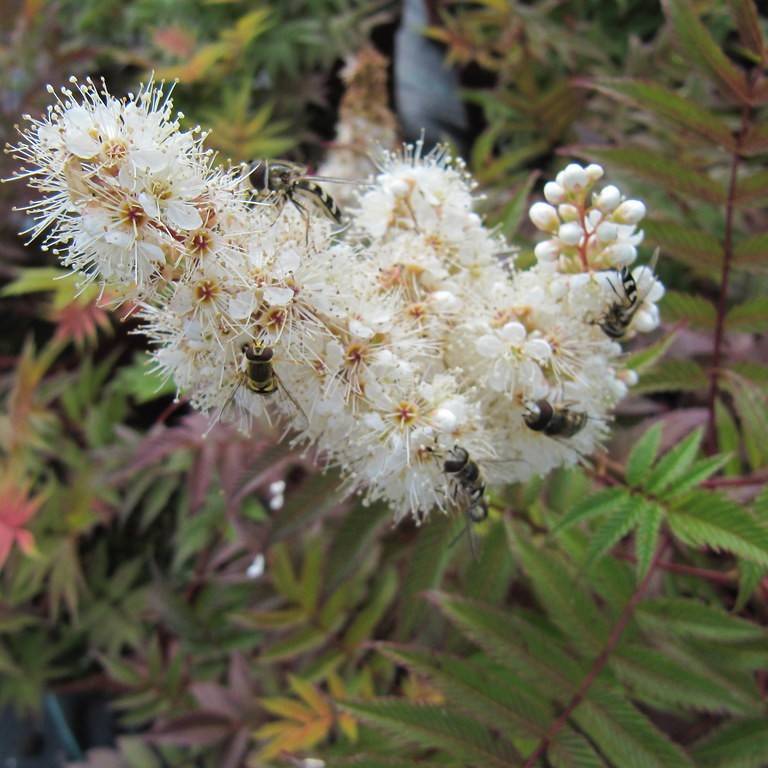
False Spiraea
Sorbaria sorbifolia
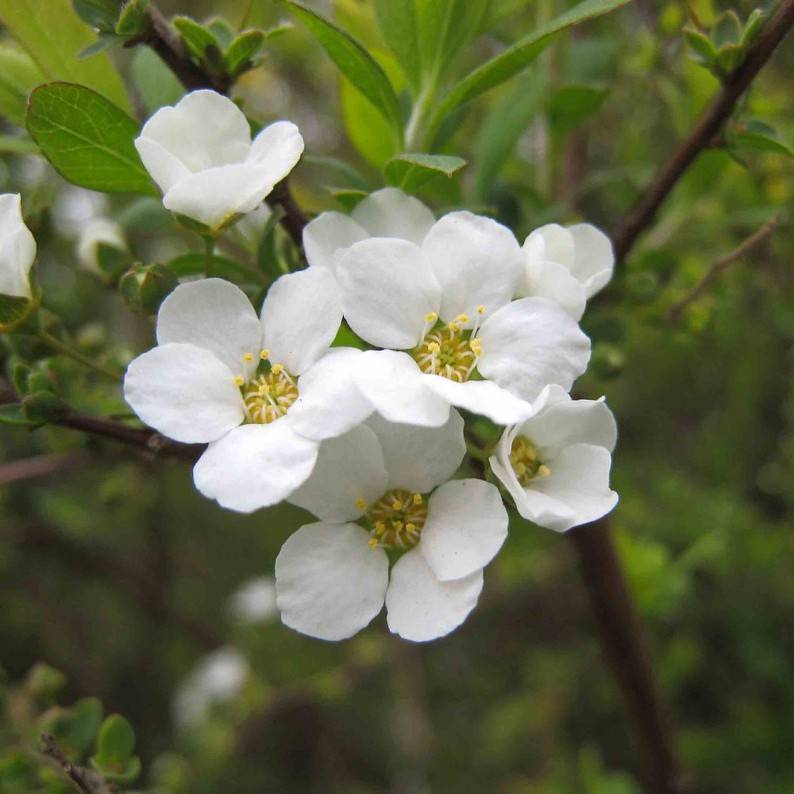
Bridal Wreath Spiraea
Spiraea prunifolia
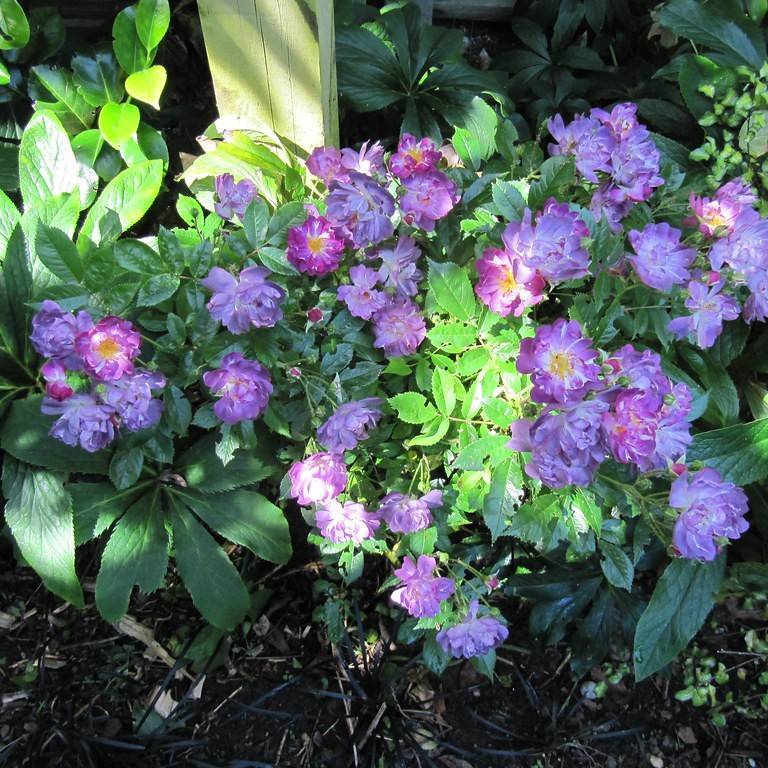
Hybrid Multiflora Rose
Rosa multiflora 'Hybrida'
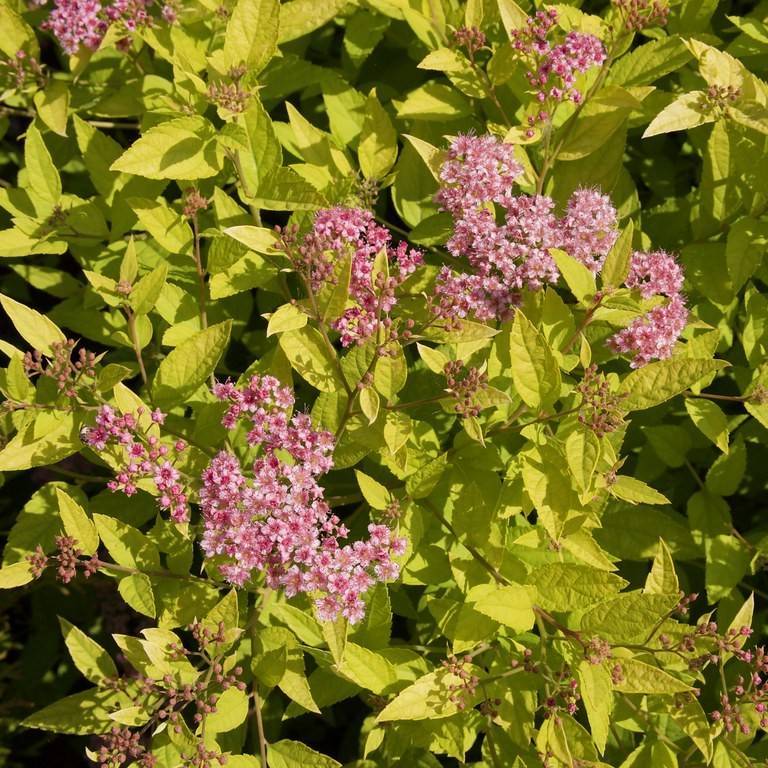
Japanese Spirea
Spiraea japonica
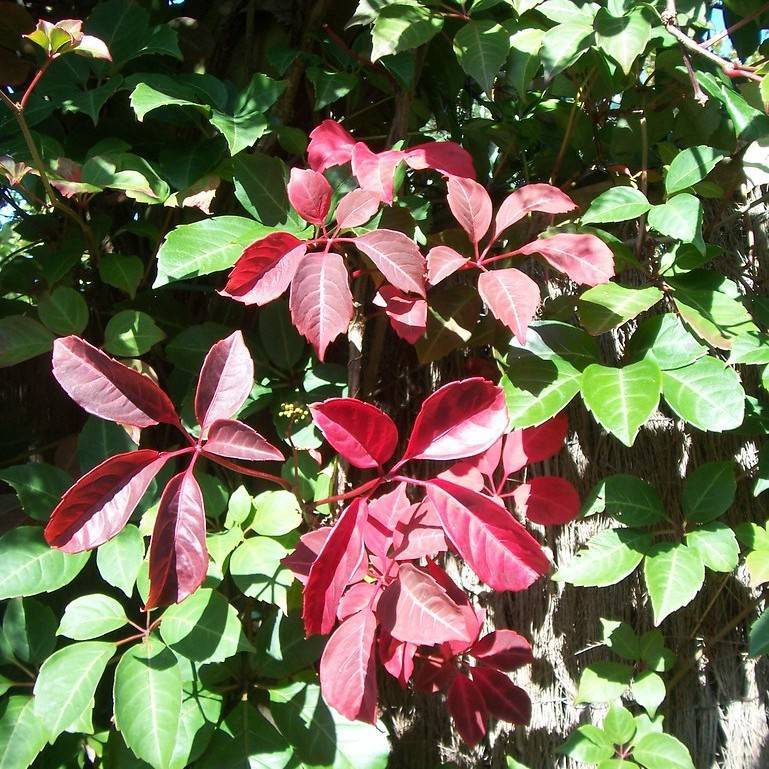
Henry's Virginia Creeper
Parthenocissus henryana