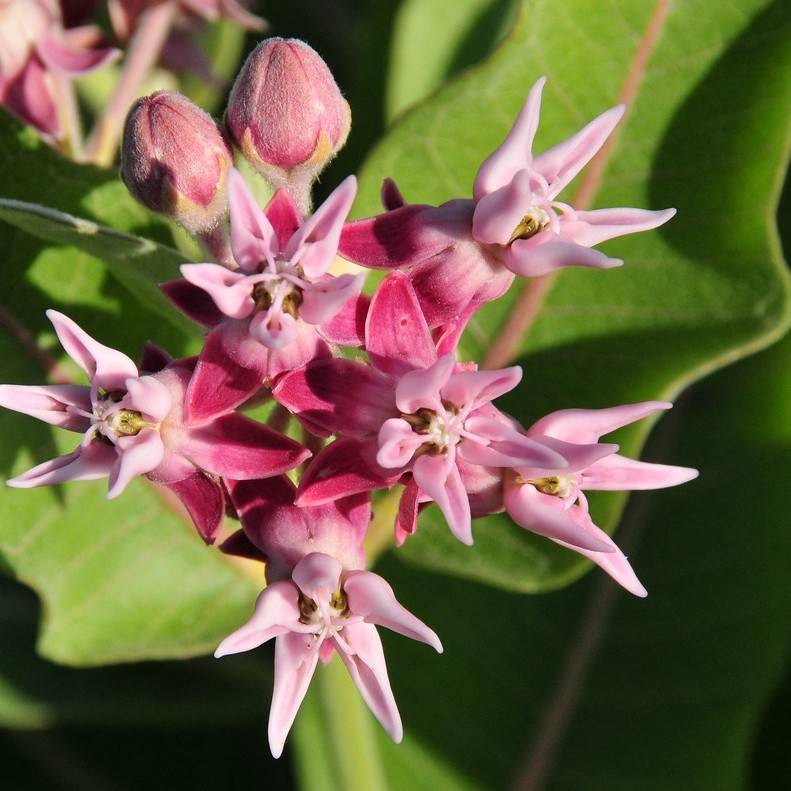
Hybrid Milkweed
Asclepias x hybrida
Overview
Hybrid milkweed is a cross between wild Asclepias species, bred for extended bloom periods, diverse flower colors, and improved garden performance compared to native parent plants. It produces dense umbels of pink, purple, orange, or white flowers from early summer to early fall, followed by distinctive horn-shaped seed pods that split open to release fluffy, wind-dispersed seeds. Like all milkweeds, it serves as a critical host plant for monarch butterfly caterpillars, which feed exclusively on its foliage, while nectar-rich blooms support a wide range of pollinators including bees, hummingbirds, and other butterfly species.
Care Guide
Watering
Hybrid milkweed is drought-tolerant once established, requiring regular watering only during its first growing season to help roots develop deeply. Mature plants need supplemental water only during extended periods of extreme heat or drought, as overwatering can lead to root rot. Allow the top 1-2 inches of soil to dry out completely between waterings to prevent fungal issues.
Light
This plant thrives in full sun, requiring a minimum of 6 hours of direct, unfiltered sunlight per day to produce abundant blooms and strong, upright growth. It can tolerate very light partial shade, but insufficient light will lead to leggy growth, reduced flowering, and increased susceptibility to pest infestations. Plant it in the sunniest location in your garden for optimal performance.
Soil
Hybrid milkweed adapts well to most well-draining soil types, including sandy, loam, and clay soils, as long as they do not stay saturated for long periods. It prefers a neutral to slightly acidic soil pH between 6.0 and 7.5, but can tolerate mildly alkaline conditions as well. Avoid heavy, waterlogged soils, which will quickly cause root rot and kill the plant.
Fertilizer
This low-maintenance plant rarely requires fertilizer, as it thrives in average to poor soil conditions; excessive fertilization will encourage lush foliage growth at the expense of blooms and may reduce the concentration of cardiac glycosides that protect monarch caterpillars from predators. If grown in extremely nutrient-poor soil, you can apply a thin layer of compost around the base of the plant in early spring to provide a gentle, slow-release nutrient boost. Avoid high-nitrogen synthetic fertilizers entirely.
Temperature
Hybrid milkweed is cold-hardy in USDA zones 3 through 9, tolerating winter temperatures as low as -40°F (-40°C) once established. It dies back to the ground completely in winter, re-emerging from underground rhizomes in mid to late spring when soil temperatures consistently rise above 60°F (15°C). It tolerates summer temperatures up to 100°F (38°C) without issue, as long as it receives adequate moisture during extreme heat.
Pruning
Minimal pruning is required for hybrid milkweed; you can deadhead spent flower clusters throughout the summer to encourage additional blooming and prevent unwanted self-seeding if you do not want the plant to spread. In late fall or early winter, after the first frost has killed back the foliage, cut stems down to 2-3 inches above the soil line to remove overwintering sites for pests and diseases. If you live in an area where monarchs overwinter, avoid cutting back stems until early spring to leave potential overwintering habitat for beneficial insects.
Propagation
Hybrid milkweed is most commonly propagated by seed, which requires a 30-day cold stratification period to break dormancy before sowing; sowing stratified seeds directly outdoors in early spring, or indoors 6-8 weeks before the last frost date, will yield high germination rates. It can also be propagated by root cuttings taken in late fall or early winter when the plant is dormant, by cutting 2-3 inch sections of healthy rhizome and planting them horizontally in moist, well-draining soil. Note that seeds saved from hybrid plants will not grow true to the parent plant, as they will revert to the traits of the original parent species.
Humidity
Hybrid milkweed tolerates a wide range of humidity levels, from arid low-humidity regions to humid subtropical climates, as long as it is planted in well-draining soil and receives adequate air circulation. High humidity combined with poor air flow can increase the risk of fungal leaf spot and powdery mildew, so space plants 18-24 inches apart to allow air to circulate freely around the foliage. It does not require any supplemental humidity when grown outdoors, and is not suitable for indoor growing due to its high light and space requirements.
Repotting
Hybrid milkweed is rarely grown in containers long-term, as it develops a deep taproot that can become cramped in pots, leading to reduced growth and flowering. If grown in a container, repot it every 2-3 years in early spring before new growth emerges, moving it to a pot that is 2-3 inches larger in diameter than the previous one, using a well-draining potting mix amended with perlite or sand to improve drainage. Ensure the pot has multiple drainage holes to prevent water from pooling at the bottom, and avoid overpotting, as excess soil can hold too much moisture and cause root rot.
Uses & Symbolism
Hybrid milkweed is primarily planted in pollinator gardens, butterfly gardens, and native plant landscapes to support monarch butterflies and other beneficial pollinator species. Its showy, long-lasting blooms make it a popular choice for mixed perennial borders, cottage gardens, and cut flower arrangements, as the flowers hold up well in vases and add vibrant color to bouquets. It is also used in erosion control plantings on slopes and disturbed sites, as its deep root system helps stabilize soil and prevent runoff.
Diseases & Pests
Hybrid milkweed is relatively resistant to most pests and diseases, but can be susceptible to aphids, particularly oleander aphids, which cluster on new growth and flower stems; these can be controlled with a strong spray of water or insecticidal soap, avoiding broad-spectrum pesticides that will harm monarch caterpillars. Overwatering or poor drainage can lead to root rot and fungal diseases such as powdery mildew and leaf spot, which can be prevented by planting in well-draining soil, spacing plants for adequate air circulation, and avoiding overhead watering. In areas where non-native tropical milkweed is common, hybrid milkweed may host the protozoan parasite Ophryocystis elektroscirrha (OE), which can harm monarch butterflies; cutting back stems in late fall reduces OE spore buildup.
Guides that mention Hybrid Milkweed
Related plants
Other plants you might like if you grow Hybrid Milkweed.
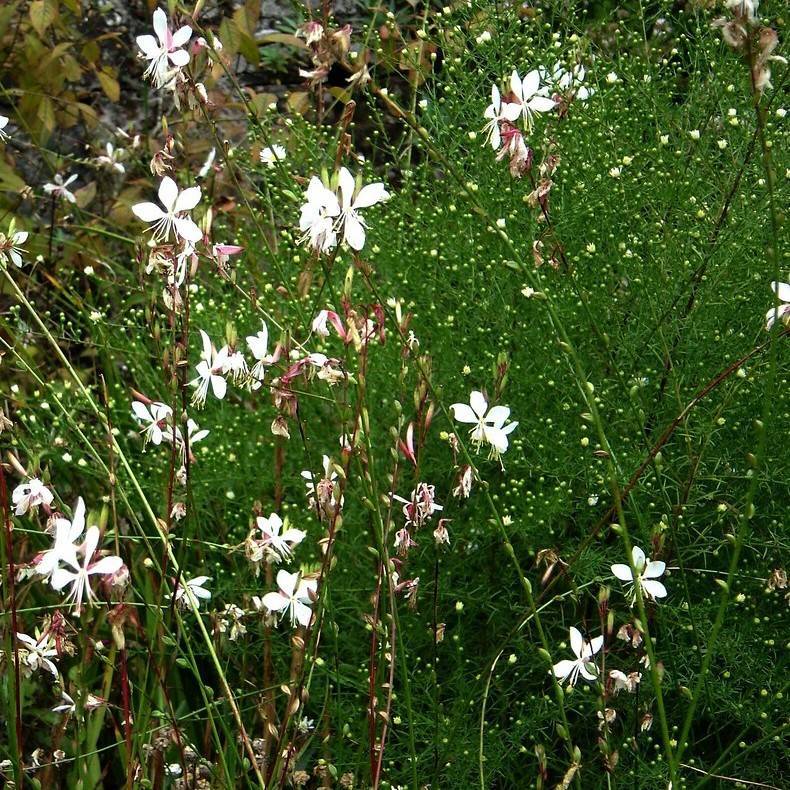
Gaura
Oenothera lindheimeri

Blanket Flower
Gaillardia aristata
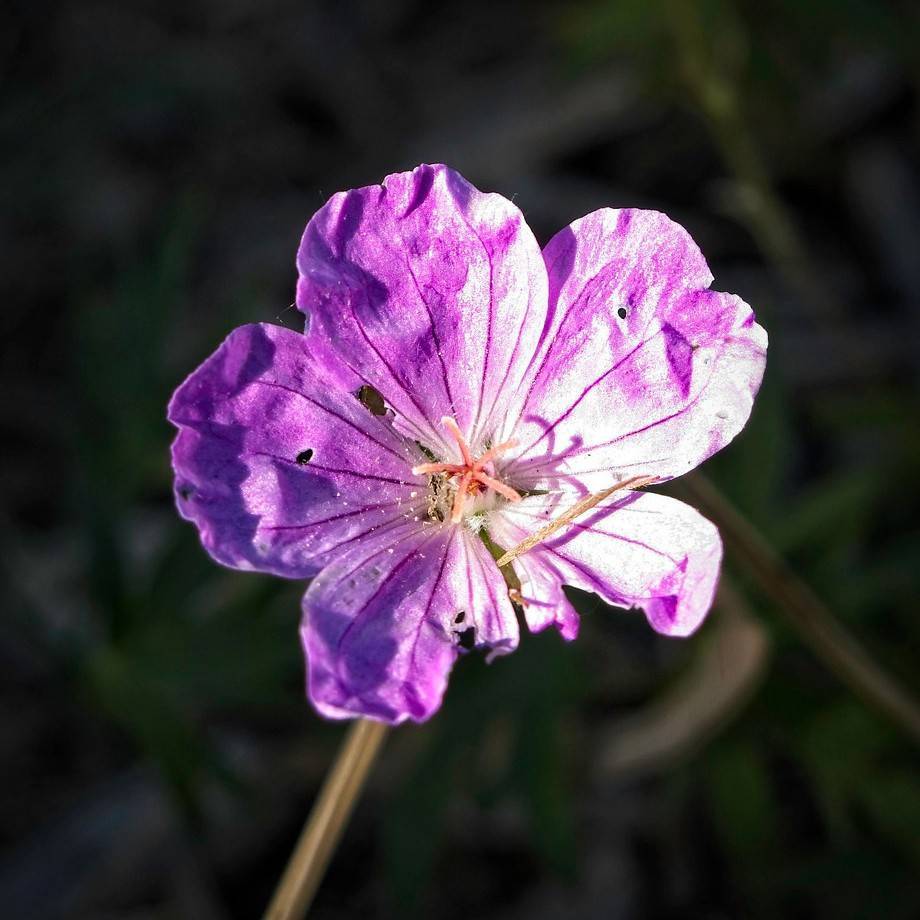
Bloody Cranesbill
Geranium sanguineum
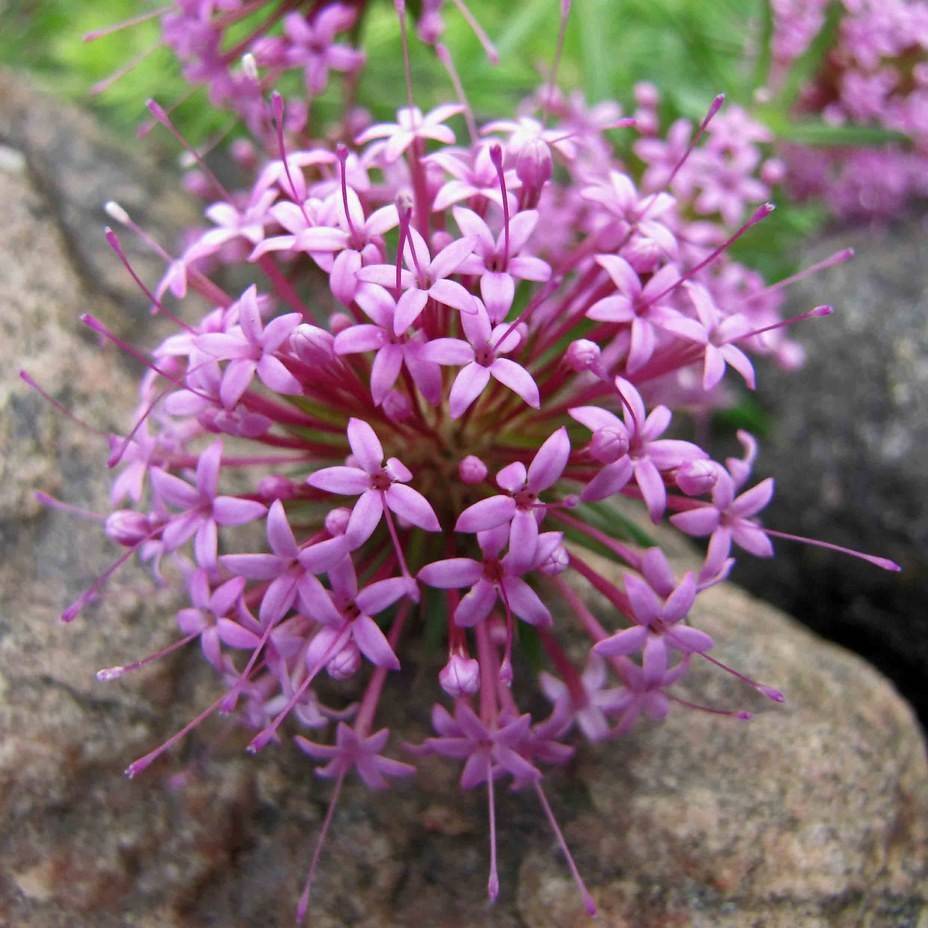
Caucasian Crosswort
Phuopsis stylosa

Bellflower Beardtongue
Penstemon campanulatus
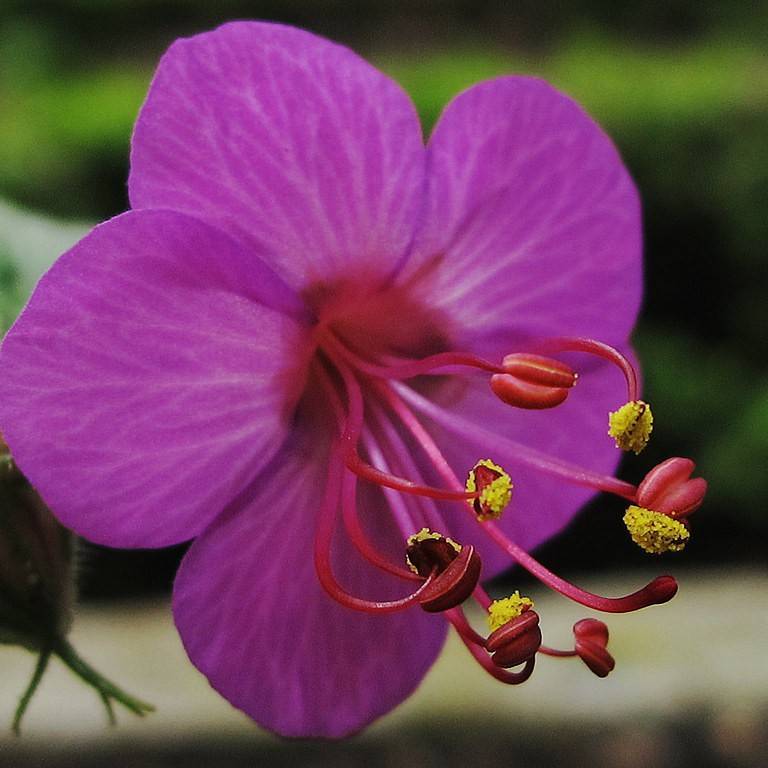
Bigroot Geranium
Geranium macrorrhizum
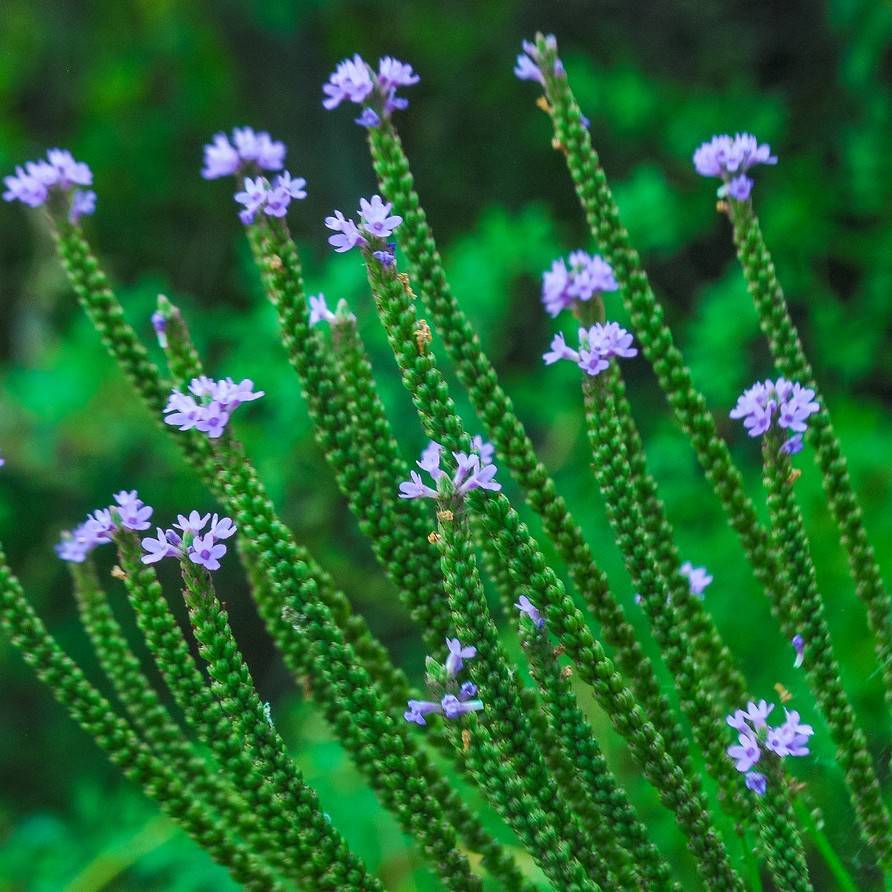
Hoary Vervain
Verbena stricta
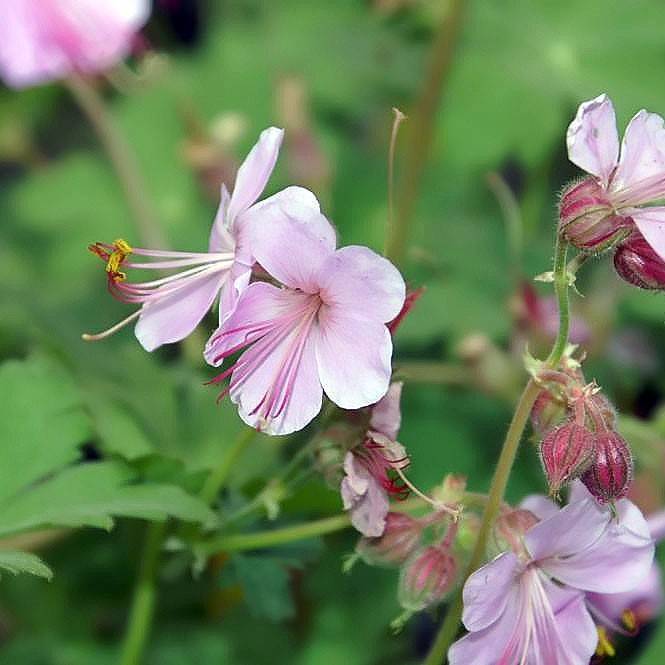
Ingwersen's Variety Bigroot Geranium
Geranium macrorrhizum 'Ingwersen's Variety'