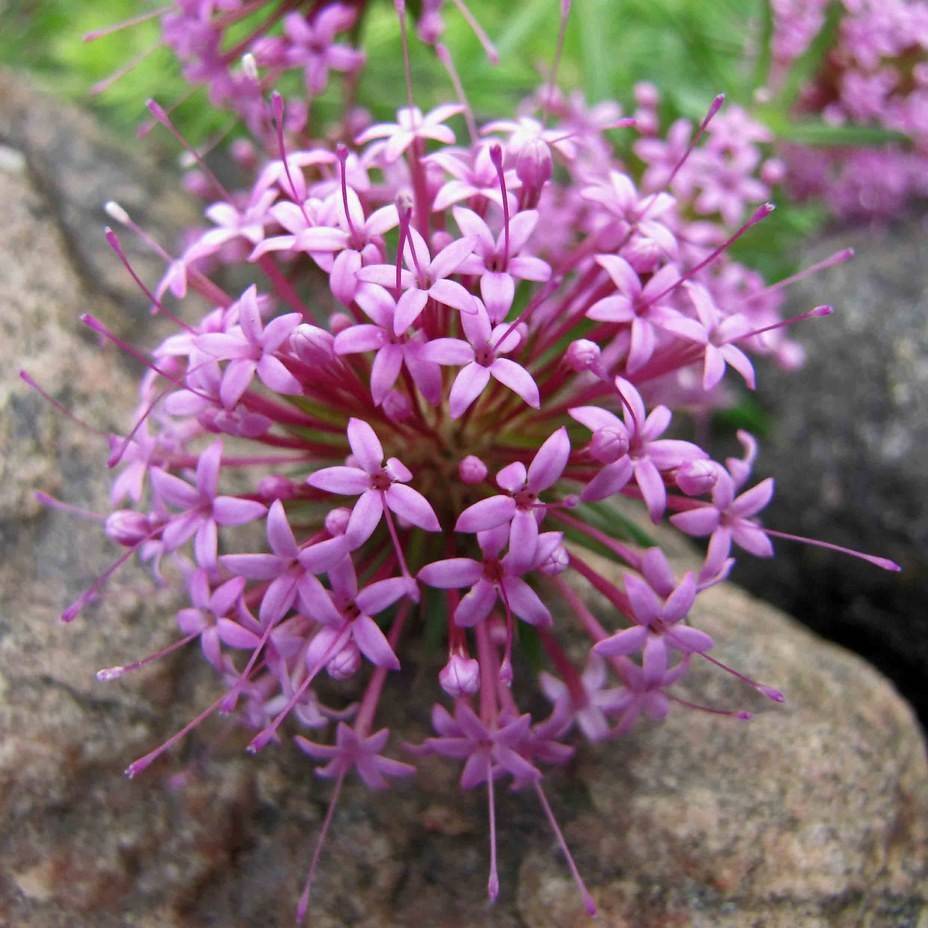
Caucasian Crosswort
Phuopsis stylosa
Overview
Caucasian Crosswort is a spreading herbaceous perennial prized for its dense, low-growing mats of narrow, bright green whorled leaves and clusters of tiny, star-shaped pink flowers that emit a subtle, sweet vanilla-like fragrance. It blooms profusely from late spring to mid-summer, attracting bees, butterflies, and other beneficial pollinators to garden spaces. Native to rocky slopes and open woodland edges in its native Caucasus range, it adapts well to a wide range of temperate garden conditions and is often used to suppress weed growth in sunny borders.
Care Guide
Watering
Water newly planted Caucasian Crosswort regularly to keep the soil evenly moist for the first growing season, helping it establish a strong root system. Once established, it is highly drought-tolerant, requiring only occasional watering during prolonged periods of extreme heat or dryness, as overwatering can lead to root rot. Avoid soggy soil, especially in winter, as excess moisture around the crown will cause the plant to decline.
Light
Thrives in full sun, which encourages the densest growth and most abundant flowering, requiring a minimum of 6 hours of direct sunlight per day for optimal performance. It can tolerate partial shade, especially in regions with very hot summer afternoons, but may become leggy and produce fewer blooms in low-light conditions. Avoid planting in full shade, as this will cause the mat to thin out and leave gaps prone to weed invasion.
Soil
Adaptable to a wide range of well-drained soil types, including sandy, loamy, and even poor, rocky soils where many other groundcovers struggle to grow. It prefers a neutral to slightly alkaline pH, but will tolerate mildly acidic conditions as long as drainage is excellent. Heavy clay soils that hold water should be amended with coarse sand or gravel before planting to improve drainage and prevent root rot.
Fertilizer
Caucasian Crosswort has low nutrient requirements and rarely needs regular fertilization, especially when grown in average garden soil. A light application of balanced, slow-release granular fertilizer in early spring can be used to boost growth in very poor, nutrient-depleted soils, but over-fertilization will cause excessive, leggy growth that reduces the plant’s groundcover density. Avoid using high-nitrogen fertilizers, as they will encourage leaf growth at the expense of flower production.
Temperature
Hardy in USDA zones 4 through 8, tolerating winter temperatures as low as -30°F (-34°C) without special protection once established. It thrives in summer temperatures between 60-85°F (15-29°C), and can withstand short periods of heat above 90°F (32°C) if provided with occasional deep watering. In regions with extremely hot, humid summers, it benefits from light afternoon shade to prevent leaf scorch.
Pruning
Prune back by one-third to one-half after flowering ends in mid-summer to encourage fresh, compact new growth and prevent the plant from becoming woody or sprawling. Trim back any stray, overreaching stems at any point during the growing season to maintain the desired spread and prevent it from overtaking smaller, slower-growing neighboring plants. In late winter or early spring, remove any dead or damaged foliage to make way for new spring growth.
Propagation
Easily propagated by division in early spring or late fall, simply by digging up mature clumps, separating them into smaller sections with intact roots, and replanting them at the same depth they were growing previously. Stem cuttings can be taken from soft, new growth in late spring or early summer, rooted in moist, well-drained potting mix with bottom heat, and transplanted outdoors once roots are well established. It will also self-seed gently in optimal growing conditions, with volunteer seedlings easily transplanted to new locations or removed if unwanted.
Humidity
Tolerates average ambient humidity levels common in temperate growing regions, with no special humidity requirements needed for healthy growth. It can withstand periods of low humidity, making it well-suited for dry, sunny rock gardens and xeriscape landscapes. In regions with very high summer humidity, ensure the plant has good air circulation around its foliage to prevent fungal leaf spot diseases.
Repotting
Caucasian Crosswort is almost exclusively grown as an outdoor garden plant, so repotting is rarely required unless it is being grown temporarily in a container for landscape use. If grown in a pot, repot every 2-3 years in early spring, using a well-drained, sandy potting mix and selecting a container only slightly larger than the current root ball to avoid excess soil moisture. Outdoor plants can be lifted and divided every 3-4 years to control spread and rejuvenate older, woody clumps that have developed bare centers.
Uses & Symbolism
Widely used as a low-growing groundcover for sunny borders, rock gardens, xeriscapes, and slopes where its dense mat suppresses weed growth and prevents soil erosion. Its fragrant flowers make it a popular addition to pollinator gardens, as it attracts bees, butterflies, and beneficial insects throughout its bloom period, and its trailing growth habit works well in container planters and hanging baskets as a spiller plant. Dried flowers and foliage retain their mild vanilla scent, making them a subtle addition to potpourri blends.
Diseases & Pests
Caucasian Crosswort is relatively pest and disease resistant, with few common issues when grown in optimal conditions with good drainage and air circulation. Overly wet soil, especially in winter, can lead to root rot and fungal crown rot, which can be prevented by amending heavy soils before planting and avoiding overwatering. In high-humidity conditions with poor air flow, fungal leaf spots may appear, which can be managed by removing affected foliage and ensuring the plant has adequate space to allow air movement around its leaves; aphids and spider mites may occasionally infest stressed plants, and can be controlled with insecticidal soap or neem oil sprays.
Related plants
Other plants you might like if you grow Caucasian Crosswort.
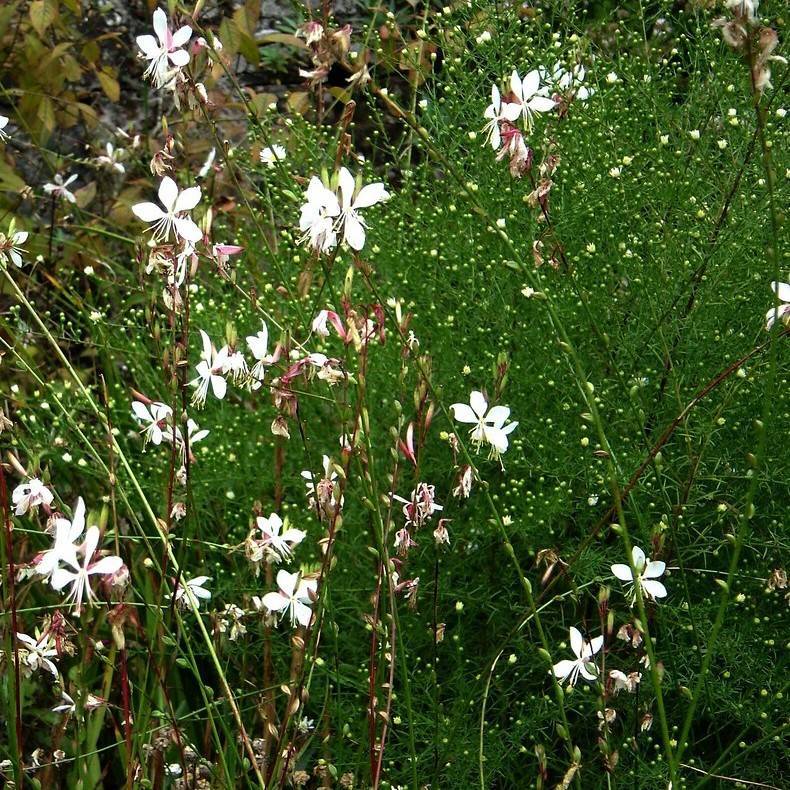
Gaura
Oenothera lindheimeri
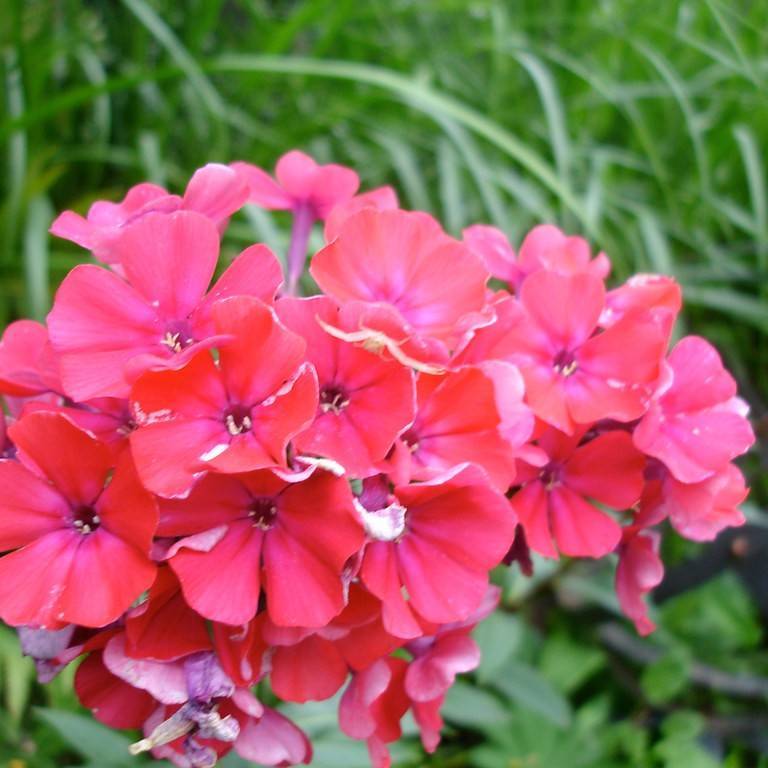
Garden Phlox
Phlox paniculata
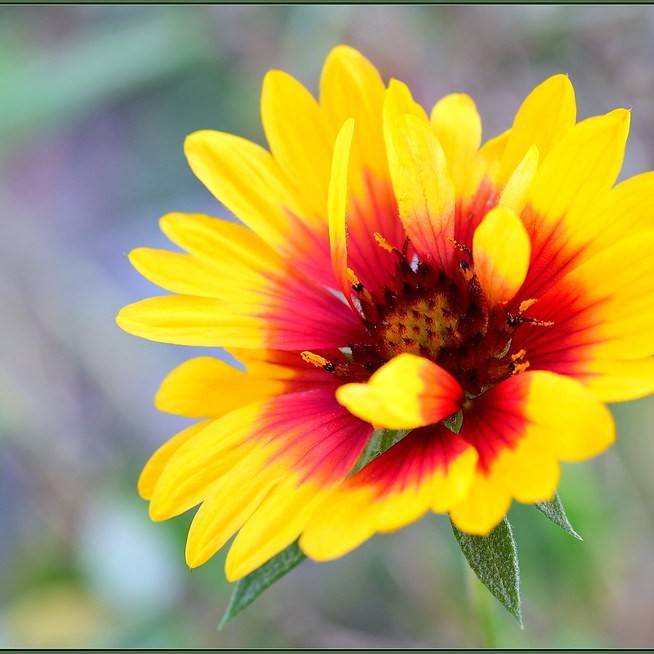
Blanket Flower
Gaillardia aristata
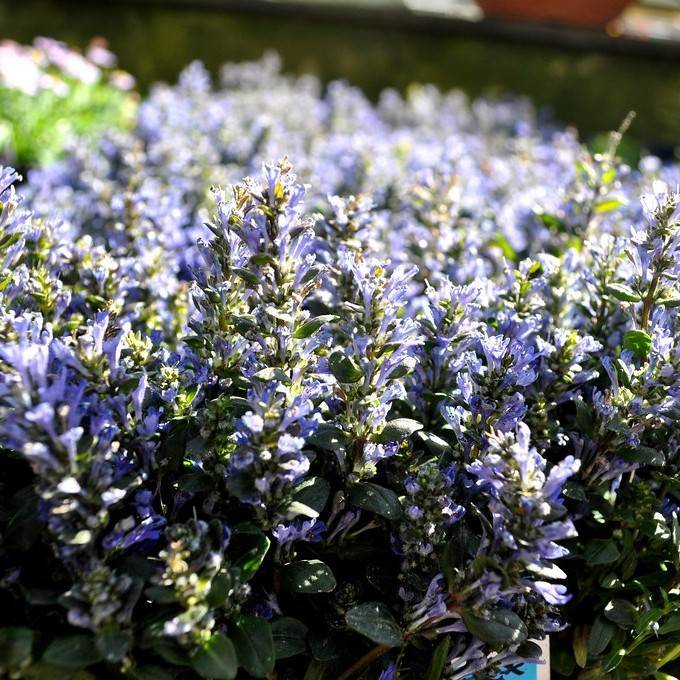
Chocolate Chip Carpet Bugle
Ajuga reptans 'Chocolate Chip'
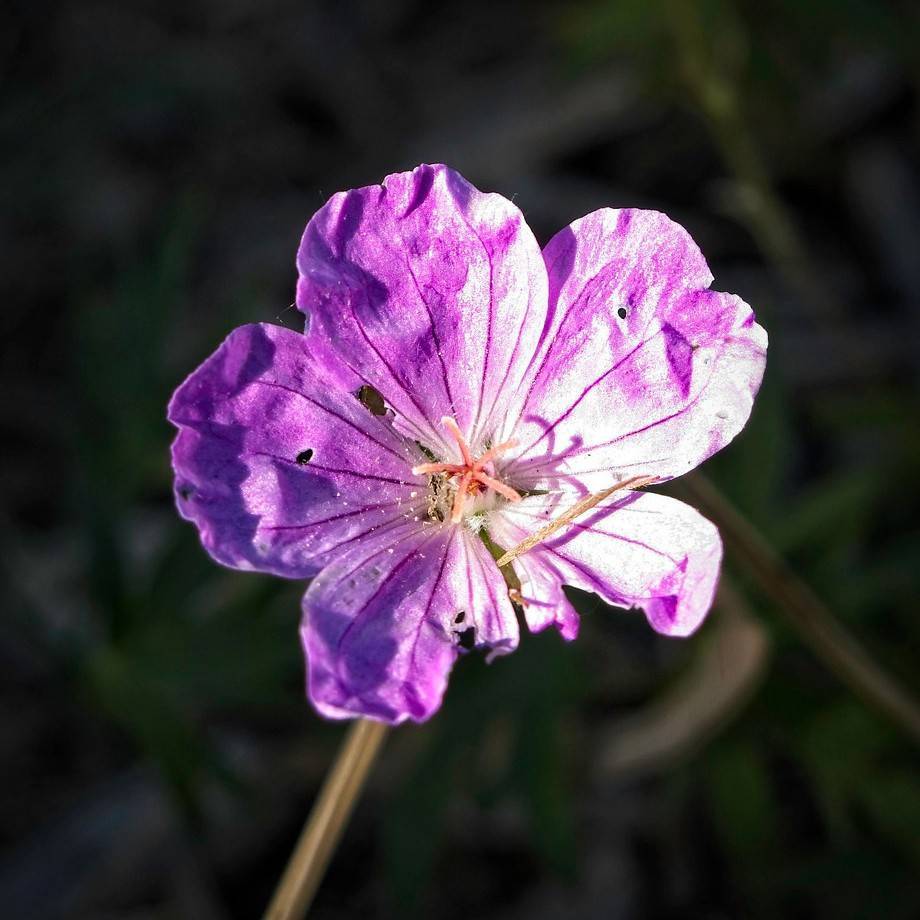
Bloody Cranesbill
Geranium sanguineum
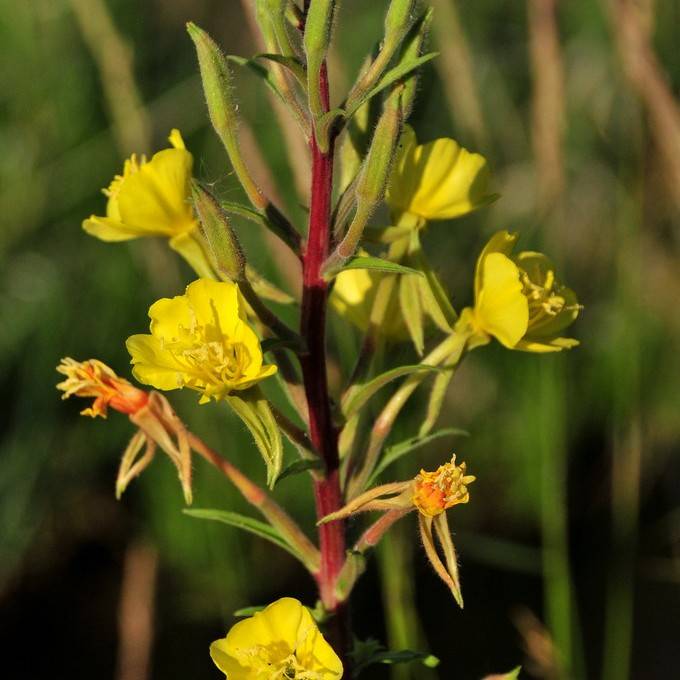
Dwarf Evening Primrose
Oenothera macrocarpa subsp. incana

Bellflower Beardtongue
Penstemon campanulatus
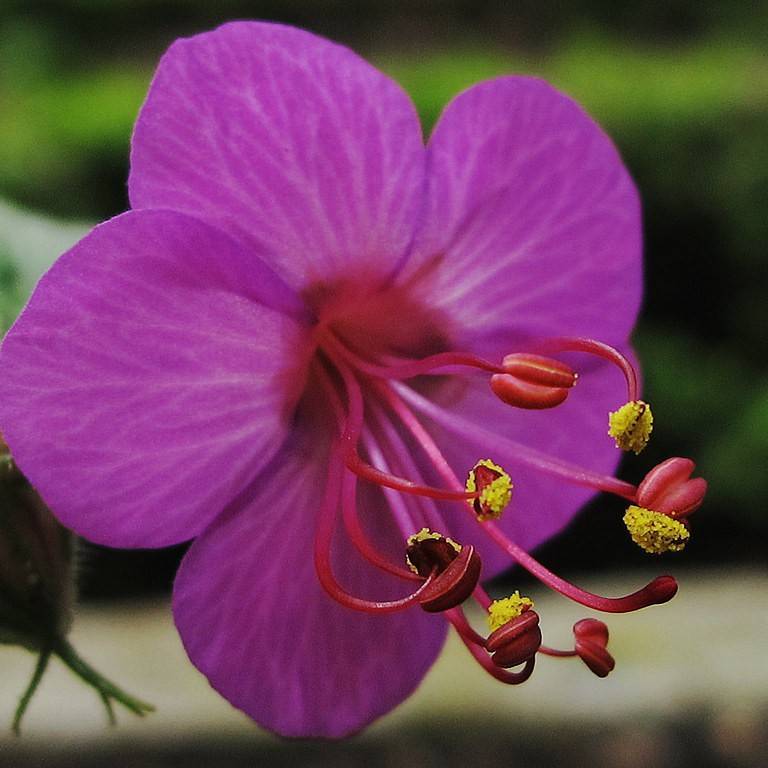
Bigroot Geranium
Geranium macrorrhizum