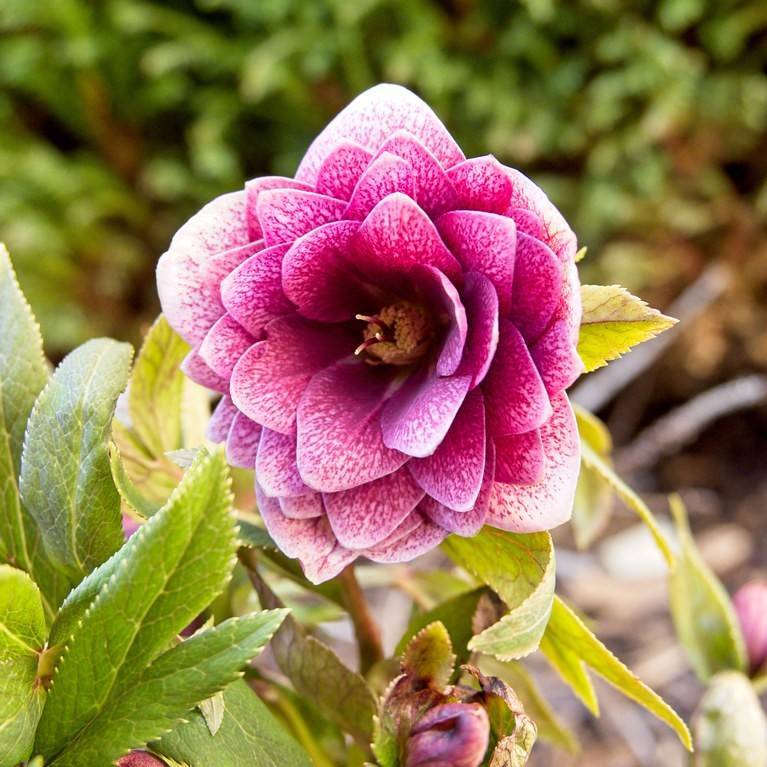
Hybrid Lenten Rose
Helleborus × hybridus
Overview
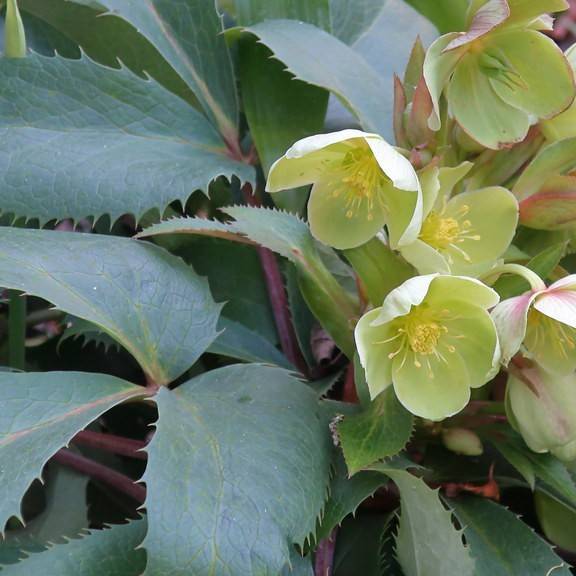
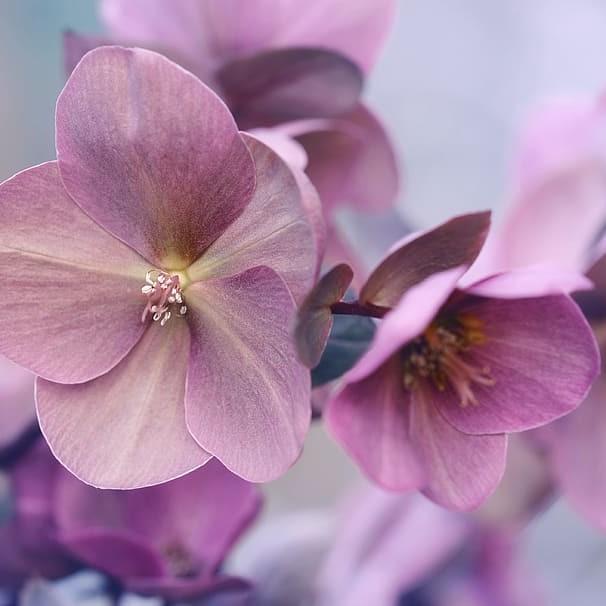
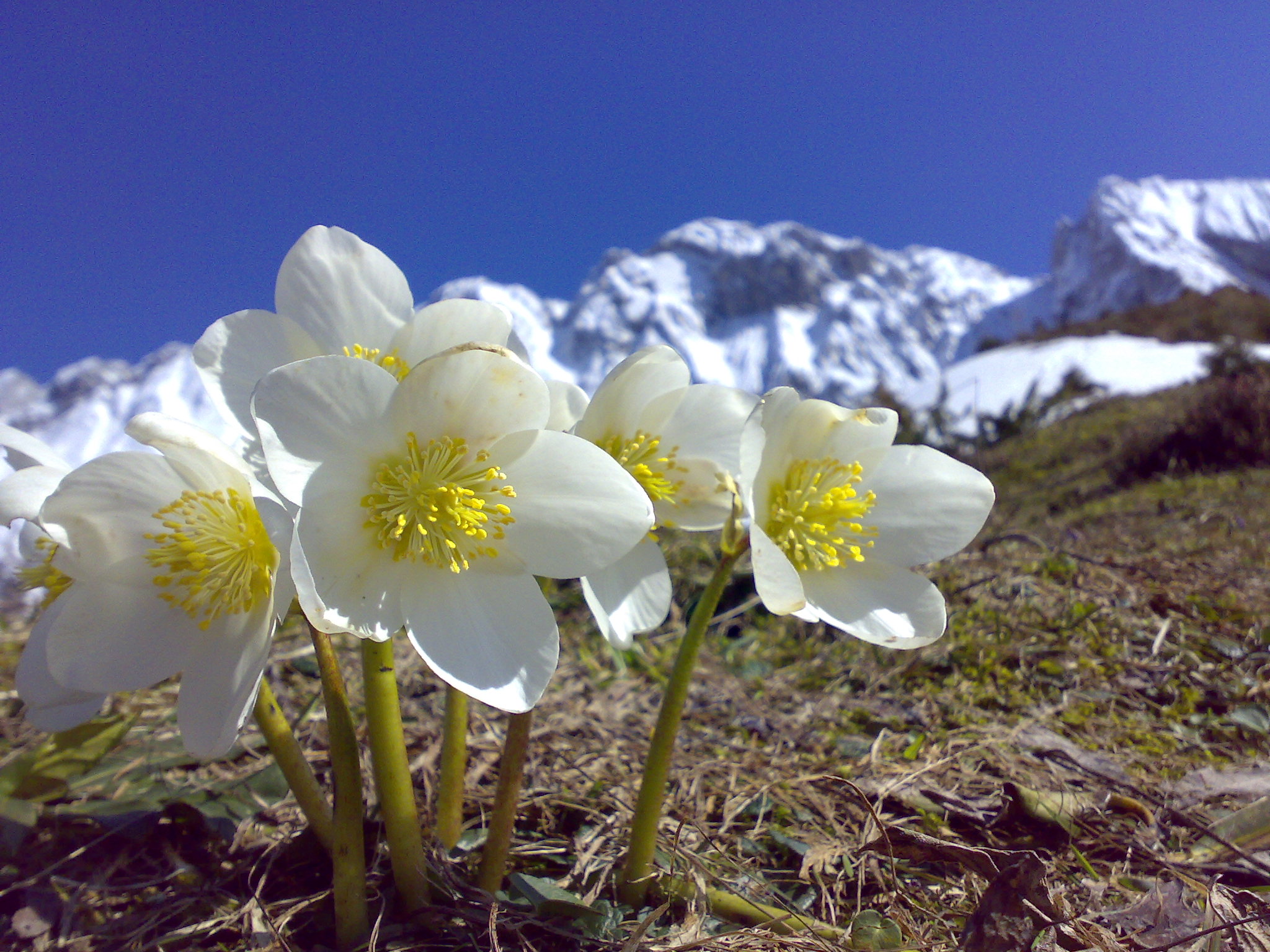
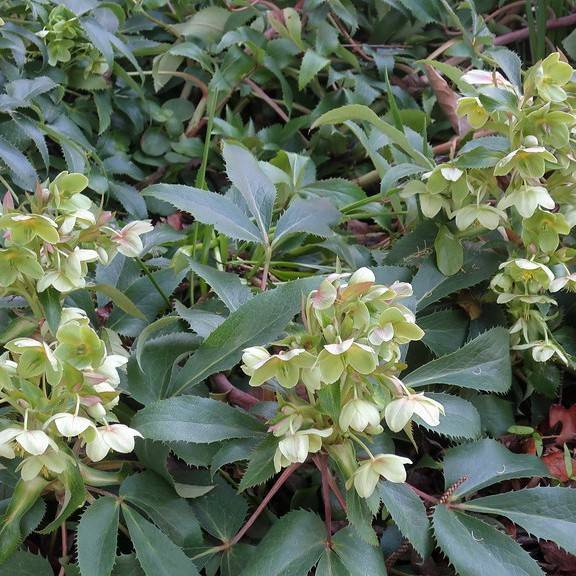
Hybrid Lenten Rose is a popular cool-season perennial named for its bloom period that aligns with the Christian Lenten season in late winter to early spring. Its nodding, long-lasting flowers come in shades of white, cream, pink, purple, green, and near-black, often with intricate speckling or contrasting centers. The glossy, leathery evergreen foliage provides year-round structure in shaded gardens, even under snow cover in temperate regions.
Care Guide
Watering
Water regularly to keep soil consistently moist but not waterlogged, especially during the first growing season as plants establish deep root systems. Once established, Hybrid Lenten Rose is moderately drought-tolerant, requiring supplemental water only during extended dry spells in summer. Avoid overwatering, as soggy soil can cause root rot and fungal issues.
Light
Thrives in partial to full shade, making it ideal for planting under deciduous trees or on the north side of buildings where it receives dappled sunlight in spring. It can tolerate limited morning sun, but harsh midday or afternoon sun will scorch its foliage and shorten bloom life. In cooler climates, it can handle slightly more sun as long as soil remains moist.
Soil
Requires rich, well-drained soil with high organic matter content and a neutral to slightly alkaline pH, though it will adapt to slightly acidic conditions as well. Amend heavy clay or sandy soils with compost, leaf mold, or well-rotted manure before planting to improve texture and nutrient content. Ensure the planting site does not collect standing water, as this will quickly kill the plant’s shallow root system.
Fertilizer
Apply a balanced, slow-release granular fertilizer in early spring just as new growth emerges, followed by a light topdressing of compost or well-rotted manure in fall to support root development. Avoid high-nitrogen fertilizers, which can promote excessive foliage growth at the expense of blooms. Potted specimens benefit from a diluted liquid fertilizer applied once every 4 weeks during the active growing season from spring to early summer.
Temperature
Prefers cool temperate climates, thriving in USDA hardiness zones 4 through 9, withstanding winter temperatures as low as -30°F (-34°C) when planted in the ground. It requires a period of winter chill to produce abundant blooms the following spring, and will not perform well in regions with consistently warm, frost-free winters. Extreme summer heat above 90°F (32°C) may cause foliage to wilt, though plants will recover once temperatures cool.
Pruning
Remove old, tattered evergreen foliage in late winter just before new flower stalks emerge to improve air circulation and showcase the emerging blooms. Snip off spent flower stalks at the base after blooming finishes to prevent self-seeding if you do not want volunteer seedlings to spread throughout your garden. Avoid cutting back healthy new foliage, as it will remain evergreen and provide year-round visual interest.
Propagation
Most commonly propagated by division in early fall, carefully separating mature clumps into smaller sections with at least 2-3 growing points each, replanting immediately at the same depth they were growing. Hybrid cultivars do not grow true from seed, so collected seed will produce variable blooms that may not match the parent plant’s characteristics. Seed propagation is typically only used for breeding new varieties, as seed-grown plants take 2-3 years to reach flowering size.
Humidity
Tolerates average ambient humidity levels common in temperate garden environments, with no special humidity requirements. High humidity combined with poor air circulation can increase the risk of fungal leaf spot diseases, so space plants 1-2 feet apart to allow for adequate airflow around foliage. It does not perform well in overly dry, arid conditions unless provided with consistent moisture and shade.
Repotting
Potted Hybrid Lenten Rose should be repotted every 2-3 years in late fall or early spring, moving to a container one size larger with fresh, organic-rich potting mix. Ensure the pot has ample drainage holes to prevent waterlogging, and plant at the same depth as the previous container to avoid burying the crown, which can cause rot. Once plants reach their desired mature size, refresh the top 2 inches of potting mix annually instead of repotting into a larger container.
Uses & Symbolism
Widely planted as a shade garden ornamental, providing early-season color when few other plants are in bloom, and evergreen foliage for year-round structure. It is an excellent cut flower, with blooms lasting up to 2 weeks in arrangements if seared at the stem end before placing in water. In traditional herbal medicine, hellebore species were used historically for their purgative properties, though modern use is not recommended due to their toxicity.
Diseases & Pests
Common fungal issues include leaf spot, downy mildew, and crown rot, most often caused by overwatering, poor drainage, or insufficient air circulation around plants. Aphids, slugs, and snails may feed on new foliage and flower buds in spring, especially in damp, shaded conditions. Botrytis blight can affect blooms during extended cool, wet spring weather, causing flowers to turn brown and mushy prematurely.
Related plants
Other plants you might like if you grow Hybrid Lenten Rose.